How to Clean Up a Flooded Basement: Step-By-Step Guide
Walking downstairs and realizing your basement has turned into a “private swimming pool” is something no Canadian homeowner wants to experience. Whether it’s from a fast spring thaw in Ontario, an ice jam in Manitoba, or a heavy coastal rain in B.C., a flooded basement becomes a race against the clock. The first few hours matter most. In this guide, we’ll walk through exactly what to do, from immediate safety steps and controlled water removal to practical prevention strategies that help keep your basement dry the next time the weather turns.
What Should You Do Immediately After a Basement Flooded?
The moment you see water pooling across the basement floor, your heart jumps. That’s normal. But the first few minutes are about slowing down and thinking clearly. Before grabbing a mop or pump, focus on safety and reducing immediate risks.
Shutting Off Main Electrical Power Safely
Safety comes first. If water has reached outlets, baseboard heaters, your furnace, or any appliances, stay out of it. Water and electricity don’t mix. If your breaker panel is in a dry area, shut off power to the basement right away. If you’d need to step through standing water to reach it, don’t risk it, call a licensed electrician.
Identifying Stormwater or Snowmelt Sources
Once power is handled, try to safely spot where the water is coming from. In many Canadian homes, it’s seepage from rapid snowmelt, heavy rainfall, or a window well that failed during a storm. Knowing the source helps you assess whether you’re dealing with relatively clean water or something that may be contaminated.
Preventing Electrical Panel Exposure
If your basement tends to take on deeper water, your electrical panel is especially vulnerable. Even high humidity from standing water can corrode breakers over time. If the panel hasn’t been reached yet, keep the surrounding area as dry as possible using towels, barriers, or sandbags to redirect flow away from it.
Documenting Structural and Property Damage
Before starting cleanup, take clear photos and videos. Capture water lines on walls, damaged flooring, appliances, furniture and everything. This makes insurance claims smoother and protects you from disputes later. It also gives you a baseline to compare against as the drying process moves forward.
Step-by-Step Basement Flood Cleanup Checklist
Walking into a flooded basement is overwhelming. Your first instinct might be to grab a bucket and start scooping. Take a breath. Moving too fast can be risky and, in some cases, make the damage worse. Follow this step-by-step plan to stay safe and get the job done properly.
Step 1. Shut Off Electricity and Ensure Safety
Before stepping into the water, cut power to the basement from a dry area. Never enter standing water if outlets, extension cords, or appliances are submerged. If you’re unsure, wait for a professional.
Step 2. Identifying the Water Source & Category
Figure out where the water is coming from, a burst pipe, backed-up floor drain, foundation seepage, or melting snow pushing through the walls. Then assess the type of water, because that determines how cautious you need to be.
Understanding Floodwater Categories
Category 1 (Clean Water): From a supply line or fresh snowmelt. Lowest risk, but it can turn contaminated quickly.
Category 2 (Grey Water): From appliances or sump pump failures. Contains bacteria and requires protective cleanup.
Category 3 (Black Water): Sewage, river overflow, or groundwater. This is hazardous and should be handled by professionals.
Tip: If you’re unsure, treat it as grey or black water until confirmed otherwise.
Step 3. Remove Water Gradually
Use a sump pump or drainage system, but don’t empty the basement all at once. Removing about one-third of the water per day prevents pressure imbalance against your foundation walls, especially important during Canadian spring thaw when soil outside is fully saturated.
Step 4. Extract Remaining Moisture
After standing water is gone, use a wet/dry vacuum, towels, or mops to remove trapped moisture from corners, under shelving, and inside carpet padding.
Step 5. Begin Drying Immediately
Set up fans and dehumidifiers right away. In our humid summer months, mold can start forming within 24 to 48 hours. Keep air circulating continuously.
Step 6. Inspect for Structural or Electrical Damage
Look for new foundation cracks, bowed drywall, warped flooring, or water-damaged electrical components. If anything looks questionable, bring in a professional. Catching problems early prevents much bigger bills later.
Basement Flood Cleanup Timeline
| Time After Flood | What You Should Do |
|---|---|
| First 2 hours | Shut off electricity and document damage |
| First 24 hours | Begin controlled water removal |
| 24–48 hours | Begin controlled water removal |
| 3–5 days | Inspect for mold and structural issues |
How Do You Remove Water from a Flooded Basement Safely?
Once everything is safe and power risks are handled, the focus shifts to getting the water out, carefully. Speed matters, but draining too fast can actually stress your foundation, especially during spring thaw when the ground outside is fully saturated.
Remove Water Gradually Using Pumps or Vacuums
If you have a working sump pump, that’s your best starting point. Make sure the discharge hose sends water well away from your foundation so it doesn’t cycle right back in. Resist the urge to drain everything at once. Removing about one-third of the water per day helps prevent pressure imbalance between the soaked soil outside and the basement walls inside. Emptying too quickly can cause cracking or bowing. For shallow flooding or leftover moisture, a wet/dry vacuum is useful for corners, carpet edges, and tight spots the pump can’t reach.
Preventing Foundation Pressure Imbalance
As the water level drops, keep an eye on your walls. New cracks, shifting drywall, or any inward bowing are warning signs. If you notice structural movement, stop pumping and consult a professional. Hydrostatic pressure from saturated Canadian soil can be surprisingly strong, especially after heavy snowmelt.
Providing Backup Power for High Watt Sump Pumps
Here’s the hard truth: storms that cause basement flooding often knock out power at the worst possible moment. Your sump pump can’t protect your home if it has no electricity.
That’s where backup power becomes more than a convenience, its protection. A portable system like the EcoFlow DELTA Pro 3 Portable Power Station can supply enough output to run high watt sump pumps during outages. Because it’s mobile, you can position it safely on dry ground near the basement entrance while keeping drainage active.
In real life Canadian storm conditions, whether it’s an ice storm in Quebec or a spring downpour in southern Ontario, keeping that pump running can be the difference between minor water damage and a full renovation. For added security, check out the sump pump battery backup readiness guide to ensure your system stays operational even during power outages.
When Should You Call a Professional Restoration Service?
Not every flooded basement can, or should be handled on your own. Sometimes the smartest move is stepping back and bringing in trained professionals. It protects your health and helps preserve your home’s long-term value.
Sewage Contamination Situations
If the water is classified as black water, meaning it contains sewage or river overflow, stop immediately. This isn’t just dirty water; it’s a biohazard. Restoration crews have the proper protective equipment and industrial-grade disinfectants to safely remove contamination and sanitize the space.
Electrical System Submersion
If your furnace, hot water tank, breaker panel, or outlets were submerged, they need to be inspected. Even if they dry out and appear fine, internal corrosion can create fire risks months later. An electrician or licensed HVAC technician should clear the system before it’s powered back up.
Structural Foundation Cracks
If you notice new, wide cracks in the foundation or shifting basement walls, that’s beyond cosmetic damage. Water pressure can weaken structural integrity. A structural engineer can assess whether reinforcement or repair is required.
Severe Mold Growth Indicators
During a humid Canadian summer, mold can begin forming within 24 to 48 hours. A strong musty smell or visible fuzzy patches on drywall, studs, or insulation means you’ve moved from cleanup into remediation. At that stage, containment and professional treatment are usually necessary to prevent spores from spreading through the house.
.webp)
.webp)
How Can You Prevent Basement Flooding During Winter Storms?
Prevention is always cheaper, and far less stressful than ripping out drywall in February. A little preparation before winter or spring thaw can make all the difference in Canada’s unpredictable climate.
Clearing Snow Away from Foundation Walls
After a heavy snowfall, don’t just clear the driveway. Shovel a clear perimeter around your foundation, ideally about five feet. When temperatures suddenly rise, that packed snow melts fast. If it’s sitting tight against your house, it can seep in through the cove joint where the wall meets the floor.
Protecting Exterior Drainage from Ice Blockage
Check your downspouts and extensions regularly. In freezing weather, ice can block the flow and force meltwater to pool against the foundation. Make sure extensions are clear and direct water toward the street or a lower grade, well away from your home.
Testing Your Sump Pump Before Severe Weather
Don’t wait until a storm hits to see if your sump pump works. Pour a bucket of water into the pit and confirm the float switch activates properly. If it hesitates, makes grinding noises, or fails to discharge water efficiently, replace it before you actually need it. If it’s electric, don’t forget to check how many watts does sump pump use to make sure you have enough power ready for it to operate properly.
Installing Whole-Home Backup Power for Extended Outages
Canadian ice storms and spring deluges have a habit of knocking out power right when your sump pump is working hardest. For homeowners who want true peace of mind, a whole home backup system offers that “sleep through the storm” confidence.
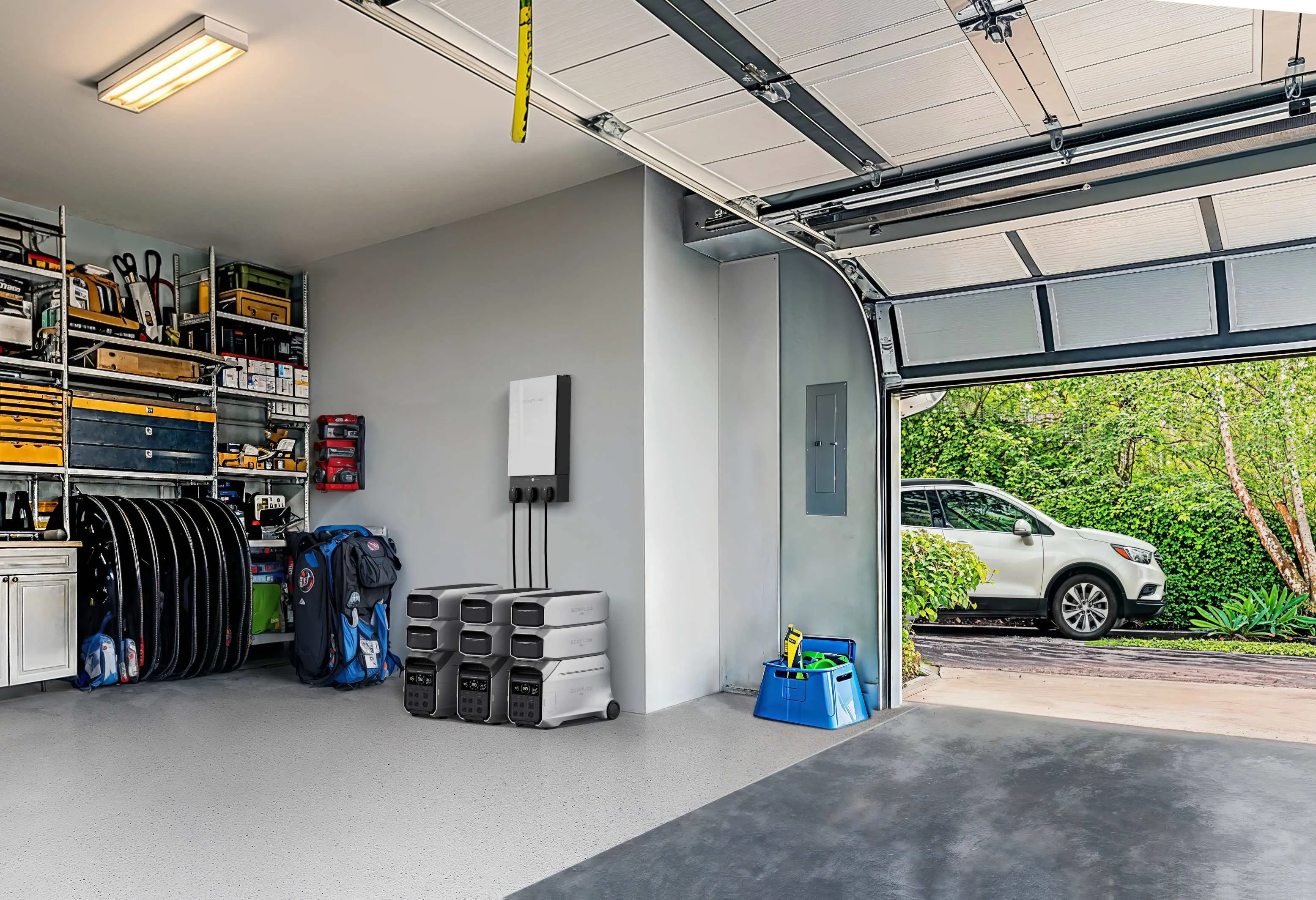
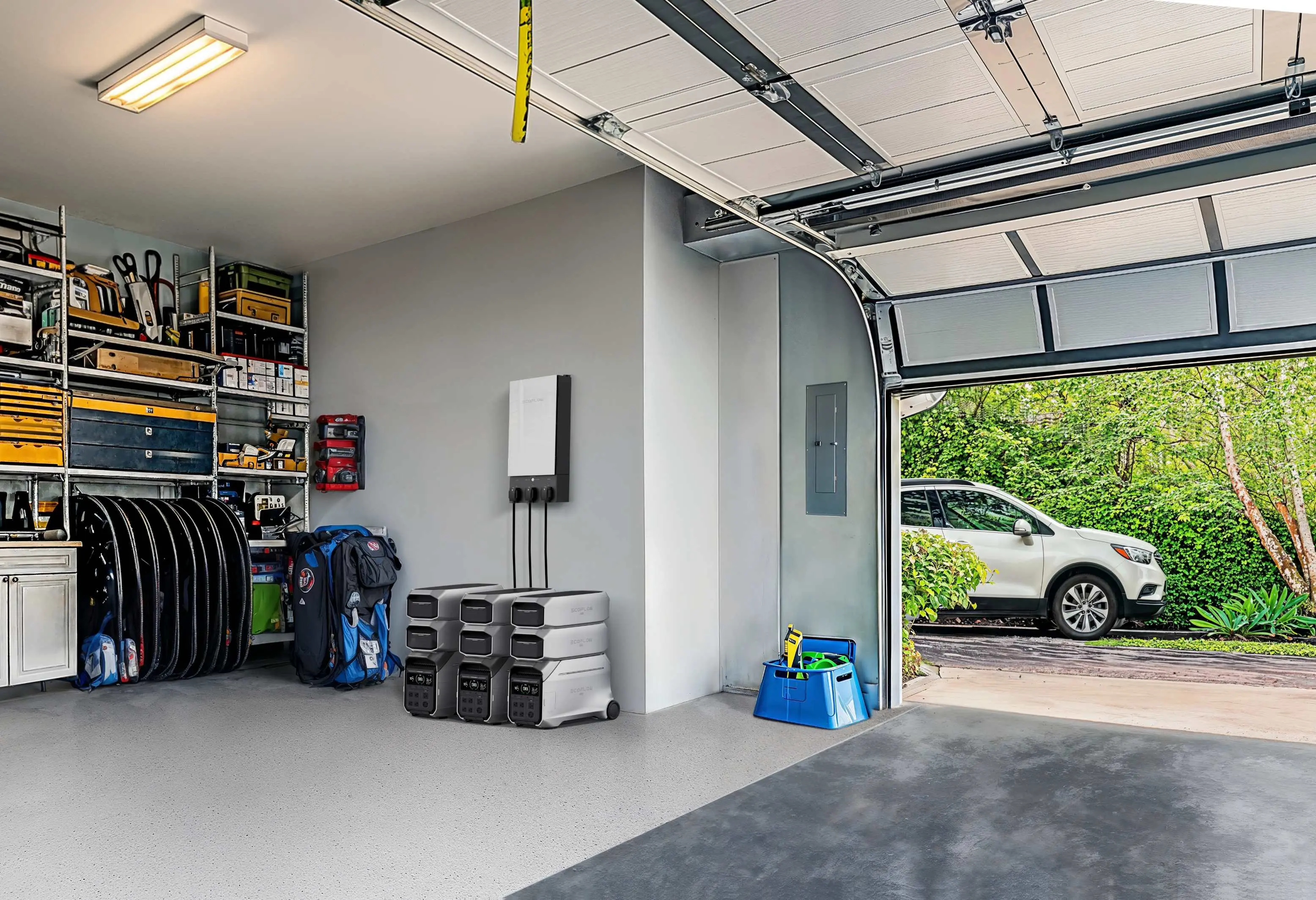
The EcoFlow DELTA Pro Ultra Whole-Home Backup Power is designed for exactly this kind of scenario. With 7200W per inverter (expandable up to 21.6kW), it can power essential systems like your sump pump, furnace, and refrigerator during extended outages. Instead of hauling buckets at 2 a.m., your systems keep running quietly in the background, which is exactly what you want during a Canadian winter storm.
Conclusion
Cleaning up a flooded basement is never how anyone wants to spend their weekend. But if you approach it methodically, safety first, slow water removal, thorough drying, you can limit the damage and avoid bigger headaches down the road.
In Canada, where winter thaws and sudden downpours are part of life, prevention matters just as much as cleanup. Keeping drainage clear, testing your sump pump, and having reliable battery back up for home in place means the next major storm is an inconvenience, not a disaster. The goal isn’t just to fix a flood. It’s to make sure the next one never makes it past your foundation.
FAQ
1. Can I stay in my house after basement flooding?
In many cases yes, if the flooding is minor and limited to the basement. As long as there’s no sewage smell, no electrical risk, and humidity isn’t spreading through your HVAC system, you can usually remain upstairs. If the water is contaminated or mold begins circulating through the house, it’s safer to stay elsewhere until cleanup is complete.
2. Does a sump pump work during a power outage?
A standard sump pump won’t run if the power goes out. That’s why backup power matters, especially during Canadian storms when outages and flooding often happen together. A battery backup or portable power station can keep your pump operating when the grid fails.
3. How long does it take to dry out a basement after a flood?
Typically, it takes about 3 to 5 days with proper ventilation, fans, and dehumidifiers. If water sat for a while or soaked into insulation, framing, or concrete, it can take longer. The key is consistent airflow and moisture control.
4. How much does basement flood repair cost?
In Canada, minor seepage repairs might start around $3,000, while major structural damage or sewage cleanup can exceed $30,000. Costs depend on the water source, the size of the basement, and how much drywall, flooring, or insulation needs replacing.
5. What is a basement flooding protection subsidy program?
Many Canadian cities offer subsidy programs to help homeowners prevent future flooding. Places like Toronto and Hamilton provide partial reimbursement for installing backwater valves, upgrading sump pumps, or disconnecting weeping tiles. It’s worth checking your municipality’s website, these programs can significantly reduce upfront costs.