Everything You Need to Know About Maintaining Recreational Vehicle Batteries in Winter
When Canadian winter settles in and temperatures begin dropping from the Maritimes to the Rockies, RV owners run into a familiar challenge: keeping their power systems working in the cold. Winterizing an RV involves more than draining the pipes or adding antifreeze. It also means protecting the battery, which acts as the heart of your rig and powers everything from lights to furnace fans.
Cold weather can be tough on battery chemistry. As temperatures fall, the internal reactions slow down, reducing available power and making batteries less efficient. Whether your RV is stored for the season or you’re planning a few winter camping trips, understanding how batteries behave in freezing conditions is important. In this guide, we’ll look at why cold weather affects battery performance, compare battery types that handle sub-zero conditions better, and share practical tips for storage and freeze prevention so your RV is ready to go when spring arrives.
Why Do Recreational Vehicle Batteries Need Special Care In Winter?
If you’ve ever tried starting a car during a Winnipeg January cold snap, you already know batteries and freezing temperatures don’t mix well. For RV owners, the stakes are even higher because those batteries power almost everything in the rig, from water pumps to furnace fans that keep the cabin warm on cold nights.
Cold Temperature Impact on Battery Chemistry
At its core, a battery is simply a chemical reaction stored inside a box. When temperatures drop, those chemical reactions slow down. As a result, internal resistance increases and the battery has a harder time delivering the current your appliances need. In cold weather, even a healthy battery can suddenly feel weaker than it normally would during summer camping trips.
Capacity Loss in Recreational Vehicle Batteries
You might also notice your battery running out faster in winter. That’s because available capacity decreases as temperatures fall. A battery sitting at around 0 °C may only deliver about 70-80 % of its rated capacity compared with warm-weather conditions. According to Natural Resources Canada, battery performance in sub-zero temperatures can drop by roughly 30-40 %, depending on the battery type and charge level. This becomes especially noticeable when running high draw equipment like furnace blowers, inverters, or refrigerators during long winter nights.
Increased Risk of Freezing Damage
Freezing is one of the biggest threats to traditional RV batteries. As a lead-acid battery discharges, the electrolyte becomes more water-dominant, which raises the freezing point. Research from the University of Alberta shows that partially discharged lead-acid batteries can freeze at temperatures just below −10 °C, while a fully charged battery can tolerate much colder conditions.
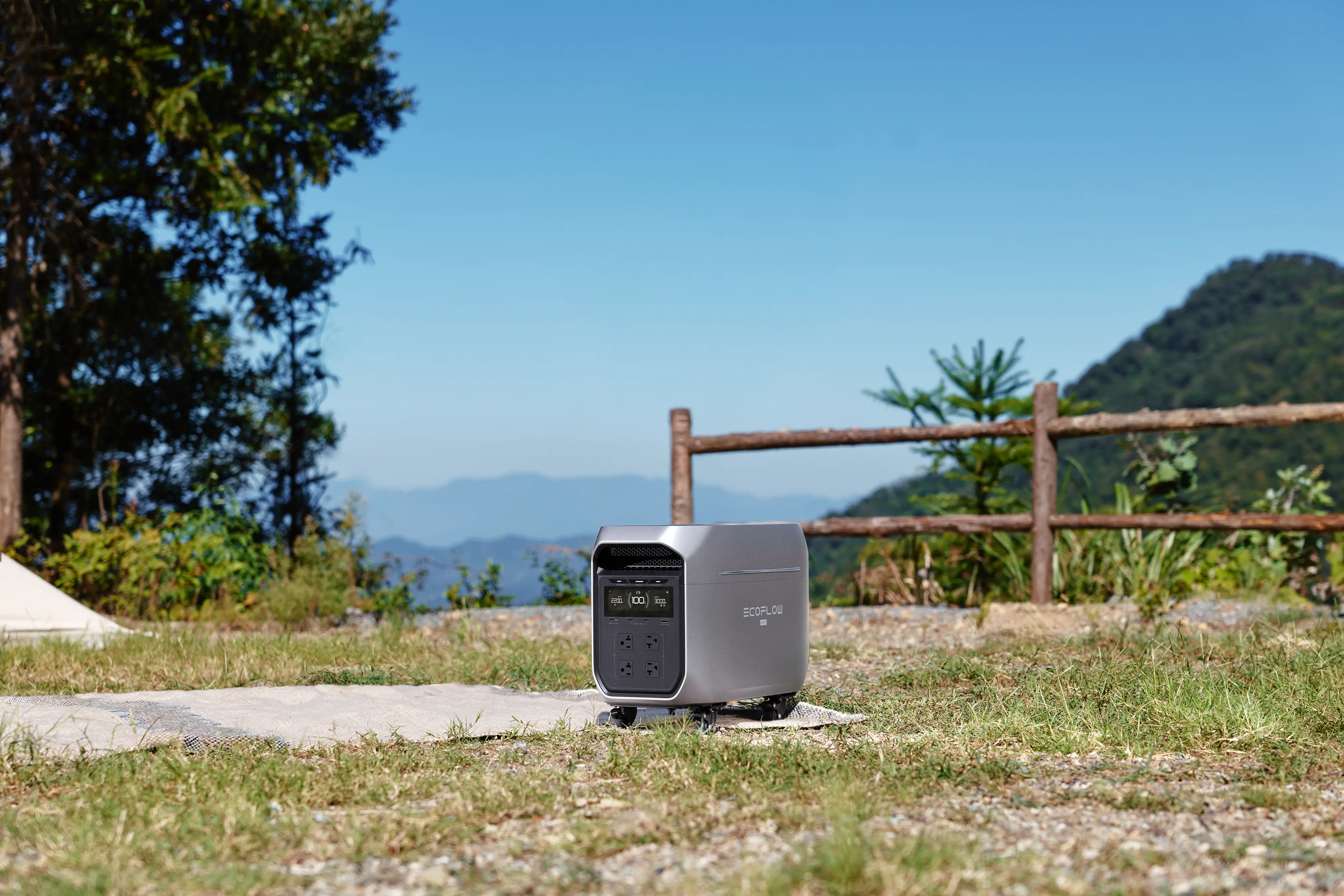
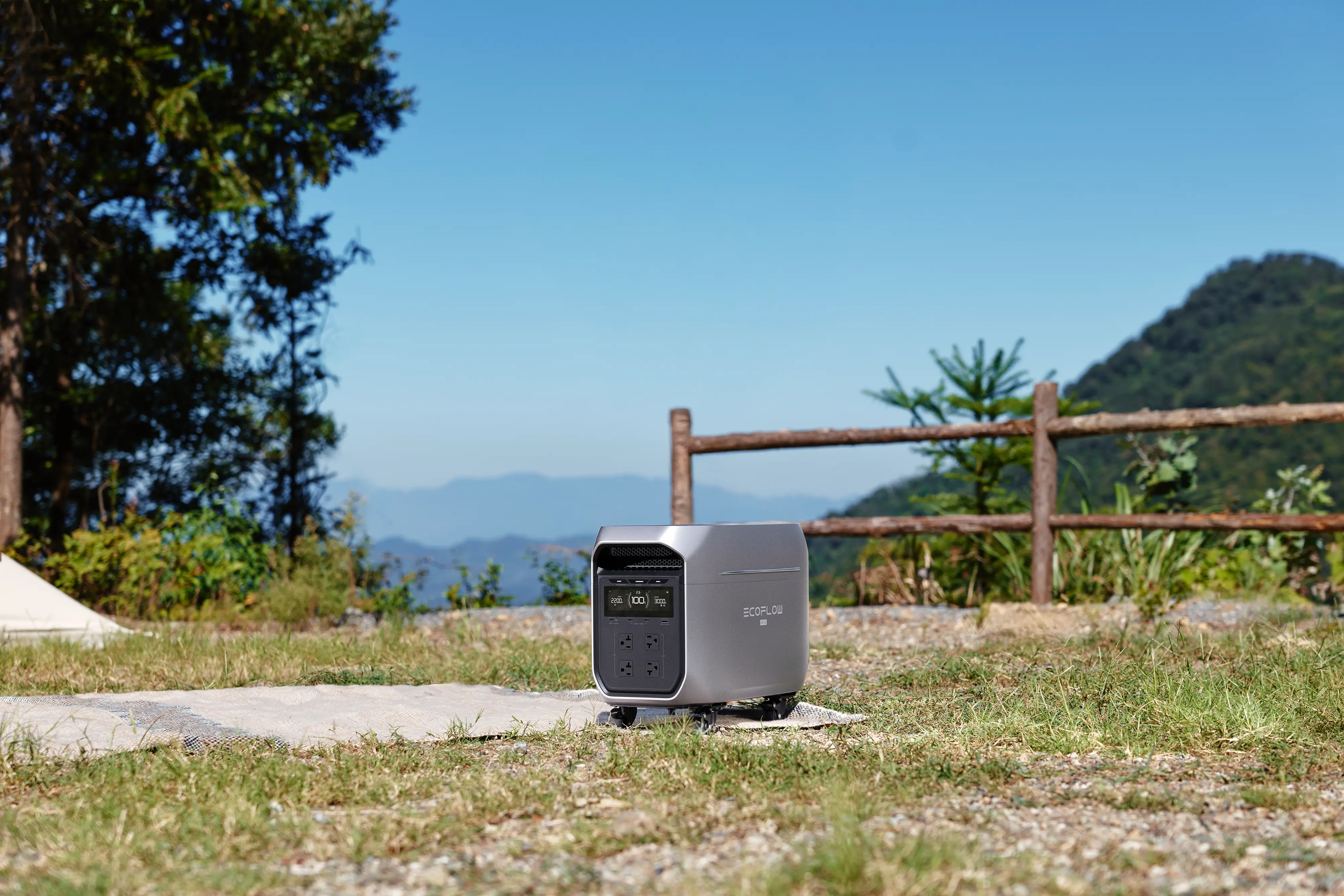
Because of this, many Canadian RV owners are moving toward lithium-based systems like the EcoFlow DELTA 3 Max Plus Portable Power Station (2048Wh). Instead of traditional lead-acid chemistry, it uses EV-grade LiFePO4 cells with very low internal resistance (around 1.5 mΩ). Lower resistance helps maintain more stable power delivery in cold conditions.
Why does that matter during winter trips?
Lower internal resistance generally means more usable energy when temperatures drop. In real Canadian winter conditions, around -15 °C, flooded or AGM lead-acid batteries may only provide about 40-60 % of their rated capacity, especially if they aren’t fully charged. Voltage sag under heavy loads can also make appliances shut down earlier than expected.
By comparison, quality LiFePO4 systems often retain around 70-85 % of usable capacity when discharging in similar conditions thanks to more stable voltage output.
In practical terms, that difference can mean:
Your furnace runs through the night instead of shutting off at 3 a.m.
Fewer low voltage warnings from your inverter
More stable power for 12 V refrigerators and control systems
During long Canadian winter nights, that extra 20-30 % of usable capacity can be the difference between staying warm and waking up to a cold, powerless RV.
Lower internal heat generation, roughly 25 % less than some conventional designs, also allows the battery management system to operate more efficiently instead of wasting energy compensating for internal losses. Over time, that can translate into steadier runtime and less energy lost as heat.
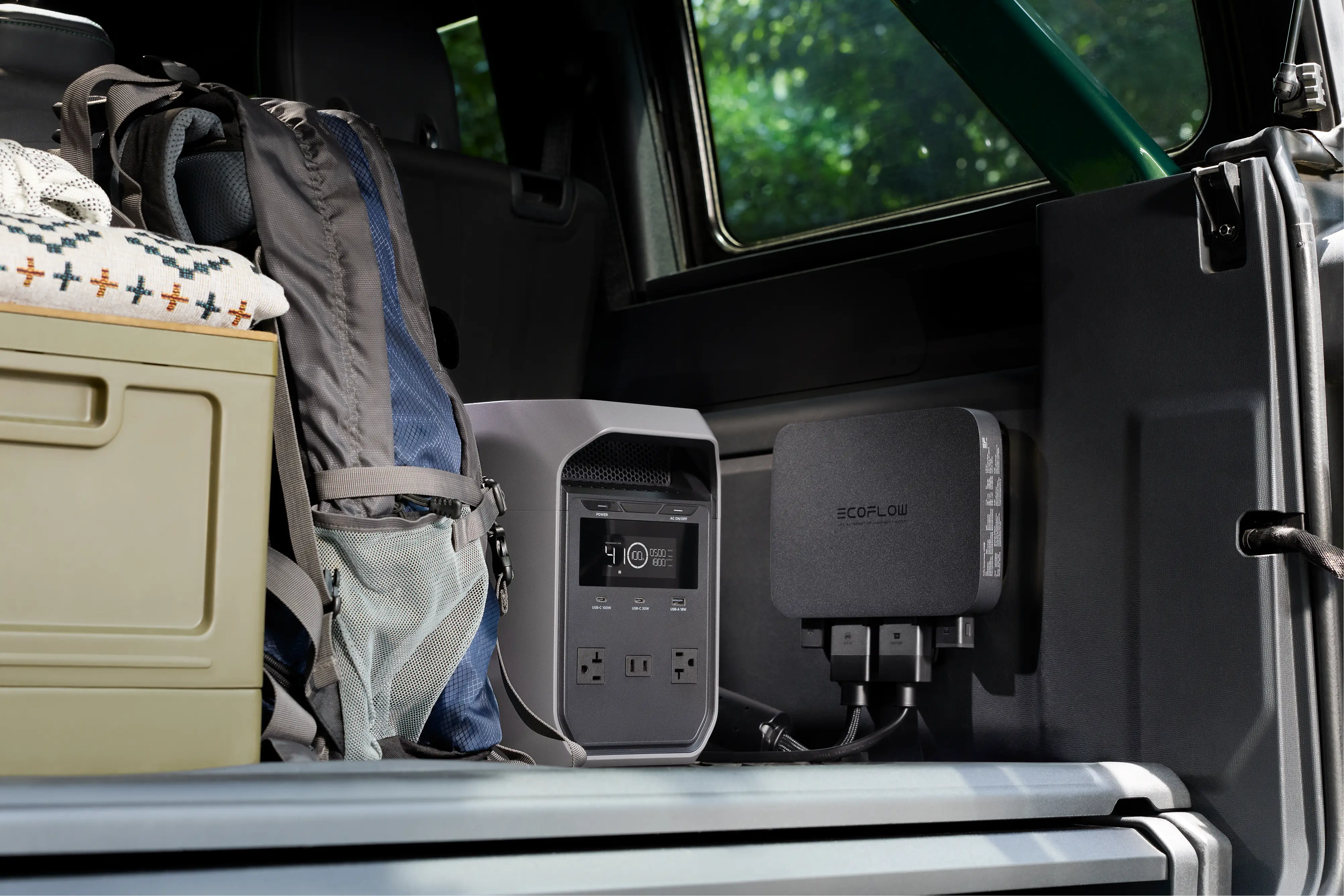
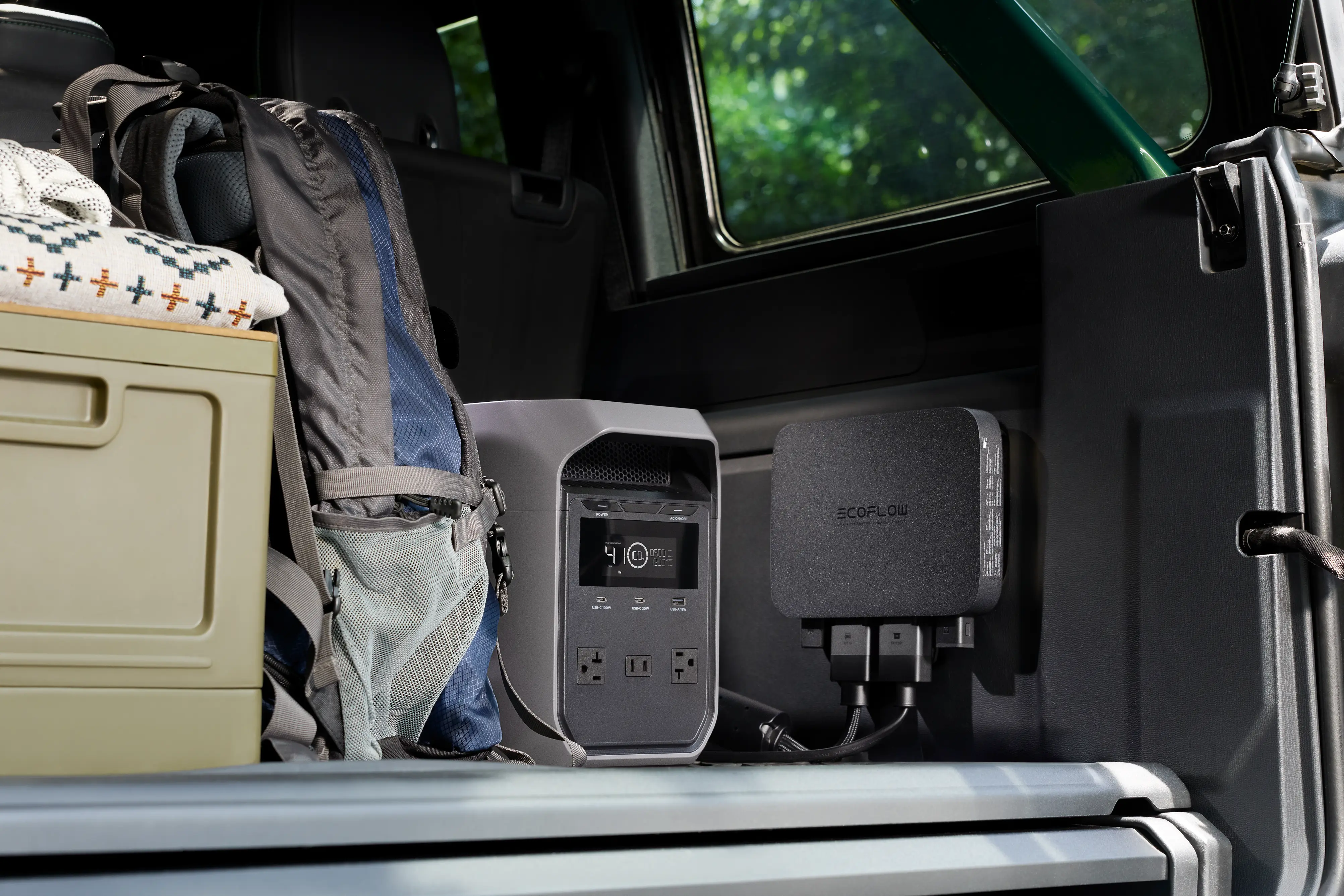
Additionally, the 30 A Anderson DC output (up to 378 W) allows direct 12 V integration with your RV’s fuse panel or refrigerator. By avoiding unnecessary AC-to-DC conversion, the system can maintain up to 95 % DC-to-DC efficiency, helping preserve valuable watt-hours when winter days are shorter and solar charging is limited.
Reduced Charging Efficiency in Low Temperatures
Charging batteries in freezing conditions brings another challenge. Most lithium batteries cannot safely accept a charge below 0 °C unless they include internal heating systems. Industry guidelines referenced by the Battery Council International warn that charging lithium batteries below freezing can cause lithium plating, which permanently reduces capacity and battery lifespan. In simple terms, if your battery is too cold, your solar panels or alternator might not be able to charge it effectively at all.
What Types of Recreational Vehicle Batteries Perform Best in Cold Weather?
Not all RV batteries perform the same once temperatures start dropping. The type of battery chemistry you choose can make a big difference when camping or storing your rig during a Canadian winter. Some batteries handle cold far better than others, which can mean the difference between a comfortable night inside your RV and waking up to a powerless system.
Self-Heating Lithium (LiFePO4)
For winter RV camping, lithium batteries with built-in heating systems are often the most reliable option. These batteries can safely charge even in cold temperatures because the internal heater keeps the cells within a safe operating range.
Even standard lithium systems already offer a major upgrade over traditional lead-acid batteries. For example, the EcoFlow DELTA 2 Portable Power Station is a simple, dependable solution for many RV setups. With a 1024Wh capacity and 1800W AC output, it easily handles everyday loads like lights, fans, and small electronics. Built with LiFePO4 (LFP) cells rather than liquid electrolyte, it eliminates the risk of internal cracking during harsh winter conditions and remains functional in temperatures as low as -10°C. This makes it a far more resilient and long-lasting choice for the unpredictable Canadian climate compared to conventional lead-acid alternatives.
Standard Lithium (LiFePO4)
Standard LiFePO4 batteries are popular with RV owners because they are lightweight, long lasting, and can handle deep discharges better than lead-acid batteries. While most cannot be safely charged below 0 °C without a heating system, they can still discharge in very cold weather. This makes them far more dependable than traditional flooded batteries during winter use.
| Feature | Self-Heating LiFePO4 | Standard LiFePO4 | AGM (Absorbent Glass Mat) |
|---|---|---|---|
| Capacity Retention (-15°C) | 70-85% | 60-80% | 40-60% |
| Charging Temperature Range | -20°C to 60°C | 0°C to 60°C | -10°C to 50°C |
| Lifespan (Cycle Count) | 3,000-5,000 cycles | 2,000-4,000 cycles | 500-800 cycles |
| Weight | Light | Light | Heavy |
| Cost | High | Medium-High | Medium-Low |
| Winter Freeze Resistance | Built-in heater, safe for low temperatures | No heater, requires ambient temperature for charging | Prone to freezing, requires high state of charge |
As the comparison shows, LiFePO4 batteries generally perform much better than AGM in cold conditions, offering better capacity retention, longer lifespan, and significantly lower weight. Although lithium systems cost more upfront, many RV owners find the reliability during winter trips well worth the investment.
AGM (Absorbent Glass Mat)
AGM batteries are an improvement over traditional flooded lead-acid batteries because the electrolyte is absorbed in fiberglass mats instead of being stored as liquid. This design makes them more resistant to vibration and slightly more stable in cold weather.
However, AGM batteries still experience noticeable capacity loss as temperatures drop, and they remain much heavier than lithium alternatives. They also carry the same freezing risks as other lead-acid batteries if the state of charge drops too low during winter storage.
How Should You Store Recreational Vehicle Batteries During Winter?
If you’re not planning a winter “snowbird” escape south, proper battery storage becomes essential. Cold Canadian winters can slowly damage batteries that are left unattended, so a few simple steps can help make sure your system is ready when camping season returns around Victoria Day. It is an important step in how to winterize an RV properly.
Fully Charging Before Storage
Never store a battery in a low state of charge. For lead-acid batteries, keeping them fully charged helps prevent the electrolyte from becoming water-heavy and freezing. Lithium batteries typically prefer storage around 50-80%, but topping them up before disconnecting the system helps ensure they don’t slowly drain over several months.
Disconnecting Parasitic Loads
Even when your RV appears completely shut down, small “parasitic” or “vampire” loads, such as CO₂ detectors, control boards, or clocks, can slowly drain the battery over time. Disconnecting the negative terminal or using a battery disconnect switch prevents these small drains from gradually emptying the battery during winter storage.
Indoor Temperature Controlled Storage
If possible, remove the batteries from the RV and store them in a basement or heated garage. Keeping batteries in a stable, temperature controlled environment is one of the best ways to extend their lifespan and reduce the risk of cold-weather damage. The same applies if you use a portable power station as a backup power source in your RV.
Using Smart Battery Maintainers
If the batteries stay installed in the RV, a smart battery maintainer or trickle charger is strongly recommended. These devices monitor voltage levels and supply small amounts of power only when needed, helping keep the battery healthy throughout the winter without the risk of overcharging.
How Can You Prevent Recreational Vehicle Batteries from Freezing?
For those who enjoy RV living in winter during ski season or cold-weather trips, preventing battery freeze-ups becomes part of the routine. A few simple precautions can make a big difference when temperatures drop well below freezing.
Maintaining High Charge Levels
Keeping your battery fully charged is one of the best ways to prevent freezing. A fully charged lead-acid battery typically won’t freeze until temperatures reach around -50 °C, while a discharged battery can freeze at temperatures as mild as -1 °C. Maintaining a strong charge level is therefore your first line of defence during cold weather.
Insulating Battery Compartments
Adding rigid foam insulation inside the battery compartment can help retain some of the heat produced during charging and discharging cycles. Even a few degrees of extra warmth can help protect the battery when outside temperatures drop overnight.
Installing Battery Heating Pads
For RVers who regularly camp in very cold conditions, battery heating pads are a helpful upgrade. These pads wrap around the battery and are usually controlled by a thermostat, automatically turning on when temperatures approach freezing to keep the battery within a safer operating range.
Checking Electrolyte Levels Regularly
If you’re using non-sealed lead-acid batteries, it’s important to check electrolyte levels periodically. The plates inside the battery must stay fully submerged. Low fluid levels can increase the risk of damage and make it harder for the battery to hold a charge during cold weather.
Conclusion
Getting through a Canadian winter takes a bit of preparation, and your RV battery is no different. Whether you upgrade to a more resilient power station like the EcoFlow DELTA 3 series with LiFePO4 technology, or simply stay consistent with proper charging and storage habits, a little planning can prevent a lot of headaches later.
Taking care of your batteries during the cold months helps ensure they stay healthy and ready for the next season. When spring finally arrives and the snow begins to melt, your RV will be ready to power up and head back out on the road.
FAQ
1. What type of batteries do RVs use?
Most RVs use deep-cycle batteries, which are designed to deliver a steady flow of power over long periods. Unlike car batteries that provide short bursts of energy to start an engine, deep-cycle batteries are built to run appliances like lights, fans, water pumps, and refrigerators for extended use.
2. What's the difference between an automotive and recreational battery?
An automotive battery is designed to produce a strong surge of power to start a vehicle’s engine. A recreational or deep-cycle battery, on the other hand, is meant to be discharged and recharged repeatedly while powering onboard equipment and electronics inside the RV.
3. What is better, an AGM or a lithium battery?
Lithium (LiFePO4) batteries are generally considered the better option. They are lighter, charge faster, and can last significantly longer than AGM batteries. Although the upfront cost is higher, the longer lifespan and improved performance often make lithium a worthwhile investment for many RV owners.
4. Can I use a regular car battery in my RV?
It’s not recommended. Regular car batteries are not designed for deep discharging and will wear out quickly if used to power RV appliances. Using a proper deep-cycle battery helps ensure reliable performance and longer battery life.
5. Is it okay to leave batteries in the RV for the winter?
It depends on the battery type and its charge level. In the Canadian climate, leaving a battery in your RV is only safe if it remains fully charged. A fully charged lead-acid battery can withstand temperatures as low as -60°C, but a discharged one can freeze and crack at just -5°C.
Lead-Acid & AGM: If you cannot keep the RV connected to a smart charger, it is best to remove the batteries. Small "parasitic drains" from sensors can empty a battery in weeks; once the charge drops, the electrolyte becomes mostly water and will freeze, leading to permanent casing damage.
Lithium (LiFePO4): While these can be stored in cold temperatures, they cannot be charged safely below 0°C.