Thundersnow in Canada: What It Is, Where It Happens, and How to Stay Safe
Most winter storms bring snow, wind, and icy roads. Thundersnow brings all of that plus lightning and thunder. While it's one of Canada's rarest weather phenomena, it can also create some of the worst winter weather conditions.
Learn what causes thundersnow, where it's most likely to occur, and how to stay safe when this unusual winter storm rolls through.
What Thundersnow Is and Why It’s So Rare
You’ve probably seen snowstorms and thunderstorms. But if you hear a crack of thunder as snow falls, that’s thundersnow. It happens when a snowstorm produces thunder and lightning.
So, instead of rain falling from the clouds, as it does during a typical thunderstorm, the precipitation falls in the form of snow.
Thunderstorms are usually associated with hot, humid summer afternoons, not frigid winter days. But under the right conditions, winter weather can create the same kind of atmospheric instability needed to generate lightning.
What makes thundersnow so uncommon is that winter storms usually don't have the towering cloud structures needed to produce lightning. In most snowstorms, the atmosphere is relatively stable and cloud tops don't reach high enough into the atmosphere to generate electrical activity.
It takes a very specific combination of cold air, moisture, and strong upward motion to create the right conditions. But when it does occur, conditions can deteriorate quickly. It usually comes with extreme weather and winter blizzard alerts.
Where Thundersnow Happens in Canada and When to Watch for It
Thundersnow is rare, but some parts of Canada see it more often than others, including:
Great Lakes region: Areas around Lakes Superior, Huron, Erie, and Ontario can experience thundersnow during intense lake-effect snow events.
Southern Ontario: Snow squalls moving off the Great Lakes can rapidly intensify, creating near-whiteout conditions within minutes. During particularly strong Southern Ontario snow squalls, the same atmospheric instability that fuels the squall can also spark thundersnow.
Coastal regions: Areas near the Atlantic Ocean can experience stronger winter storms because the relatively warmer ocean provides more moisture and energy. That's one reason thundersnow occasionally accompanies major Nor'easters that affect Atlantic Canada.
Top Risks During Thundersnow and How to Stay Safe
When thunder and lightning happen during a snowstorm, watch out. There are lots of added risks with thundersnow, including:
Visibility: Thundersnow occurs during extremely heavy snowfall, which reduces visibility to just a few metres.
Lightning: It may feel strange to think about lightning strikes while you’re surrounded by snow, but the danger is the same as during a summer storm. If you hear thunder, move indoors immediately.
Strong winds: Strong winds usually accompany thundersnow. Not only does that mean falling trees and debris, but it also means a lot of blowing snow and changing conditions. Again, it’s best to stay inside.
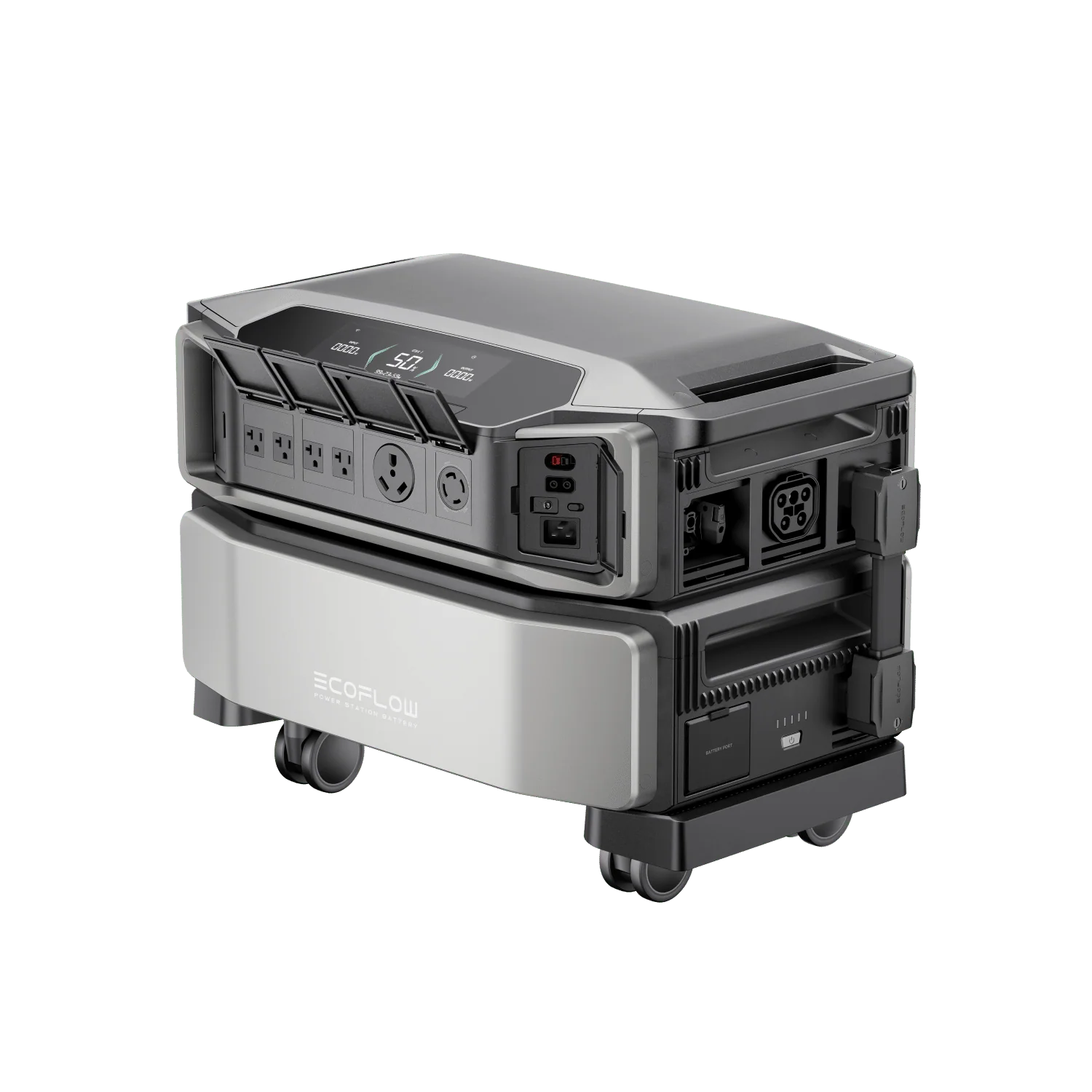
Power outages: Heavy, wet snow can weigh down power lines, while strong winds and lightning strikes can also damage electrical infrastructure. Combined, these factors create the ideal conditions for power outages, which can be an emergency during frigid winter temperatures. If you’re in a thundersnow-prone area, consider adding backups like the EcoFlow DELTA 3 Ultra Plus to your storm preparedness kit to stay safe when the grid goes down.

How to Prepare Your Home for Thundersnow-Related Outages
You don’t want to prepare when there’s already winter storm snow in the forecast. You should prepare for outages well before winter so you have plenty of time to stock your emergency kit and develop a plan. A little preparation ahead of a winter storm can make the difference between a minor inconvenience and a very uncomfortable few days.
Get prepared by:
Checking the weather every day: You don’t have to obsess over it, but make it a habit to check both today’s weather and the weather forecasts for the next 10 days. This will help you get ahead of any potential storms, hopefully, with a few days’ warning.
Stocking emergency supplies: Make sure you have flashlights, spare batteries, fully charged power banks, bottled water, non-perishable food, blankets, and extra clothes on hand. Prescription medications and a hand-crank weather radio are also helpful, plus any supplies to keep your pets safe and comfortable.
Preparing your home: Charge essential devices, fill your vehicle's fuel tank, and make sure walkways and entrances can be safely cleared if snow accumulates quickly.
Checking your backup power: Canadian winters are unforgiving, and it could be days before utility crews restore electricity to your home. Backup power can make a big difference during thundersnow-related outages. For example, the EcoFlow DELTA Pro Ultra is a capable whole-home generator that keeps you connected and comfortable while you wait for service to return.
Frequently Asked Questions
Is Thundersnow Dangerous, or is it Mostly Just Rare?
Both. Thundersnow is rare, but it also happens during some of the most intense winter weather conditions. Heavy snowfall, near-zero visibility, strong winds, icy roads, and lightning can all happen at the same time. The thunder itself isn't dangerous, but it means that the storm is unusually powerful and deserves your full attention.
How Common is Thundersnow in Canada?
Thundersnow is uncommon across Canada, and most people may experience it only a few times in their lives, if at all. It's most likely to occur during strong winter storms in regions affected by lake-effect snow and coastal winter storms. Because it develops in small pockets within larger storms, it can be difficult to predict.
Can Lightning During a Snowstorm Cause Power Outages or Damage?
Yes. Lightning isn’t less powerful just because it's snowing. A lightning strike during thundersnow can damage electrical equipment and down trees. However, heavy snow, ice accumulation, and strong winds often cause most outages during winter storms. That's why it's smart to prepare for potential disruptions whenever severe winter weather is in the forecast.
What Should Be in a Thundersnow Emergency Kit at Home and in the Car?
At home, keep flashlights, spare batteries, bottled water, non-perishable food, blankets, medications, phone chargers, and a battery-powered weather radio on hand. For your vehicle, pack a winter emergency kit that includes warm clothes, extra gloves, blankets, a flashlight, snacks, water, a phone charger, jumper cables, a snow brush, and a small shovel.
Stay Safe, Stay Warm, and Keep the Essentials Running
Thundersnow is rare, but if it strikes in your area, you need to be prepared. It comes with real risks of heavy snowfall, lightning, strong winds, and power outages. Don’t wait for a storm to approach: build your storm preparedness kit now to keep your family safe.
You can’t control the weather, but you can control how prepared you are for it. See how the EcoFlow DELTA Pro Ultra provides scalable backup power to keep you warm and safe even during the harshest Canadian winter.