March Power Outage Prep in Canada: What to Power First During a Storm
- Why March Is One of the Riskiest Months for Power Outages in Canada
- Why Power Prioritization Matters During an Outage
- What Needs Power Right Away?
- How to Power Essentials Without Overloading Your Backup
- Preparing Before the Storm Hits
- Frequently Asked Questions
- Backup Power Planning Protects Canadian Homes During Spring Outages
March is power outage season. Across Canada, spring storms hit hard and cause serious damage to power infrastructure.
If the grid goes down, you need to know what to power first. Smart prioritization allows you to protect your home, preserve your food, stay safe, and wait for grid power to be restored.
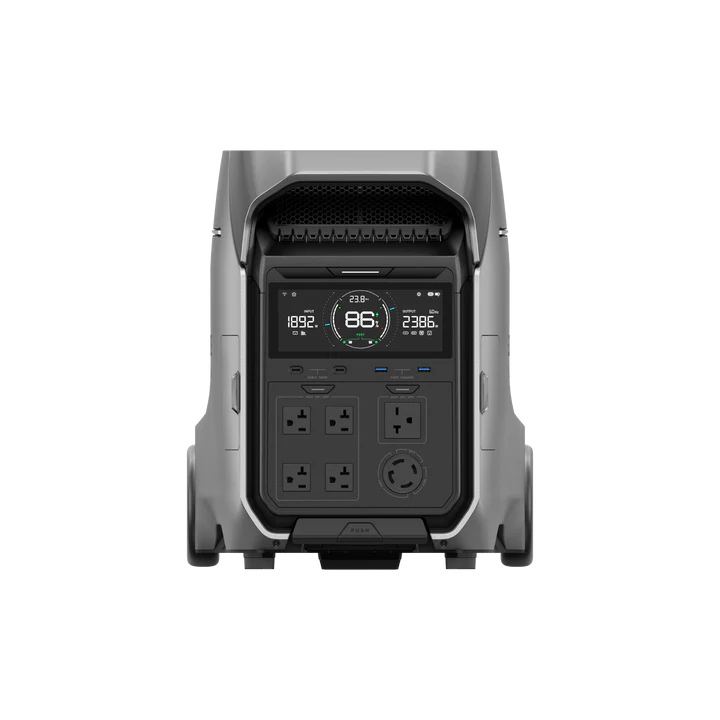
Don't wait for the worst to happen. Get prepared now with the EcoFlow DELTA Pro Series, and you can breeze through the worst March has to throw at you.

Why March Is One of the Riskiest Months for Power Outages in Canada
Different provinces have different climates, which means they face different threats. However, March is one of the most dangerous months for power outages in much of the country.
March is a transitional time, when winter gives way to spring. That makes for powerful storms, possible flooding, and volatile conditions. For just one example, look at the March 2025 ice storm in Ontario and Quebec, which caused 300,000 homes to lose power. Meanwhile, on the other side of the country, BC Hydro reports that March is one of the worst months of the year for storms.
March snow is often wetter and heavier, and that weight can increase the likelihood of downlines and broken poles. Melting snow can swell rivers and damage infrastructure, and high winds are always a threat.
Why Power Prioritization Matters During an Outage
When the grid fails, you need to prioritize your needs. Even if you have a home backup system or generator, it has limits.
Trying to power everything in your home with a backup system can:
Overload circuits
Rapidly drain battery capacity
Trigger automatic shutdowns
Shorten your runtime
Prioritizing your energy needs means that you can keep essential systems operational for hours or even days. It will require a few sacrifices, but it's worth it to keep what matters most up and running.
It's helpful to think in tiers of needs, like this:
1. Safety and health
2. Food preservation
3. Heat and water
4. Communication and lighting
5. Comfort and convenience
Knowing what to prioritize can help you make the right decision fast.
What Needs Power Right Away?
When the power goes out, stay calm. Focusing on immediate priorities helps you act quickly and stabilize your home.
1. Heating Systems
March is still cold enough to be a serious issue for much of the country. No matter what kind of heating system you have, there's a good chance it needs power to run. Whether it's a gas furnace, electric baseboard heaters, or a heat pump, without electricity, it's not going to work.
Keeping your home heated is about more than discomfort. It can also stop pipes from freezing and causing more damage.
2. Fridges and Freezers
After about four hours without power, you need to start worrying about food spoilage. A deep-freeze can stay frozen for 24–48 hours if you don't open the door, but the fridge will start to warm up rapidly. You can cycle the fridge intermittently to conserve power and keep food cold at the same time.
3. Sump Pumps
Spring melt will increase groundwater levels. In areas prone to flooding, keeping power to your pump may prevent thousands of dollars in damage.
4. Communications
Phones, Wi-Fi routers, and radios can help you monitor emergency updates and stay in touch with family members.
5. Lighting
LED lighting consumes minimal power, but can help you avoid injury as you move around your house at night.
How to Power Essentials Without Overloading Your Backup
Estimate Wattage Before the Storm
Knowing roughly how much power your essentials require can help you plan for the capacity you'll need in an outage, no matter how long it lasts:
Refrigerator: 150 to 800W
Furnace blower: 300 to 600W
Sump pump: 800 to 1500W
Wi-Fi router: 10 to 20W
LED lights: 8 to 15W
Avoid Simultaneous Loads
It's easy to overload a system when you draw a lot of power at once. Avoid this by staggering your usage. For instance, try to run the fridge for an hour with the sump pump off, and switch the fridge back off to put the pump back on.
Use Load Management
Modern smart backup systems automatically prioritize essential circuits and shed noncritical loads. A scalable backup system like the EcoFlow DELTA Pro Series allows homeowners to set up dedicated circuits for different needs and isolate high-draw appliances like dryers and stoves.
Preparing Before the Storm Hits
1. Charge backup systems fully when a storm warning is issued.
2. Test your setup. Simulate an outage to see what happens.
3. Secure the outdoors. Make sure your solar panels and wiring are properly secured.
4. Stock essentials. Flashlights, batteries, bottled water, blankets, and nonperishable food are all things you should keep in your house in preparation.
Frequently Asked Questions
What Should I Power First During a March Outage?
In a power outage, your first priority should be heating systems. Then, think about a sump pump if you have one, and your refrigerator. Preserving these systems prevents property damage and health risks. Only once these priorities are taken care of should you think about lighting, communications, and other needs.
Are Battery Backups Safe To Use Indoors During Storms?
Yes. Modern lithium battery backup systems are designed for safe indoor use. They produce no fumes and make no noise. That makes them ideal for home power generation and backup.
Backup Power Planning Protects Canadian Homes During Spring Outages
March brings some violent weather across Canada, and that often means power outages. But smart planning can help you get through comfortably. Prioritize essential systems like heating and medical needs first. Avoid overloading your backup system, especially when you don't know how long you need the power to last.
A smart whole-home generator can help you survive whatever the weather throws at you. Take a look at EcoFlow’s selection and find a system that works for you.