Backcountry Camping: Essential Gear & Packing Checklist
- What Is Backcountry Camping and How Is It Different from Frontcountry Camping?
- What Should You Pack for a Backcountry Camping Trip?
- How Do You Keep Your Devices Powered in the Backcountry?
- Power Multi-Day Backcountry Trips with Solar Charging
- How Can You Plan a Safe and Responsible Backcountry Camping Trip?
- How Can You Make Your Backcountry Camping Experience More Comfortable?
- Conclusion
- FAQs
There's a reason people keep heading back into the backcountry. It's not just about getting away, it's what you find out there. The stars feel brighter, the quiet runs deeper. A moose appearing at the treeline, a loon calling out across the lake at dusk, those are the moments you carry home with you. And there's a quiet pride in knowing you earned every kilometre along the way.
We'll run through the essentials for your backcountry camping list, including what goes in the pack, how to stay powered up off-grid, safety must-haves, and practical pointers for the trail.
What Is Backcountry Camping and How Is It Different from Frontcountry Camping?
Before strapping on a 60‑litre pack and hitting the trail, it's worth understanding what actually separates backcountry travel from rolling up to a campsite in your vehicle. Knowing the difference changes how you pack, and what you expect once you're out there.
What Defines Backcountry Camping?
Backcountry camping means leaving the usual campground comforts behind and traveling into less-developed areas where you carry, paddle, or transport your own gear. No outlets, no taps, no corner store. Campsites may range from designated tent pads and pit toilets to more primitive sites with minimal facilities.
Backcountry vs. Frontcountry Camping
When comparing frontcountry vs. backcountry camping, the biggest difference comes down to the safety net. Frontcountry camping, what most people call car camping, comes with a safety net. You've got vehicle access, flush toilets, hot showers, and park staff nearby. Backcountry trips flip that entirely. You trade those comforts for isolation and a deeper connection to the landscape. The table below breaks down the key differences.
| Feature | Frontcountry (Car Camping) | Backcountry (Wilderness) |
|---|---|---|
| Accessibility | Direct drive-up access to campsite | Hike, canoe, or ski in (several km to days) |
| Amenities | Potable water taps, showers, picnic tables | No running water; thunderboxes or cat-holes |
| Packing Limit | Heavy coolers and large tents permitted | Limited to what you can carry efficiently |
| Safety & Support | Cell service common; rapid ranger assistance | Limited/no cell signal; self-rescue focus |
What Should You Pack for a Backcountry Camping Trip?
Getting your pack weight right takes some trial and error. Carry too much and you'll feel it with every step. Under-pack and you'll regret it the second the weather turns. Building a tailored camping checklist helps ensure you don't leave vital gear behind while keeping your weight manageable. It usually takes a few trips to find the sweet spot, but once you do, having gear that keeps you warm, dry, and fed makes a world of difference when things shift.
Shelter and Sleeping Essentials
Start with a good three-season tent, full rainfly, solid in wind and rain. Your sleeping bag needs to handle temps at least 5°C colder than what you're expecting. And don't cheap out on the sleeping pad. The R-value is what stops the ground from pulling heat out of your body all night.
Cooking and Food Storage Equipment
A compact stove, canister or liquid-fuel, is the heart of your backcountry kitchen. Bringing lightweight nesting pots and planning high-calorie backcountry camping meal ideas such as freeze-dried dishes that only need hot water keeps dinner simple after a long day on the trail. For food storage, follow local park regulations. In some areas, this may mean using a bear-resistant canister, while others allow a properly secured food hang.
Clothing for Changing Weather
Weather in the Canadian backcountry changes fast. When conditions change, and they will, layering keeps you in the game. The base layer pulls sweat off your skin. The middle layer traps warmth. The outer shell blocks wind and rain. That's the system. Cotton dries slowly when wet and can reduce insulation in cold conditions, which is why many hikers prefer synthetic or wool layers.
Navigation and Emergency Gear
Smartphone GPS is handy, until the battery dies or the cold kills the screen. Pack a paper map and a compass, and know how to read both before you leave the trailhead. A headlamp with extra batteries, a multi-tool, fire starters, a whistle, and a first aid kit cover the rest. Chances are you won't use half of them. But if you need them, you'll be glad they're in your pack. For longer backcountry trips where carrying capacity allows, such as canoe-access camping or established basecamps, a portable solar generator can provide an off-grid way to recharge essential electronics.
Water Filtration and Hydration Supplies
That clear stream might look clean, but it can hide Giardia and other stuff you don't want. Filter it, treat it, or purify it, squeeze filters, gravity systems, or tablets all do the job. And carry at least two litres of water capacity between bottles or bladders so you're never caught short.
How Do You Keep Your Devices Powered in the Backcountry?
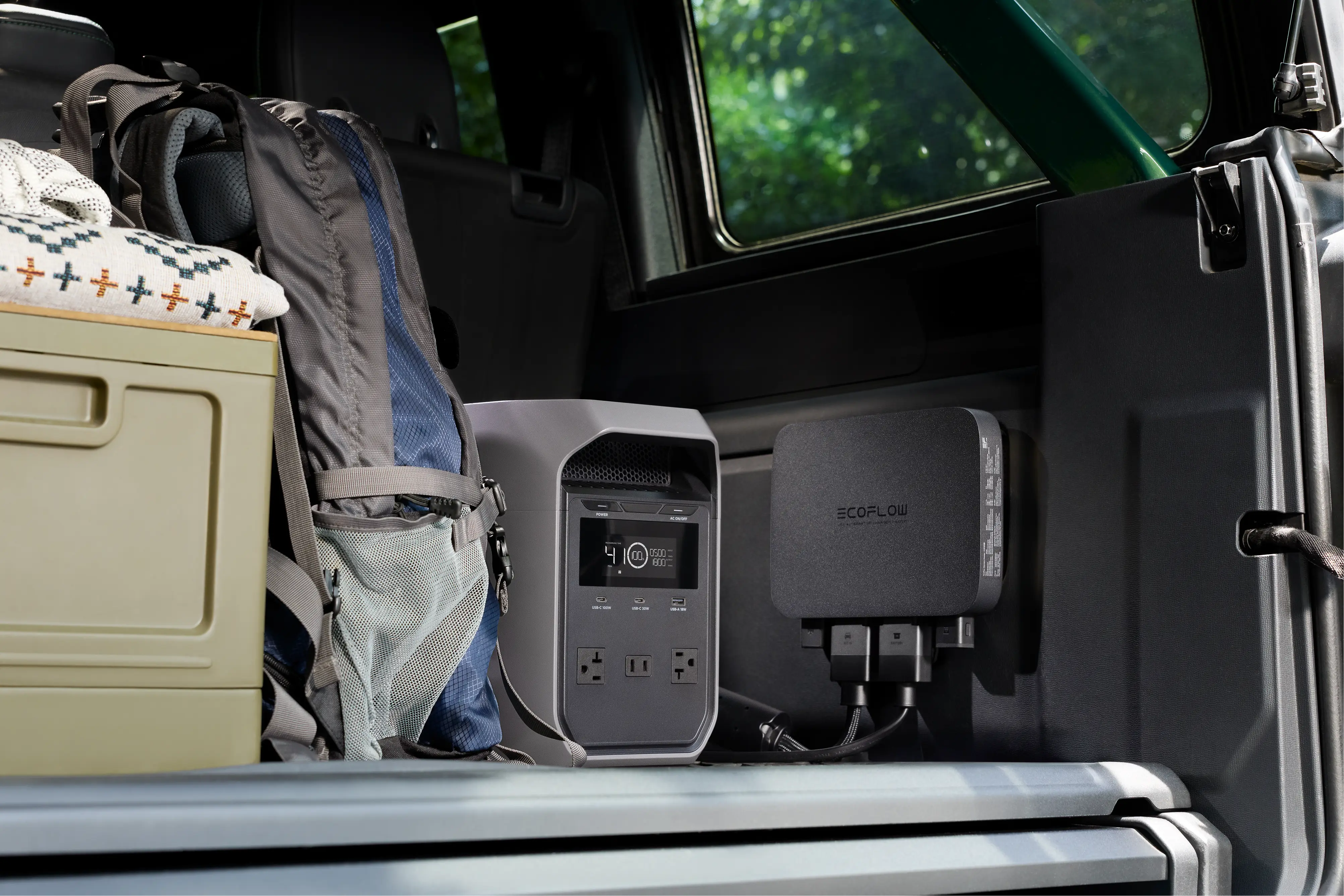
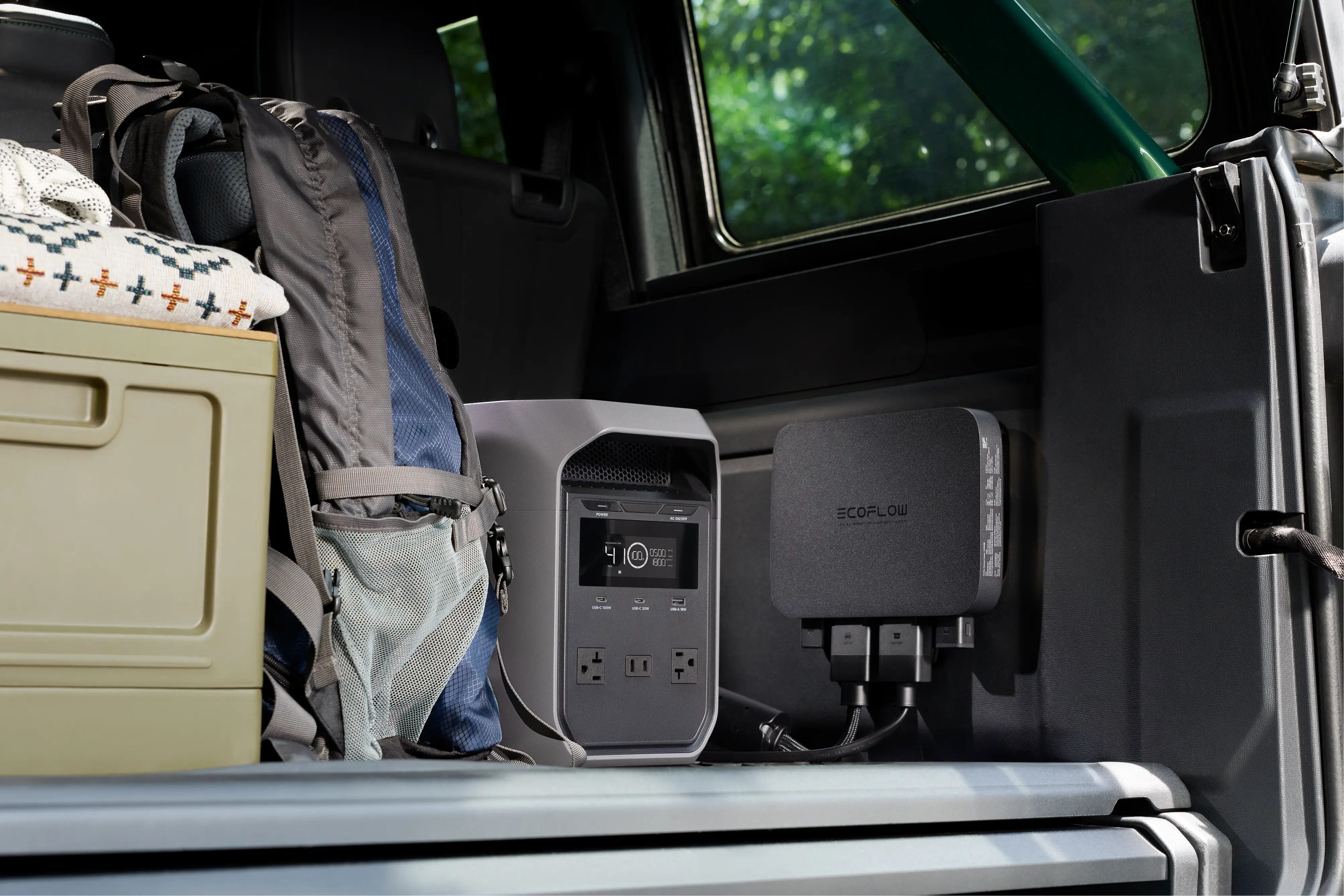
Navigation apps, satellite communicators, and camera gear all rely on battery power, and in the backcountry, there’s usually no outlet available when you need one. For canoe-access trips, basecamp adventures, or other backcountry setups where extra gear can be transported, a reliable power station can make it easier to manage electronics.
Choose a Compact Power Station for Weekend Camping
For a typical weekend basecamp or canoe-access backcountry trip, you don't need to bring a large power setup. The EcoFlow DELTA 3 Classic Portable Power Station is compact enough for vehicle-accessible backcountry trips or basecamp-style camping. It'll charge phones, GPS devices, cameras, headlamps, and other small electronics. No gas, no exhaust, no noise. It operates quietly compared with traditional gas generators, which fits right in with the quiet, low-impact camping style that Parks Canada encourages. And it tops up fast, so you can charge it before you leave and not worry about waiting around overnight.
Power Multi-Day Backcountry Trips with Solar Charging
For extended canoe-access trips or remote basecamp adventures where equipment can be transported by water or established at camp, built-in battery capacity may not be enough for extended trips. You're not just topping up a phone anymore. You're running a GPS, a camera, maybe a drone, a satellite messenger, and headlamps. That adds up fast.
The EcoFlow DELTA 3 Max Plus + 400W Solar Panel helps extend your available power as long as solar conditions are favourable. Set up the panel at camp when conditions allow, and the sun takes care of the rest, helping you keep GPS devices, cameras, drones, and satellite messengers charged throughout longer trips. No rationing battery life, no skipping photos to save juice. On longer canoe routes through Algonquin Provincial Park or remote lake camping trips in the Canadian wilderness, keep your devices ready for navigation, photography, and emergency communication.
How Can You Plan a Safe and Responsible Backcountry Camping Trip?
Solid planning looks after both you and the land you're exploring. A few simple practices cut down your impact and make sure someone can reach you if plans fall through.
Reserve Campsites and Obtain Permits
Secure your backcountry permits, parking passes, and campsite reservations through Parks Canada or Ontario Parks, and do it early. Peak summer and fall seasons go especially quick.
Follow Leave No Trace Principles
Pack out everything you bring in, trash, food scraps, even paper waste. When washing dishes, use biodegradable soap and stay at least 60 metres from any water source. And use the backcountry privies where they exist, they're there to keep the water clean.
Prepare for Wildlife Encounters
Wildlife is part of the experience. Black bears, grizzlies, moose, they're all out there. Keep your site clean and store food away from your sleeping area. Carry bear spray where you can reach it fast, not buried inside your pack. And don't wait until you see a bear to figure out how it works. Practice the motions before you hit the trail.
Share Your Travel Plan Before Departure
Cell service drops fast once you leave the trailhead. Before you go, leave a detailed plan with someone you trust, your route, campsite locations, vehicle make and plate, and when you expect to be back. Set a clear "overdue" time, that's when they should call for help if they haven't heard from you.
How Can You Make Your Backcountry Camping Experience More Comfortable?
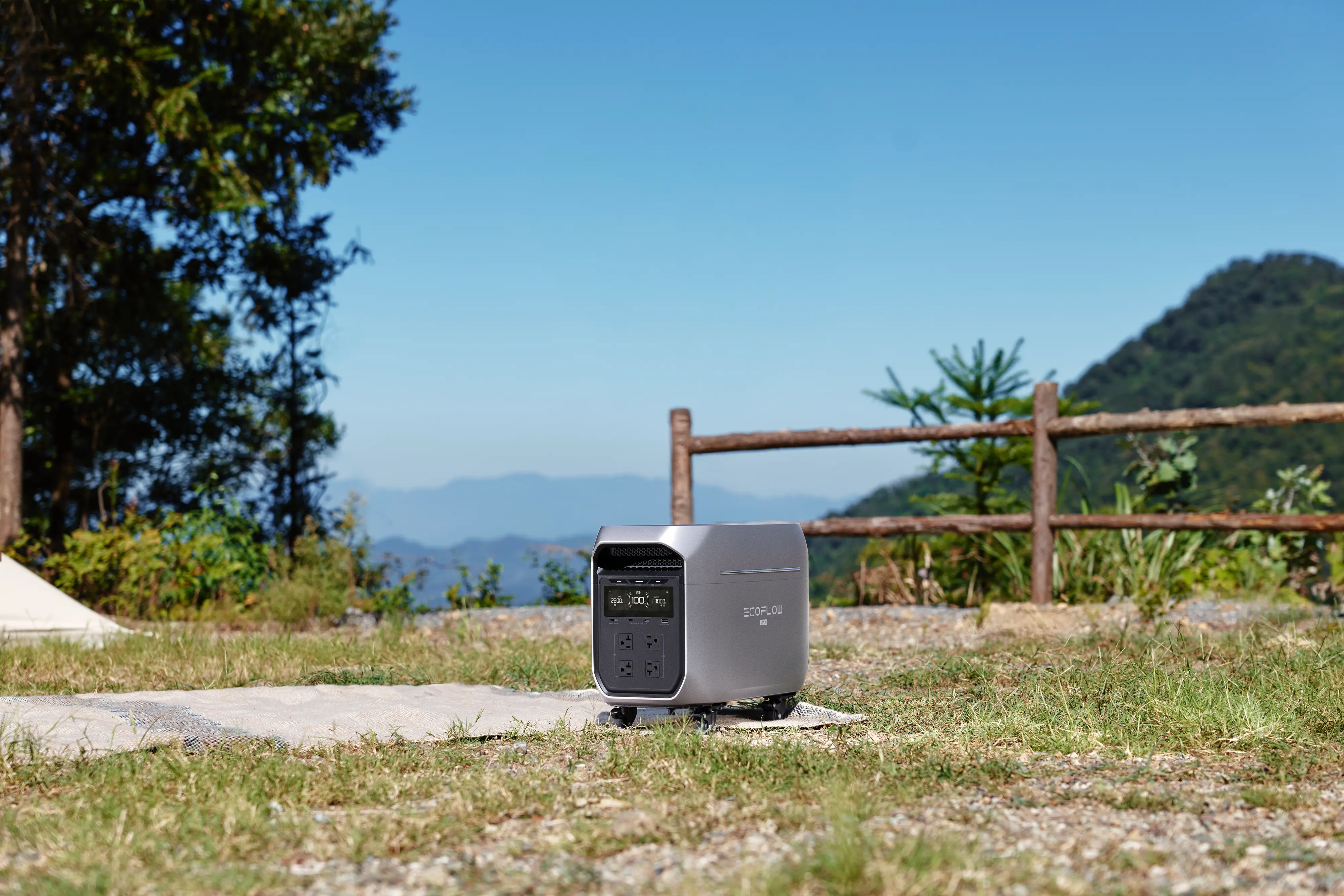
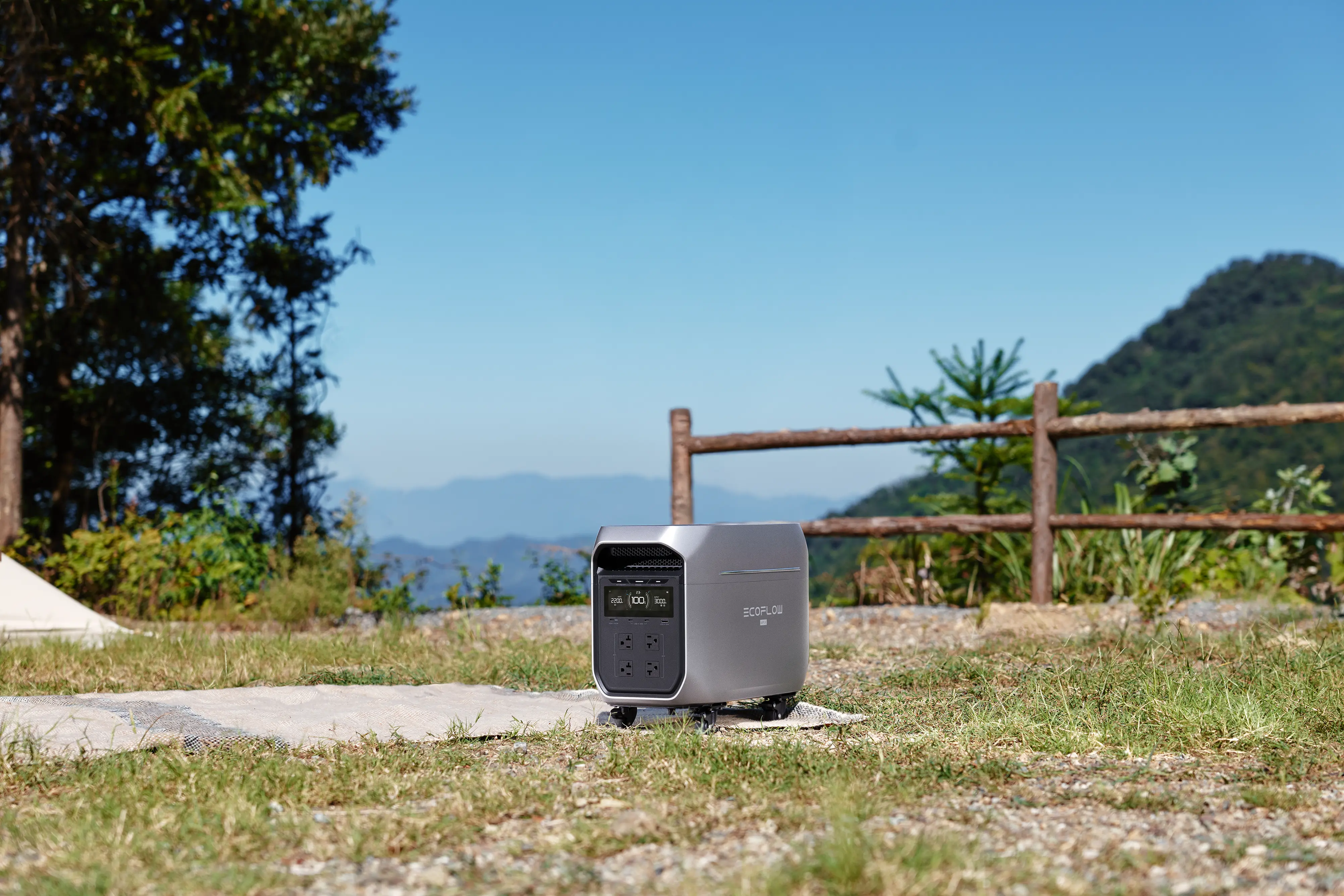
Camping rough has its charm, but there's no need to be miserable out there. A few small adjustments can make a long day on the trail end on a much better note.
Choose Right Campsite Locations
Look for level ground that sits a bit higher than the surrounding area, it helps avoid cool air settling in and keeps dew from soaking everything overnight. Set up on durable surfaces like flat rock or compacted soil. It's easier on the ground and keeps you away from the bugs that hang out in damp brush.
Organize Your Backpack for Easy Access
Pack heavy items, food, stove, water, close to your spine in the middle of the pack. This setup keeps your load balanced and takes pressure off your back. Keep rain gear, first aid, snacks, and extra layers in outside pockets, no need to empty your pack every time you need something.
Adjust Your Routine to Weather Conditions
Start your hikes early. It keeps you out of the midday heat and helps you steer clear of those unexpected afternoon storms that have a habit of rolling in fast. When the sun breaks through, take a few minutes to air out damp socks and sleeping bags, it makes a huge difference. And make a point of brewing something hot before sunset. A warm drink does more than taste good, it raises your core temperature before you zip up for the night.
Conclusion
Getting out into Canada's backcountry is about more than just covering ground. It's the connection you feel to the landscape, the rhythm of the trail, the stillness of a lake at dusk, the quiet that settles in after a long day. Good gear helps. So does smart planning. A solid shelter, the right layers, a reliable power source like EcoFlow's portable stations, and sticking to Leave No Trace principles, all of it adds up. A little effort upfront goes a long way. Once you're out there, you can actually settle in and enjoy the experience. Pack with purpose, plan the details, and hit the trail with the quiet confidence that comes from knowing you're covered.
FAQs
Can Beginners Go Backcountry Camping?
Yes, but ease into it. Stick to a shorter, well-used trail, something in the 3 to 5 kilometre range, or an easy canoe route with just one portage. It's the perfect way to test your equipment and get comfortable before stepping up to longer trips.
How to Get Cell Service While Camping?
Don't count on cell service. Once you're past the trailhead, signals usually disappear. Satellite messengers like the Garmin inReach or ZOLEO are the reliable alternative, they handle messaging, tracking, and SOS no matter where you are.
How Safe Is Backcountry Camping?
Many backcountry incidents can be reduced through preparation. Hypothermia, dehydration, trips, they all come down to preparation. Good layers, clean water, and steady footing address the vast majority of risks.
What Is the Most Forgotten Item When Camping?
Headlamps, or the batteries for them. It's probably the most commonly forgotten piece of kit. Arrive at camp as the light fades and you'll quickly learn why a headlamp matters. Pitching a tent, making dinner, or tracking down the outhouse all become unnecessarily difficult without one.
What Is the Best Time of Year to Go Backpacking?
For backpackers across most of Canada, the window from late July through September is hard to beat. Fewer bugs, daytime temperatures that feel just right, and nights with that refreshing crispness. Add the early blush of autumn foliage and it's clear why this season draws so many people out onto the trails.