Frontcountry vs. Backcountry Camping: Which Is Right for You?
- Navigating the Spectrum of Outdoor Experiences
- Comparative Factors: How to Choose Your Adventure
- Scenarios and Personas: Identifying Your Style Right Now
- Gear Strategies: Maximizing Comfort Versus Minimizing Weight
- The Path of Progression: From Basecamp to Wilderness
- Choose Your Ideal Canadian Camping Style
- FAQs
Quick Guide for Your Next Trip: Choose frontcountry camping if you are traveling with family or need the support of electricity and water. Choose backcountry camping if you want total solitude and are prepared for a physical challenge. If you rely on medical devices like CPAP or have limited self-rescue skills, always prioritize sites with road access and reliable power.
Camping is often seen as a choice between two extremes: a crowded park with roaring campfires or a lonely mountain peak. However, the outdoors exists on a spectrum of accessibility. One person might find joy in parking their car right next to a picnic table, while another finds peace only after hiking for ten miles. Understanding the logistics, safety requirements, and gear strategies of each environment is the first step toward a successful trip. By looking at these styles side-by-side, you can find the specific adventure that matches your current skills and goals.
Navigating the Spectrum of Outdoor Experiences
Choosing where to stay depends on the distance you want to put between yourself and your vehicle. Each camping style offers a different level of support, privacy, and connection to the natural world.
Frontcountry Camping: The Accessible Gateway
Frontcountry camping is what most people imagine when they think of a classic vacation. Often called car camping, this style involves staying at sites reachable by vehicle in managed parks. These campgrounds are usually found in areas like state parks or national forest lands. Because you can drive your gear directly to the site, weight is not a concern. This makes it an ideal choice for beginners who are still learning how to set up a tent or manage outdoor cooking.
The experience is centered on community and relaxation. You will likely have neighbors nearby, and park staff are often on-site to provide help or sell firewood. Most sites provide a level pad for your tent, a metal fire ring, and a sturdy picnic table. According to official guidelines from Parks Canada, these managed areas often include shared amenities like flush toilets and potable water. This level of support provides a safety net that makes the outdoors feel approachable for young families.
Backcountry Camping: The Path of Self-Reliance
If the first style is about comfort, backcountry camping is about the reward of the journey. It refers to traveling into remote wilderness areas accessible only by human-powered transport. It may involve hiking for several hours, paddling a canoe across a lake, or even skiing into a remote cabin. Once you leave the trailhead, you enter a world where there are no roads, no buildings, and very few people.
What exactly is backcountry camping? It is a commitment to total self-sufficiency. In the backcountry, every item you need for survival must be carried with you. There are no taps for water and no bins for waste. You must learn to filter water from natural sources and manage your gear with extreme care. The vibe is one of deep immersion and physical challenges. While it requires more preparation, the payoff is a level of privacy that cannot be found near a parking lot.
The Middle Ground: Walk-In and Sidecountry Sites
Many people feel stuck between a busy car campground and an intense multi-day trek. This is where the middle ground comes in. Walk-in sites, sometimes referred to as sidecountry camping, are a hybrid choice. These sites are usually located a short distance from a parking area, often a five to twenty-minute walk. While you cannot park your car right at the tent pad, you are still close enough to make a few trips back and forth to carry your gear.
These sites are a great testing ground for those who want a wilderness feel without the logistics of a long trek. You get more privacy than a standard frontcountry site because the trees act as a buffer between you and the road. However, you still have the safety net of your car nearby if the weather turns bad. Depending on the park, these might be listed as walk-in or hike-in sites on booking portals. Many people use these sites as a stepping stone to build confidence.
Comparative Factors: How to Choose Your Adventure
Deciding which environment is right for you requires an honest look at your physical ability and your desire for comfort. Comparing these styles helps clarify the trade-offs in effort and reward.
At-a-Glance: The Camping Decision Matrix
To help you decide which path to take, consider how these three styles differ across key categories.
| Feature | Frontcountry | Walk-In / Sidecountry | Backcountry |
| Access | Drive-up to the site | 5 to 20 minute hike | Multi-hour/day travel |
| Amenities | Toilets and tap water | Pit toilets or shared tap | None; filtration required |
| Safety Net | On-site staff and cell service | Cell service and near road | Self-rescue / Satellite |
| Physical Effort | Low | Moderate | High |
| Power Need | High (Basecamp) | Moderate (Portable) | Low (Emergency only) |
Amenities, Comfort, and the Role of Modern Power
The biggest difference between camping styles is how much of your home life you want to bring into the woods. In the frontcountry, access to electricity and water transforms the experience from a survival exercise into a comfortable retreat. When you have a vehicle nearby, you are not limited by what you can carry on your back. This allows for larger tents, real mattresses, and high-capacity power solutions.
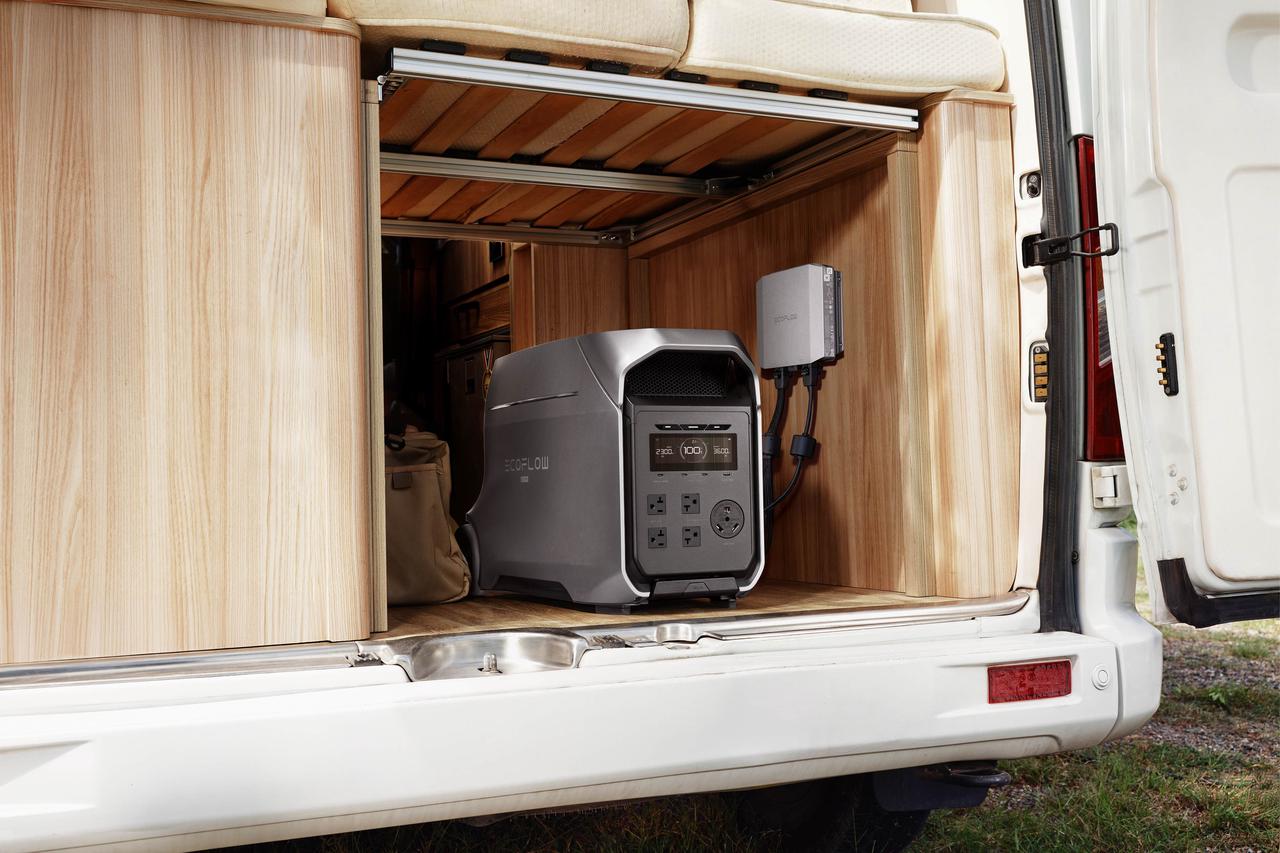
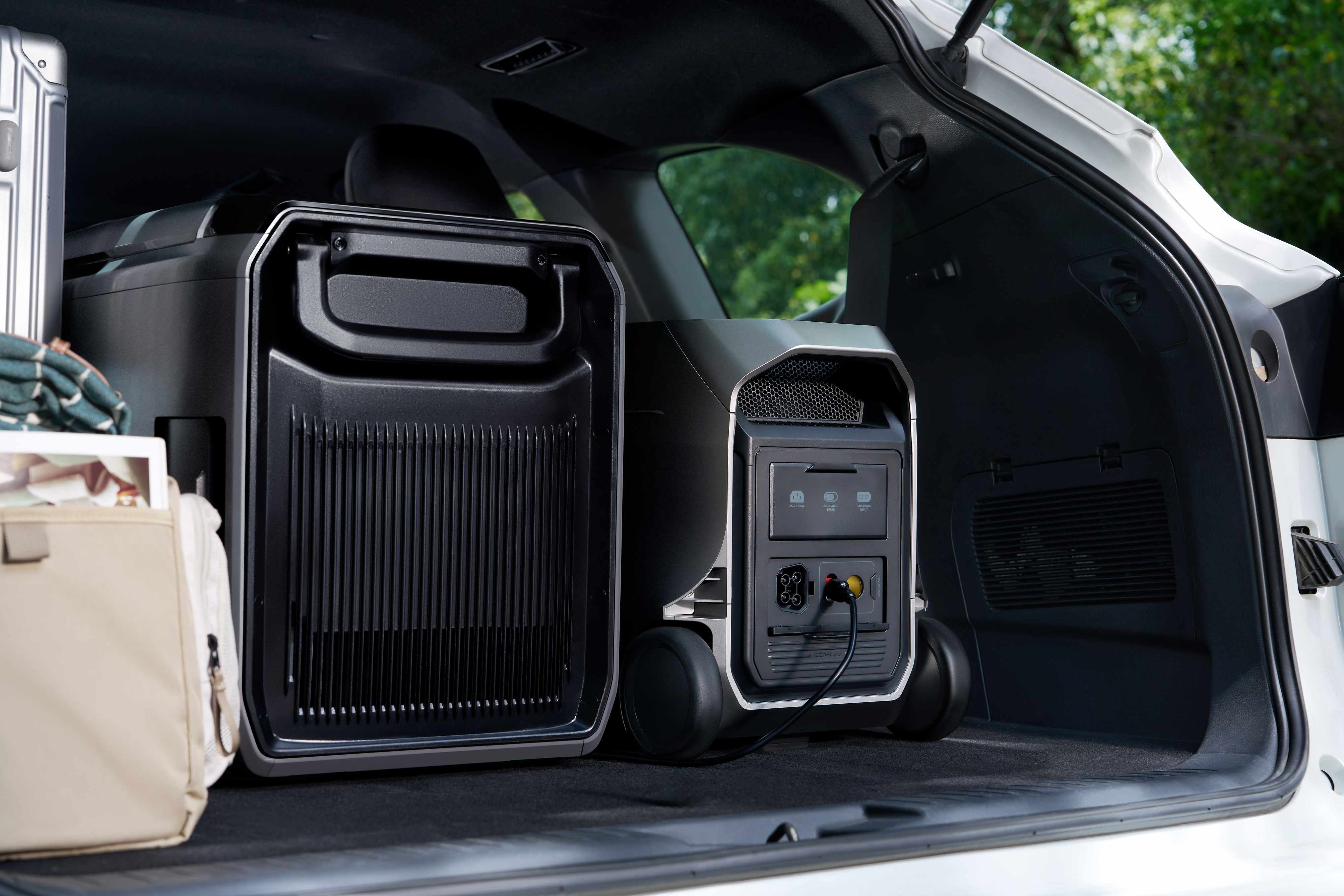
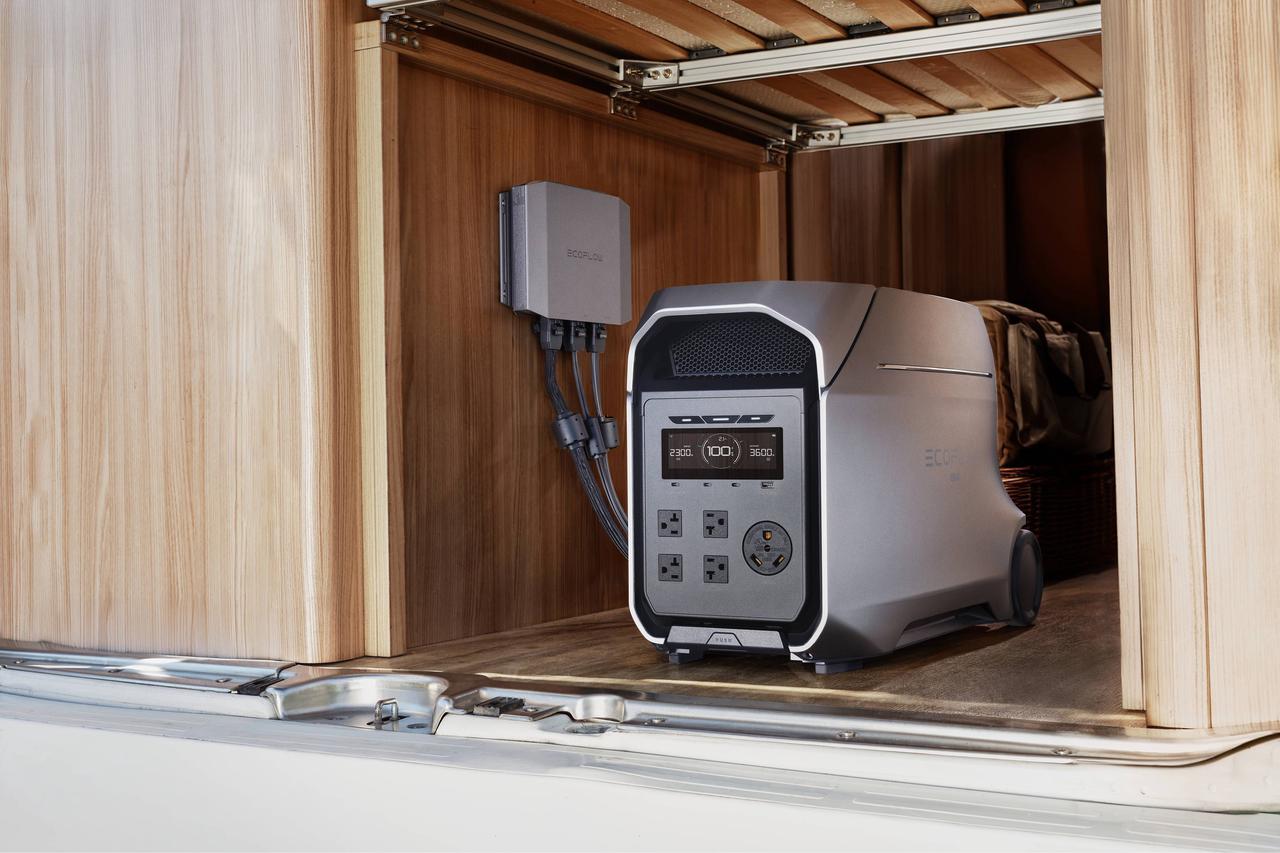
Modern power has changed the way people experience the outdoors. In a frontcountry setting, a high-capacity device like the DELTA 3 Ultra Plus acts as a portable wall outlet. This allows families to run devices that make the trip more enjoyable. For example, you can power a portable refrigerator to keep food fresh for days or run medical equipment.
Risk Management, Navigation, and Environmental Ethics
Safety requirements change drastically as you move away from managed areas. In a frontcountry loop, trails are often well-marked and help is nearby. However, in the backcountry, you must be your own first responder. This requires a solid understanding of navigation using a map and compass. Carrying a navigation tool and a means of communication is essential for wilderness safety.
There is also a shift in ethics. In managed parks, waste is handled through provided bins. As you move into remote areas, you must follow Leave No Trace principles. This means packing out every piece of trash, including food scraps. Understanding how to dispose of waste properly is a mandatory skill for the backcountry. Choosing a style also means choosing the level of responsibility you are willing to take for the land.
Scenarios and Personas: Identifying Your Style Right Now
Sometimes the best way to choose a camping style is to look at who you are traveling with. Different goals require different types of setups to be successful.
The Family First Basecamp
For those traveling with young children, staying in managed areas is almost always the best choice. Logistics are simpler when you can pack a large cooler of fresh food and have a bathroom within a short walk. The safety of a managed park allows parents to relax while kids explore. Short walk-in sites are also a great option for families who want more quiet but still need to be within reach of the car for quick diaper changes or forgotten toys.
The Off-Grid Hobbyist and Digital Nomad
Some people go into the woods to pursue hobbies like photography or drone piloting. For this persona, a frontcountry basecamp is essential because of the sheer amount of gear involved. Carrying multiple lenses, heavy tripods, and laptops into the deep woods is physically exhausting and risky for the equipment.
A high-output hub like the DELTA 3 Ultra Plus is a useful tool here. It allows you to charge camera batteries and laptops simultaneously without needing to start your car engine. This setup provides the freedom to stay in the woods for a week while staying productive. It bridges the gap between the modern world and the natural one, allowing you to bring your passion into the wild.
The Solitude Seeker and Wilderness Purist
The wilderness purist views the physical effort of the trail as a necessary part of the experience. For these campers, the goal is to get as far away from humanity as possible. They are willing to sleep on a thin pad and eat dehydrated meals to have a mountain lake all to themselves. This persona thrives on the mental reset that comes from total silence. For them, frontcountry vs backcountry camping is an easy choice: the further the walk, the better the view.
Gear Strategies: Maximizing Comfort Versus Minimizing Weight
Your packing list will look completely different depending on whether you are parking at your site or carrying your gear. Weight is the primary factor that dictates what you can bring.
Frontcountry Gear: Packing for Comfort and Compliance
When weight is not an issue, you can focus on comfort. Gear for managed sites includes large tents you can stand up in, heavy cast iron skillets, and robust lighting systems. You can bring a thick air mattress and real pillows from home. Because you are in a shared environment, you also have to think about your neighbors and local rules.
One major consideration is noise. Many parks have strict rules about when you can run a gas generator because the noise can ruin the experience for others. A high-capacity portable power station is a quieter and more practical alternative because it offers silent operation. Most quality units run in a range of 20 to 30 decibels, which is quieter than a whisper. This allows you to stay powered through the night while respecting park noise bylaws. For a quiet solution, you can go to DELTA 3 Ultra Plus to upgrade your next trip.
Backcountry Gear: The Art of Minimalism
In remote areas, every ounce matters. This is the world of gram-counting, where hikers might even cut the handle off their toothbrush to save weight. Equipment for these trips is designed to be as light as possible. This includes ultralight tents made of thin fabrics, titanium stoves that fit in the palm of your hand, and down sleeping bags that compress to the size of a water bottle.
Instead of fresh food, you will carry calorie-dense dehydrated meals. You will swap heavy jugs of water for a small, portable filtration system. The strategy here is to only bring what is absolutely necessary for safety. While you sacrifice the luxuries of the frontcountry, you gain the ability to travel much further and see places that very few people ever visit.
The Path of Progression: From Basecamp to Wilderness
Very few people jump straight into a week-long wilderness trek without prior experience. Most successful outdoorsmen follow a logical path to build their skills safely.
The first step is to master frontcountry camping. This is the time to learn how to pitch your tent and cook outdoors. By starting in a managed park with reliable power, you can build outdoor skills without high stakes. Having a solid power source at your basecamp can help build confidence by ensuring your phone is always charged for emergencies.
Once you are comfortable, move to the sidecountry tester phase. Book a walk-in site that is a short distance from the car to practice a more minimalist lifestyle. This helps you identify which items you can live without and gives you a taste of solitude found in remote areas.
The final phase is a true backcountry overnight trip. Before you head out, ensure you are in good physical condition and have practiced with your navigation tools. Your first trip should be a well-known route not too far from the trailhead. Once you have solidified your navigation, first aid, and physical fitness, you can begin to plan longer expeditions into the deep wild.
Choose Your Ideal Canadian Camping Style
Choosing between a frontcountry basecamp and a backcountry trek is a personal decision based on your needs for comfort or challenge. Frontcountry offers a supported gateway for families and groups. The backcountry provides a deep path to self-reliance and solitude. There is no right or wrong way to explore. The ultimate goal is to disconnect from the daily routine and reconnect with the natural world. Start where you feel most comfortable and build your skills at your own pace. Each environment offers unique rewards for those willing to step outside.
FAQs
Q1: What Is the Difference Between Frontcountry and Backcountry Camping?
The primary difference is accessibility. Frontcountry sites are reachable by car and offer amenities like bathrooms. Remote sites require human-powered travel to reach and offer no facilities, requiring campers to be self-sufficient.
Q2: Is Car Camping Considered Frontcountry?
Yes, car camping is the primary form of frontcountry camping. If you can drive your vehicle directly to your campsite, you are in the frontcountry. This style is accessible and popular for beginners.
Q3: Is Backcountry Camping More Difficult?
It is more physically and mentally demanding. You must carry heavy loads over uneven terrain and have the skills to filter water and navigate without a clear path. However, many find the challenge to be the most rewarding part.
Q4: Which Camping Style Is Best for Beginners?
Frontcountry camping is the best starting point. The presence of park staff and basic amenities provides a safe environment to learn skills. It allows you to focus on the fun of the experience without the high stakes of wilderness survival.
Usage Boundaries and Disclaimer:
This guide is for informational purposes only. Backcountry travel involves inherent risks, including extreme weather and wildlife encounters. Always consult official park safety guidelines and your physician before using portable power for medical devices. This content contains links to manufacturer products.