World Cup 2026 Stadiums Guide: Where Tailgating Is Allowed and What to Bring
- What Are the World Cup 2026 Stadiums?
- Which World Cup 2026 Stadiums Allow Tailgating?
- What Should You Bring to a World Cup 2026 Stadium Tailgate?
- What Tailgating Food Ideas Work Best Near World Cup Stadiums?
- How Should You Plan Around Parking, Heat, and Stadium Rules?
- Make Your World Cup 2026 Stadium Tailgate More Comfortable
- FAQs
The 2026 tournament will turn stadium days into full-day plans for many U.S. fans. Tickets matter, yet parking rules, heat, food safety, phone battery, and tailgating access can shape the experience just as much. Use this World Cup 2026 stadiums plan to map out parking, tailgating, food, and power before match day.
What Are the World Cup 2026 Stadiums?
A good stadium plan begins with the full host map. The 2026 tournament runs from June 11 to July 19 and includes 48 teams, 104 matches, and 16 stadiums across the United States, Canada, and Mexico. For U.S. fans planning road trips or multi-city match days, the biggest differences will come from climate, parking supply, public transit, and venue-specific entry rules.
Country | Host Area | Tournament Stadium Name |
|---|---|---|
United States | Atlanta | Atlanta Stadium |
United States | Boston | Boston Stadium |
United States | Dallas | Dallas Stadium |
United States | Houston | Houston Stadium |
United States | Kansas City | Kansas City Stadium |
United States | Los Angeles | Los Angeles Stadium |
United States | Miami | Miami Stadium |
United States | New York/New Jersey | New York New Jersey Stadium |
United States | Philadelphia | Philadelphia Stadium |
United States | San Francisco Bay Area | San Francisco Bay Area Stadium |
United States | Seattle | Seattle Stadium |
Canada | Toronto | Toronto Stadium |
Canada | Vancouver | Vancouver Stadium |
Mexico | Guadalajara | Guadalajara Stadium |
Mexico | Mexico City | Mexico City Stadium |
Mexico | Monterrey | Monterrey Stadium |
Note: Some stadiums may appear under official event names during the tournament, while maps and parking pages may still use the usual venue names. Check the host area and stadium address before buying parking or planning transit.
Where Is the 2026 World Cup Final Stadium?
The 2026 World Cup final stadium is New York New Jersey Stadium in East Rutherford, New Jersey. The final is scheduled for Sunday, July 19, 2026, as the last match of the 104-game tournament.
For the final, plan around heavy traffic, controlled parking, and transit options. Traditional stadium-lot tailgating is not a safe assumption for New York/New Jersey, so fans should check official match-day parking instructions, fan-zone options, and train or shuttle plans before booking hotels or choosing a meeting spot.
Which World Cup 2026 Stadiums Allow Tailgating?
Tailgating is where many fans need the clearest answer. The safest current reading is simple: Boston and Philadelphia are the strongest confirmed options for traditional ticketed tailgating, while several other U.S. stadiums need final match-day rules before fans build a full parking-lot plan. Boston and Philadelphia access is for match ticket holders, and fans should also have official parking access for the specific match day.
Current Planning Status | Stadiums | Practical Meaning for Fans |
|---|---|---|
Best current options for ticketed tailgating | Boston Stadium, Philadelphia Stadium | Bring a match ticket and official parking access. Do not assume ticketless friends can enter the lots for the party. |
Poor fit for a classic stadium-lot tailgate | New York New Jersey Stadium, Seattle Stadium | Build plans around transit, nearby restaurants, fan areas, or off-site meetups. |
Wait for final match-day rules | Dallas, Houston, Miami, Los Angeles, San Francisco Bay Area, Atlanta, Kansas City | Regular football or concert rules may change for World Cup match days. Read the event-specific parking policy before buying supplies. |
A venue can allow tailgating and still set tight limits. Expect rules around lot opening times, alcohol, tents, grills, open flames, sound systems, oversized vehicles, drones, and cleanup. The cleanest plan is compact: one parking space, food that packs fast, no glass, no oversized setup, and a group that can walk to security without a long teardown.
What Should You Bring to a World Cup 2026 Stadium Tailgate?
A useful packing list solves real match-day problems: hot weather, long waits, food storage, battery drain, and entry checks. Keep parking-lot supplies in the car and pack stadium-entry items separately. Stadium entry allows only certain clear bags made from plastic, vinyl, or PVC, so coolers, chairs, cooking gear, and most tailgate equipment should stay outside the gates.
Useful World Cup 2026 stadiums tailgate gear includes:
Match ticket, parking pass, ID, payment card, and a clear stadium bag
Sunscreen, sunglasses, hats, breathable clothing, and a small first-aid kit
Folding chairs, a compact table, trash bags, wet wipes, and paper towels
Cooler with ice packs, plus a separate drink cooler to protect perishable food
Reusable water bottles, subject to the event policy for your stadium
Portable grill only in lots that clearly allow grilling
Phone cables, small lights, a fan, and a portable power station
Food thermometer, serving utensils, hand sanitizer, and extra napkins
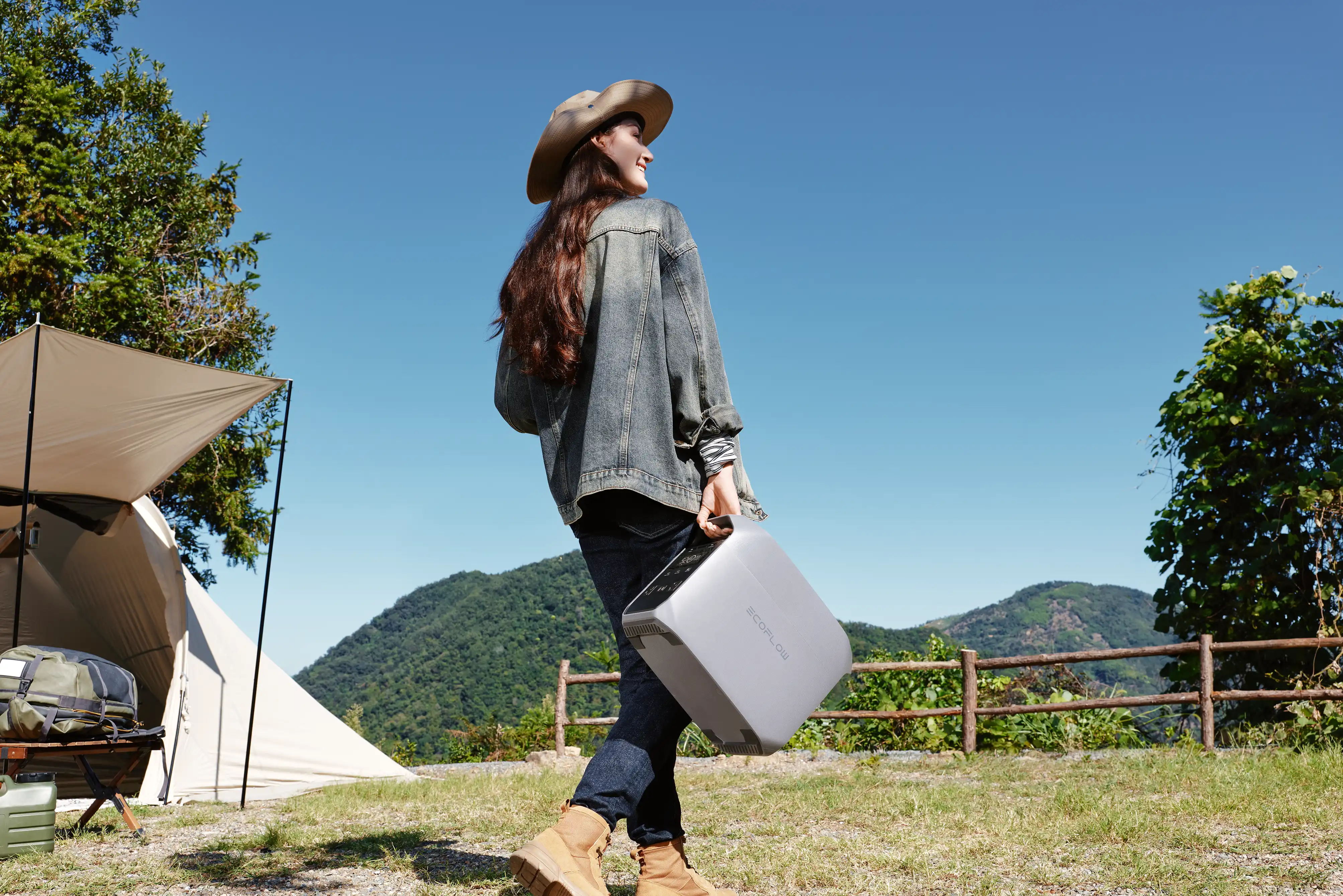
Portable power fits naturally into this list because a long soccer day can drain phones, speakers, lights, fans, hotspots, and powered coolers. Running accessories from the vehicle for hours can create battery trouble at the worst time. For groups that want a stronger setup than a pocket-size charger, the EcoFlow DELTA 3 Classic Portable Power Station (1024Wh) offers 1024Wh of capacity and 1800W AC output, making it a practical option for phones, lights, speakers, a fan, or a small powered cooler during a long afternoon. Its LFP battery chemistry and portable design also fit outdoor use where quiet backup power matters. Check the stadium’s battery and generator policy before loading power gear.
What Tailgating Food Ideas Work Best Near World Cup Stadiums?
Food should be easy to serve, easy to hold, and safe in summer weather. World Cup crowds move on a tighter timeline than a relaxed backyard cookout, so the best menu lets people eat quickly, clean up fast, and head toward the gates without a cooler full of leftovers.
For a balanced tailgate menu, choose from a few simple categories:
Quick grill foods: hot dogs, sliders, chicken skewers, veggie skewers, corn, and foil-pack potatoes
Make-ahead meals: wraps, pasta salad with oil-based dressing, grain bowls, fruit cups, and pulled chicken sandwiches
Match-day global flavors: tacos, empanadas, Mediterranean pita boxes, Korean-style skewers, and rice bowls
Low-mess snacks: chips and salsa, pretzels, trail mix, cookies, nuts, and granola bars
Hydration picks: bottled water, electrolyte drinks, iced tea, lemonade, and sparkling water
Food safety deserves real attention in June and July. Perishable food should stay in a cooler or be eaten within two hours after coming off the grill. When outdoor temperatures rise above 90°F, that safe window drops to one hour. Keep raw meat away from ready-to-eat food, use clean plates for cooked items, and bring a thermometer for burgers, chicken, and sausages.
How Should You Plan Around Parking, Heat, and Stadium Rules?
The strongest World Cup 2026 stadiums plan is built before the car leaves the driveway. Parking lots may open only a few hours before kickoff, some passes may apply to one match only, and venue rules can change for a global event with higher security needs. Do not rely on old football habits unless the match-day policy clearly allows them.
Use a simple pre-game checklist:
Confirm parking access. Match tickets and parking passes may be checked separately, especially where tailgating is controlled.
Check the lot hours. A four-hour window feels very different from an all-day football tailgate.
Review alcohol and grill rules. Local laws and venue policy can limit drinks, open flames, charcoal, propane, and glass containers.
Pack for the weather. Miami, Houston, Atlanta, Dallas, and Kansas City can bring serious heat. Boston, Philadelphia, and New Jersey can still feel humid with long walks.
Assign cleanup duty. Bring bags for trash and recycling, then leave the parking space clean.
A small group chat can prevent confusion. Share the parking entrance, meetup time, menu, allowed items, and backup plan for rain or a delayed arrival. The person with the parking pass should arrive early, because late arrivals may have trouble joining the same lot.
Make Your World Cup 2026 Stadium Tailgate More Comfortable
A better World Cup 2026 stadiums tailgate comes from preparation, not a bigger setup. Confirm the rules, keep food safe, protect the group from heat, separate stadium-entry items from parking-lot gear, and bring quiet power for the devices people rely on all day. With the right plan and an EcoFlow DELTA 3 Classic Portable Power Station sized to your group, match day can feel easier from the first parking-lot meal to the ride home.
FAQs
Q1. Are World Cup 2026 Tickets Mobile Only?
Yes. Fans should plan for mobile ticketing and make sure every ticket is accessible before leaving for the stadium. Charge your phone fully, download any required app in advance, and avoid relying on weak parking-lot signal. If your group uses separate tickets, transfer them early so one delayed person does not hold up entry.
Q2. Do Kids Need Their Own Tickets For World Cup 2026 Stadiums?
Yes, plan for each child to have a valid ticket unless your specific ticket terms clearly say otherwise. Families should also prepare child-friendly hearing protection, sun protection, snacks for the parking area, and a clear-bag setup for essentials. Strollers may face entry restrictions, so check your stadium’s allowed-items list before match day.
Q3. Is Rideshare Easier Than Parking at World Cup 2026 Stadiums?
Sometimes. Rideshare can reduce parking stress, especially near dense stadium areas, but surge pricing, road closures, and long pickup walks can make the return trip harder. For evening matches, choose a pickup point away from the main exit crowd. Groups carrying tailgate gear usually need parking, while light-pack fans may prefer transit or rideshare.
Q4. Should I Use Fan Zones If Tailgating Is Not Allowed?
Yes. Fan zones can be a better choice when stadium-lot tailgating is limited, crowded, or expensive. They usually offer a more flexible way to gather before or after matches without managing grills, coolers, or parking cleanup. They are also useful for mixed groups where some people have match tickets and others only want the atmosphere.
Q5. What Should I Do If My Phone Dies Before Entering the Stadium?
Use another group member’s phone to access transferred tickets only if the tickets were shared before arrival. Screenshots may not work for many mobile ticketing systems, so do not rely on them. Bring a charged power bank or portable power station for the parking area, lower screen brightness, and save parking details offline before leaving home.
Disclaimer: This article is for informational purposes only and does not constitute professional travel, legal, public safety, event security, food safety, or electrical-safety advice. World Cup 2026 stadium, parking, tailgating, bag, alcohol, grill, transit, and permitted-item rules may change by venue and match day. Always follow the latest instructions from your ticket provider, host city, stadium, and local authorities before traveling. For official or authoritative information, please refer to the FIFA World Cup 2026 Match Schedule, Fixtures & Stadiums, FIFA World Cup 2026 Fan Safety & Support, New York New Jersey to Host World Cup 2026 Final, Boston and Philadelphia World Cup Tailgating Update, and Tailgating Food Safety Q&A.
For press requests or interview opportunities, reach out to our media team
media.na@ecoflow.com