How Wireless Charging Can Help Cut Down E-Waste
Most of us have one: a drawer, box, or bag filled with a tangled mess of old chargers. It's a bunch of proprietary plugs, USB cables that are broken, and power bricks that don't work. This "charger clutter" seems like a small bothersome issue, but it's actually the obvious tip of a huge environmental issue. Every year, 11,000 to 13,000 tons of trash are made in the European Union when chargers for portable devices are thrown away. That number goes up to over 35,000 tonnes when laptops are added.
As a practical option, wireless charging was made available. It offered a clean, simple future where all of our devices would be powered by one pad, getting rid of all that mess. But the technology's initial rollout was complicated. This is the story of how wireless charging went from being a flawed convenience to a strong tool that can really help us get rid of more electronic waste.
What Is Electronic Waste?
In simple terms, electronic waste (or WEEE) is any discarded product that has a plug or a battery. It's the fastest-growing domestic waste stream on the planet. In 2022, a record 62 million tonnes of e-waste was generated globally. This generation of waste is rising five times faster than documented e-waste recycling.
A Massive Recycling Gap: Of those 62 million tonnes, less than 22.3% was properly collected and recycled. The rest is often dumped or improperly handled.
A Toxic Problem: A discarded charging cable or power bank isn't harmless. These items are classified as hazardous waste. They contain toxic materials like lead, mercury, and cadmium.
Environmental Hazard: When this e-waste ends up in a landfill, those hazardous components can leach into the soil and water, posing serious risks to human and environmental health.
This is why finding ways to reduce the creation of e-waste, not just recycling it, is so important.
The Original Promise of Wireless Charging
The initial case for wireless charging as an environmental solution was built on two logical and powerful arguments. This technology was designed to solve the two biggest problems with cables: they break, and they're not interchangeable.
Solving the Port Problem
The most common reason a phone's life ends prematurely isn't always a slow processor; it's physical failure. The charging port on your device and the connector on your charging cable are subjected to mechanical stress every single day.
Ports get loose, pins break, and cables fray. A broken cable is a small piece of e-waste. A phone with a broken port, however, often becomes a very large, expensive, and resource-intensive piece of e-waste, discarded simply because it can no longer be charged. Wireless charging eliminates this failure point entirely, helping a device last longer.
A Universal Standard
For decades, consumers were plagued by proprietary plugs. A phone from one brand couldn't use the same charger as another. This fragmentation created a mountain of obsolete adapters.
The wireless charging industry solved this problem with the Qi standard. Major competitors (like Apple, Google, and Samsung) all adopted this single universal standard. This meant one Qi pad could charge your phone, your earbuds, and your smartwatch, regardless of the brand.
The original promise was clear: wireless charging could lead to longer-lasting devices and fewer chargers in landfills.
The Hidden Flaws of Early Wireless Charging
The initial promise soon ran into a harsh reality. First-generation wireless charging was convenient, but it introduced a new set of environmental problems that, in many cases, made the e-waste situation worse. This new technology solved one problem by creating three new ones.
Wasting Energy
Early Qi chargers were notoriously inefficient. On average, they were only about 60-70% efficient, meaning 30-40% of the electricity pulled from the wall was lost. This wasted energy was released as heat and meant charging your phone wirelessly had a significantly higher carbon footprint than using a cable.
The Battery-Killer Problem
That waste heat turned out to be the technology's fatal flaw. Heat is the number one enemy of a lithium-ion battery.
A 2022 study found that even a small 5–10°C temperature increase during charging can accelerate a battery's degradation by up to 25%. This created a vicious cycle: a user would accidentally misalign their phone on the pad, this poor alignment would cause inefficiency, the inefficiency would create heat, and the heat would slowly destroy the battery.
It was a terrible irony. The technology that saved the device's charging port was killing its battery, forcing users to replace their entire phones sooner, which is the most critical form of e-waste.
The Pad Is Also Waste
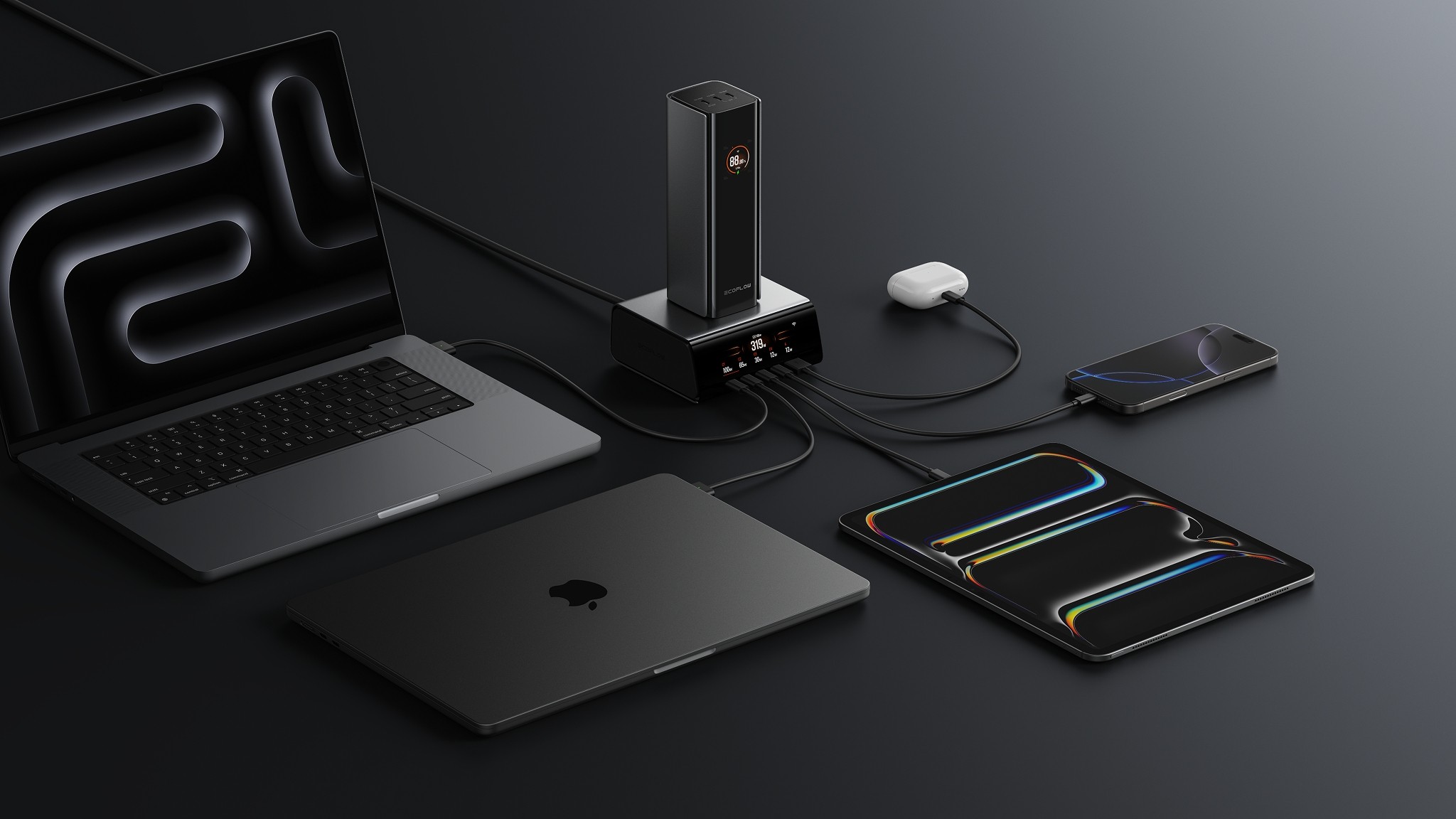
Finally, the charging pad itself is a new piece of electronic waste. These pads are complex devices made of plastics, copper coils, and circuit boards. Unless designed to last for decades, they simply add a new item to the global e-waste mountain.
Early wireless charging presented a bad trade-off: it reduced cable waste but at the cost of energy waste and shortened battery life.
How Qi2 Fixed Wireless Charging for Good
For years, the environmental case for wireless charging was weak. Then, in 2023, the technology fixed its own biggest flaw.
The Wireless Power Consortium (WPC), the group that manages the standard, identified that misalignment was the root cause of both inefficiency and heat. Their solution was Qi2 (pronounced "Chee Two").
| Feature | Qi (First Generation) | Qi2 (with Magnetic Power Profile) |
| Alignment | Manual (user must place it perfectly) | Automatic (magnets force perfect alignment) |
| Efficiency | Lower (prone to energy loss from misalignment) | Higher (perfect alignment minimizes energy loss) |
| Heat | High (wasted energy becomes heat) | Low (less wasted energy means less heat) |
| Battery Impact | Negative (heat accelerates degradation) | Positive (cooler charge protects battery health) |
The Qi2 standard adds the Magnetic Power Profile (MPP), which uses a ring of magnets to help the phone snap into a good charging position. This better alignment usually improves energy transfer efficiency and cuts down on wasted power that would otherwise turn into extra heat. Since excess heat is one of the things that can stress a battery over time, a cooler and more efficient wireless charge can be kinder to battery health and may help the phone last longer overall. That said, battery lifespan still depends on many factors, like charging power, temperature, and everyday usage habits, not just whether the charger uses Qi2.
By fixing the alignment issue, Qi2 has finally kept the promise it made in the beginning. The WPC can now say with confidence that the technology saves both the charging cord and the device's battery, which means less trash in landfills.
A Practical Plan for Sustainable Charging
Technology alone isn't the complete answer. Reducing e-waste requires a partnership between responsible companies and conscious consumers. Here is a practical, actionable plan to make your charging habits more sustainable.
Smart Habits for Consumers
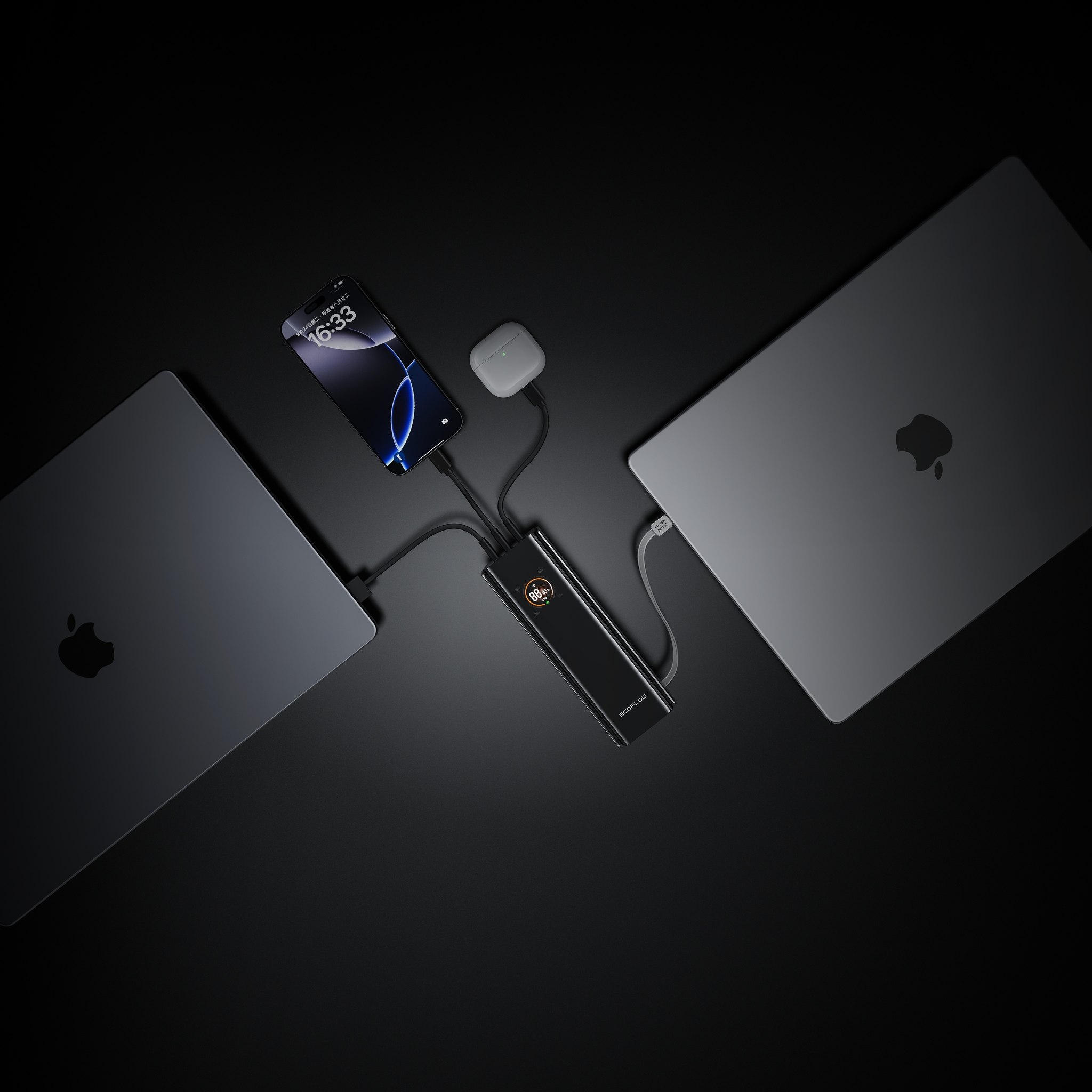
Buy Smart: Always purchase chargers that are "Qi-Certified". This ensures they've passed safety and efficiency tests. When upgrading, look for the official Qi2 logo to get the battery-protecting benefits of magnetic alignment. Avoid uncertified, cheap chargers, which can be a fire risk and damage your battery. Choose Qi2-certified gear like EcoFlow RAPID Mag Wireless Charging Station (3-in-1 Foldable). It features fast, safe charging with ambient‑adaptive mode and nonstop thermal monitoring, strong magnetic alignment, and a compact, travel‑ready design for Apple devices, cutting clutter while protecting battery health.
Charge Smart: Heat is the enemy. Charge your phone in a cool, ventilated area (not on a soft couch or in a hot car). If you use a very thick case, remove it before charging, as it can trap heat. To maximize battery lifespan, try to keep its charge level between 20% and 80% rather than letting it die or sit at 100% for hours.
Dispose Smart: Proper e-waste disposal is critical. Never throw an old charging cable or pad in the regular trash. Use a certified e-waste recycling program. These services ensure hazardous materials are handled safely and valuable metals are recovered.
Smart Design from Industry
Consumers shouldn't bear the whole burden, as the "pad-as-waste" problem is often a design choice. Some companies are adopting a "circular design" model. For example, the UK-based Gomi studio makes its chargers from 100% recycled plastics, using materials like bubble wrap that are typically considered "non-recyclable". Their chargers are also assembled with screws instead of glue, which makes them easier to repair. This focus on repairability, backed by a "repairs for life" policy, demonstrates a way to create products that last
Start Your Smart E-Waste Disposal and Charging Habits
Wireless charging has come a long way. It has grown from a flawed convenience to a mature, useful technology that really helps lower e-waste when used properly. Its main flaw was fixed by the new Qi2 standard, which now protects our batteries instead of hurting them.
Now, this technology is being used on a larger scale to deal with even bigger environmental problems. But we all have to work together for it to work. Act now to get the EcoFlow RAPID Mag Wireless Charging Station (3-in-1 Foldable) for fast, cool, foldable charging!
FAQs
Q1: Is wireless charging less efficient than wired charging?
Yes, wired charging is still the best way because power is passed directly. During the inductive transfer, wireless charging naturally loses some power to heat. But new standards like Qi2 have made things a lot more efficient by using magnets to make sure everything is lined up perfectly. This closes the gap between newer wireless chargers and older ones by reducing energy loss and heat.
Q2: What materials in chargers make them dangerous electronic waste?
Chargers and cables are dangerous electronic trash because they contain heavy metals like lead, mercury, and cadmium in their parts. Putting these dangerous chemicals in a landfill can make the air and soil dirty. They also have valuable, non-renewable materials in them that should be recovered, like copper, metal, steel, and different kinds of plastics.
Q3: Can any phone be charged with a Qi charger?
You can only charge devices that are made to work with Qi on a Qi pad. If you put an old Qi phone on a new Qi2 pad, it will still charge because the new standard is backward-compatible. If you want to get the most out of Qi2, like better efficiency and magnetic alignment, both the charging pad and the gadget must be Qi2-certified.
For press requests or interview opportunities, reach out to our media team
media.na@ecoflow.com