Wired vs. Wireless Charging: Which is Actually Better?
As mobile technology innovation continues to evolve, the question of wired vs. wireless charging arises time and time again. We rely on our gadgets now more than ever before, whether it’s phones, laptops, smartwatches, or headphones; we’re constantly trying to keep all our essential devices powered up. Wireless charging offers more convenience and flexibility, but does it come with a catch?
In this blog, we’re exploring the differences between wired and wireless charging, including how they work, their pros and cons, and which one will best suit your lifestyle.
What Are Wired Charging and Wireless Charging?
How Wired Charging Works
Traditional wired charging is the tried-and-true method for supplying reliable power to your devices. You simply charge with a USB-C, Lightning Cable, or Micro USB to get a direct connection of stable energy to your electronic devices. The rate of transfer with wired is generally faster and more efficient compared to wireless.
How Wireless Charging Works
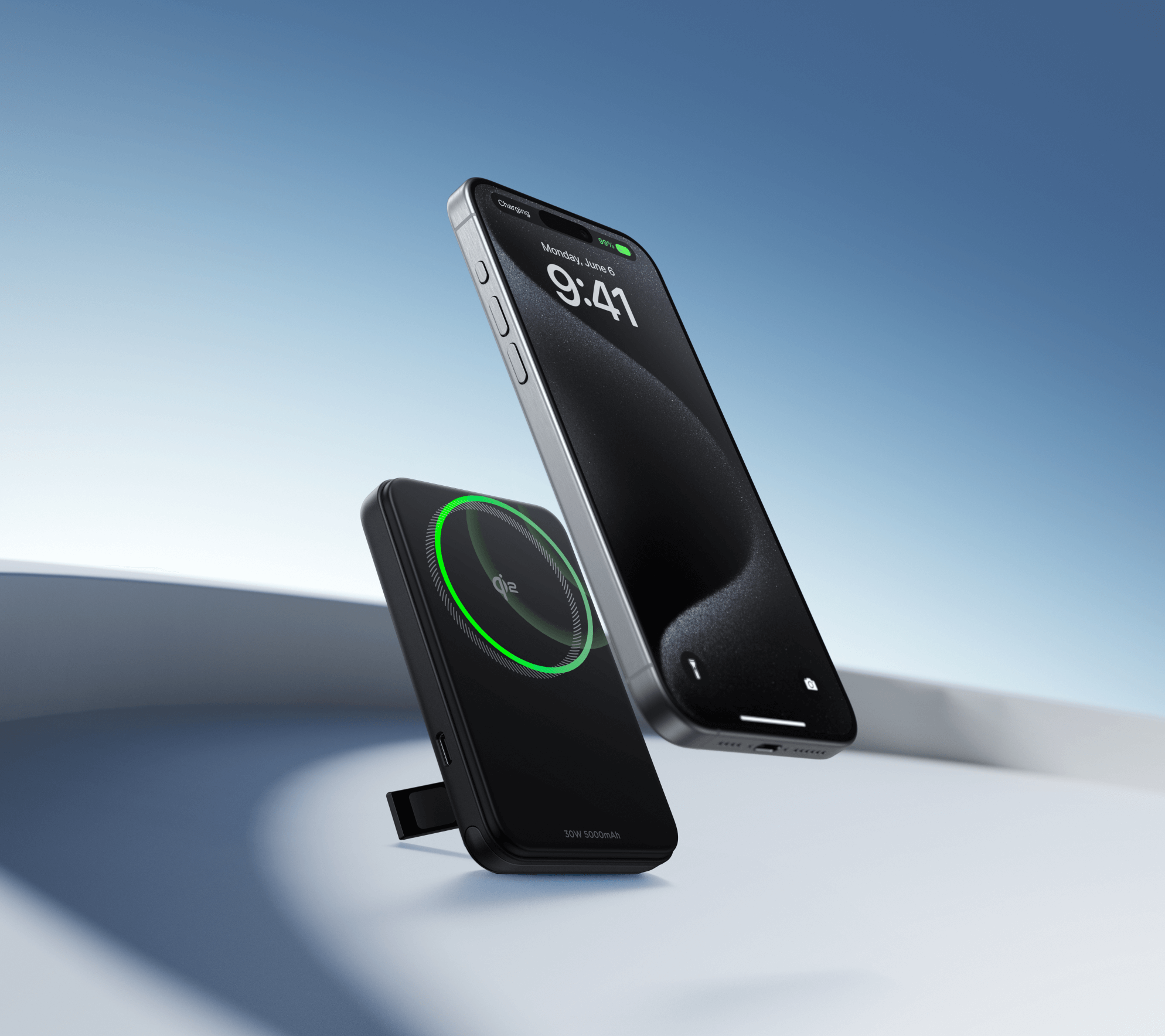
Also known as inductive wireless charging, it’s the transfer of power via electromagnetic fields. Your wireless charger will have a transmitter coil through which the energy flows. Your device will also have a coil that receives the energy when it’s placed on the charging pad. While it’s much more convenient, thanks to its lack of messy wires and cables, it tends to be slightly less efficient than wired options.
What Are the Benefits of Wired vs. Wireless Charging?
Wired Charging
Faster speeds: Wired charging can supply 100W+ of power via a direct current, making it ideal for quickly topping up your battery when you’re in a hurry.
Reliability: You don’t need to worry about correctly aligning magnets for efficient charging; just plug in and go for stable, reliable power. If reliable power is important to you, EcoFlow has a full range of whole-home backup power solutions to keep your home powered even during outages.
Efficiency: Wired connections tend to be more energy-efficient compared to wireless, as they lose less power while charging, which helps preserve battery health.
Wireless Charging
Convenience: Wireless charging eliminates the need for multiple wires or adapters; simply place it on the charging pad to get some juice.
Less wear and tear: Regular charging cables often wear out due to excessive use and may require regular replacement. Wireless also eliminates wear and tear on the charging port, increasing device lifespan.
Aesthetically pleasing: Wireless has a sleek and minimalistic design, perfect for adding to your work-from-home setup or office desk for a clutter-free charging station.
Key Standards Compatibility and Device Support
Wired Charging Protocols and Connector Types
Wired charging can use multiple connector types to deliver power, including USB-C, Lightning, and Micro-USB. The Lightning cable was most common with Apple devices, but recent iPhone releases have switched over to the USB-C connector for wider compatibility across devices. USB Power Delivery (USB-PD) is the widely adopted fast-charging protocol that can deliver power from a few watts up to hundreds of watts.
Wireless Charging Standards: Qi, MagSafe, Qi2, and Compatibility
Qi is regarded as the universal standard for wireless charging, created by the Wireless Power Consortium (WPC). The issue with the “old” Qi was that it required the user to align the coil for efficient charging. That’s where Apple came in.
They introduced MagSafe charging to the world. By embedding magnets around the coil, it resolved a common issue seen in Qi, but the problem was that it was only compatible with Apple products. Since then, Qi2 has arrived. It took the best of Magsafe and made it the new universal standard for wireless charging that’s compatible across all Qi-enabled phones and accessories.
Speed, Efficiency, and Heat Comparison
Charging Speed
Many of the traditional wired charging cables now feature fast-charging capabilities, giving wired charging the upper hand in terms of speed. Fast-charging cables can give up to 100W+ power, but regular cables produce around the same amount of power as wireless Qi charging. This is what makes wired better for when you need a quick power surge, and wireless a great option for slow-and-steady charging.
Energy Efficiency and Heat Generation Differences
Wired charging is more efficient since the power travels directly from the power cable to the device. This physical connection means there’s very minimal power loss and less heat generation, keeping your phone cooler and protecting your device’s battery.
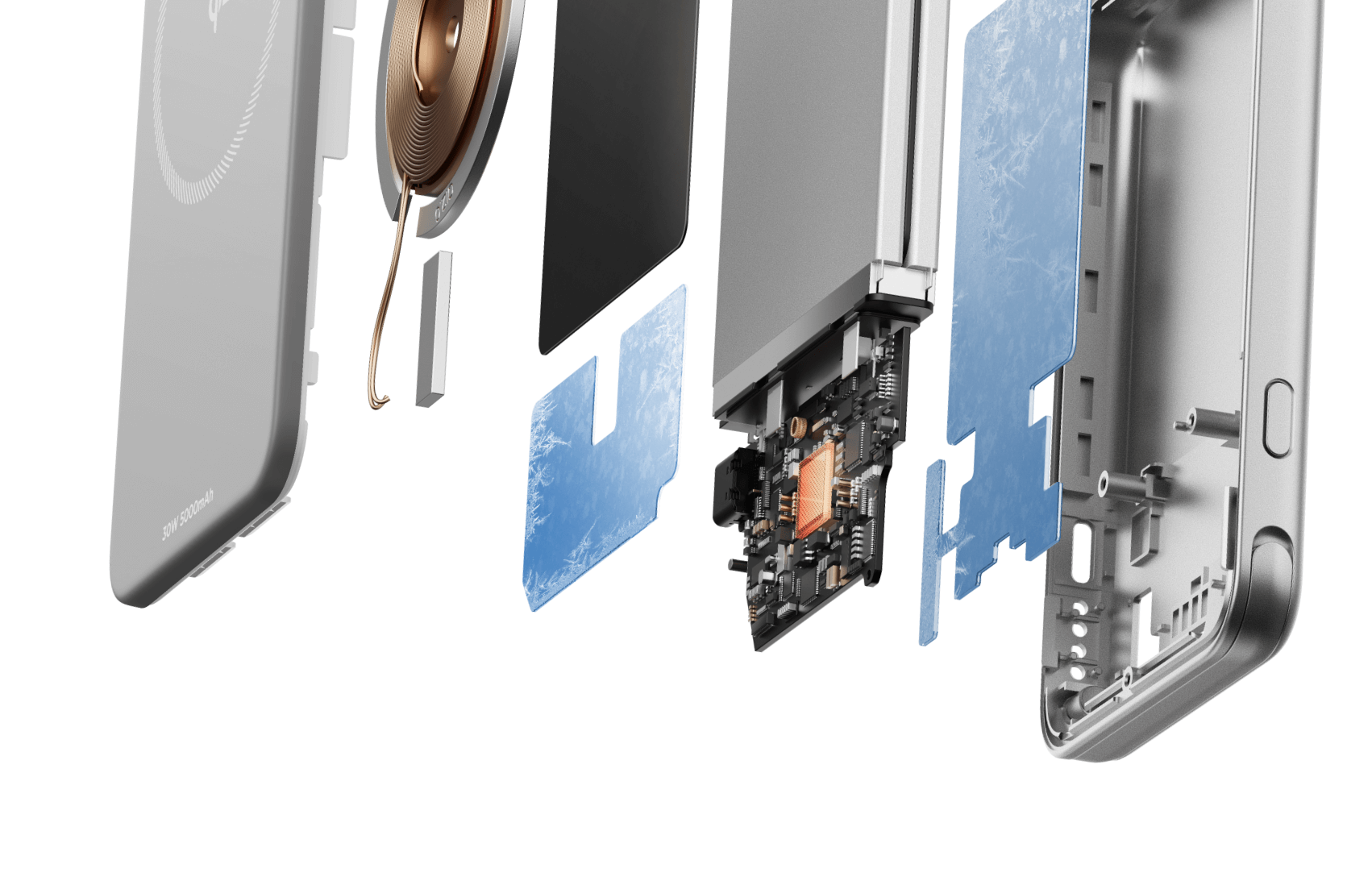
Wireless, on the other hand, suffers from more energy loss due to the electromagnetic fields. If the particular charger you use has poor-quality magnets, or you don’t keep the device aligned correctly, you can lose even more power. This energy loss can turn into heat. That’s why it’s crucial to use a reliable wireless charger or power bank that has built-in safety features such as cooling technologies to protect your device from overheating.
Frequently Asked Questions
Is Wireless Charging Slower Than Wired Charging?
Yes, in general, wireless charging is slower than wired. Even with Qi2.2 offering up to 25W of power, wired charging—especially those with fast-charging capabilities—can far exceed this, supplying up to 100W+.
Will Wireless Charging Damage My Battery More Than Wired?
No, wireless charging will not harm your battery any more than wired charging. However, ensure you use a reliable wireless charging device that has built-in safety features and temperature controls. This will help protect the longevity of your battery life.
Can I Use Wireless Charging if My Device Doesn’t Support It Natively?
Your device must have Qi compatibility to use wireless charging. If it doesn’t, you can use an external wireless receiver that plugs into your port. This adds the necessary charging coil to your phone to make it compatible with a wireless charging pad.
Which Charging Method Is Better for Travel or On-The-Go Use?
This depends on what you value the most. Wired is typically better for quick top-ups when you know you only have a short time window, whereas wireless is the more convenient option as you don’t need to carry extra cables or adapters while on the move.
Lifestyle Factors Guide Wired vs. Wireless Decisions
While there are pros and cons to wireless and wired charging, there’s no real “winner” here. Whichever one you choose will depend on a variety of factors, including how and when you’ll be using it, and whether you value convenience more than charging speeds. If you’re looking for quick top-ups, wired charging may work best. If you’re tired of carrying cables and adapters but still need consistent power, a wireless device like one of EcoFlow’s power banks can be a game-changer. Simply snap on and go for safe, reliable energy wherever you are.
For press requests or interview opportunities, reach out to our media team
media.na@ecoflow.com