Is a Car Refrigerator Worth It?
- What Is a Car Fridge?
- How Does a Car Fridge Work?
- Portable Car Fridge vs. Built-In Car Fridge: Which Is Better?
- What Are the Benefits of Using a Portable Car Fridge?
- What to Look for in a Portable Car Fridge
- Best Portable Car Fridges for Different Needs
- Is a Car Fridge Worth It?
- Ready to Upgrade Your Adventures?
- FAQs
Warm drinks after an hour on the road. Melted ice that turns your sandwiches into a soggy mess. Medicine that needs to stay cold but you're three hours from home. These problems add up fast during summer travels. A car fridge can fix all of this, but should you actually buy one? That depends on how you travel and what you need, so it helps to know what these devices can do.
What Is a Car Fridge?
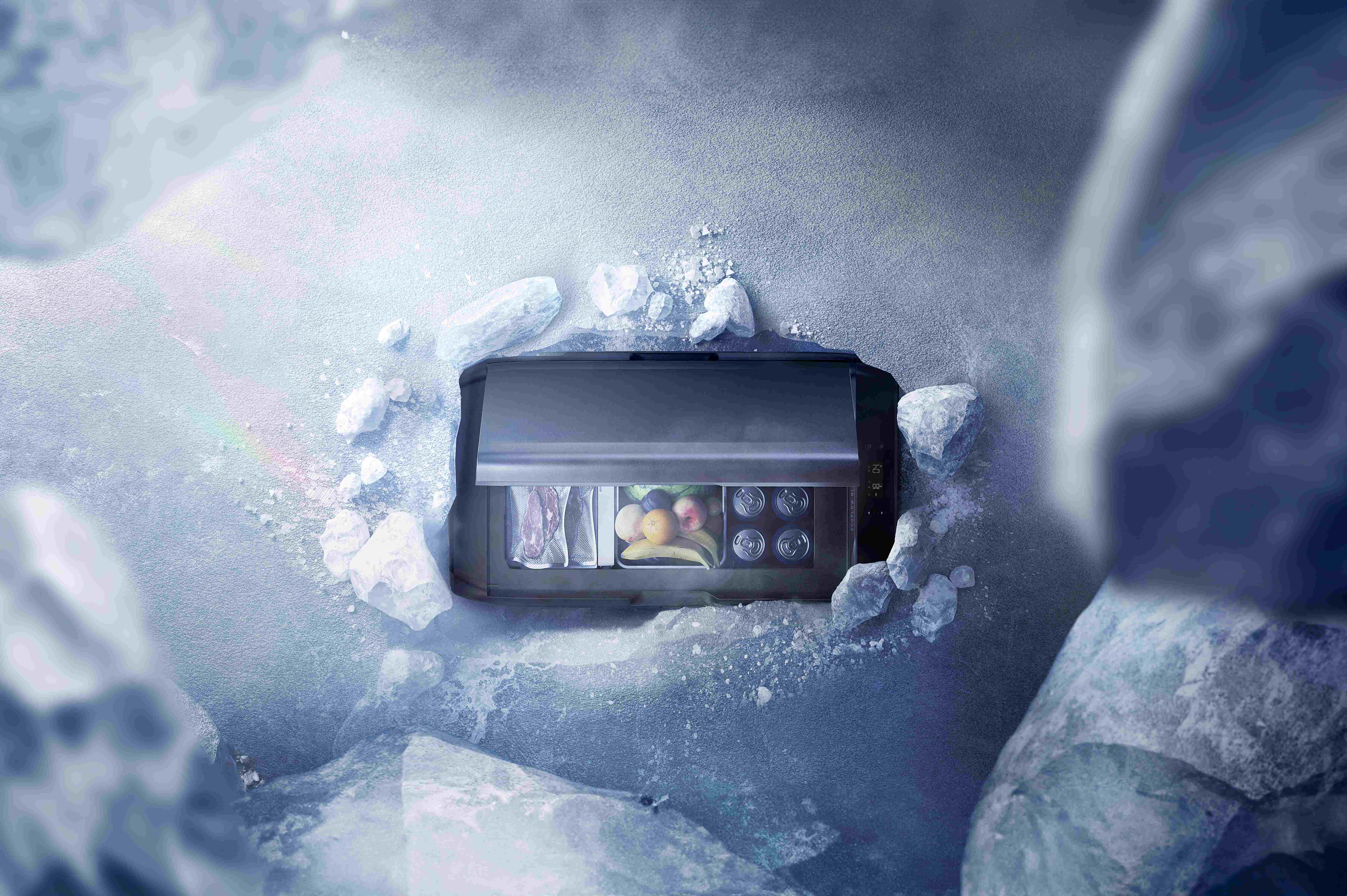
A car fridge is just a fridge you can use in your car. Usually, it's much smaller than your home fridge, but it's enough for some drinks and food you'll need while you travel in your car.
And usually you'll find two main types:
Built-in models come already installed in luxury cars and some electric vehicles.
Portable models are separate units you can move around.
How Does a Car Fridge Work?
Most car fridges plug into your vehicle's 12V or 24V outlet—that's the cigarette lighter port. They can keep things anywhere from well below freezing to just lightly chilled. The compressor inside actively cools the air, which is different from regular coolers that just slow down how fast things warm up.
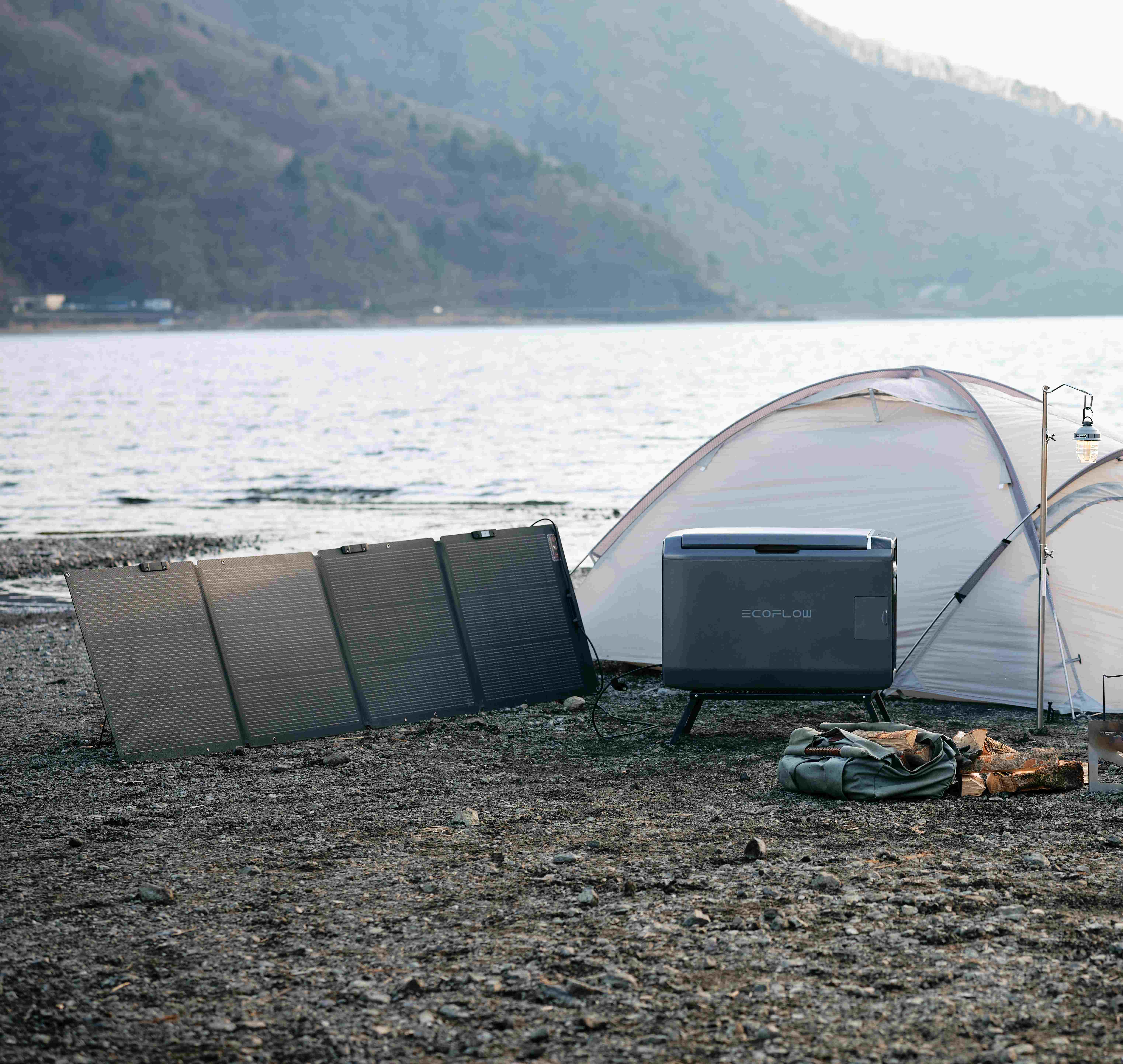
Modern portable fridges work with more than just your car outlet. Many come with batteries that let them run for 24-48 hours on their own. You can charge them with solar panels when you camp in remote areas. At home or in hotels, they plug into regular wall outlets. This means your fridge works while you drive, while you sit at a campsite, at tailgate parties, and pretty much anywhere else.
Portable Car Fridge vs. Built-In Car Fridge: Which Is Better?
Before you buy any car fridge, you might wonder if portable or built-in makes more sense. This choice affects your budget and how you can use it:
Feature | Portable Car Fridge | Built-In Car Fridge |
Setup | Just plug it in | Needs professional install or comes with the car |
Moving Between Vehicles | Use in any car, RV, or at home | Stuck in one vehicle forever |
Size Choices | Pick what you need (20L-60L+) | Whatever the car came with |
Works Without Your Car | Battery lets it run anywhere | Usually needs car power |
If It Breaks | Just replace the fridge | Have to fix the whole car system |
When You Sell Your Car | Take it with you | Stays with the car |
Portable fridges win for most people. The flexibility alone makes them worth it—use it in your sedan today, your friend's truck next weekend, and at home when the power goes out next month. Built-in units only make sense if your car already came with one or you're doing an expensive RV custom job.
Beyond cost, portable wins too. Spend $1,000 on a good portable fridge and use it across several cars over many years, keeping it no matter what vehicle you drive.
What Are the Benefits of Using a Portable Car Fridge?
Your Food Stays at the Right Temperature
You set the exact temperature you want, and your food stays that cold. Fresh vegetables, milk, and meals you prep ahead stay good for days instead of hours. Regular coolers gradually warm up and put your food at risk, but car fridges keep a steady temperature the whole time.
No More Melted Ice or Wet Food
Car fridges stay bone dry inside. Your trunk won't get puddles, and your food packaging won't get soaked. You can stand bottles upright, store containers that might tip over, and your sandwiches stay crisp. When you get to your destination, everything looks exactly like it did when you packed it.
You'll Actually Save Money
Less food goes to waste because it stays fresh longer. Families with kids can pack healthy snacks and meals instead of buying expensive fast food all the time. On long camping trips, you bring fresh food from home instead of paying high prices at campground stores.
What to Look for in a Portable Car Fridge
Find the Right Size for Your Car and Your Trips
Measure the space in your trunk or back seat before you buy anything. A 35-liter model fits in most sedans and holds up to 58 cans—plenty for weekend trips. A 45-liter unit works in small SUVs and stores up to 72 cans for family outings. A 55-liter fridge fits in bigger vehicles and holds up to 90 cans for longer adventures. Get the size that fits what you actually need instead of just buying the biggest one.
Make Sure the Battery Lasts Long Enough
Look for models that come with batteries or support add-on batteries that run for 24-48 hours at fridge temperatures. Check how much power they use—the best ones use about 165Wh every 24 hours in fridge mode. Make sure they charge different ways: from your car while you drive, from solar panels at camp, and from wall outlets at home. You'll need this flexibility when you're far from power sources.
Check the Insulation and How It's Built
Look for at least 2 inches of insulation—this keeps things cold longer and uses less power. Check the seals closely because bad seals waste energy and let warm air in. Make sure it has an IPX4 water resistance rating so it handles rain and splashes. Test the handles to see if they feel sturdy, and check that it can handle bumps and shakes, especially if you go off-road.
Look at the Smart Features and Controls
Some fridges connect to your phone so you can check the temperature, get alerts if something goes wrong, and see the temperature history. You can change settings without opening the lid, which keeps the cold air in and saves power. Make sure the buttons make sense, the screen is easy to read, and the handles feel comfortable. These details matter when you're at a campsite or rest stop, especially when your hands are full or it's dark out.
Best Portable Car Fridges for Different Needs
The right fridge depends on what you need. The EcoFlow GLACIER Classic series comes in three sizes, and each one works best for different situations.
Best for Weekend Trips and Couples (35L Model)
This compact size fits in most cars and holds up to 58 cans—plenty for a weekend trip. The best part: with the 298Wh plug-in battery, it keeps items at 39°F for up to 43 hours. You can drive to your campsite Friday night, stay there all day Saturday, and still have cold food for the drive home Sunday. You'll have more room in your trunk for camping gear. This is great if you go on short trips a lot and want a fridge that doesn't take up too much space. Note: The 35L model only does fridge mode or freezer mode at one time—not both.
Best for Families with Kids (45L Model)
This fixes a big problem for families. You can keep drinks and food cold on one side while ice cream or frozen food stays frozen on the other side—at the same time. No more choosing between cold juice boxes for the kids or frozen chicken for dinner. It holds up to 72 cans, which is enough for a family of four on a weekend camping trip. With the 298Wh plug-in battery, it lasts 39 hours at 39°F, so it covers you from Friday to Sunday. Kids can get their snacks while parents make meals.
Best for Week-Long Trips (55L Model)
For longer trips, you need more space. This holds up to 90 cans, so you won't need to buy food as often during a week-long trip. The two zones help you plan meals—fresh vegetables and cheese stay fresh while frozen meat waits for later. You can camp in remote locations because it charges in different ways (solar panels, car chargers). With the 298Wh plug-in battery providing 39 hours at 39°F, this size lets you stay out longer, go farther, and eat good food like you do at home.
What All Three Models Share
All three models cool efficiently while using minimal power—just 165Wh per 24 hours in fridge mode at 39°F. You can control them from your phone without opening the lid, so the cold air stays inside. The 2-inch insulation and superior seals keep your food cold even when you stop in hot weather. You can charge them from your car, a battery, solar panels, or a wall outlet—so you have lots of options no matter where you are.
Is a Car Fridge Worth It?
After looking at the features, uses, and costs, the answer gets pretty clear—though it's different for everyone.
Yes, if you travel and camp often. If you camp more than four times a year, take regular road trips, or need portable cold storage for work or medical reasons, a car fridge gives you clear value in the first year. The convenience and money you save quickly cover what you paid upfront.
Maybe, if you only travel sometimes. One road trip a year might not justify the cost unless you find other ways to use it—extra drink storage at home, tailgating, or keeping things cold during power outages. Consider how often you'll use it before making a purchase.
Ready to Upgrade Your Adventures?
Car fridges fix real problems for active people who want good food quality when they travel. The technology works well now, prices make sense, and features match what home refrigerators do. If your life includes regular travel, outdoor activities, or times when you need reliable portable cold storage, the investment starts paying off right away. EcoFlow's solutions combine proven cooling technology with modern smart features, so you get professional-grade refrigeration wherever your adventures take you.
FAQs
Q1: Will a Car Fridge Drain My Car Battery?
No, not while you're driving. The engine gives it power. The problem happens when you park and keep the fridge running with the engine off. Good fridges have a safety switch that turns off before your car battery dies. But if you leave it on all night while parked, it could drain a weak battery. The fridge uses about 0.57 amp-hours per hour in fridge mode at 39°F.
Q2: Can I Use a Car Fridge at Home?
Yes. Use the adapter that came with it to plug it into a normal wall outlet. Some people keep them in their sheds for drinks or use them on their patios when they have parties. They're also useful for keeping things cold during power outages.
Q3: How Do I Clean a Car Fridge?
Remove all contents and turn it off. Use a damp cloth and mild dish soap to clean the inside—be careful not to damage the seals. To get rid of tough spots, make a paste with 3 parts baking soda and 1 part water. Make sure everything is dry before you close the lid. The lid seals don't work well when they are dirty, so check and clean them often. Take out and wash any baskets or dividers that come out for a thorough clean. After cleaning, leave the lid open for an hour to let all the moisture out.
Q4: Do Car Fridges Work with Solar Panels?
Yes, many of them do. It takes 100–150W of solar power to run most car fridges during the day. The battery stores extra energy from the sun for use at night. For reliable use away from the grid, connect a 300Wh battery to a solar panel that is 100W or bigger. First, check the voltage your fridge needs, which is generally between 11 and 30V. It takes 50–80% longer to charge when it's cloudy, so battery capacity is still important.
For press requests or interview opportunities, reach out to our media team
media.na@ecoflow.com