Winter Fat Biking: How to Keep Riding When the Snow Falls
- What Is Fat Biking?
- Tire Pressure and Snow Conditions Matter More Than Speed
- Adjusting Tire Pressure for Winter Trails
- Layering for Cold-Weather Fat Biking
- Hands, Head, and Face: Cold-Weather Protection
- Winter Bike Essentials: Tires, Lights, and Repairs
- Fuel, Hydration, and Staying Warm on Long Rides
- Safety Planning for Winter Fat Biking
- Frequently Asked Questions
- Ride Smarter, Stay Warm, and Keep Rolling All Winter
Some people see snow and want to bundle up next to the fireplace with a warm cup of cocoa. Others see a whole new cycling terrain and start prepping their fat bikes. Once snow and ice cover the ground, fat biking is the safest way to get out on the trail.
Keep reading to learn more about fat biking, how to use a fat bike in the winter safely, and how to prepare for a cold-weather ride.
What Is Fat Biking?
Fat biking is a type of biking that uses extra-wide tires instead of typical tubeless mountain bike tires. Usually, fat tires are 4” or wider and run at a low air pressure.
Why Fat Bikes Make Winter Riding Possible
Regular bikes, like traditional mountain bikes, sink in the snow and slide over ice. With fat bikes, the larger tire surface area softens the tire's contact with the snow, allowing cyclists to float on top of it. Over icy paths, the lower tire pressure allows the tire to mold around the terrain, enabling better traction.
Tire Pressure and Snow Conditions Matter More Than Speed
Winter terrain ranges from icy to packed to soft. You’ll need to adjust the tire pressure to match the terrain. Softer snow requires lower pressure to avoid sinking, but there’s a trade-off.
It’s harder to pedal and gain speed at lower tire pressure because of increased rolling friction from the wider tire. It’s better to focus on breath and pedal rhythm than on gaining speed while biking in any soft terrain.
Adjusting Tire Pressure for Winter Trails
There’s not one correct tire pressure for all winter trails. You need to evaluate the snow conditions, then adjust the tire pressure accordingly. Here’s a breakdown of the best PSI for different snow conditions:
Icy: 8-15 PSI
Packed snow: 6-10 PSI
Soft, power snow: 3-6 PSI
Warm snow: 2-4 PSI
The difference in PSI may seem negligible, but even a 1-2 PSI difference can impact the success of the ride.
Layering for Cold-Weather Fat Biking
Fat biking in cold weather requires carefully selecting clothing layers to balance moisture management and insulation, which is best accomplished with the three-layer method.
Base: Look for quick-drying fabrics since this layer is in contact with your skin and sweat. Avoid cotton and gravitate towards merino wool and synthetic fabrics. Go with a snug fit.
Mid: Trap heat with a long-sleeved fleece pullover. Some bikers prefer an insulated vest to keep arm mobility while still trapping heat.
Outer: Breathable, weatherproof jackets are best. The outer layer should repel water and block wind. It seals heat in while keeping cold out.
Hands, Head, and Face: Cold-Weather Protection
After mastering clothing layers, you need to cover other vulnerable areas, such as your head and neck. Invest in a thin, moisture-wicking helmet beanie. Protect your neck from the wind with a small scarf, balaclava, or gaiter. Insulated, waterproof, and weatherproof gloves with finger holes provide warmth and dexterity to grip handlebars. Don’t forget the feet. Opt for moisture-wicking socks to avoid sweat accumulating at your toes.
Winter Bike Essentials: Tires, Lights, and Repairs
You’ll need to adjust your biking essentials to match the winter climate.
Tires: Swap non-studded tires out for studded ones. The studs help grip ice and packed snow better. If you can only swap one tire, make sure it’s the front one and keep the back non-studded.
Lights: Install a handlebar light to highlight the ground texture. Use a helmet light as a focused, spot beam to look at corners, drivers, and other riders. Winter days are short, and lighting is essential for night riding.
Winter bike repair kit: Include a plug kit, a high-volume pump, a multi-tool with a chain breaker, and a master link.
Fuel, Hydration, and Staying Warm on Long Rides
Your body burns more calories during winter rides as it tries to fight against the cold temperatures for warmth. Increase your fuel and hydration with foods and drinks unaffected by cold weather. Think fruits, oat bars, and sandwiches. Use thermal bottles to keep liquids from freezing. Be sure to pack enough to sustain you throughout the trail or bike camping trip to fuel your body.
Safety Planning for Winter Fat Biking
Dress with the three-layer method. Avoid cotton and other moisture-trapping fabrics.
Wear gloves, thick socks, and a helmet liner to reduce heat loss.
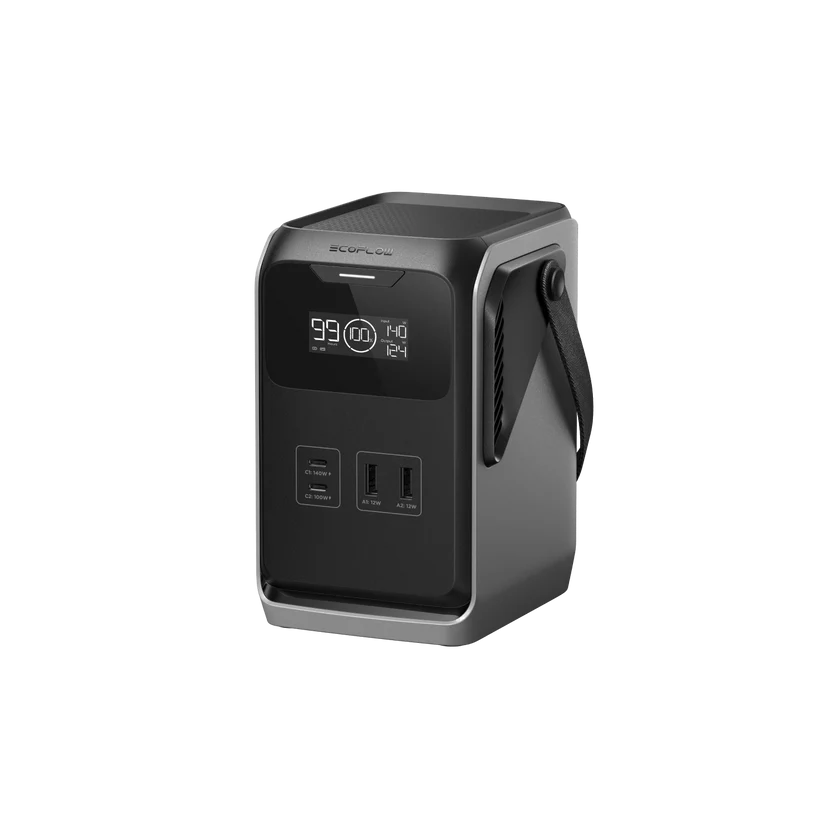
Keep your cellphone and other gear charged with portable power from an EcoFlow TRAIL Series DC Portable Power Station.
Light up the path with a handlebar light and helmet light.
Check weather forecasts, expected daylight hours, and trail conditions before starting the ride.
Adjust tire pressure to match snow and terrain conditions.
Frequently Asked Questions
Are Fat Bikes Good in Snow?
Yes, fat bikes are the best bikes for snow conditions because of their flotation. The wide, low-pressure tires spread out weight, preventing sinking. The tires also provide better traction and stability on winter terrain. Studded fat bike tires further enable riding in icy winter conditions.
What Is the Disadvantage of a Fat Bike?
The main disadvantage of a fat bike is increased resistance and reduced speeds. The wider tire is ideal for avoiding sinking, but it requires more effort to pedal and maintain speed. The bike itself is also heavier than a standard mountain bike, further increasing resistance.
What To Wear for Fat Biking in Snow?
When fat biking in the snow, the goal is to stay warm. The three-layer method provides moisture control and insulation necessary for cold-weather biking. Start with a moisture-wicking base layer, an insulating middle layer, and a protective outer layer. Top yourself off with gloves, a helmet liner, and thick socks.
Ride Smarter, Stay Warm, and Keep Rolling All Winter
Winter fat biking is the best way to cycle through beautiful winter terrain, with snow- and ice-covered trails. The larger tire with low air pressure enables riders to float over soft, snowy patches while maintaining good traction over icy patches. Stay warm with the three-layer method and covered extremities. While on the trail, keep up with fuel, hydration, and safety. Rely on EcoFlow’s portable power stations to keep your phone charged for navigation and capturing scenery.
For press requests or interview opportunities, reach out to our media team
media.na@ecoflow.com