Wet Snow vs. Dry Snow vs. Normal Snow: What Are the Differences
Depending on the temperature and amount of moisture in the air, snow can mean different things. Most of the difference comes from how much water is in the flakes. When snow is wet, it has liquid water in it that makes it stick together. Dry snow, on the other hand, is completely frozen and powdery. Knowing what kind of snow is falling helps you figure out how hard it will be to shovel and what risks there might be to power lines or the road.
What Is Wet Snow?
What Is Dry Snow?
Dry snow forms when temperatures stay well below freezing (under 20°F) from the clouds to the ground. The flakes stay as light, fluffy ice crystals.
You'll know it's dry snow because it:
Feels light and powdery
Won't pack into snowballs—it just crumbles
Blows around easily in the wind
Creates great skiing conditions (skiers call it "powder")
Dry snow is much lighter than wet snow, so it puts less weight on roofs and trees. However, because it's so light, wind can blow it into large drifts that block roads and reduce visibility.
What Is Normal Snow?
"Normal snow" serves as the scientific baseline for measuring precipitation. Meteorologists and hydrologists typically use a 10-to-1 ratio to define this standard. This means that ten inches of fallen snow equals exactly one inch of liquid water if melted down.
This baseline helps contextualize the extremes of wet snow and dry snow:
Wet snow often has a ratio of 5:1 or even 3:1. It is dense and water-heavy.
Dry snow can have a ratio of 15:1, 20:1, or in extreme cold, 30:1. It is mostly air.
Normal snow strikes the balance. It falls when temperatures are just below freezing, usually around 28°F to 31°F. It possesses enough moisture to settle without immediately blowing away, yet it remains light enough to shovel without extreme physical exertion. Most general winter days in the northern United States produce this average variety. It represents the middle ground in terms of density, weight, and impact on daily activities. It packs reasonably well but can also be swept or blown with moderate effort.
Wet Snow vs. Dry Snow vs. Normal Snow
Here is a side-by-side look at the key features of wet, dry, and normal snow:
| Feature | Wet Snow | Normal Snow | Dry Snow |
| Temperature | Near or above 32°F (0°C) | Around 28°F - 32°F | Below 20°F (-7°C) |
| Texture | Sticky, slushy, heavy | Firm but manageable | Loose, powdery, light |
| Water Content | High (5:1 ratio or less) | Medium (10:1 ratio) | Low (15:1 ratio or more) |
| Wind Interaction | Sticks to surfaces; resists wind | Settles; drifts slightly | Blows easily; causes drifts |
| Best For | Snowmen, snowball fights | General play | Skiing, snowboarding |
| Main Hazard | Power outages, heart strain | Slippery roads | Whiteouts, blizzards |

Other Types of Snow
Beyond the standard wet and dry classifications, winter weather produces several unique forms of precipitation:
Snirt: As winter progresses, wind mixes soil from uncovered fields with snowdrifts. This mixture of snow and dirt, commonly called "snirt," appears black or brown and melts faster than clean snow due to its darker color absorbing sunlight.
Graupel: Often mistaken for hail, graupel forms when supercooled water droplets coat falling snowflakes. The result is small, soft pellets that look like Styrofoam balls. Unlike hail, graupel is fragile and crumbles when touched.
Crust: This forms when the top layer of snow melts during the day and refreezes at night. It creates a hard, icy shell over soft powder underneath.
Slush: This is snow that has begun to melt or is mixed with rain. It is translucent, extremely heavy, and messy.
Practical Differences Between Wet, Dry, and Normal Snow
The type of accumulation dictates how you should handle winter chores and safety.
Which Type of Snow Is Bad for Your Health?
Wet snow poses a serious threat to your health. Because it is incredibly dense, moving it requires intense physical exertion that puts significant strain on the heart and back. Medical professionals frequently warn cardiac patients against clearing this heavy slush, referring to it as "heart attack snow."
Dry snow, being much lighter, puts far less stress on the body to move.
Which Snow Is Harder to Clear?
The consistency of the snow determines your tools. You cannot easily push wet snow; you must lift and throw it, which is physically demanding.
In contrast, dry snow is loose and powdery. It looks like a lot, but it's easy to move. You can often clear your driveway with just a leaf blower or a broom instead of a shovel.
Which Snow Is More Dangerous for Driving?
Wet snow creates a slick, greasy surface on roadways. It quickly turns into slush, causing tires to lose contact with the pavement (hydroplaning) and leading to unpredictable sliding.
Dry snow offers better initial traction but creates visibility hazards. Vehicles kick up "rooster tails" of powder that blind other drivers (whiteouts), and wind can easily blow dry snow back onto cleared roads to form dangerous drifts.
Which Snow Causes Power Outages?
Wet snow is the primary culprit for winter power outages. It clings to power lines and tree branches, accumulating weight until limbs snap and wires break. This sticky adhesion causes frequent electrical failures.
Dry snow typically poses little threat to the grid as it falls off wires, though the fine powder can be blown into vehicle air intakes or HVAC vents, potentially causing clogs.
How to Prepare for Snowstorms with EcoFlow
When heavy snow knocks out power, you're left in the cold and dark—sometimes for days. Frozen pipes, spoiled food, and no heat create real dangers for your family.
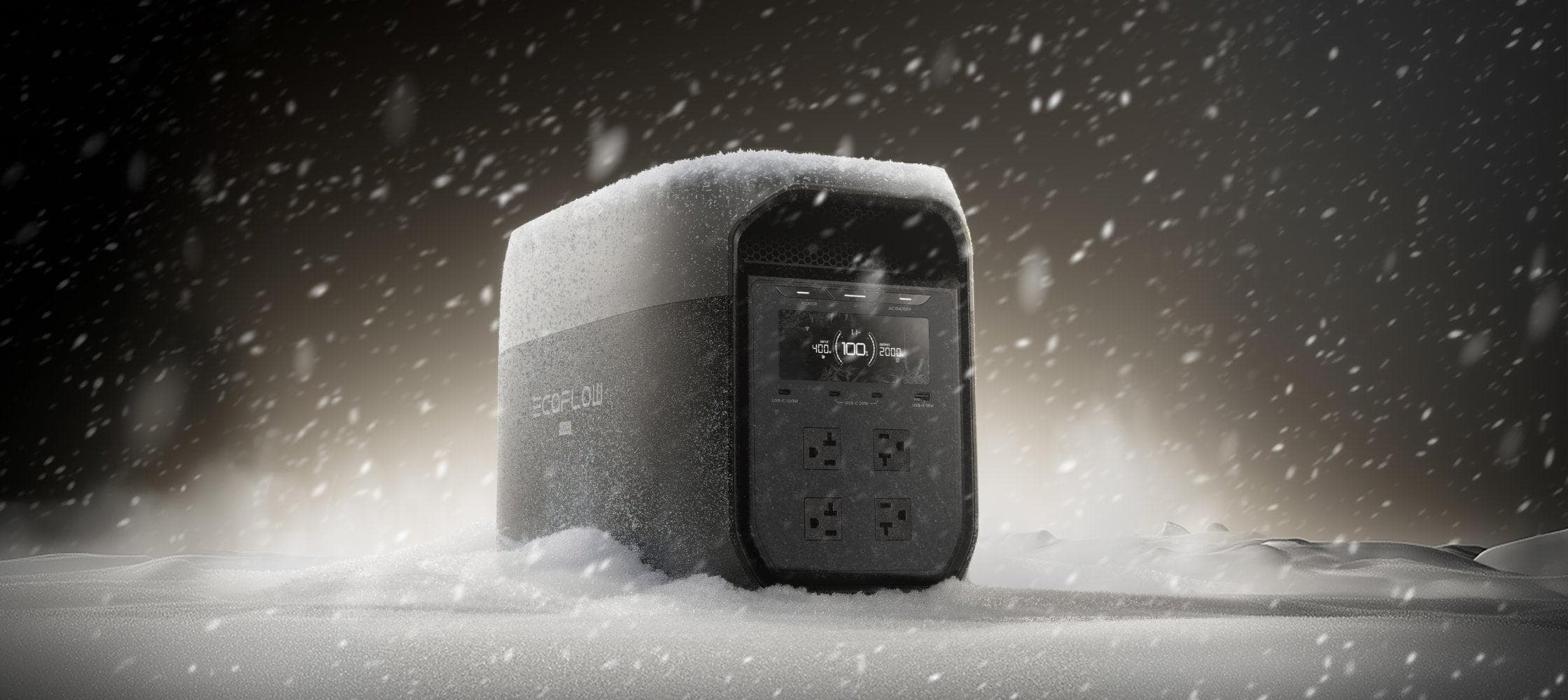
The EcoFlow DELTA 3 Max solves this problem by keeping your home running during outages. It powers what matters most: your heater stays on so your house stays warm, your fridge keeps food fresh, and your lights work so you're not stumbling in the dark.
What makes it different:
It knows when storms are coming. The app watches the weather forecast and charges itself automatically before bad weather hits. You don't have to remember—it's ready when you need it.
Your devices never go dark. When power cuts out, EcoFlow kicks in instantly. Your Wi-Fi stays connected, medical devices keep running, and you won't lose your work.
It's quiet. Unlike gas generators, you can run it indoors overnight without noise or fumes. Your family sleeps peacefully while staying warm and safe.
Winter storms are stressful enough. EcoFlow gives you one less thing to worry about.
Stay Safe in Any Snow
Recognizing the difference between wet snow and dry snow allows you to adapt your winter strategy effectively. Wet snow brings heavy lifting and power risks, while dry snow brings visibility issues and drifting. By understanding the science behind the flakes and having a backup power plan like the EcoFlow DELTA 3 Max, you can navigate the winter season safely. Stay warm, monitor the forecast, and respect the weather conditions.
FAQs about Snow Types & Safety
Q1: Is wet snow worse than dry snow?
In some situations, yes. For people who own their own homes, wet snow is usually "worse" because it accumulates on trees and power lines, and the weight breaks them, causing power outages and damage to property. On top of that, it is physically harder to remove. But dry snow is usually worse for drivers. Its light, powdery texture makes it easy for wind to blow it across roads, where it causes serious drifting and "whiteout" conditions that make it impossible to see, even on highways that have been plowed.
Q2: Does wet snow weigh more than dry snow?
Yes, quite a bit. Wet snow contains liquid water that binds the snowflakes together, eliminating air gaps. A cubic foot of wet snow can weigh 15-20+ pounds. Dry snow, on the other hand, is mostly air and ice crystals and only weighs 5 to 7 pounds per cubic foot. It's much harder to shovel wet slush than deep powder because of the huge difference in weight.
Q3: Does 1 inch of rain equal 10 inches of snow?
That is the standard starting point (10-to-1 ratio) for "normal" snow. This method does not work for all types of snow, though. However, wet snow has a much lower ratio—often 5 inches of snow to 1 inch of rain, making it much heavier. The ratio for dry snow is often 20:1 or higher because dry snow is fluffier and has less water in it. The 10-to-1 rule is only a guideline; it doesn't always work in all storms.
Q4: Which US state has never snowed?
Official weather reports show that it has snowed in every state in the U.S., even in Florida and Hawaii. Even Florida has recorded trace amounts during very cold spells, but snow is extremely rare in these warmer states. The high volcanic peaks of Mauna Kea and Mauna Loa in Hawaii often get snow. No state is totally immune to snow.
For press requests or interview opportunities, reach out to our media team
media.na@ecoflow.com