What Is Boondocking and What You Need to Know Before Your First Trip
If you are an RV traveler and always looking for a new adventure and off grid camping, then you have probably heard about boondocking. It lets you stay away from busy campgrounds and enjoy places where you usually won’t find regular hookups. You will need to take care of your own power too, and a portable power station like the EcoFlow DELTA 3 Plus can help keep your basic devices running while you are out there.
Before your first trip, though, there are a few things worth knowing about boondocking.
What Is Boondocking?
Camping without the usual facilities is what you can call it. This means going without electricity, water, and sewer hookups. Instead of connecting to campground services, you use whatever supplies and equipment you bring along.
A typical setup has:
No electrical hookup
No water or sewer connection
Little or no campground facilities
The good part is freedom. You can stay farther from busy campgrounds and spend more time in nature. The downside is that you have to keep track of your own resources.
Why Is It Called Boondocking?
The word comes from “boondocks,” an old American term for a remote or rural place. It eventually became common in camping and RV boondocking circles.
Today, it usually refers to staying somewhere without normal campground services and being able to look after yourself while you’re there.
How Does Boondocking Work?
There’s no special trick to it. You’re basically replacing the things a campground normally provides.
Your batteries or power stations handle electricity. Freshwater comes from a tank or containers, while RV holding tanks collect wastewater. Food, cooking fuel, lighting, and other essentials have to be planned before you leave.
Managing Power During Boondocking
Power is usually one of the first things you notice when you start off-grid camping.
Charging a phone is easy. But add a refrigerator, laptop, fan, lights, camera, or other appliances, and your battery can drain much faster.
Common options include
RV batteries
Solar panels
Portable power stations
Generators
A portable power station lets you store electricity and use it when needed without running a generator. Solar panels can help recharge them during the day.
Your needs depend on the trip. Two people away for a weekend will use much less power than a family staying in an RV for several days.
Managing Water and Waste
Water can disappear faster than you expect. Drinking is only one part of it. Cooking, washing dishes, cleaning, and personal use all count.
Bring enough fresh water and keep an eye on how quickly you’re using it. For RVs, wastewater and sewage usually go into holding tanks and need to be emptied at a suitable dump station.
It’s not the fun part of boondocking, but it needs a plan.
Boondocking vs. Dry Camping and Traditional Camping
Boondocking and dry camping are similar, but the terms aren’t always used for the same situation.
What Is the Difference Between Boondocking and Dry Camping?
Both RV boondocking and dry camping mean camping without hookups. The main difference is where you stay.
If you still want to have bathrooms, roads, and other facilities nearby, but can compromise on electricity and water, then dry camping is the thing for you.
However, if you are more into a remote location with fewer services around, then it will be considered boondocking camping.
What Makes Boondocking Different From Traditional Camping?
Boondocking is all about taking along your own electricity and water backup. There are few or almost no facilities around for someone who goes boondocking. Traditional campgrounds, on the other hand, may offer power, water, bathrooms, and other basic amenities, and are generally in more developed locations.
With traditional camping, some of the work is already done for you. With boondocking, you bring more of that setup yourself.
Traditional Camping | Boondocking |
Often has bathrooms and campsite facilities | Usually has no campground facilities |
May include electricity and water hookups | Requires self-sufficient systems |
Easier for beginners | Requires more preparation |
Where Can You Go Boondocking?
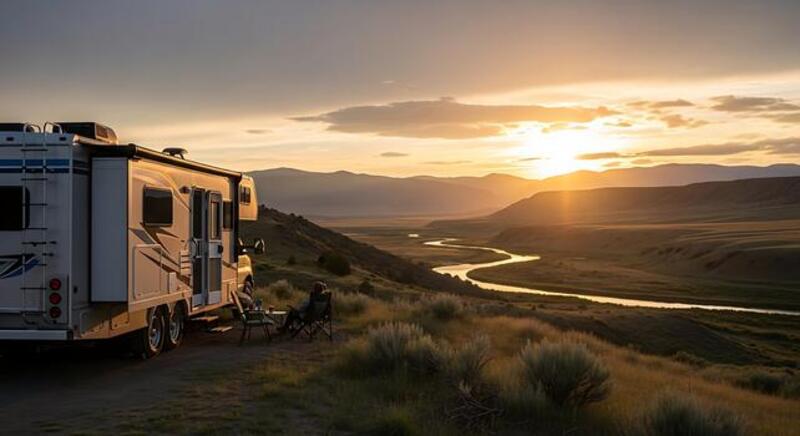
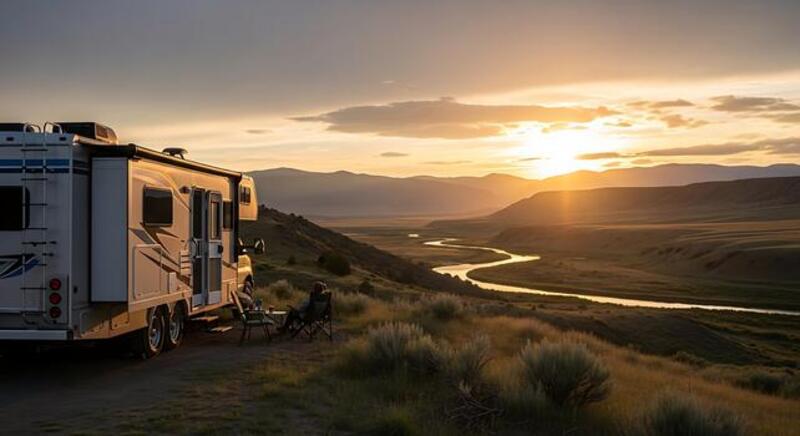
For campers in the U.S., public land is often a good place to start. Depending on local rules, certain BLM lands, national forests, and dispersed camping areas may allow it.
Popular Boondocking Locations
BLM land: There are many open areas on BLM land that allow camping. It is, however, best to check the rules as they may vary by location.
National forests: National forests can be a good option for you if you prefer trees and a quieter setting
Dispersed camping areas: These refer to some spots outside regular campgrounds. Here, you can't expect to have power hookups or other campsite facilities.
Remote RV areas: Some less-developed areas work well for RVs. They offer more space and fewer nearby campers.
Desert and mountain regions: Such spots are good if you prefer scenic locations and want to go somewhere that feels remote.
Finding Legal Boondocking Spots
The best way to check if a land is safe for boondocking is to check its managing agency's website. For example, if you’re looking at BLM land, you can check the Bureau of Land Management’s official website for camping rules and restrictions in that area.
You can also use camping apps and maps to find possible spots, but don’t rely on those alone. Check the official land-management website for permits, stay limits, closures, and camping restrictions before you go.
What Do You Need for Your First Boondocking Trip?
You don’t need to buy a whole store’s worth of camping gear. Start with what you’ll actually use.
Boondocking Essentials and Gear
A basic setup could include:
Portable power station: Keeps phones, lights, and other small devices running when there’s no hookup nearby.
Solar panels: A good way to recharge your power station during the day.
Water containers: Best to take along extra water for cooking and cleaning.
Cooler or portable refrigerator: Ideal for warm locations to keep food and drinks cool and fresh.
Propane stove: A perfect option to help you to cook without relying on campground facilities.
Lighting: Useful once it gets dark.
Navigation tools: Help you navigate through remote areas easily.
First aid kit: Handy for dealing with minor injuries.
What you need depends on whether you’re traveling in an RV, van, or tent.
How to Choose a Portable Power Station for Boondocking
Start with battery capacity and output. Capacity tells you how much energy you can store, while output tells you what you can actually run.
Also check the ports, charging options, and weight. Solar charging can be useful if you’re planning to stay away from hookups for several days.
The EcoFlow DELTA 3 Max Plus is a good fit for longer RV trips because its 2048Wh capacity and 3000W output give you enough power for more than just phones and lights. It can also handle higher-power appliances such as refrigerators and coffee makers. At the same time, its fast generator charging can get it to 80% in around 43 minutes when you need a quick recharge.
For beginners planning a weekend trip, the EcoFlow DELTA 3 Plus gives you 1800W of AC output, which is enough to handle everyday camping needs such as lights, phones, laptops, and smaller appliances. Its 1–5kWh expandable capacity also gives you the option to add more battery storage later if your trips get longer. With five charging methods, including solar and alternator charging, you have more flexibility when there’s no campground hookup around.
Don’t automatically go for the biggest model. Think about what you actually need for power.
How Long Can You Stay Boondocking?
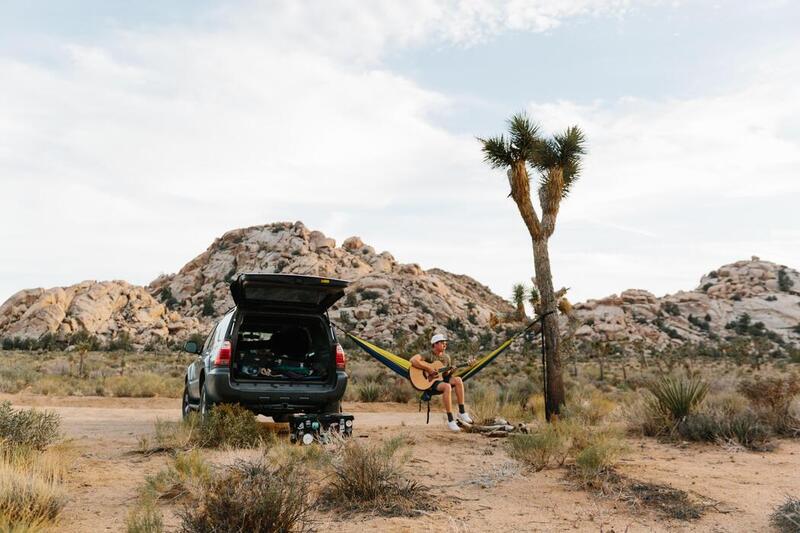
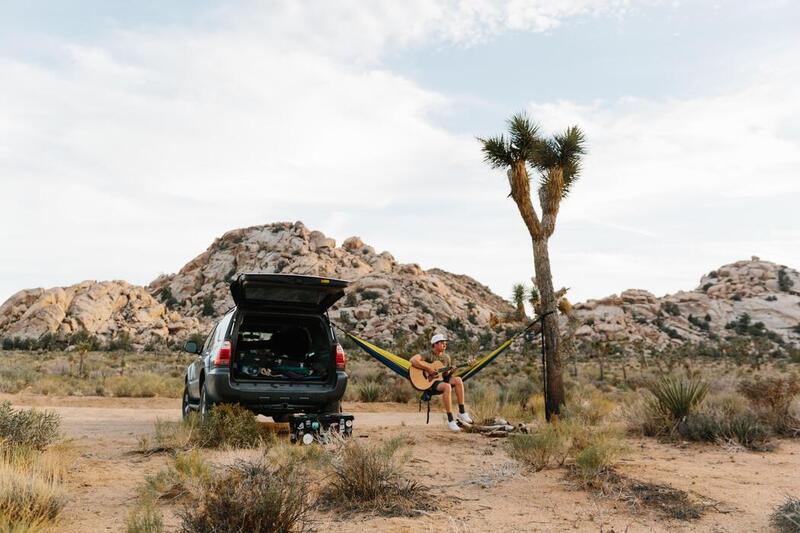
There’s no set number of days. Everything depends on how much food, water, and power backup you have.
Factors That Determine Duration
Weather is one of the first things to think about. If it gets too hot, too cold, or starts raining, you may not enjoy staying out for long. Bad weather can also mean using more power for heating or cooling.
Then there’s your electricity use, battery size, and solar charging. Running a fridge or other appliances all day will use more power than just charging a phone and turning on a few lights. Water and food matter just as much. If either one runs out, you’ll probably have to pack up, even if you still have plenty of battery left.
Tips to Extend Your Boondocking Trip
Save your battery: It is best to turn off lights and other gadgets whenever not in use.
Use less power: We suggest taking along energy-efficient appliances. This is especially valuable when the stay extends over several days.
Recharge whenever possible: Avail every chance you get to recharge your devices. This way, you don't have to worry about your devices turning off.
Watch your water: Take along enough water for cooking and cleaning. Try your best to save water and not waste it.
Plan your meals: It is best to take ready meals and snacks along. This way, you don’t use extra power or water while cooking.
Tips for Your First Boondocking Adventure
Below are some points to follow that will come in handy on your boondocking trip:
Start With a Short Trip
For your first trip, one or two nights is enough. Pick somewhere reasonably close to basic services and see how your setup handles it.
Test your power station, cooking gear, lights, and other essentials before leaving home.
Preparing for Limited Connectivity
Some remote spots have little or no phone service. Download maps before leaving and tell someone where you’re going.
If you’re heading somewhere particularly isolated, consider taking a backup communication option.
Follow “Leave No Trace” Principles
Pack out your rubbish, respect wildlife, stay in permitted areas, and don’t damage the surrounding land.
The idea is simple: enjoy the place without leaving a mess behind.
FAQs
What is boondocking camping?
In simplest terms, it is camping while managing your own electricity, water, food, and waste.
Is boondocking free?
Sometimes. Many public-land locations are free, while others require permits or fees. Check local rules before you go.
Can beginners go boondocking?
Yes, they can. Boondocking may take a little getting used to since you have to manage your own power, water, and other supplies, but it’s not something you need to be an expert to do. Start with one or two nights somewhere accessible, and you’ll get a feel for it pretty quickly.
Do you need solar panels for boondocking?
You need to see the length of your stay since it decides how much power you will use. If you’re only going for a night or two, you may be fine without them. For longer trips, though, solar panels can help recharge your power station during the day and give you more time off-grid.
For press requests or interview opportunities, reach out to our media team
media.na@ecoflow.com