March Storm Preparedness: From Snowstorms to Severe Rain
March storms can be the most unpredictable storms of the year. One day they might bring snow and ice, and the next day they might bring severe rain or destructive winds. These volatile conditions damage property, disrupt power, and create unsafe situations with little warning. When you plan ahead and secure your home, plan accordingly for power outages, and have your emergency supplies ready to go, you can reduce the risks and stay comfortable, regardless of what the weather does. We’ll also look at how EcoFlow solutions like the EcoFlow DELTA Pro Ultra X can help give you peace of mind before a storm.
Why March Storms Are So Unpredictable
March is typically the major transition between winter and spring, which brings cold arctic air in direct contact with warming air from the south. Not only are those conditions the breeding ground for a perfect storm, but they also make March storms some of the most unpredictable that we see.
With such a wide variety of conditions, from severe winds, heavy rain, and flooding to snow and ice storms, being prepared is essential. Even though most Americans are unprepared for disasters like these, it’s never too late to start.
Home Preparation Before the Storm
Getting prepared for severe weather starts with reducing the damage to and around our home.
Check your insurance coverage to ensure it protects you against storm damage.
Seal all openings with caulking and insulation to keep cold air out.
Secure outdoor coverings, furnishings, and other materials that can get blown around in high winds and cause damage.
Clean and inspect boilers and heaters and ensure they are working well.
Identify your greatest risk and address it: heating, power loss, frozen pipes, road access, etc.
If heat and power are risks, have a portable heater and whole-home backup power source to run it. Otherwise, identify a warm, safe location where your family can go if you can no longer heat your home safely.
Ensure you have snow shovels, sand, and ice-melting products handy to keep your driveway and walkways safe.
Have frost blankets for your garden if you have new plants outside.
Power and Utility Preparedness
Planning ahead for power outages is one of the most important steps. Storms often damage lines or knock trees onto the lines and roads, making repairs slow and difficult. After 24–48 hours without power, the food in your fridge and freezer will start to spoil.
So, first identify your essential appliances (fridges, freezers, medical equipment, etc.). Then find their watts and multiply each by the number of hours they run each day. Add up all those to get your total daily watt-hours. Then, plan for three days without power, and ensure your indoor-safe generator is large enough to handle the load.
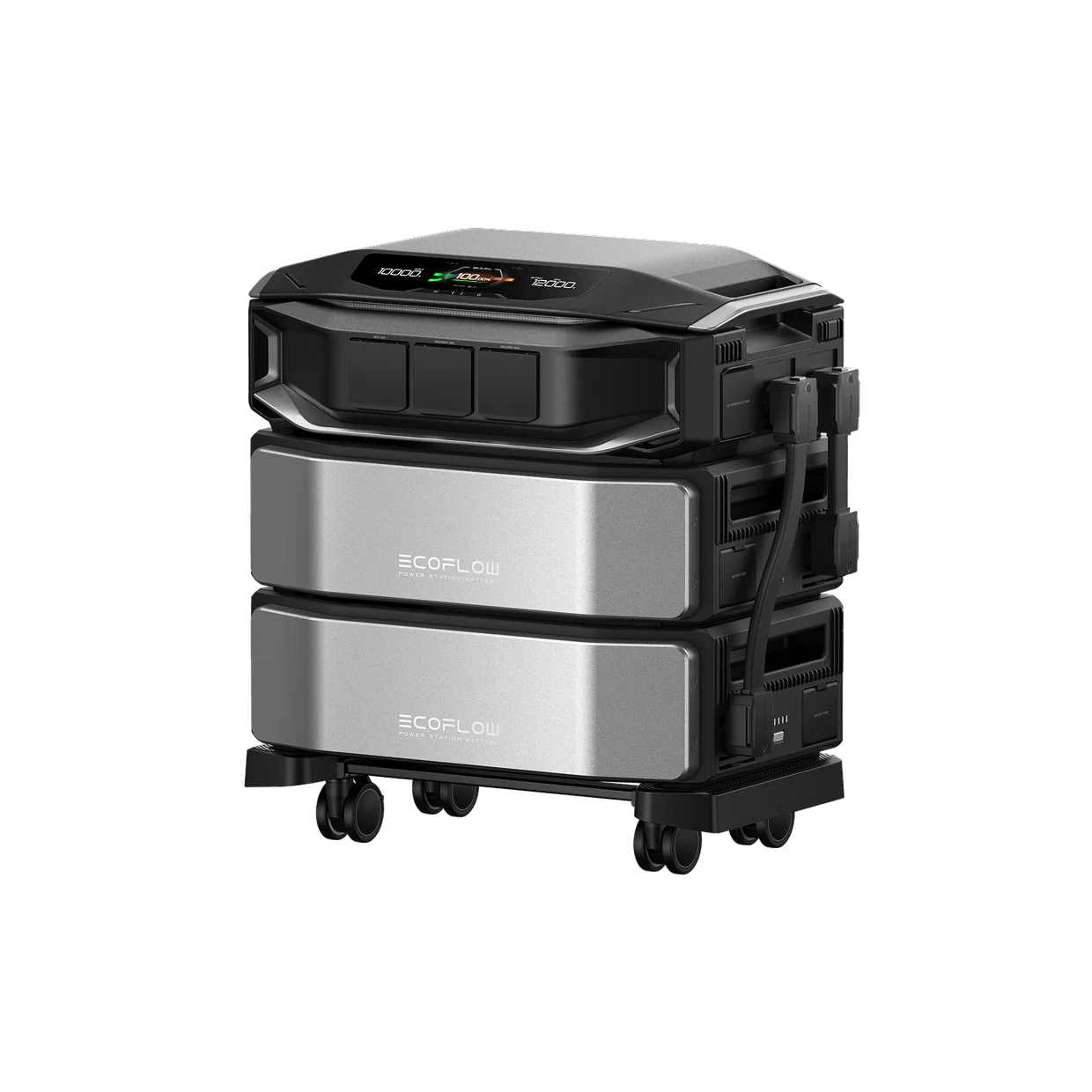
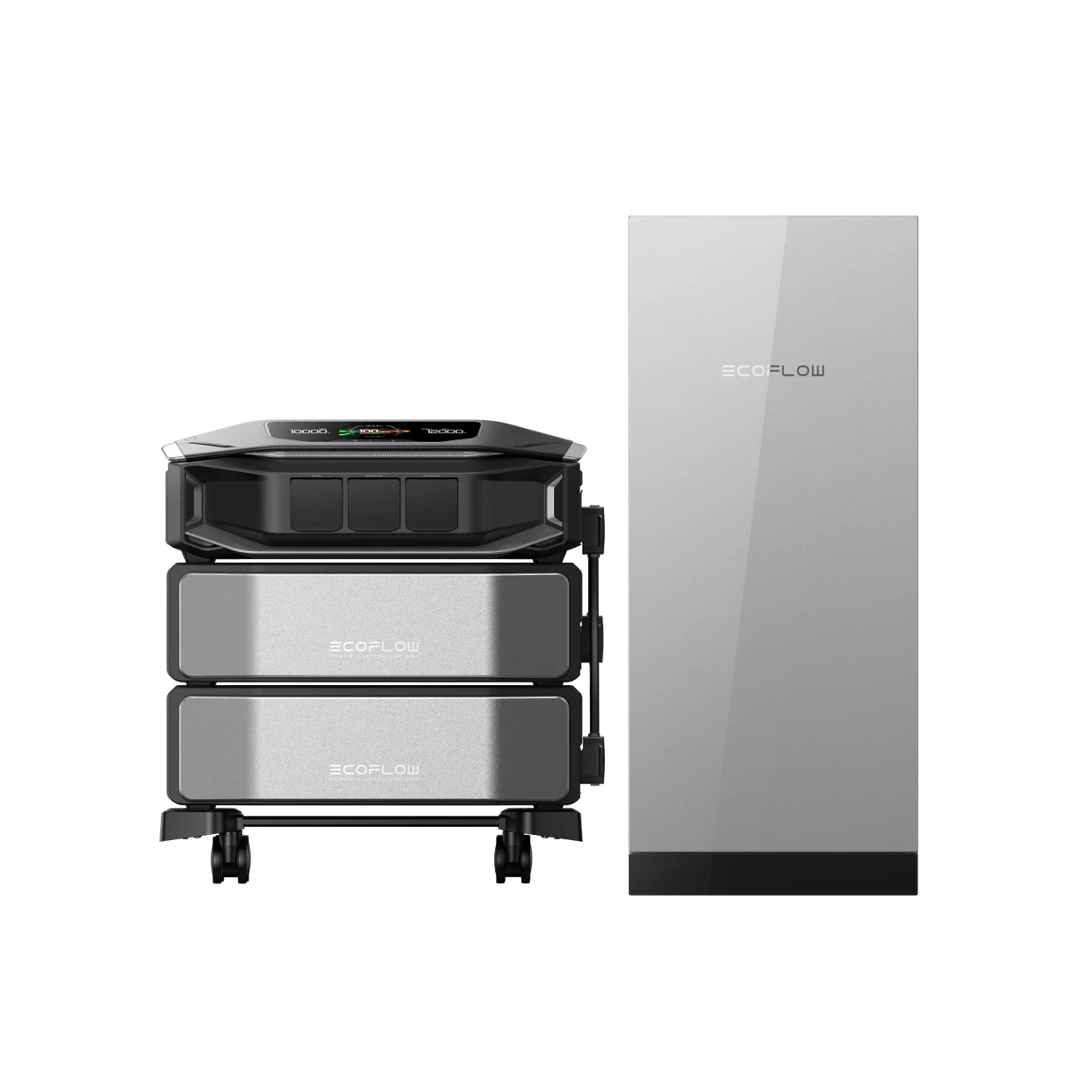
Alternatively, with a powerful battery-operated home backup like the EcoFlow DELTA Pro Ultra X with 12 kWh of capacity, expandable with extra batteries up to 180 kWh, you can keep your entire home running for days or even weeks at a time.
Emergency Supplies Checklist
Keep your emergency kit in a dry, accessible location. Also, make sure your entire family knows where it is and practice yearly drills so that everyone knows what to do in an emergency.
Complete first aid kit.
Prescription medicines for all family members.
Three days’ (minimum) worth of non-perishable food for every family member.
Can openers and utensils.
One gallon of water per family member per day.
Rechargeable LED flashlights or lanterns (fully charged).
Warm clothes, jackets, gloves, and blankets for every family member.
Battery-powered emergency radio.
Smoke alarms and fire extinguishers.
A small electric heater that you run with a battery-powered energy source.
Indoor-safe, battery-operated, portable power from the EcoFlow DELTA Pro Series.
Common March Storm Mistakes to Avoid
The biggest March storm mistake that people make is not having an indoor-safe, battery-operated whole-home generator. Using traditional fossil fuel generators indoors or even outdoors near windows, doors, or vents can result in lethal carbon monoxide poisoning.
Another common mistake is waiting too long to evacuate. If your home is cold, flooded, or unsafe, evacuate immediately. Storms regularly block road access, and you don’t want to end up trapped in an unsafe situation.
Often, people forget to include their pets in their emergency planning. Always include food, water, and medication for your pets along with your other family members.
Another common mistake is thinking it’s safe to go outside. March storms often bring high winds and unpredictable conditions, so staying indoors is usually safest. However, if you need to leave for an emergency, dress appropriately with warm, dry layers and water-resistant boots, wear a hat, and cover your face with a scarf.
Then, once the storm has passed, and it’s safe to go outside, don’t forget to check on your neighbors and make sure they’re warm and safe. This is especially important for the elderly, disabled, or those with young children at home.
Frequently Asked Questions
Are March Storms More Dangerous Than Winter Storms?
While any storm can be dangerous if the conditions are right, March storms bring a mix of winter and spring dangers, including snow, ice, rain, and high winds. Tornadoes are also much more common in March than they are in winter.
What Should I Prepare for March Storms?
Prepare your home first by sealing doors and windows and securing outdoor furnishings. Then, prepare an emergency kit with non-perishable food, water, medicines, first aid, blankets, warm clothes, an emergency radio, and indoor-safe battery-operated backup power.
March Storm Preparedness Reduces Risk and Improves Household Safety
March storms are unpredictable and demand preparedness. Snow, heavy rain, flooding, and high winds can come with little warning, often bringing power outages with them. Preparing your home, building an emergency kit, and planning your backup power are the most practical steps you can take to keep your home and family safe. Reliable, battery-operated home backup systems like the EcoFlow DELTA Pro Series come in a wide range of sizes to suit everyone’s needs, whether you want to power a couple of essential appliances or your entire home. Either way, you can stay safe and warm when the next storm hits.
For press requests or interview opportunities, reach out to our media team
media.na@ecoflow.com