Massachusetts: SMART 3.0 and ConnectedSolutions
- What Are Massachusetts SMART 3.0 and ConnectedSolutions?
- Why These Programs Matter for Massachusetts Homeowners
- How SMART 3.0 and ConnectedSolutions Work Together
- Eligibility, Capacity Limits, and Program Timelines
- How Payments and Events Typically Work
- Grid Resilience, Community Impact, and Long-Term Value
- How Home Battery Systems Fit Into These Programs
- Is Participating in SMART 3.0 and ConnectedSolutions Right for You?
- Frequently Asked Questions
- Is Participating in SMART 3.0 and ConnectedSolutions Right for You?
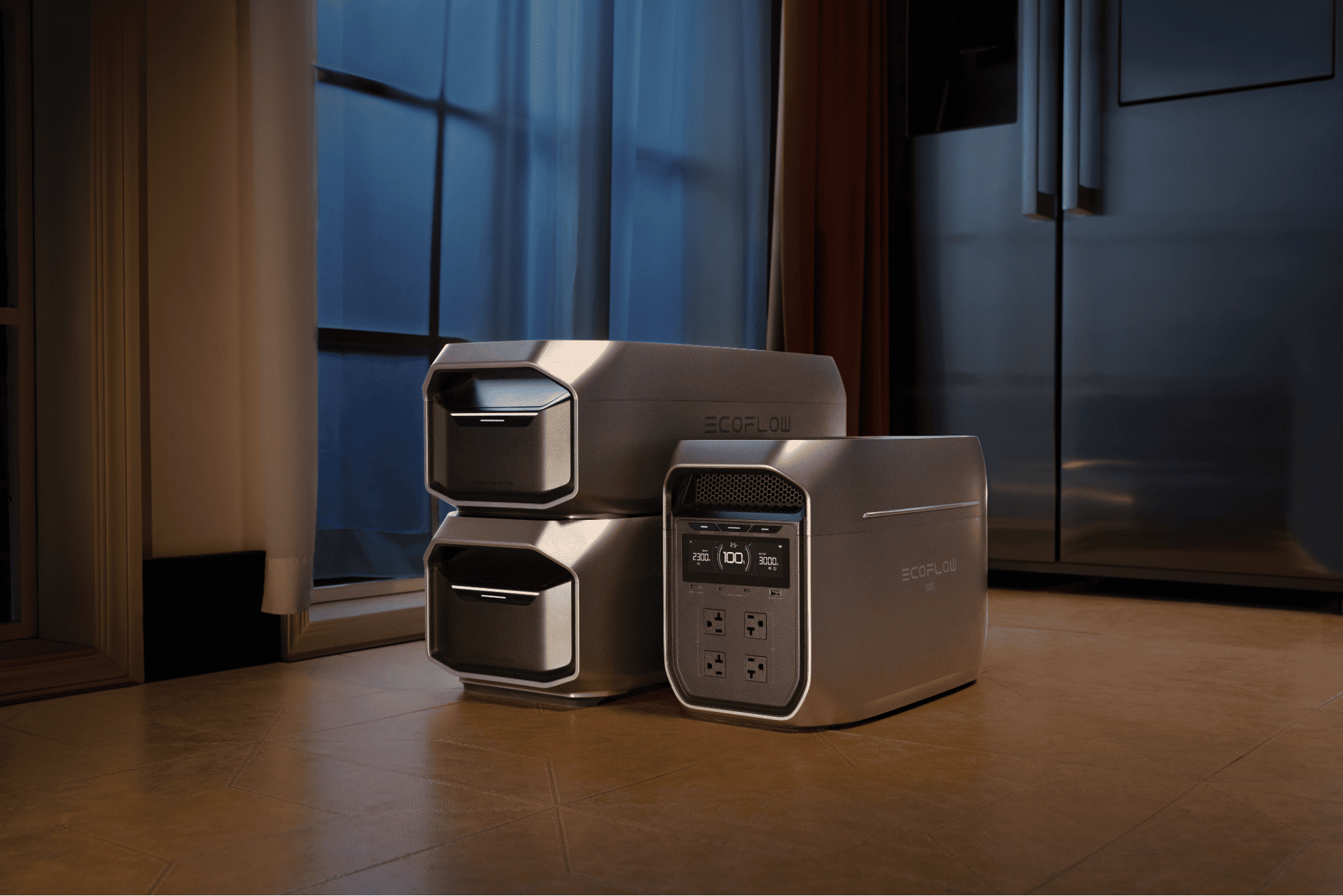
Massachusetts has one of the highest electricity rates in the United States, which means homeowners, utility companies, and the Massachusetts government alike are searching for ways to lower bills and boost grid resilience. SMART 3.0, offered by the Massachusetts government, and ConnectedSolutions, offered by utility companies, reward homeowners for installing solar and battery storage (like the EcoFlow DELTA 3 Max Plus!) with stackable incentives. By understanding the requirements and how they work, you can enjoy the benefits of energy independence while earning income.
What Are Massachusetts SMART 3.0 and ConnectedSolutions?
Massachusetts SMART 3.0 is the current iteration of the Solar Massachusetts Renewable Target (SMART) incentive program. It’s managed by the Department of Energy Resources (DOER), which provides solar producers with incentives for the clean energy they produce.
ConnectedSolutions is offered by Massachusetts utility companies who pay their customers to discharge their batteries to the grid during peak demand, helping stabilize the grid. They have an additional smart thermostat program to help reduce demand during peak events.
Why These Programs Matter for Massachusetts Homeowners
Since our electricity rates are one of the highest in the country, Massachusetts homeowners appreciate these programs. Both SMART and ConnectedSolutions provide significant financial incentives that can help reduce the cost of solar panels and save hundreds to thousands of dollars yearly.
How SMART 3.0 and ConnectedSolutions Work Together
When you sign up your solar panels and battery for SMART 3.0, you’ll receive money for every kWh of clean electricity you produce.
Then, sign up your battery and smart thermostat with ConnectedSolutions and get paid to discharge your battery or reduce your energy consumption.
This stacks discounts, allowing you to receive incentives from both programs for the same solar battery system, increasing the financial benefits of owning a whole-home backup power system.
Eligibility, Capacity Limits, and Program Timelines
Smart 3.0
For most residential customers, SMART 3.0 limits the capacity to 25kWAC. If your system is larger, you may still be eligible under a different category. You also must be a customer of one of three participating electric companies:
National Grid
Eversource
Unitil
The program is running now, and you can enroll anytime. It has no set end date and will continue until defined targets are met.
ConnectedSolutions
ConnectedSolutions requires inverters to be less than 50kW, but otherwise there are no system limits as the batteries can be standalone or tied to a solar array. However, they also require specific utility companies:
National Grid
Eversource
Cape Light Compact
Their thermostat program supports the following smart thermostats:
Google Nest
ecobee
ecobee eco+
Lux
Copeland / Sensi
Alarm.com
Honeywell TCC
Honeywell Lyric
Amazon (Eversource customers only)
ConnectedSolutions typically runs from June 1 to September 30 every year, and customers generally enroll for five years at a time.
How Payments and Events Typically Work
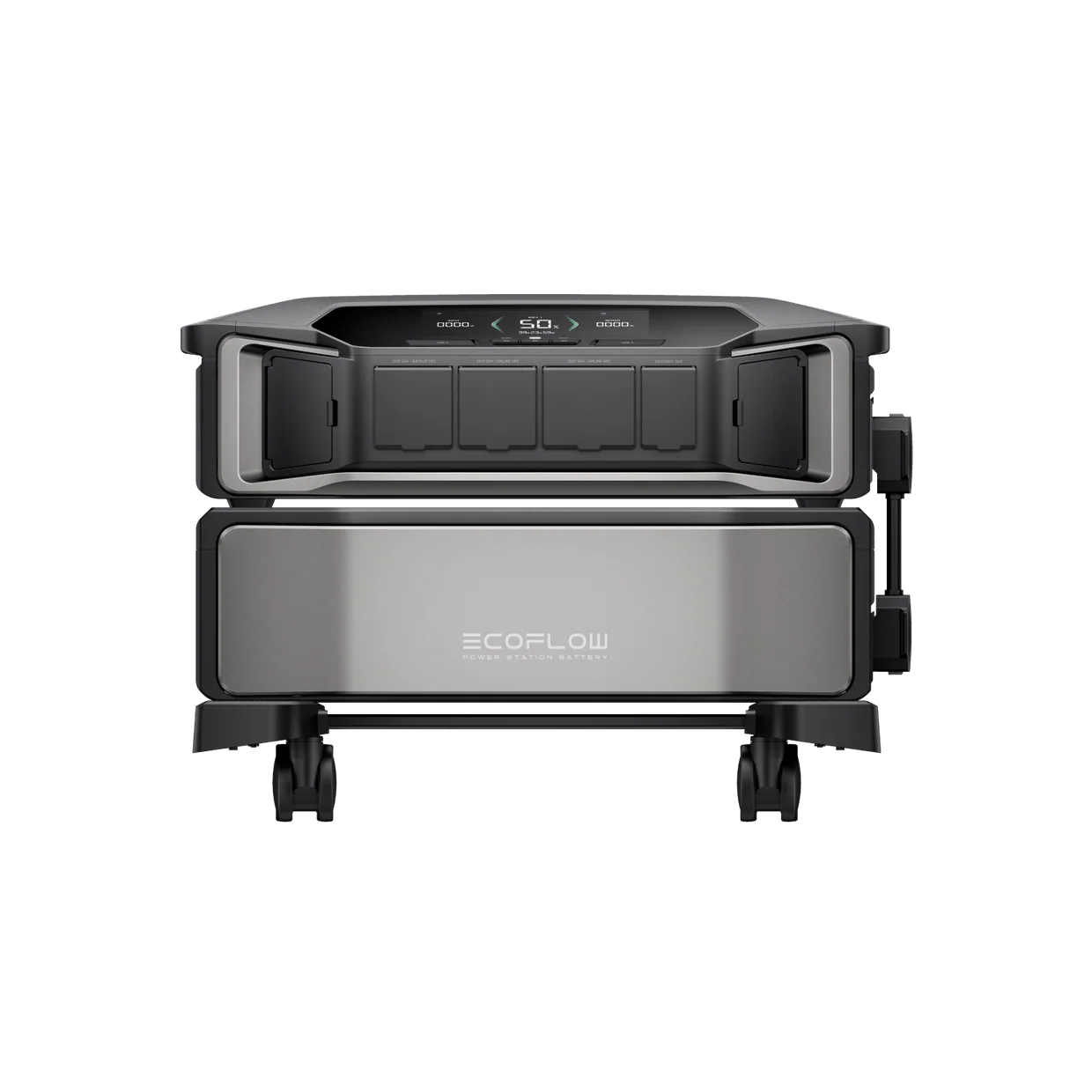
With SMART 3.0, you’ll typically be paid between $0.03 and $0.06 per kWh, depending on your location, system size, income, and other incentive adders. For instance, one incentive adder gives a higher rate when you install both solar panels and battery storage like the EcoFlow DELTA Pro Ultra. Payments are governed by the DOER but managed by your utility and issued as a credit on your bill.
Through the ConnectedSolutions thermostat program, you can earn $50 to $100 for enrolling plus a $20 annual reward. Battery owners can receive, on average, about $225–$275 per kilowatt per year for their contribution during peak summer events. When the season ends (~September 30), they send checks to compensate their customers for the power they drew or reduced that summer.
Grid Resilience, Community Impact, and Long-Term Value
Communities benefit from these programs in several ways:
More solar usage helps reduce the demand on our overburdened grid.
Battery discharge incentives pay people to help support a more resilient grid less prone to blackouts.
The thermostat program helps reduce consumption during peak events, reducing the risk of blackouts.
Financial incentives put more money back into the community.
How Home Battery Systems Fit Into These Programs
Battery systems like the EcoFlow DELTA 3 Max Plus are a perfect fit because you can stack the incentives. You may receive a greater payout from SMART when you use batteries with your solar system. Then ConnectedSolutions will pay you for the energy they draw from that same battery.
Is Participating in SMART 3.0 and ConnectedSolutions Right for You?
Residential power users are benefiting from participating in both programs. Not only will both pay you for your solar and/or battery storage, stacking incentives, but you also get the benefit of having your own solar power and whole-home generator. Since ConnectedSolutions lets you set a reserve limit on your battery, when the grid inevitably goes down, you can keep your essential appliances running.
Frequently Asked Questions
How Do ConnectedSolutions Work?
ConnectedSolutions pays you for your storage batteries when you sell energy back to the grid during peak summer demand. Their smart thermostat program pays you to reduce your cooling during peak demand events. Both programs pay out at the end of every summer.
What Is the Difference Between SMART 3.0 and ConnectedSolutions?
SMART 3.0 is a solar incentive program where the Massachusetts government pays you for the clean energy you produce. Utility companies offer ConnectedSolutions, which compensates you for drawing energy from your battery storage during peak summer demand. The programs are stackable for additional benefits.
Is Participating in SMART 3.0 and ConnectedSolutions Right for You?
These programs are useful financial tools that are being used to boost our grid resilience. SMART 3.0 pays homeowners for generating solar power, with an added bonus when you include battery storage. Then, use ConnectedSolutions for additional incentives by signing up your battery storage, and they will pay you for energy they draw from it during peak summer demand events. Battery storage products like the EcoFlow DELTA Pro Ultra offer a practical solution to enjoy the financial benefits of these programs while also gaining backup power and energy independence.
For press requests or interview opportunities, reach out to our media team
media.na@ecoflow.com