Washington Flash Floods 2026: Are There More to Come?
- What Happened During Washington's 2025 Flash Floods
- Why Washington Is Increasingly Vulnerable to Flash Flooding
- What Climate Projections Mean for Washington's Flood Risk
- How Washington Residents Can Prepare for Future Flash Floods
- Keeping Power and Communication During Flood Emergencies
- Building Resilience Against Washington's Changing Flood Patterns
Flash flooding in mid-December 2025 caught residents of Washington state off guard. Atmospheric rivers dumped massive amounts of rain on already saturated ground and snow melt, creating rapid flash flooding.
Now the question on everyone's mind is whether this is the new normal that they can expect in 2026. Understanding flood patterns and how flash flooding occurs can help residents prepare for what's ahead.
What Happened During Washington's 2025 Flash Floods
In December 2025, a series of atmospheric river events hit the Pacific Northwest. Rapid snowmelt, combined with heavy rainfall, completely overwhelmed drainage systems and led to urban flooding in cities like Seattle and the Tacoma metro area.
But rural communities were unaffected. Many of these were cut off by washed-out roads, leaving them stranded and inaccessible to emergency services. Mudslides closed major highways throughout the state, including sections of I-5, creating transportation nightmares.
Thousands of people lost power for extended periods, leading to spoiled food, cold homes, and the inability to operate essential medical devices.
This event raised urgent questions about the 2026 flood season ahead. Is more of this weather to be expected?
Why Washington Is Increasingly Vulnerable to Flash Flooding
Washington is becoming more vulnerable to flash flooding as the climate changes. Even flooding throughout the US is getting worse. In the Pacific Northwest, atmospheric rivers are becoming more intense and common. In fact, according to the NOAA, atmospheric rivers now account for 30 to 50% of the annual precipitation along the West Coast.
An atmospheric river is an elongated and narrow band in the atmosphere that transports a large amount of water, acting as a river in the sky. The moisture often originates in the tropics and heads north towards cooler regions, creating significant snowfall or rainfall, which contributes to major floods.
Washington's geographic terrain leaves it particularly vulnerable. Water funnels rapidly from the mountains to the lowlands, and increased urban development has led to more impervious surfaces that can't absorb water. The existing stormwater infrastructure is aging and not adequately designed for current precipitation levels.
Many Washington forests are still recovering from wildfires, which reduces their ability to absorb water. Previous storms have saturated the soil, which compounds the flooding risk.
When temperatures fluctuate, it can cause freeze-thaw cycles, which affect the snowpack's stability. However, new reports indicate that the average annual precipitation in Washington state has increased, with a greater proportion falling as rain than snow. When the precipitation comes in liquid form, it gives even less time for the environment to adapt and absorb the moisture.
What Climate Projections Mean for Washington's Flood Risk
Climate predictions of increased precipitation in Washington through 2050 only increase Washington's flood risk. More precipitation is falling as rain rather than snow, and atmospheric river events are expected to intensify both in duration and precipitation.
As the climate warms, snow melt begins earlier in the spring, compressing it into a shorter time frame, creating more moisture on the ground. Compound flood events, which include rain falling on top of snow or successive storms in a row, are also becoming more common, and the potential for flash flooding is expanding into areas that were historically at a much lower risk.
The infrastructure in Washington is designed to withstand 100-year flood events, but now these conditions are occurring more frequently, raising questions about whether the infrastructure can adequately handle them.
How Washington Residents Can Prepare for Future Flash Floods
Understanding the reality of flash flooding in Washington can help you prepare.
Start by learning your flood zone using FEMA maps and local emergency management resources. Then create a household emergency plan that includes safe meeting points and evacuation routes. Gather supplies and assemble them into a go bag with 72 hours' worth of essentials, including clean water, non-perishable food, first aid supplies, flashlights, and extra batteries.
Keep copies of your important documents safe in watertight containers or save digital backups to a flash drive and store it in a secure location. Sign up for local emergency alerts and weather warnings and watches so you'll always be the first to hear about risks as soon as they’re detected.
For your home, if you live in a flood zone, consider elevating any valuable items and utilities whenever possible. Identify safe rooms in your house, preferably located on upper floors, in case evacuation isn't safe or possible. Always keep your vehicles fueled during storm forecasts so you can leave at a moment's notice. Ensure everyone in the household knows how to shut off utilities if needed.
You can protect your property further by stocking sandbags or other alternative flood barriers to keep doors, driveways, patios, and more protected from rising waters.
Your homeowner's insurance policy typically doesn't cover flooding, but if you're worried about the risk, consider purchasing separate flood insurance.
Keeping Power and Communication During Flood Emergencies
Grid power is often the first thing to go when it comes to flooding damage. Cell towers can also fail without backup power. Having your own backup power sources at home provides peace of mind and ensures that your phones, radios, and medical devices remain operational.
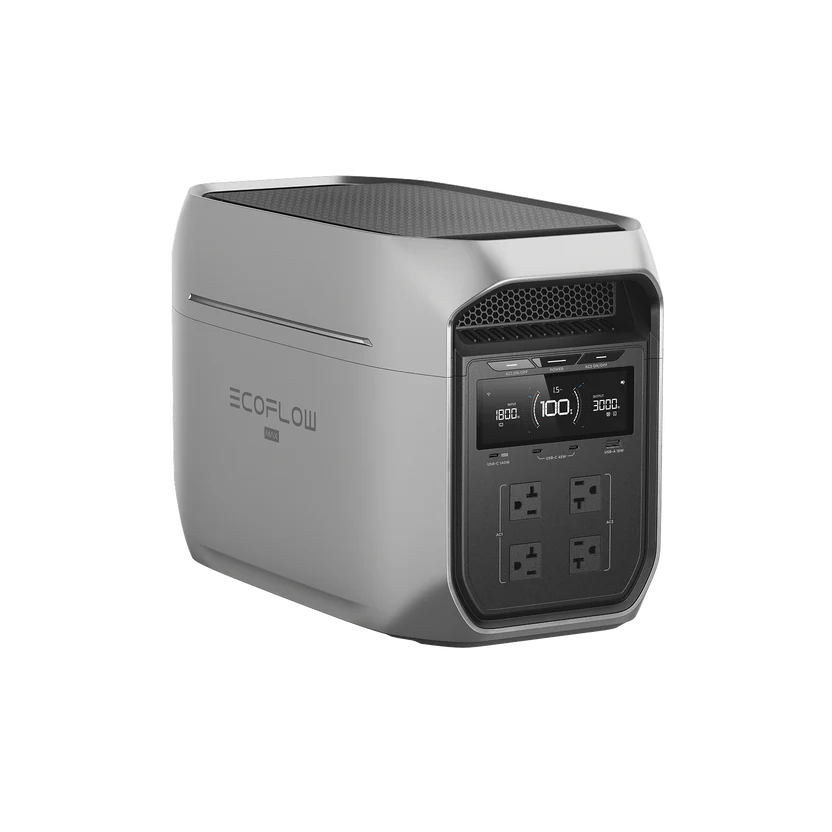
For personal devices and select small appliances, a more compact portable device, such as EcoFlow RIVER 3 Series Portable Power Stations, can keep your essentials running.
If you prefer a more robust system, consider upgrading to the EcoFlow DELTA 3 Series Portable Power Stations, which have greater capacity and output to run more devices and appliances simultaneously for extended periods.
Always charge critical devices before storms hit because you never know how long you may be without power. In instances when the grid remains down for days, consider connecting your portable power stations to solar panels to enable continuous and indefinite power generation.
Building Resilience Against Washington's Changing Flood Patterns
As the climate changes, we must adapt and prepare for more frequent extreme events. For residents of Washington, that means being ready for flash floods. True community resilience begins with household readiness, and preparing individually can help reduce the strain on emergency response systems, while giving you peace of mind that you and your family are safe and comfortable. Create your plan, gather your supplies, invest in backup power, and stay informed at all times. The best response is a proactive one, not a reactive one.
For press requests or interview opportunities, reach out to our media team
media.na@ecoflow.com