Volcanic Smog (Vog): Health Risks for Hawaii Travelers
Hawaii vacations usually bring to mind ocean views and maybe a spam musubi or two, not air pollution. But in some parts of the islands, volcanic smog, or vog, can pose a real health concern for both locals and travelers.
Learn what vog is, how it affects your health, and how to stay safe while enjoying the Aloha State.
What Is Vog, and How Does It Form?
Vog is a type of air pollution created by active volcanoes. Unlike car exhaust or factory emissions, volcanic smog is a natural type of pollution. It forms when volcanic gases (mainly sulfur dioxide) react with oxygen, moisture, dust, and sunlight in the atmosphere. The result is a hazy mix of gas and tiny particles.
What’s actually in this pollution depends on the volcanic plume. The closer you are to the source, like the vents of Hawaii’s Kīlauea volcano, the higher the concentration of sulfur dioxide.
As that plume drifts into the sky, wind direction and speed play a big role in where vog ends up and how intense it is.
Health Risks of Vog Exposure
Vog contains particulates and sulfuric acid, which can affect your health. You don’t have to notice the trademark “rotten egg” smell for it to affect you, either. You can still feel the effects even if the air seems normal.
Common symptoms include:
Eye, nose, and throat irritation
Coughing
Increased phlegm
Chest tightness or shortness of breath
Headaches and fatigue
Nausea
For some people, the risks are more serious. Volcanic smog is especially tough on:
People with asthma or respiratory conditions
Older adults
Infants and young children
Pregnant women
Even short-term exposure can narrow airways and trigger asthma attacks. If you already have a respiratory condition, vog can pose serious health risks.
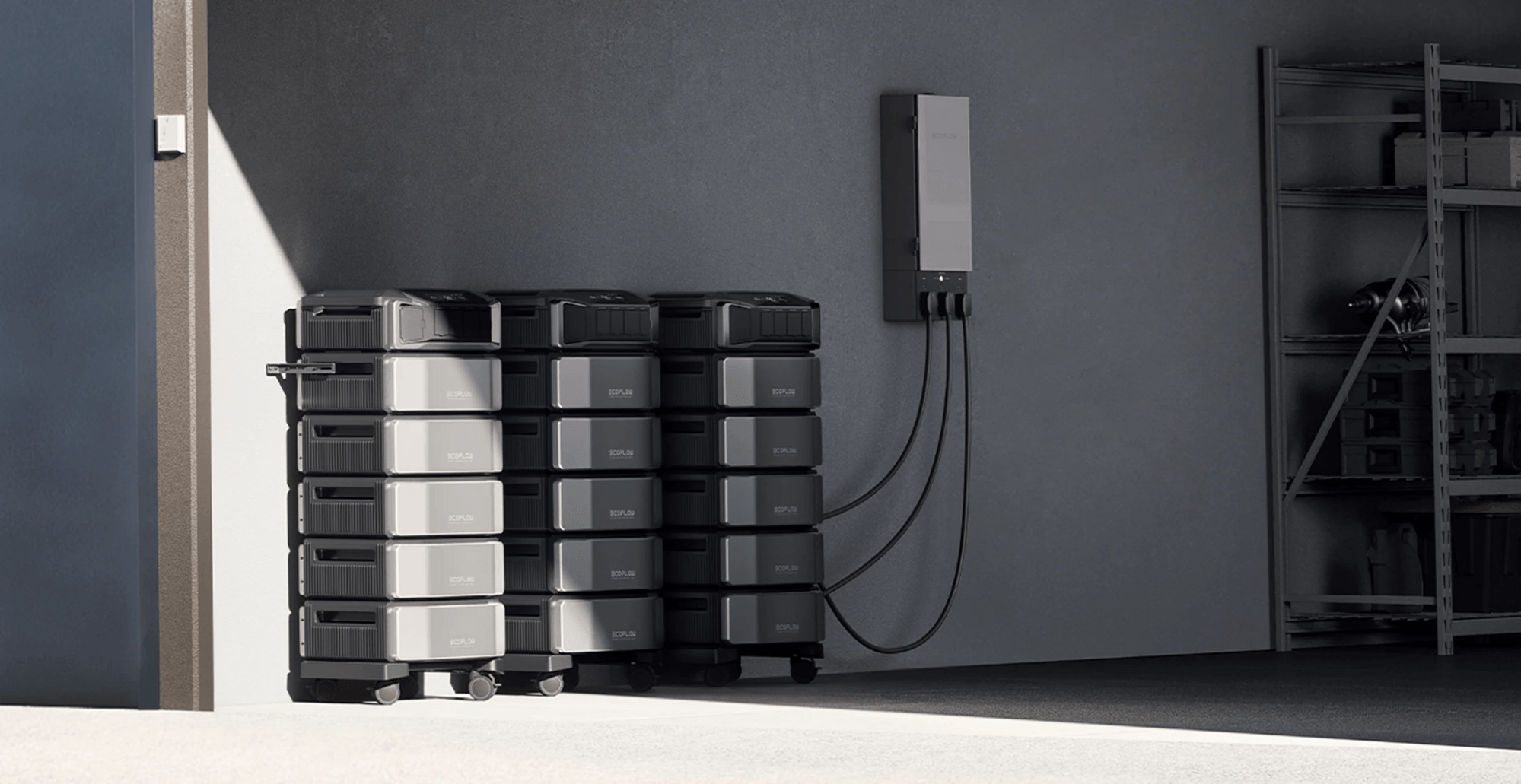
You never know when it may affect you, either. In areas where vog is more common, some households use backup power systems to keep essential medical devices like CPAPs running during poor air quality events.
When Vog Is Most Likely to Occur in Hawaii
Vog conditions in Hawaii change with volcanic activity and the weather. Several factors affect pollution levels, including:
Volcanic output: More sulfur emissions mean more volcanic smog.
Wind direction: Trade winds usually push these emissions away from certain areas, but when winds shift (like during Kona winds), it can spread widely.
Wind speed: Slower winds allow it to linger and concentrate.
Volcano proximity: Areas closer to the volcano, especially on the Big Island, tend to experience more exposure.
If you’re visiting Hawaii, volcanic smog is most noticeable on the Big Island because of Kīlauea, but under the right conditions, it can reach other islands, too.
How to Stay Safe During Vog Conditions
You can’t control volcanic eruptions, but a few disaster prep tips can reduce your exposure to vog.
Check today’s conditions: Awareness is everything. Always check local air quality reports and pay attention to wind conditions. If vog is drifting into your area, it’s time to adjust your plans.
Limit outdoor activity: Stay inside and use AC and fans to maintain cleaner air. Avoid going outside as much as possible. Even if you do need to leave your home, avoid strenuous outdoor activity.
Purify the air: HEPA air filters can help reduce harmful airborne particles. Running your AC on the recirculate setting can also keep your indoor air cleaner.
Bring your medications and medical devices: If you’re prone to asthma or have any health issues, be sure to bring your medication everywhere you go. If possible, keep a few extras on hand in case you need a refill but can’t get one in time.
Poor air quality can mean you’re running more devices indoors: air purifiers, fans, dehumidifiers, and even medical equipment. Having reliable backup power helps keep everything running without interruption.
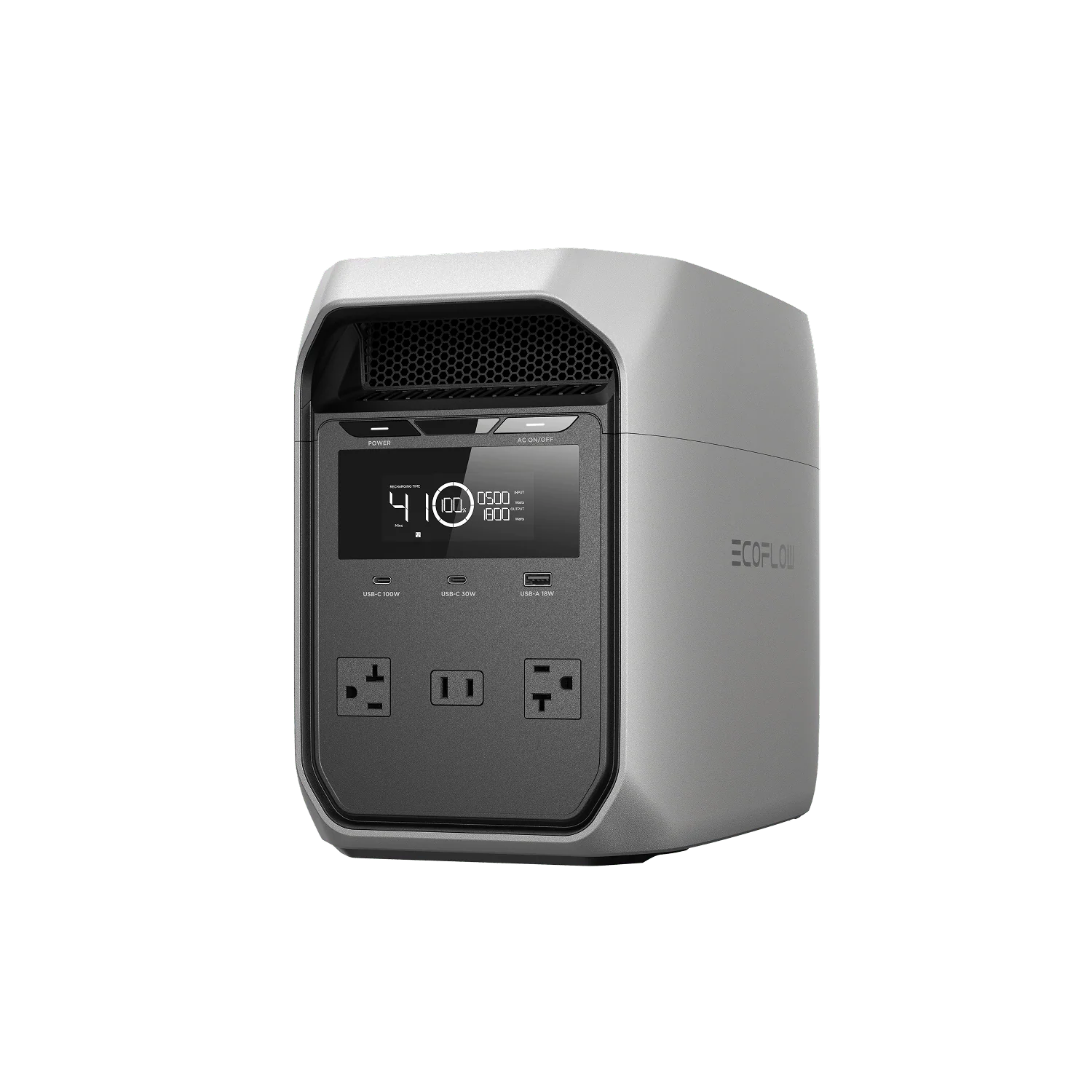
Portable power solutions like the EcoFlow DELTA 3 Classic can help keep those important devices running during periods of poor air quality. Since it operates without emissions, it’s safe for indoor use when used properly.
Travel Tips for Vog-Prone Areas
You don’t necessarily need to cancel your plans over volcanic smog. You just need to travel smart.
Follow these tips to plan a fun and safe trip:
Check before you go: If you’ve heard reports of vog around the island, always check volcanic conditions before you leave.
Be flexible: If one area has poor air quality, consider heading to another part of the island. There are plenty of indoor things to do in Hawaii. Museums, cafes, and cultural spots are great backups if outdoor conditions aren’t ideal.
Book accommodations with air control: Look for Airbnbs or hotels with good ventilation, AC, or air purifiers.
Pack for vog: Remember, this pollution irritates your eyes, nose, and throat. Bring eye drops and a water bottle just in case. If you’re sensitive to vog or have a health condition, don’t leave home without your medications or medical devices.
Frequently Asked Questions
What to Do if You Inhale Volcanic Smog?
First, get to a place with cleaner air, ideally indoors with the windows closed and a HEPA air filter. Drink water, rest, and avoid further exposure. You can use eye drops if your eyes are irritated. If symptoms like shortness of breath or chest tightness worsen, get medical attention, especially if you have a preexisting condition.
How Toxic Is Volcanic Smoke?
Vog can be harmful, especially with prolonged or repeated exposure. While most healthy people may just experience mild irritation, higher concentrations can lead to more serious respiratory problems. It’s also much more dangerous to the elderly, babies, people with respiratory issues, and anyone who’s pregnant.
Awareness Helps Travelers Stay Safe Around Vog
Vog is a natural part of Hawaii, but it doesn’t have to derail your trip. A little preparation goes a long way. Check air quality reports before you leave for the day, adjust your plans as needed, and make your indoor environment as clean as possible.
As always, if you feel the effects of vog, don’t hesitate to go to a local clinic for treatment. Safety always comes first.
Still, sheltering indoors requires a lot of power. If you’re relying on multiple devices, a portable power station like the EcoFlow DELTA 3 Classic can provide additional flexibility, especially during extended indoor stays.
For press requests or interview opportunities, reach out to our media team
media.na@ecoflow.com