Tornado Power Outage Preparedness: What to Have Ready Before, During, and After a Strike
- Why Do Tornadoes Cause Power Outages?
- What Should You Prepare Before Tornado Season?
- What Should You Do During a Tornado Warning?
- What Are the Most Important Things to Power After a Tornado?
- How a Portable Power Station Can Help After a Tornado Strike
- Frequently Asked Questions
- Stay Safe, Save Energy, Restore Faster
It takes just a few minutes for a tornado to knock out power, but it could take days or even weeks for the lights to come back on. You can’t control a tornado, but pre-storm prep can help you avoid scrambling for supplies when a storm is on the way.
Here’s what to do before a tornado, practical steps to take during a tornado warning, and how to keep devices online after the storm passes.
Why Do Tornadoes Cause Power Outages?
Tornadoes are a common cause of power outages in the US. Even relatively small tornadoes could leave homes without electricity, while stronger storms can knock out power across entire regions.
Put simply, tornadoes cause power outages by damaging the grid. Their high winds snap utility poles, tear down power lines, and damage transformers and substations. Flying debris, flooding, and hail that typically accompany tornadoes compound the damage.
Utility crews have to deal with a lot of obstacles to restore power. They have to assess damage, clear debris, repair equipment, and make sure conditions are safe before repairs can begin.
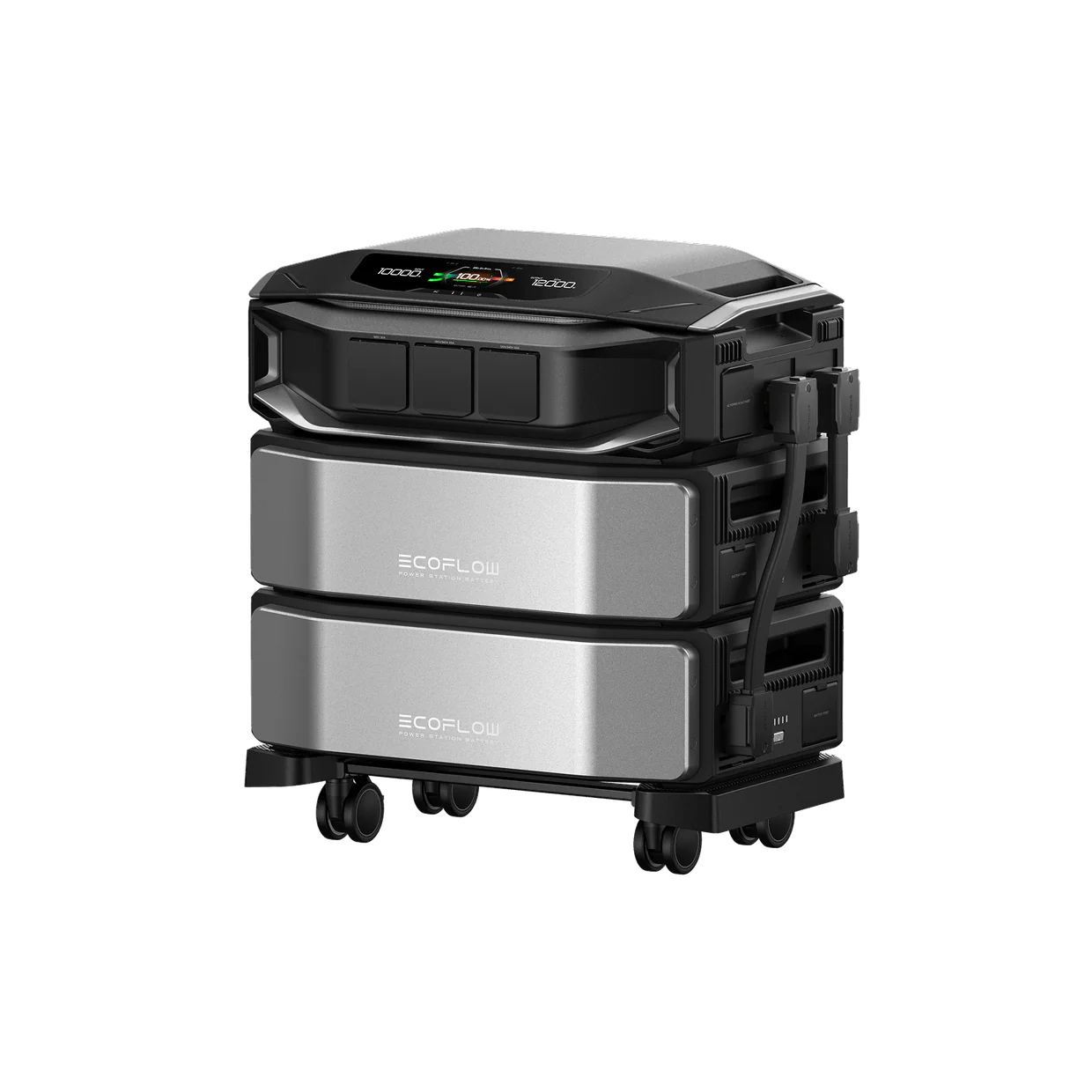
Surviving something like frequent Oklahoma tornadoes can also make it harder to recover between storms, putting you at greater risk of outages. That's why having a backup power source like the EcoFlow DELTA Pro Ultra X ready before storm season can make all the difference when the grid goes down for days at a time.
What Should You Prepare Before Tornado Season?
The best time to prepare for a tornado is well before peak tornado season, which runs from March to June. Some of the best ways to protect yourself include:
Choosing your shelter: Every household should have a designated tornado shelter. The safest option is usually a basement or storm shelter, but if those aren’t an option, go with an interior room on the lowest floor of your home. Avoid any rooms with windows if you can. You want as many walls as possible between you and the outside.
Stocking your shelter: Keep emergency supplies stored in this space year-round. Flashlights, batteries, bottled water, first aid supplies, and sturdy shoes should all be within easy reach.
Creating a communication plan: Cell service can go down during a storm, so you might not be able to call anyone locally. Choose an out-of-state friend or relative as your central point of contact. Family members can check in with that person if local communication networks become overloaded. Make sure everyone knows phone numbers by heart or keeps them written down in the emergency kit.
Protecting important documents: Store waterproof copies of identification, insurance policies, medical records, and property documents in your shelter. Digital backups in the cloud can also make recovery much easier if there’s any damage to your physical documents.
Preparing for outages: You don’t know how long a power outage will last after a tornado. Portable phone chargers are fine for minor storms, but they won’t help much during a multi-day outage. The EcoFlow DELTA Pro Ultra X provides a reliable power reserve for running everything from internet routers and refrigeration to medical equipment.
These are general rules of thumb, but if you’re dealing with tornadoes in Kansas or another storm-prone area, you’ll want to review your plans more frequently than once a year.
What Should You Do During a Tornado Warning?
A tornado warning means there’s a tornado in your area, which means you need to get to safety as soon as possible. That means:
Immediately move into your designated shelter.
Protect yourself. Keep your shoes on at all times. Tornadoes can leave behind broken glass, nails, and debris that can make evacuation difficult after the storm passes. Many families also keep helmets, heavy blankets, or mattresses nearby for additional protection.
Monitor the weather on your phone or radio.
Stay in your shelter until the weather service gives the all-clear.
What Are the Most Important Things to Power After a Tornado?
Now you need to assess the damage and find a way to get by when critical systems, like electricity, aren’t available.
After a storm, you should:
Prioritize systems that support health or safety: Charge phones and tablets so you can contact family members and receive emergency alerts. If anyone in your household relies on powered medical equipment, that should move to the top of the list, too.
Focus on lighting: Flashlights are great for the first few hours, but you’ll need something more reliable for longer outages. Either use battery-powered string lights or solar-powered lights inside your home. This is especially important if you're cleaning up debris or moving around after dark.
Preserve food: According to the FDA, refrigerated perishable food becomes unsafe in as little as 4 hours without power. You can use a portable power station to keep your refrigerator and freezer running so your food doesn’t spoil.
If you’re in an area that gets a lot of extended outages during tornado season, you could benefit from whole-home backup power solutions. It’s a bigger system than a portable battery, but it can support essentials for much longer. That added resilience can make a major difference during cleanup and recovery, especially when it could take a while for utility crews to repair the grid.
How a Portable Power Station Can Help After a Tornado Strike
Whole-home backups offer significant capacity, but what if you rent or just prefer a smaller system? Having a portable power source ready before storm season can make recovery much less stressful.
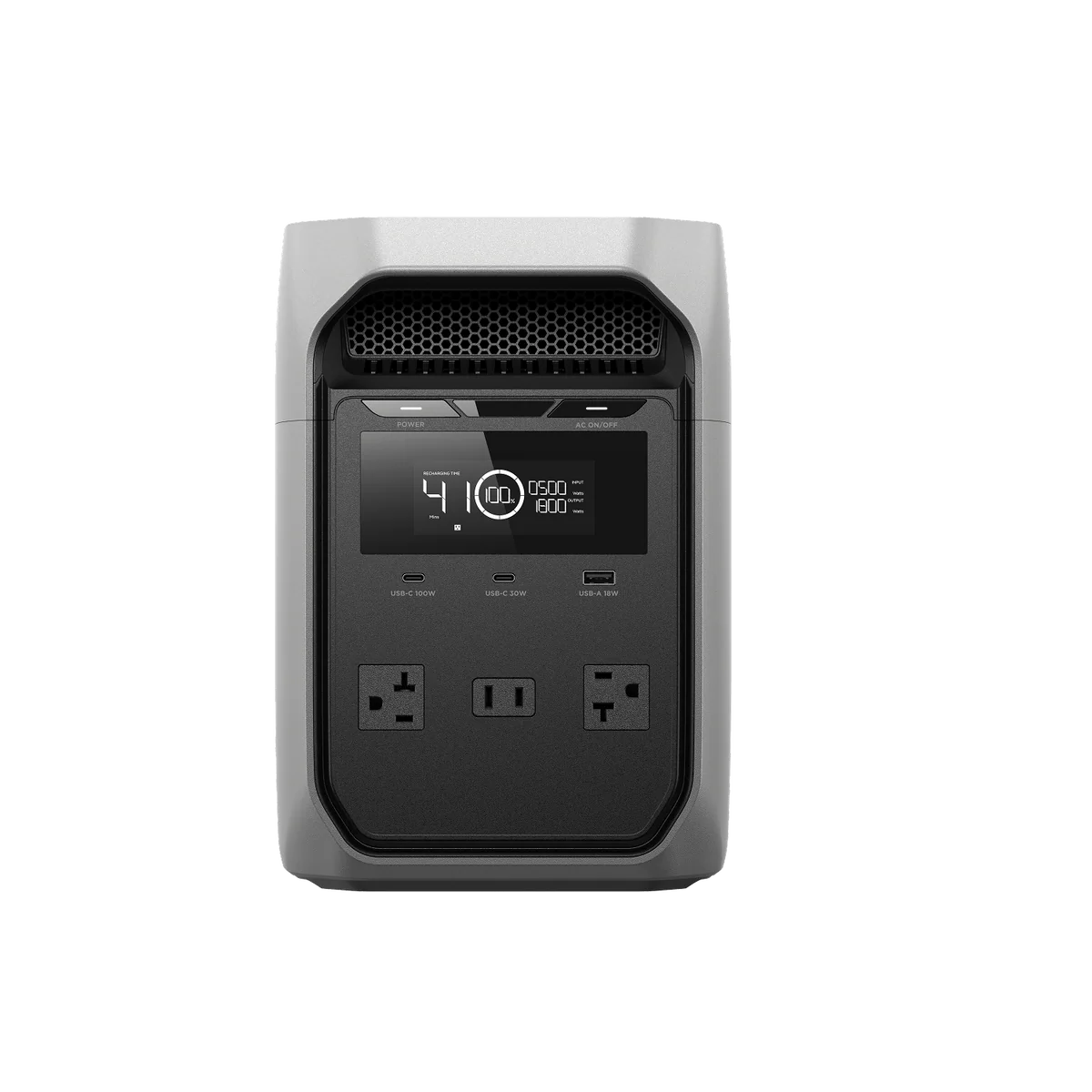
For example, the EcoFlow DELTA 3 Classic Portable Power Station gives you access to electricity without the noise, fumes, or fuel requirements of a traditional gas generator. You can use it to charge phones, power laptops, run lights, and keep radios online while you wait for the power to come back on.
The EcoFlow DELTA 3 Classic is also lightweight and portable, so you can easily fit it in your shelter or even your car if you have to evacuate. Because it can be recharged from multiple sources, including solar panels, it can continue providing power even during longer outages.
Frequently Asked Questions
How Long Do Power Outages Last After a Tornado?
It depends on how much damage the storm causes. Minor tornadoes may only knock out power for a few hours, while a severe storm can leave you without electricity for several days or even weeks. Restoration takes time — crews need to assess damage, clear debris, and make repairs safely. It's always best to plan for an extended outage.
What Should Be In a Tornado Emergency Power Kit?
Bring anything that protects your health or safety. Good items to keep on hand include flashlights, extra batteries, a battery-powered or hand-crank radio, phone charging cables, portable power banks, and backup lighting. A portable power station is also helpful for running phones, internet, and medical devices during longer power outages.
Stay Safe, Save Energy, Restore Faster
Tornado preparedness should ideally start well before storm season, but any prep is good prep.
Pick a place to shelter and stock it with essentials like food and water, medical equipment, and backup power.
Even if the electricity goes out, having a reliable power source can make a huge difference for your family’s comfort and safety. Explore the EcoFlow DELTA Pro Ultra X’s scalable setup to design a storm-ready system that’s ready the minute the grid goes down, or discover the EcoFlow DELTA 3 Classic to help keep your most essential devices running.
For press requests or interview opportunities, reach out to our media team
media.na@ecoflow.com