Will Super Bowl Power Outage Happen Again in 2026?
- Will the Super Bowl Experience Another Power Outage in 2026?
- The Most Famous Super Bowl Power Outage: What Actually Happened
- What Caused Power Outage at Super Bowl 2013
- Two Factors That Determine 2026 Outage Risk
- The Real Concern: Losing Power at Home During the Game
- Game Day Power Outage Prep You Can Do This Week
- Choosing Home Backup Power for a Few Hours of Football
- Staying Calm If the Lights Actually Go Out
- Stay Powered Through Kickoff
- FAQs
On February 8, 2026, Super Bowl LX begins at Levi's Stadium. People who were there in 2013 may wonder if it could happen again. There have been times when the power went out at stadiums, but these days, the venues have backup systems. Your house is more likely to be affected by winter grid strain.
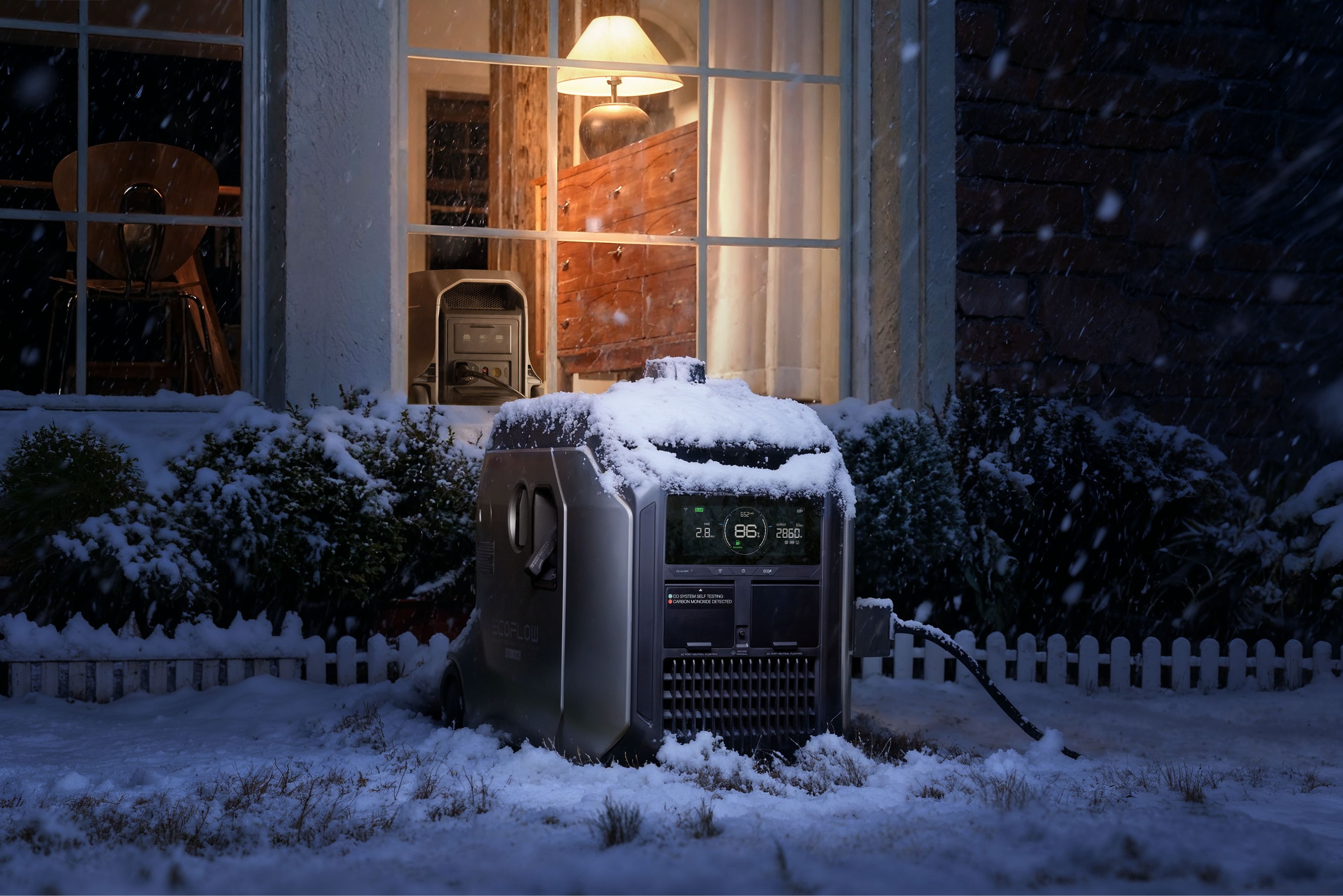
Will the Super Bowl Experience Another Power Outage in 2026?
Will the stadium black out? Highly unlikely. Modern stadiums don't have many problems at the venue level. There are several backup power lines at Levi's Stadium, and the NFL learned a lot from 2013.
Will you lose power at home? That's more realistic. The North American Electric Reliability Corporation says that there are a lot of supply risks in the winter of 2025–2026, particularly concerning fuel supply constraints and the grid's vulnerability to extreme weather. By February, when it's still cold outside, the grid is under a lot of stress from homes using heating and electricity.
The Most Famous Super Bowl Power Outage: What Actually Happened
On February 3, 2013, Super Bowl XLVII took place. It defined the phrase "power outage at the Super Bowl." In the third quarter, half of the lights at the Mercedes-Benz Superdome in New Orleans went out for 34 minutes. The Baltimore Ravens were ahead of the San Francisco 49ers 28–6 when the power failed. Players froze on the field. 71,024 fans lit up their phones, and while techs worked, announcers filled the time. The 49ers then came back and cut the lead to 34–31, but they lost. People have had "momentum shift" thoughts about this loss for years.
Game and Broadcast Impact
NFL rules say that for quality and safety, there must be a certain amount of light. 108 million people watched, and the problem messed up ad plans. Placements for brands that pay $4 million every 30 seconds were moved around. The amount of traffic on social media sites went over the halftime point.
Why It Felt Catastrophic
It was safe inside the Superdome; the backup lights came on, and no one got hurt. But many people had planned their nights around this event, and using their phones to report on it amplified the situation beyond its 34-minute runtime.
What Caused Power Outage at Super Bowl 2013
An electric company called Entergy looked into what happened and found that an electrical relay device was too sensitive. The relay turned off the power when it detected an abnormality to prevent equipment damage. But the threshold settings were overly cautious. An investigation after the event showed that the relay did its job, but it only reacted in scenarios that were not very dangerous.
The device was brand new and had been added during upgrades before the game. After the event, operators adjusted the settings and added more monitoring equipment.
The Failure Chain
Regular power was sent, but one of the relays noticed something was wrong and tripped. Half of the lights went out, the emergency backup was activated, and the power was restored through other lines. The system stopped any damage that might have been done to the power. The fix took 34 minutes of play time.
Why Half Power Still Stopped Play
NFL safety rules and TV rules both say that there needs to be full, even lighting. The uneven lighting puts players in danger and makes it hard for TV cameras to work, even when only half of the lights are on. There are liability rules for stadium managers that say all safety systems must be fully functional during events. Systems that only have some power are not allowed to operate.
The Ripple Effects Beyond the 34-Minute Delay
Advertisers took the biggest financial hit. Some ads lost their intended game-moment context. Others aired so late that East Coast viewers had gone to bed. Networks had make-good deals, but the Super Bowl has a unique reach—you're not just buying a big crowd, you're buying a national conversation happening right now.
When the game began again, the 49ers scored 17 points, which was almost enough to make up a 22-point deficit. Jim Harbaugh, the coach, said the break was good for his team. It was Ravens 34, 49ers 31 at the end of the game, turning the blackout into permanent trivia rather than a game-changing moment.
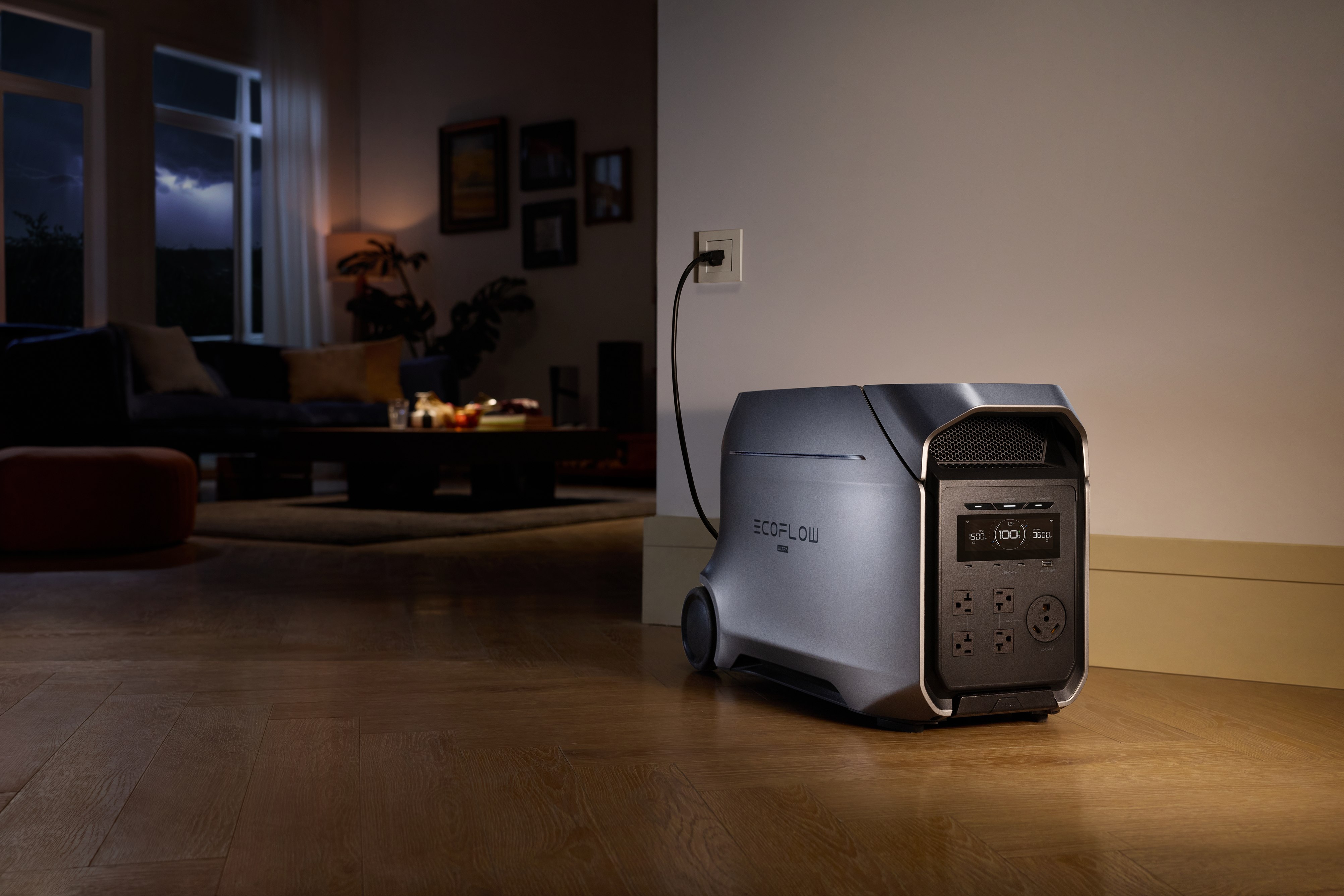
Two Factors That Determine 2026 Outage Risk
It will depend on how ready the stadium is and how stable the grid is if there are power problems at the 2026 Super Bowl. Both are important, but the risks are very different.
Factor 1: Stadium Infrastructure Is Built to Avoid Repeats
When Levi's Stadium opened in 2014, it was based on what was learned in 2013. A number of separate power lines from different substations connect the venue. If one fails, automatic switchgear quickly moves the load to another one. Back-up generators on-site keep important systems going even if the power goes out.
The Super Bowl adds temporary infrastructure. Even if the power goes out at the venue, the cameras can still work because the broadcasting trucks bring their own generators and extra cables. Things can still go wrong, but for the most part, you can count on them.
Factor 2: Winter Grid Stress Creates Broader Vulnerability
The winter assessment for 2025–2026 by the North American Electric Reliability Corporation shows that problems with fuel supply and production limits are more likely to happen when it is very cold outside. February 8th falls on a Sunday, when people often turn on their heaters as evening temperatures drop.
The rapid growth of data centers is adding to electricity demand, making the grid less flexible when usage peaks in certain areas. These loads are expected to keep rising, continuing to strain grid capacity.
The Real Concern: Losing Power at Home During the Game
Having to go without power at home is really scary. Levi's Stadium has backup plans for their backup plans while the game is going on. Most homes don't have this level of redundancy, which makes home outages more dangerous than any stadium risk.
Your Internet Usually Dies Before Your TV Does
Routers and modems always need power, so they stop working as soon as the power goes out. Fiber and cable equipment in the area also goes dark. Cell phone networks last longer, but they get backed up when big events happen. It gets even worse when nearby cell towers lose power.
Streaming the game? You'll get kicked out right away. While some set-top boxes have extra batteries, most don't. This means that your cable TV might last a little longer.
February Cold Poses Bigger Risks Than Boredom
Not only is it uncomfortable to lose heat in the winter, it can also be dangerous. Forced air heaters, heat pumps, and even gas furnaces with electric fans and ignition will not work if the power goes out.
Indoor temperatures don't drop as slowly as people think. People who live in homes that are poorly insulated are at risk for health problems right away, not days later.
Game Day Power Outage Prep You Can Do This Week
It's better to be ready than to rush around when it's dark. You can get basic prep done in 10 minutes, or go comprehensive in 24 hours. First, work on quick wins. Then, if you have time, add detail.
10-Minute Quick Check
● Each person should have their own flashlight and fresh batteries
● All phone charge cords should be in one easy-to-reach place
● Water bottles should be full and ready to go
● A manual can opener
● A list of people to call in an emergency
24-Hour Comprehensive Prep
● An AM/FM radio that runs on batteries for news and updates
● Things like energy bars, nuts, bread, and peanut butter that don't need to be cooked
● Extra blankets and clothes in case the heat goes out
● Key medicines that are all set to go
● Backup power ready for essential electronics
Choosing Home Backup Power for a Few Hours of Football
Match your power supply to your actual needs. Pick the right size based on what you need and how long you'll need it. Write down everything you want to run, then calculate the total load.
Start With These Three Calculations
Device wattage Check the labels on your TV (typically 100W to 400W), router (10W to 20W), and any other electronics. Add 20% as a safety margin.
Run-time requirements The Super Bowl lasts three to four hours, including commercials and breaks. You should add an extra hour to account for news before the game and the possibility of overtime.
Surge capacity Some devices draw more power during startup than normal operation. Your backup system needs headroom to handle these brief spikes without shutting down.
Three Common Game Day Power Setups
Network Priority Setup (around 100W)
● Router and modem
● Phone charging
● LED lighting
● Run time needed: Four to five hours
Full Entertainment Setup (around 400–600W)
● TV 55 to 65 inches
● Cable or streaming box
● Soundbar or speaker
● Ambient lights
Winter Comfort Setup (around 800-1500W)
● All the entertainment components
● An electric blanket or small space heater
● A coffee maker for breaks
● Multiple charging stations
● Run time needed: At least five hours
For households that need both heating and entertainment, a portable power station can handle your TV, router, and lights for the entire game. The EcoFlow Delta 3 Ultra Plus offers 3072Wh capacity—enough for 4+ hours even with a small space heater running intermittently. With five AC outlets, you don't need to juggle adapters. The 1800W AC charging gets you from 0% to 80% in about 90 minutes, so you can prep even on game day morning.
Staying Calm If the Lights Actually Go Out
Priorities are important when the power goes out. First should be safety and information, then comfort, and finally entertainment.
Focus on confirming the outage scope, protecting your equipment, and preserving battery life.
Three Immediate Actions
Confirm outage scope: Make sure you know how bad the power outage is. You can call the automatic line for your energy company or check to see if your neighbors also lost power. Knowing whether it's just your house or the whole area can help you figure out how long it will take to fix.
Disconnect high-draw appliances: Unplug space heaters, irons, and other heavy loads to avoid surge damage when power returns. Leaving everything plugged in can overload circuits during restoration.
Preserve battery reserves: To make backup power last longer, turn off lights and gadgets that you don't need to use. If the power goes out for longer than expected, every extra percentage point on the phone battery could make a difference.
Making Your Power Last Longer
Battery runs out quickly when the screen is bright. Put your phone in low-power mode and turn down the brightness. Use any extra power to start up your router first. When you connect to the internet, you can read things, watch movies, and talk to other people.
Do not use things that use a lot of power unless you have to. Hair dryers, coffee makers, and microwaves drain portable batteries in minutes. Keep some room for what you need.
Stay Powered Through Kickoff
Stadiums don't lose power very often, but home grid stress in the winter is real. Simple planning can keep you safe while you watch and keep your home comfortable. Check your flashlights, calculate your backup needs, and get ready before kickoff. When EcoFlow is with you, you can focus on the important plays.
FAQs
Q1: Can a portable power station run my TV for the entire Super Bowl?
Depending on their size, most new TVs use 100W to 400W. A small 1000Wh power station can easily power a 200W TV for four to five hours, which is long enough to watch the whole game. The sticker on your TV will tell you the exact number of watts it uses. Once you have that number, multiply it by 4 hours and add your router, soundbar, and lights to get the full load.
Q2: Will my internet still work during a power outage?
Your home router and modem will be dead as soon as the power goes out. Some fiber and cable network equipment in the area has battery backups that can keep your connection running for two to four hours if you power your home devices. Cellular networks stay up longer but get busier as more people switch to them. Powering your router with backup battery is the best way to keep your connection.
Q3: How long can my house stay warm without power in February?
When it's not too cold outside, well-insulated homes can stay at a comfortable temperature for four to six hours. It only takes two to three hours for places that aren't well sealed or are very cold to become uncomfortable. Small children, elderly family members, and people with health conditions are more likely to face risks faster. Close the doors, stop any drafts, and stay in one room to keep the heat in.
Q4: What's the difference between a generator and a portable power station?
Generators give off carbon monoxide when they burn fuel, so they can't be used inside. They make a lot of noise and need ventilation. Portable power stations don't make noise, are safe to use inside, and don't produce emissions. Generators are a more reliable way to back up power for the whole house. Power stations make it safe and easy to use some electronics when the power goes out for a short time.
Q5: Should I unplug my TV before power comes back on?
When power returns, voltage spikes can damage electronics. Unplugging devices before power returns adds protection, especially for expensive equipment. At the very least, use surge protectors. If you're home when power returns, wait 30 to 60 seconds after lights return before plugging in major electronics—this lets voltage stabilize.
For press requests or interview opportunities, reach out to our media team
media.na@ecoflow.com