From Ice to Flooding: Preparing for Spring Thaw and Storm Damage
- Why Spring Thaw and Storms Flood Homes So Fast
- Find Your Home’s Biggest Water Entry Points Before the Thaw
- Spring Thaw Flood Readiness Checklist for Homeowners
- What to Do During a Thaw-Driven Flood or Severe Storm
- Power and Safety Plan for Outages During Flood Conditions
- Frequently Asked Questions
- Protect Your Home Now, So You Recover Faster Later
As temperatures rise and snow melts, the spring thaw and excess rainfall can pose a significant flooding risk. Preparing early can help reduce the risk of damage and keep your home and family safe.
Read on to learn more about how you can best safeguard your home and family against flooding.
Why Spring Thaw and Storms Flood Homes So Fast
When temperatures rise in the springtime, the resulting snowmelt often causes significant flooding. If the ground is still partly frozen, the soil can’t properly absorb all the melting snow water.
As a result, the water moves around the surface, gathering around low spots in a house’s foundations and slipping into its small openings.
This flooding is made worse during “rain-on-snow” events, when heavy precipitation falls on top of already melting snow, making it difficult for the excess water to be absorbed at once.
This can quickly overwhelm drainage systems and increase the risk of water entering your home.
Find Your Home’s Biggest Water Entry Points Before the Thaw
One of the best methods of protecting your home from water damage is to inspect it before the thaw.
When you notice those early signs of spring — the start of rising temperatures and melting snow — walk around your home and inspect potential areas that might be susceptible to water damage.
Roof Runoff: Gutters and Downspouts
Roof runoff plays a major role in how much water collects around your home during the spring thaw.
Check for clogged gutters, which can cause water to spill over and pool near your foundation.
Ensure downspouts extend several feet away from your home.
Keep gutters clear so melting snow and rainwater can drain properly.
Basement Protection: Sump Pumps and Backups
Sump pumps help prevent flooding by removing water from basements and foundations.
Inspect your sump pump to ensure it’s in good working condition.
Hire a professional if you’re unsure how to check it yourself.
Install a sump pump if you live in a flood-prone area and don’t already have one.
To improve reliability:
Consider adding a battery-powered backup so your pump continues working during outages.
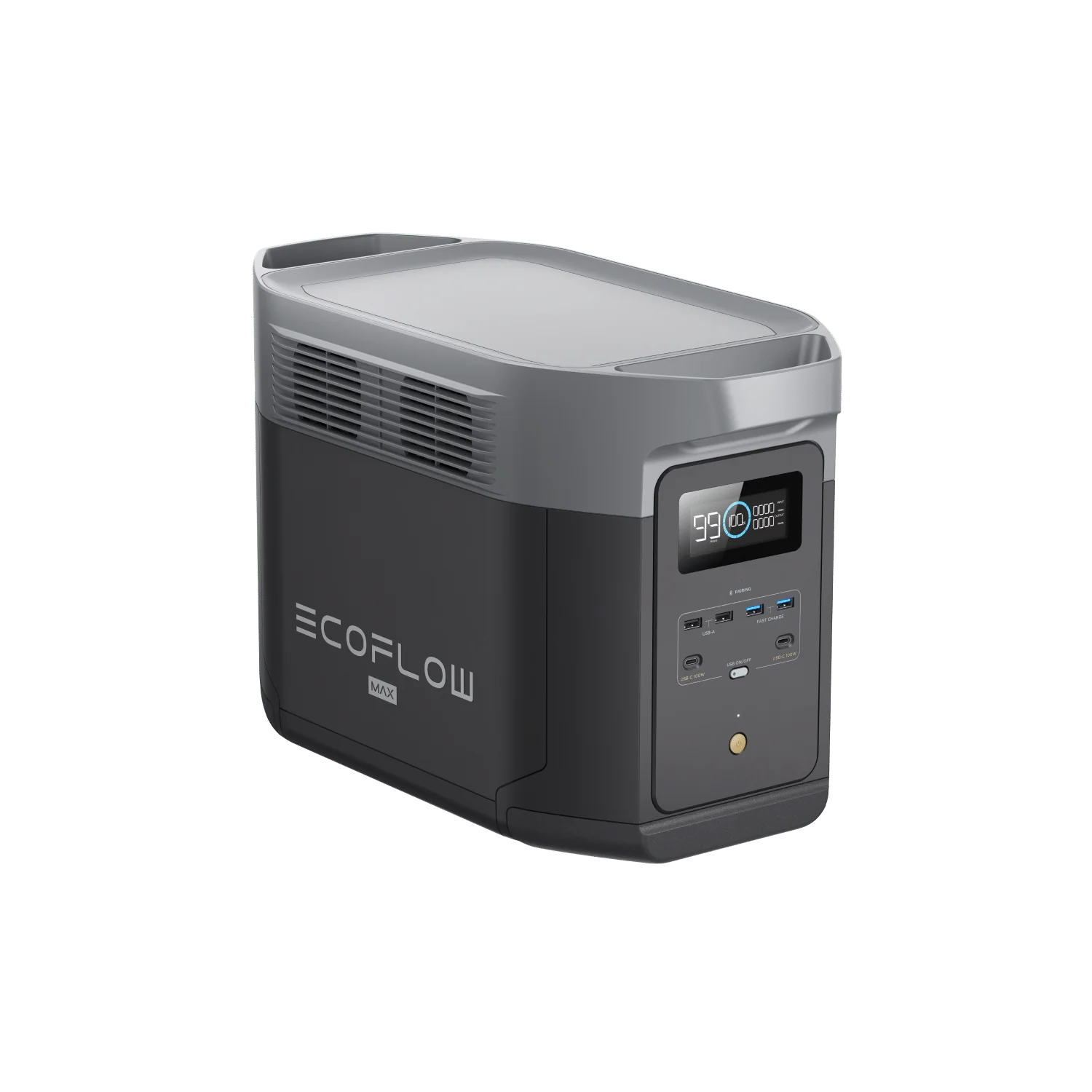
Portable power solutions, such as the EcoFlow DELTA 2 Max, can help keep essential systems like sump pumps running in emergencies.
Sewer System: Preventing Backups
Flooding can overwhelm sewage systems and cause backups into your home.
Inspect your sewage network as part of your pre-thaw check.
Install backflow valves on basement sewer connections.
These valves help prevent water and sewage from re-entering your home.
Foundation and Yard Grading
Water should always flow away from your home — not toward it.
Look for low spots around your foundation where water can collect.
Ensure your yard slopes away from your home.
If needed, hire a landscaper or regrade the area yourself.
Proper grading reduces the risk of water pooling and entering your basement.
Spring Thaw Flood Readiness Checklist for Homeowners
If a flood is coming, use the time you have to prepare your family and your house for the possibility of disaster. Below are some flood readiness steps for you to consider:
Planning and Preparation
Consider flood insurance: Review and update coverage before flood season.
Know your flood risk: Check FEMA or local agencies to understand your exposure.
Make a flood emergency supply kit: Having emergency supplies on hand can make a huge impact on disaster readiness. Make sure you have non-perishable food, water, and medical supplies to last at least three days per person. In high-risk areas, the Red Cross recommends up to two weeks of supplies.
Make a Family Safety Plan: Create a flood plan with evacuation routes, emergency contacts, and designated meeting areas.
Protecting Your Home and Belongings
Protect valuables: Relocate irreplaceable items to upper floors or higher shelves.
Move appliances up: Elevate objects such as water heaters, electrical panels, and HVAC systems above known flood levels.
Shovel snow away from your house and window-wells: This simple action can put some distance between your house and snowmelt.
Water Flow and Drainage Control
Clear gutters, downspouts, and basement floor drains: Check for build-up and blockages that can cause water to pool near your home’s foundation or in your basement.
Inspect basement windows and window-wells: Check these parts of your location to make sure they’re clear of debris and properly draining.
Sealing and Structural Protection
Seal cracks in the foundation: Use waterproof sealant to cover up cracks in your basement walls and in the foundation of your home.
Sump Pump and Backup Systems
Examine sump pump system: You or a professional should inspect it to make sure it’s in good working condition.
Install backflow valves: Doing so can prevent sewage backups during storms and heavy rainfall.
What to Do During a Thaw-Driven Flood or Severe Storm
During a flood or severe storm, follow your safety plan and take the following steps:
Stay informed using radio, mobile apps, or local alert systems, whether you evacuate or remain indoors.
Evacuate immediately if local authorities instruct you to do so.
If evacuating, bring your flood emergency kit and follow your pre-planned route.
Avoid driving or walking through floodwaters, no matter how shallow they appear.
If staying home, move to higher floors and bring your emergency kit with you.
Avoid contact with electrical outlets, cords, and plugs.
Use a portable power station to keep essential devices like lights and phones charged.
Stay indoors until local authorities confirm it is safe to leave.
Power and Safety Plan for Outages During Flood Conditions
Flooding can cause widespread power outages, often cutting off access to lighting, communication, and critical home systems when you need them most. Without electricity, staying informed and connected to emergency services becomes significantly more difficult.
Having a reliable backup power solution in place helps you maintain access to essential devices and systems, improving both safety and comfort during flood conditions.
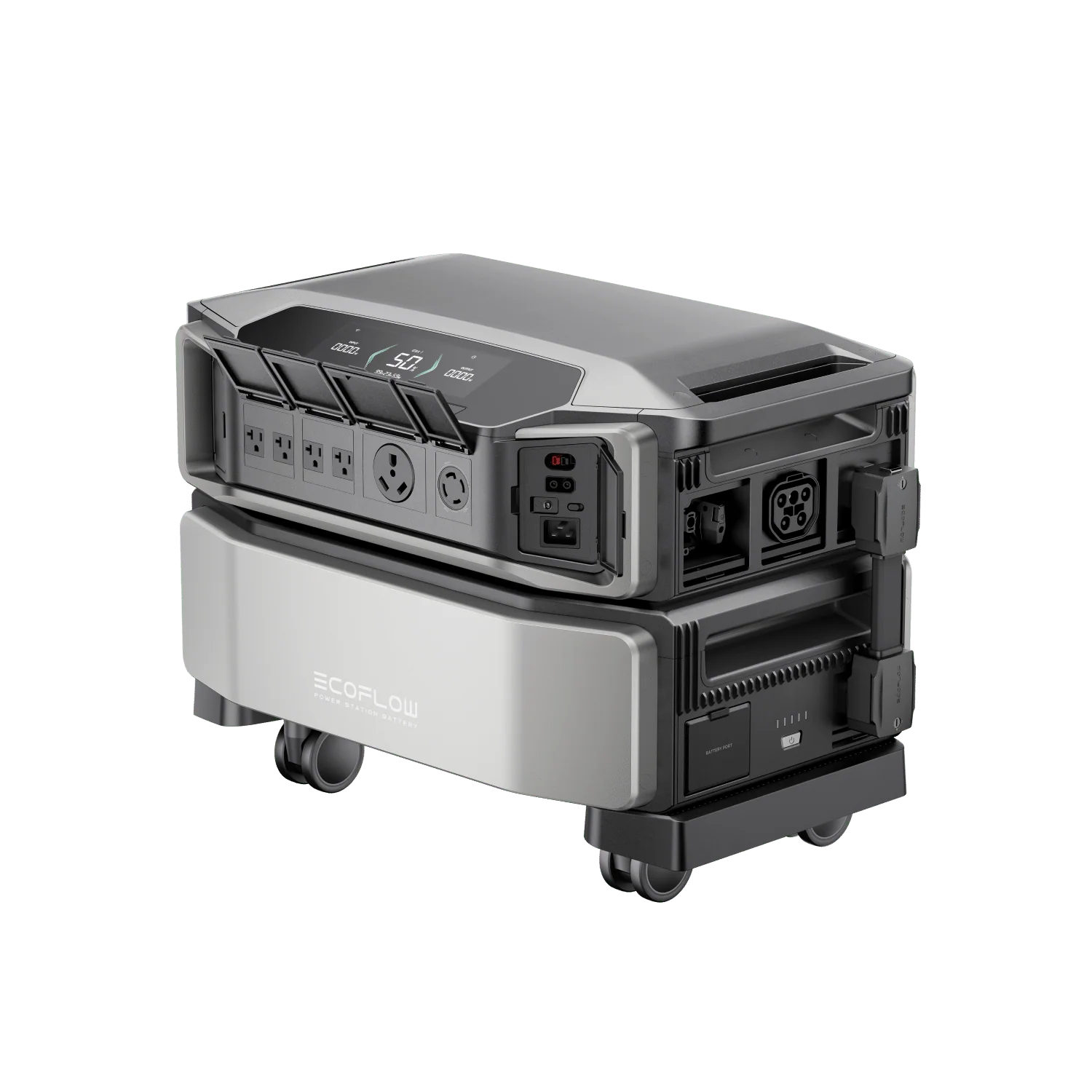
Keeping Essentials Running With EcoFlow DELTA Pro Ultra and Whole-Home Backup Options
EcoFlow offers scalable backup power solutions designed to keep your home running during outages.
High-capacity systems like the EcoFlow DELTA Pro Ultra provide safe, battery-powered energy that can support essential appliances such as refrigerators, sump pumps, lighting, and communication devices during emergencies. This is especially important during flooding, when water management systems and continuous power are critical.
When paired with the EcoFlow Smart Home Panel 3, the system can automatically switch to backup power when an outage is detected, helping minimize disruption and maintain continuity for key circuits in your home.
For extended outages, the system can also be paired with solar panels or other charging options to help maintain power for longer periods.
Frequently Asked Questions
What Is the Biggest Cause of Basement Flooding During Spring Thaw?
Snowmelt combined with heavy rain can overwhelm drainage and lead to basement flooding. When the ground cannot absorb the excess water, it can leak via gaps in the walls, windows, and window-wells.
Should I Run My Sump Pump Continuously During Heavy Melt or Rain?
During heavy melt or rain, it’s normal for a sump pump to automatically run every 1–3 minutes. Once the rain or melt stops, the pump should slow down significantly within a few hours and stop within 24 hours. If your pump runs nonstop for many hours with no break, it may have an issue.
What Should I Unplug or Move First if Water Is Entering My Basement?
Do not enter a flooded area that has electrical outlets or appliances in it. If you can safely access your circuit breaker without coming into contact with the flooded area, turn off the power. If you cannot access it safely, call the utility company or a licensed electrician to disconnect power.
How Do I Prepare for a Power Outage During Flooding Without Using a Gas Generator Indoors?
Consider electric generators and portable power stations for alternative energy sources during a power outage, such as the EcoFlow DELTA Pro Ultra.
Protect Your Home Now, So You Recover Faster Later
Although spring thaw poses the threat of flooding and water damage to your home, there are a variety of steps you can take to protect your family, your home, and yourself from the dangers of flooding.
Actions such as creating an emergency kit, making a family safety plan, sealing any cracks in your home’s foundation, and having backup power options can go a long way in ensuring your safety.
For press requests or interview opportunities, reach out to our media team
media.na@ecoflow.com