Which Type of Space Heater Offers the Best Efficiency?
When winter arrives, and your heating bills begin to rise, you naturally find yourself looking for a space heater that won’t break the bank. Infrared and ceramic fan heaters are two of the most popular choices for efficient spot-heating in everyday use. But here is the part that nobody will tell you: even the most efficient electric space heaters won’t help during an outage unless you have backup power. This article covers heater efficiency for everyday use and why backup power ultimately matters more during outages.
Which Electric Space Heaters Are Most Energy-Efficient?
Not all space heaters are the same, and the differences affect how they deliver that warmth. Here are the primary types you can get in any hardware store.
Infrared Space Heaters
They function similarly to the sun; they directly heat a person or object rather than warming up the air in between. It will warm up instantly if you stand in front of it. Great for warming yourself up in your home office or warming up that one corner of your living room where it always feels colder. DOE notes that infrared heaters can be a good option when you’re heating people directly in the line of sight, rather than trying to heat the entire room air volume.
Ceramic Space Heaters
Ceramic heaters use a fan to blow the air over ceramic plates. They’re popular for quickly bringing comfort to smaller rooms, which is why they’re common as bedroom or small office heaters. These are the trusty workhorses of space heaters. They’re very affordable and do a decent job of heating the room. They cool down quickly, too, in case you have kids/pets running around.
Oil-Filled Radiator Space Heaters
These look like they are from the Stone Age. But they have one trick up their sleeves. Oil-filled radiators warm up gradually but continue to radiate warmth long after they’ve been turned off. This is handy because they don’t have to turn on and off as much, which saves electricity. Additionally, they are completely noiseless. However, they take an eternity to warm up at first, so don’t look to them for instant warmth.
Micathermic Space Heaters
These are basically a cross between the two. They offer the speedy heating of infrared, along with the room-heating abilities of convection heaters. They are slim, portable, and completely silent, as they do not have a fan. This technology is a bit less prevalent, which makes it more expensive, but if you dislike the sound of a fan or if you would rather it not be so large, it might be the way to go. All these models can feel “efficient” in different real-life situations, but your electricity cost still depends mainly on the heater’s wattage and how long it runs.
How Much Do Different Space Heaters Cost to Run?
Let's talk dollars and cents. The average U.S. residential electricity rate in the U.S. is about $0.180 per kilowatt-hour, though it varies by state. A typical 1,500-watt space heater running at full blast costs roughly $0.27 per hour to operate (1.5 × $0.18 = $0.27).
Here's what that looks like over time:
It’s important to note that when heaters run at the same wattage for the same amount of time, different heater types (infrared, ceramic, micathermic, etc.) It usually costs about the same to operate. What really changes your real-world cost is the power setting, how long you run it, and whether a thermostat allows the heater to cycle on and off.
Note: Estimates assume an electricity rate of ~$0.18/kWh and a 1,500W heater running at full power.
Heater Type | Cost Per Hour | 8 Hours Daily | Monthly Cost (30 days) |
Infrared | $0.27 | $2.16 | $64.80 |
Ceramic | $0.27 | $2.16 | $64.80 |
Oil-Filled | $0.19–$0.27* | $1.52–$2.16 | $45.60–$64.80 |
Micathermic | $0.27 | $2.16 | $64.80 |
*Oil-filled models may cycle on/off to maintain temperature, so the average running cost can be lower depending on room insulation and thermostat behavior.
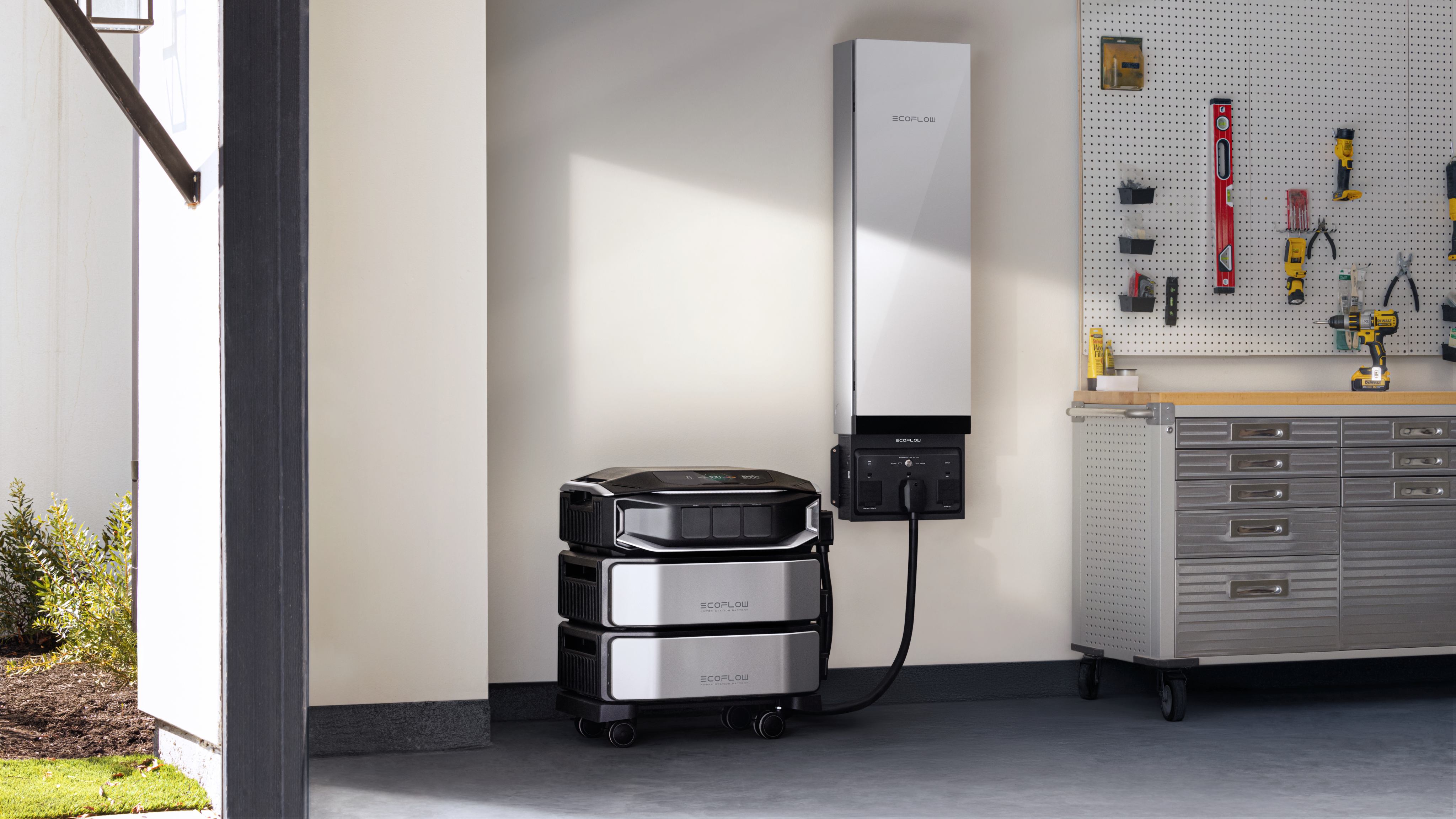
For space heaters for large rooms, you might need multiple units or higher-wattage industrial models, which can significantly increase your monthly bill. A 3,000-watt (3.0 kW) heater doubles your cost per hour (about $0.54/hour at $0.18/kWh). If you’re trying to back up multiple devices at once (heater + fridge + Wi-Fi + lights), that’s also where higher-output, split-phase systems like EcoFlow DELTA Pro Ultra X start to make practical sense—because you’re no longer planning for “one device,” you’re planning for a mini version of normal life.
What Happens When the Power Goes Out?
Let me tell you the hard truth: all electric space heaters stop working when the grid goes down—unless they’re powered by a generator or battery backup. Believe it or not, even if you’re using the most advanced electric space heater available—the infrared type, ceramic space heaters, oil-filled space heaters, or the latest micathermic varieties—you can’t use them once the power is out.
Every Electric Space Heater Has One Common Fault
It’s not merely inconvenient to lose power during wintertime in America—it’s also potentially perilous. According to the Energy Information Administration of the United States of America, in 2024, consumers experienced an average of about 11 hours of electricity interruptions per year, which is close to double the average reported over the prior decade.
When it is freezing, and you are huddled in darkness with no heating in sight, “energy efficiency” is clearly of lesser importance to you.
Your expensive infrared heater? It's dead. That quiet oil-filled radiator? Cold metal. The ceramic heater about which you just spoke so highly for its ability to heat so quickly? Utterly worthless. They all have one thing in common: a functional electrical grid.
Why Winter Blackouts Hit Harder
Winter is when the power grid is under an enormous amount of stress. Power demand spikes when everyone turns up the heat at the same time, usually in morning and evening peaks. Add an ice storm or blizzard that breaks power lines, and it's no wonder that outages are common. The U.S. Department of Energy has reported that weather-related outages have increased sharply since 2011, and that major events account for much of the year-to-year change in outage duration.
The Real Dangers of Losing Heat
If you are left without electricity for 12, 24, or even 48 hours in sub-freezing conditions, the threat of hypothermia and even death is a reality. Frozen and broken pipes, spoiled food, malfunctioning medical equipment, and a dead phone in the middle of an emergency are just a few consequences you can look forward to, and you’ll quickly discover that having a space heater, even one that is the most efficient on the market, is pointless without a power supply.
Is Backup Power More Important Than Space Heater Efficiency?
Yes. The most efficient space heater for home use is worthless if it can't run.
Winter Power Needs Beyond Heating
When the power goes out in winter, your space heater isn't your only concern. You need:
Lighting for basic safety and to prevent accidents in the dark
Refrigeration to keep food from spoiling (you can't just put it outside if it's too warm)
Medical equipment like CPAP machines, oxygen concentrators, or medication refrigerators
Communication devices to stay informed and call for help if needed
Water pumps if you're on a well system
Real Solutions for Winter Power Outages
Forget worrying about whether ceramic or infrared is more efficient. Focus on having backup power:
Portable Power Stations: These battery packs can run a 1,500-watt space heater for around 1–3 hours, depending on capacity and efficiency. Models like the EcoFlow DELTA Pro Ultra X can handle multiple heavy-use devices simultaneously and even a whole house. They're quiet, indoor-safe, and recharge via solar panels or wall outlets.
Home Battery Systems: Larger setups can power essential circuits for days, depending on capacity and what you choose to run. They're expensive (often in the five-figure range installed) but provide whole-home backup.
Generators: Gas or propane generators offer the most runtime, but must be used outdoors due to carbon monoxide. Dual-fuel models provide flexibility.
To size your backup power, add up everything you need to run. A typical scenario might be:
Space heater: 1,500W
Refrigerator: 600W (when running)
LED lighting: 100W
Phone charging: 20W
Total: ~2,200W minimum capacity needed
Add 20-30% buffer for surge power and inefficient losses.
Secure Your Heating When the Grid Fails
Infrared and ceramic heaters offer solid efficiency for everyday use, but that efficiency means nothing when the grid goes down. Winter preparedness isn't about finding the perfect space heater; it's about ensuring you have the power to run it when you need it most.
If you want a whole-home backup approach that can handle real household loads and keep critical circuits running through winter outages, EcoFlow DELTA Pro Ultra X is a strong fit built with split-phase 120V/240V power, high output headroom, and scalable capacity so you’re not forced to “pick one device” when the lights go out.
FAQs
Q1. Can I Connect a Space Heater to a Portable Power Station?
Yes, but do watch the wattages and the capacity. You don’t want a 1,500-watt heater to suck the life out of a portable power bank. Even better would be to stick with a lower-wattage heater to stretch the life of the battery and then alternate heating and letting the space ride the heat of residual warmth. Some of the newer versions will even recharge themselves via solar panels during the day.
Q2. Are Propane or Kerosene Heaters Better Backup Options Than Electric?
Both propane and kerosene heaters do not require the use of electricity. Consequently, these are excellent backups in the event of an emergency. Nonetheless, you will need proper ventilation if you do not want carbon monoxide poisoning. Public health and safety agencies warn that fuel-burning heaters can create dangerous CO buildup if used improperly in enclosed spaces. For emergency conditions, an electric heater with battery backup can be safer when used within the battery system’s limits.
Q3. How Long Will My Backup Power Last During the Outage?
It’s all a matter of your battery capacity and what you're powering. Higher-wattage loads shorten runtime dramatically, while lighter loads can run much longer. The trick is load management: heat the room, and then coast while charging devices or running critical electronics.
For press requests or interview opportunities, reach out to our media team
media.na@ecoflow.com