Seasonal Affective Disorder (SAD): Lighting Tech to Combat Winter Blues
- How Daylight Regulates Circadian Rhythms and Mood
- Light Therapy for SAD: Options and What to Expect
- Starting Early: Preventive Use and Seasonal Readiness
- Safety, Side Effects, and Important Considerations
- Complementary Approaches That Support Light Therapy
- Practical Tips for Maximizing Light Exposure in Daily Life
- Reliable Power for Lighting During Dark Winter Days
- Frequently Asked Questions
- Brighter Days Start with Better Light
Seasonal Affective Disorder (SAD) is a form of depression that typically appears during the fall and winter months, when daylight hours shrink, and people spend more time indoors. While symptoms vary, many people experience low energy, mood changes, sleep disruption, and difficulty concentrating. Because SAD is closely tied to reduced light exposure, lighting technology has become one of the most widely studied and effective tools for managing symptoms during darker seasons. Let’s take a closer look:
How Daylight Regulates Circadian Rhythms and Mood
Natural daylight plays a key role in regulating the body’s circadian rhythm—your internal clock that governs sleep, hormone release, and alertness. Morning light exposure helps signal the brain to reduce melatonin (the sleep hormone) and increase serotonin, which supports mood and focus.
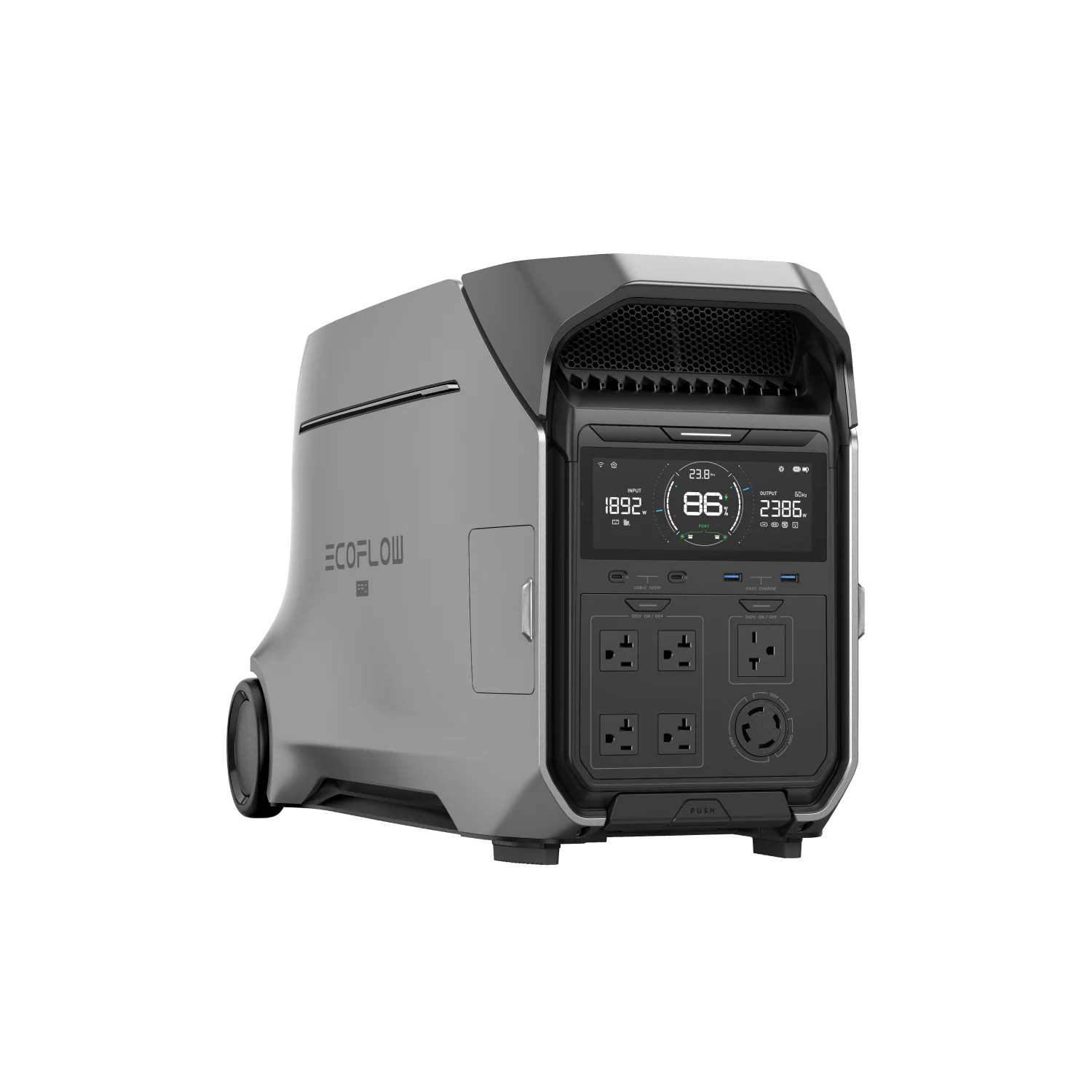
During winter, shorter days and weaker sunlight can disrupt this balance. The brain may continue producing melatonin later into the morning, leading to grogginess and low energy. Over time, this misalignment can contribute to the emotional and physical symptoms associated with SAD. That’s why maintaining consistent access to bright indoor lighting—supported by dependable power sources like the EcoFlow DELTA Pro 3—can help people stay aligned with healthy light routines even when daylight is limited.
Light Therapy for SAD: Options and What to Expect
Light therapy is often recommended as a first-line treatment for SAD because it directly addresses reduced daylight exposure. It typically involves sitting near a specialized light source each morning, especially during fall and winter.
Light Boxes, Brightness, and Daily Timing
Most light therapy devices are designed to emit bright, white light that mimics outdoor daylight. Common recommendations include exposure to a light box delivering around 10,000 lux for 20–30 minutes each morning, ideally soon after waking.
Consistency matters more than duration. Using light therapy at the same time each day, especially in the morning, helps reinforce a stable circadian rhythm. Many people incorporate sessions into their morning routines, such as while eating breakfast or reading.
What Light Therapy Can (and Can’t) Do
Light therapy has been shown to improve mood, energy levels, and sleep timing for many people with SAD. However, it isn’t an instant fix and may take several days or weeks to produce noticeable changes.
It’s also not a replacement for professional mental health care. People with severe symptoms or underlying mood disorders should consult a healthcare provider before starting light therapy, particularly if they experience eye sensitivity or bipolar disorder.
Starting Early: Preventive Use and Seasonal Readiness
One common mistake is waiting until symptoms peak before taking action. Many clinicians recommend starting light therapy in early fall, before mood changes become disruptive, to help prevent the onset of SAD symptoms.
This approach mirrors broader seasonal readiness strategies: anticipating winter conditions and preparing ahead of time. For people who rely on consistent indoor lighting during darker months, especially in areas prone to outages, having a dependable power source can help ensure daily routines—including morning light exposure—stay uninterrupted.
Safety, Side Effects, and Important Considerations
Light therapy is generally considered safe, but some users experience mild side effects such as headaches, eye strain, or nausea, particularly during the first few sessions. These effects often resolve by reducing session length or adjusting distance from the light source.
It’s important to use devices specifically designed for light therapy, as regular lamps don’t provide the necessary brightness or spectrum. People with eye conditions or those taking medications that increase light sensitivity should seek medical guidance before use.
Complementary Approaches That Support Light Therapy
While lighting plays a central role in managing SAD, it’s most effective when combined with other supportive habits. Regular physical activity—even light movement like walking—can help regulate mood and sleep. Maintaining a consistent sleep schedule also reinforces circadian alignment.
Nutrition and social connection matter, too. Balanced meals, adequate vitamin intake, and staying socially engaged can reduce feelings of isolation that sometimes accompany the winter months. Light therapy works best as part of a broader, holistic approach rather than a standalone solution.
Practical Tips for Maximizing Light Exposure in Daily Life
Beyond light boxes, small changes can increase daily light exposure naturally. Opening curtains as soon as you wake up, positioning desks near windows, and spending time outdoors during daylight hours—even on cloudy days—can make a difference.
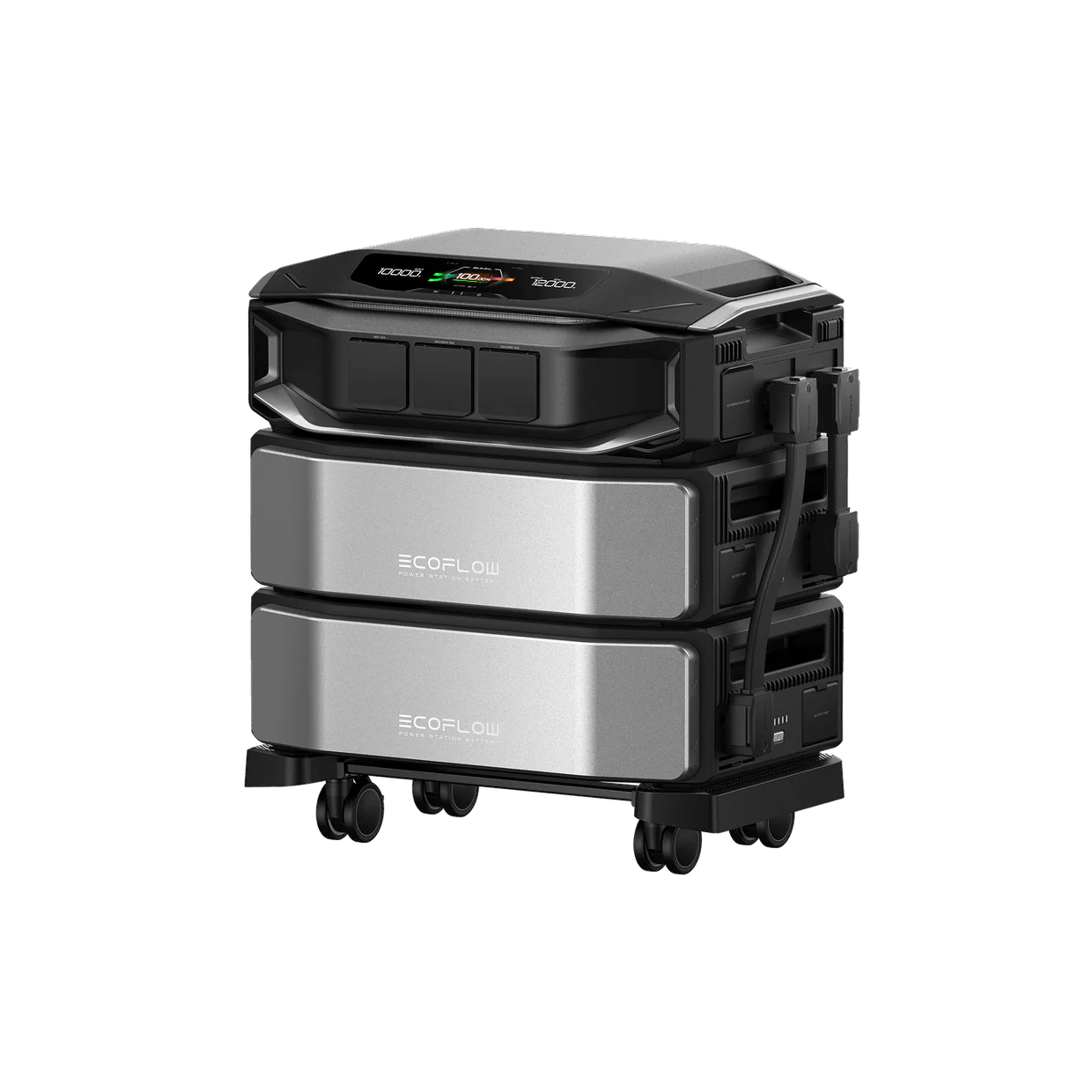
In homes where lighting is essential for both mood and function, reliable electricity matters. For larger setups or households that rely heavily on powered lighting during winter storms or outages, systems like the EcoFlow DELTA Pro Ultra X can help support continuous indoor lighting without relying solely on the grid.
Reliable Power for Lighting During Dark Winter Days
Winter brings shorter days, but it can also bring weather-related disruptions that affect power reliability. For people who use light therapy consistently—or simply rely on well-lit indoor spaces to stay productive and comfortable—unexpected outages can disrupt routines that support mental well-being.
Planning for reliable power during winter months helps maintain continuity, whether that means keeping therapy devices running, maintaining safe indoor lighting, or supporting other essential electronics during prolonged dark periods. If you’re looking for independence from the grid or simply want backup power in case of outages, EcoFlow DELTA Pro Ultra X is the ultimate whole-home backup solution to keep your home connected.
Frequently Asked Questions
What Is the Root Cause of SAD?
SAD is primarily linked to reduced sunlight exposure, which can disrupt circadian rhythms and affect serotonin and melatonin levels. These biological changes influence mood, sleep, and energy, contributing to depressive symptoms during fall and winter.
Does Vitamin D Help With SAD?
Vitamin D may support overall health, and low levels are common in winter, but evidence for vitamin D alone treating SAD is mixed. It’s often used as a complementary measure rather than a primary treatment like light therapy.
How To Deal With Winter Blues?
Managing winter blues often involves increasing light exposure, maintaining regular sleep and activity routines, staying socially connected, and addressing nutrition. For persistent or severe symptoms, professional mental health support is recommended.
Brighter Days Start with Better Light
Seasonal changes don’t have to dictate how you feel all winter long. By understanding how light affects mood and taking steps to maintain consistent exposure, many people find winter more manageable and productive. For those who spend time off-grid or want dependable lighting during winter adventures, EcoFlow power solutions like the EcoFlow DELTA Pro 3 can support reliable access to light, wherever the season takes you.
For press requests or interview opportunities, reach out to our media team
media.na@ecoflow.com