ROI Home Improvement: Which Upgrades Are Worth Your Investment in 2026?
Whether you’re planning to put your house on sale soon or just want to make sure your hard-earned cash is being spent wisely, understanding Return on Investment (ROI) is crucial. In 2026, the American housing market is more focused than ever on sustainable, smart, and functional living.
This guide breaks down which projects actually pay for themselves, which ones are "money pits," and how modern energy solutions can boost your property’s bottom line.
What Is ROI in Home Improvement and Why It Matters
Before you start tearing down drywall or picking out marble slabs, let’s talk strategy. In the world of real estate, not all "improvements" create equal value.
Understanding ROI in Real Estate
According to the latest data from the Remodeling Magazine Cost vs. Value Report, many home improvements recover between 50% and 90% of their cost, depending on the project type and location. This means not all renovations are equal—some upgrades significantly outperform others when it comes to resale value. Evaluating each potential home improvement based on market demand ensures you don’t overspend on features that offer little financial recovery.
For example, if you spend $10,000 on a deck and your home's value jumps by $8,000, you’ve realized an 80% ROI. In today's market, buyers are savvy; they aren't just looking at aesthetics, they're looking at the "bones" and efficiency of the home.
How Renovations Increase Home Value
Renovations add value by either solving a problem (like a leaky roof), modernizing an outdated space (like a 90s kitchen), or adding functional square footage. In 2026, value is increasingly tied to resilience. A home that can stand up to extreme weather or rising utility costs is worth significantly more than one that’s just "pretty."
ROI vs. Personal Enjoyment: Finding the Right Balance
It’s your home, not just an investment portfolio. If you plan to live in your house for another decade, a "low ROI" project like a home theater might be worth it for the memories. However, if you’re eyeing an exit strategy within 2–3 years, you should prioritize projects that appeal to the widest pool of buyers.
Top Home Improvements with the Highest ROI in the U.S.
Want the best bang for your buck? These projects consistently come out on top across the U.S. According to Remodeling Magazine Cost vs. Value Report, these upgrades deliver the strongest ROI in the U.S. market right now.
| Home Improvement (2026 Projects) | Average ROI |
|---|---|
| Garage Door Replacement | ~100% – 105% (Best overall value) |
| Steel Entry Door Replacement | ~95% – 100% |
| Minor Kitchen Remodel | ~85% – 95% |
| Backup Power Generator/Storage | ~80% – 90% (Growing demand) |
| Fiber-Cement Siding | ~80% – 88% |
| Bathroom Remodel (Mid-Range) | ~60% – 70% |
Kitchen and Bathroom Upgrades
Minor kitchen remodels typically pay back 70%–80% of what you spend, according to the Remodeling Magazine Cost vs. Value Report. Major luxury overhauls? Not so much—luxury renovations often yield lower ROI due to higher upfront costs and limited buyer appeal.
"Kitchens and bathrooms sell homes" still rings true in 2026. But you don't need to gut the place. Swapping dated hardware, refacing cabinets, and upgrading appliances often significantly enhance both function and resale value.
The sweet spot? Strategic, mid-range improvements rather than high-end overhauls. Homeowners can achieve a better balance between cost and return in today’s competitive housing market.
Curb Appeal Improvements (Exterior, Landscaping, Garage Doors)
First impressions stick. A new garage door or fresh landscaping can return over 90% of your investment. In 2026, American buyers—especially in Sun Belt states—want yards that thrive without constant watering. Drought-resistant "xeriscaping" is having a moment, providing the perfect, low-maintenance setting for "backyard glamping" setups that offer luxury without the water bill.
Energy-Efficient Upgrades (Windows, Insulation, Solar)
Energy efficiency is showing up as a key factor in home valuations. Buyers are looking past surface-level fixes and asking a harder question: what will this cost me to run?
Buyers are increasingly looking beyond cosmetic upgrades and focusing on long-term utility savings and energy resilience. Homes that think smart about energy use, not just burn through it, are pulling ahead. Many sellers now use a detailed solar ROI calculation on whether solar is still worth it to prove to skeptical buyers that their renewable energy upgrades will pay for themselves in reduced monthly overhead.
One often overlooked way to improve ROI is by optimizing how and when energy is used. Instead of relying solely on traditional grid power, homeowners can take advantage of stored energy to reduce costs during peak hours while maintaining access to power when it matters.
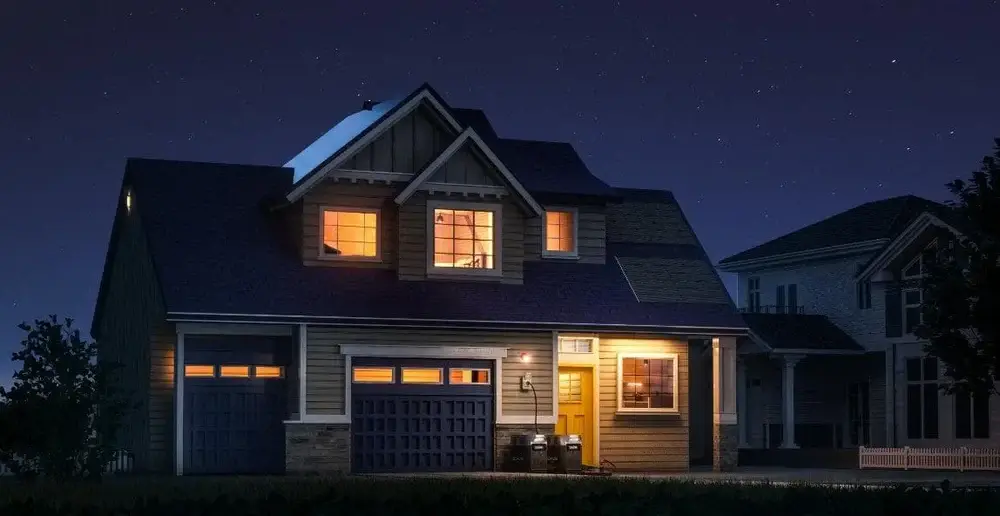
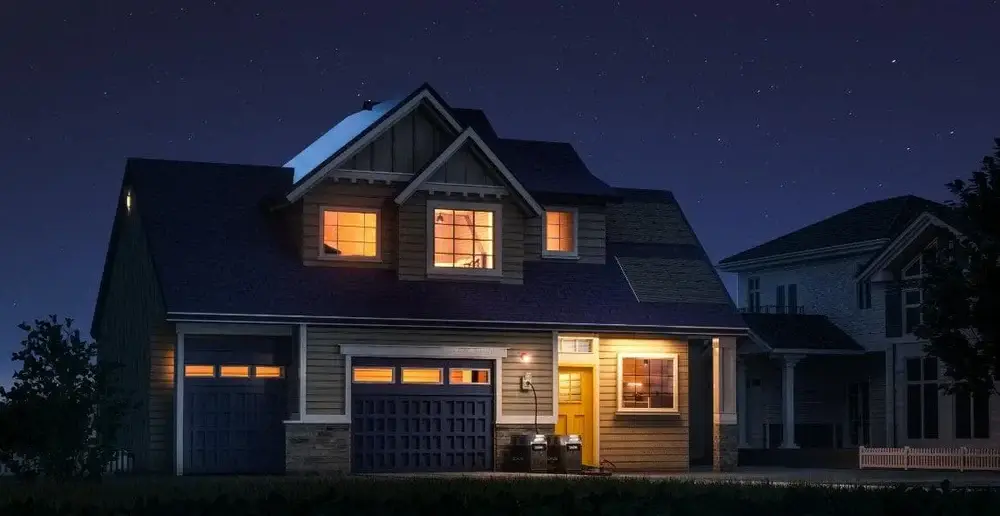
That's where portable power stations like the EcoFlow DELTA Pro Portable Power Station keep your fridge humming and your lights on. It doesn't generate energy—it stores it. Charge up overnight during off-peak periods when the rates drop, then run your house on those savings during peak afternoon hours. The math adds up fast. Your monthly utility bills look better now.
Beyond cost savings, it also adds a layer of energy independence. In the event of a power outage, the DELTA Pro can keep essential appliances running, which is a major selling point for buyers (especially those who prefer power reliability and preparedness). Integrating a solar battery into this setup further enhances the home's ability to capture and use free renewable energy throughout the day.
Interior Updates That Add Immediate Value
Neutral tones remain safe. But early 2026 is swinging toward what designers call it a decisive move toward "Foundational Neutrals"—creamy beiges that feel lived-in, not sterile—and "Sunbaked Hues" like terracotta, ochre, and warm eucalyptus.
Buyers in 2026 are looking for "emotional grounding." A fresh coat of paint in a warm, nature-inspired palette—rather than the cold grays of the 2020s—is the fastest way to signal that a home is modern and well-cared for.
Low ROI Renovations to Avoid
Not every expensive project can be translated into a higher asking price. In fact, some might actually make your home harder to sell.
Over-Customized or Luxury Upgrades
That built-in wine cellar or custom wallpaper might be your dream. But for a buyer, it’s just something they have to spend money to remove. Highly specific tastes rarely yield a positive ROI because they shrink your pool of potential buyers.
High-Cost Additions with Limited Resale Value
While adding a sunroom or a high-end home office sounds great, the cost-to-value ratio is often disappointing. When evaluating these "invisible" but high-cost upgrades, it’s better to invest in infrastructure that offers true peace of mind.
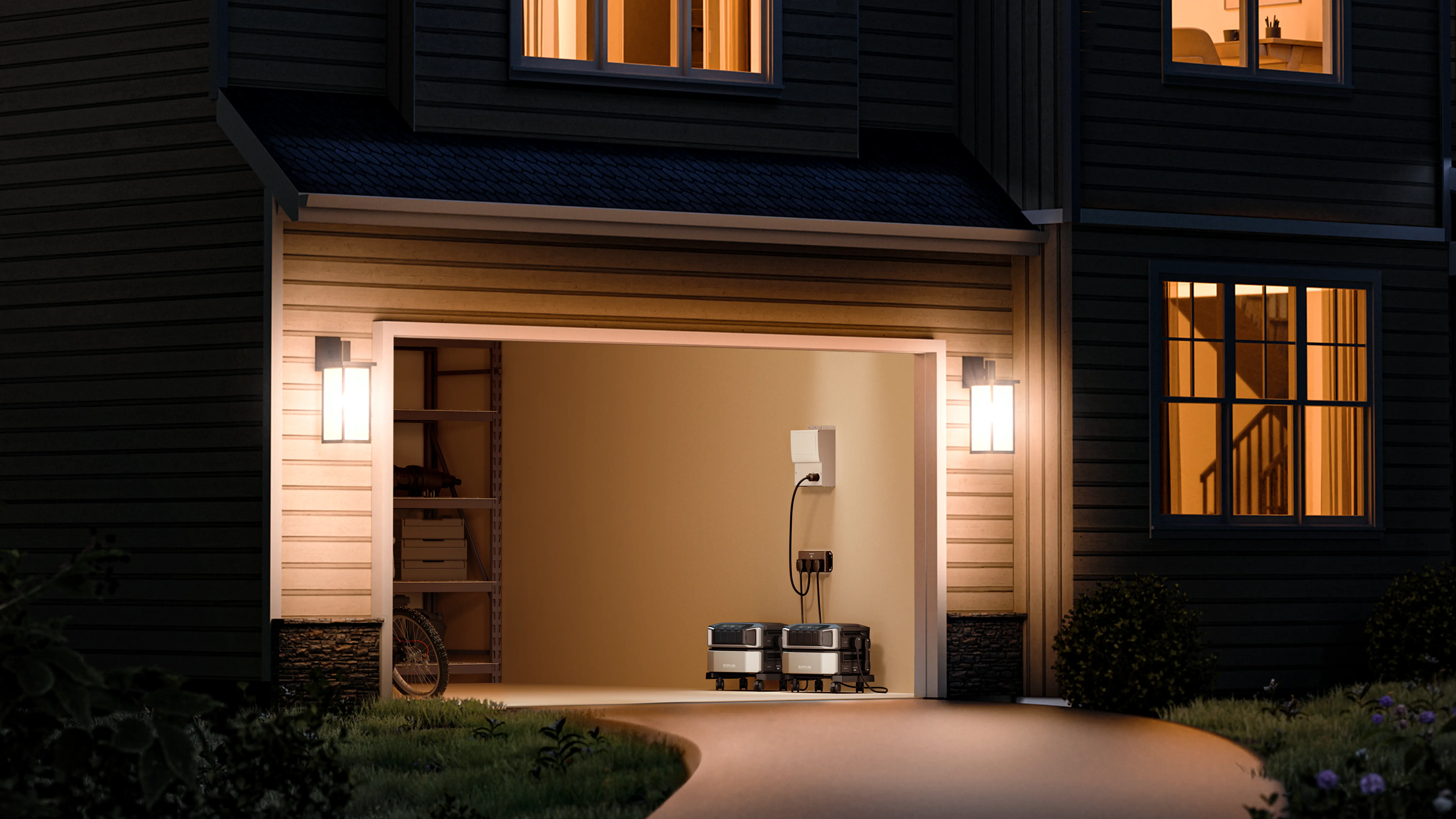
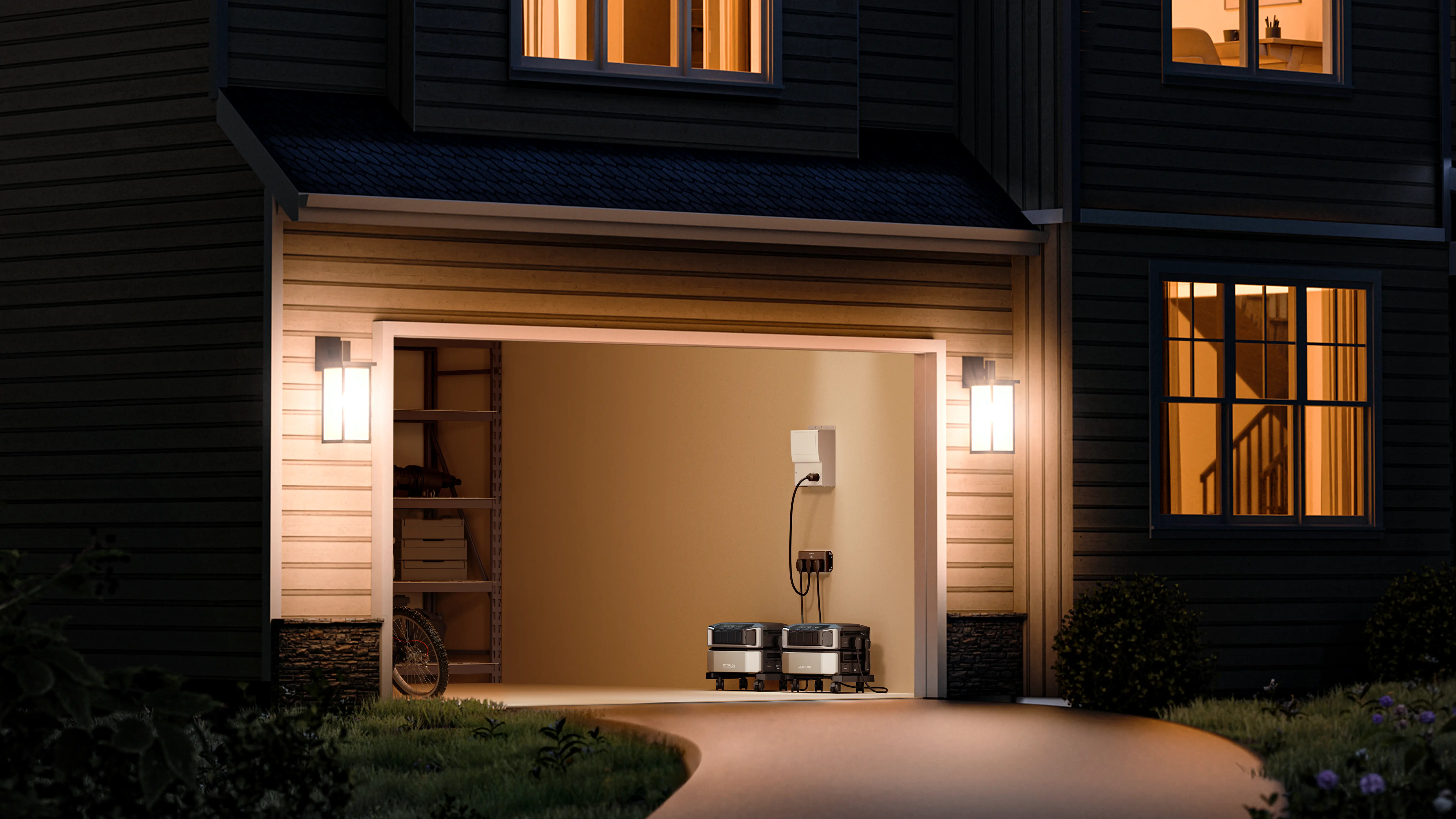
In many parts of the U.S., homeowners are pivoting away from cosmetic luxuries in favor of "whole-home" resilience. The EcoFlow DELTA Pro Ultra Whole-Home Backup Power is a prime example of a high-value infrastructure investment. Unlike a simple cosmetic fix, this is a pro-grade backup system capable of running an entire household during extended outages. For homes in hurricane-prone Florida or the snowy Northeast, this "smart energy infrastructure" is a charming selling point. It’s an investment in the home’s future-proofing, which sophisticated buyers in the luxury market value far more than an extra marble countertop.
Common Renovation Mistakes That Reduce ROI
The biggest mistake? Over-improving for the neighborhood. If your home is the only one on the block with a $100k backyard oasis, you likely won't see that money back. Other pitfalls include unpermitted work and neglecting basic maintenance (like HVAC or roofing work) in favor of cosmetic updates.
What Are the Keys That Actually Drive Your Home Improvement ROI
There's no magic number for ROI. Your return depends on variables you need to monitor closely.
Location and Local Market Conditions
A swimming pool might return 70% in Phoenix, Arizona. In Minneapolis? It could sink your home value entirely.
Climate-Based ROI Differences
Your weather zone significantly changes the math way for working out the ROI question.
In hot zones (like Arizona or Florida), efficient cooling and solar panels tend to deliver higher returns—AC runs hard there.
In cold zones (like Minnesota or New York), beefing up insulation, sealing windows, and adding backup heating delivers stronger ROIs.
Same project, different zip code, different outcome. Location isn't just one factor for an ROI decision—it's the critical factor. This means that a renovation that performs well in one region may not deliver the same value elsewhere.
Property Type and Ownership Structure
The type of property you own plays a major role in ROI. Single-family homes often see strong returns from upgrades that offer total energy independence. Increasingly, installing a permanent whole-home battery backup is seen as a top-tier improvement that significantly boosts a detached home's market value compared to temporary solutions. In contrast, condos may face HOA restrictions, making interior smart home features a better bet for ROI.
Project Cost vs. Expected Return
Always get at least three quotes. If your construction costs are too high, even a "high ROI" project will leave you in the red.
Timing and Housing Market Trends
In a seller’s market, you can get away with fewer upgrades. In 2026’s more balanced market, quality and efficiency are the primary tie-breakers.
Quality of Work and Materials
Bad work is easy to spot. Always prioritize quality. Use materials built to last in your specific climate—cheap shortcuts cost you later.
How to Maximize ROI on Your Home Improvements
Do not think from a homeowner’s point of view. To get the most out of your renovation budget, you need to think like a real-estate developer.
Prioritize High-Impact, Cost-Effective Projects
Grab the low-hanging fruit first. Clean the siding, slap a fresh color on the front door, and swap those dated light fixtures. Small moves, big impact, minimal cash.
Set a Budget and Avoid Over-Improving
A good rule of thumb is to look at the "ceiling" price of homes in your immediate area. Don't outbuild your block—if you push more than 10–15% above the local average, you're unlikely to see that money back.
Blend Functions with What's Working Now
"Modern Organic" and "Sustainable Tech" are dominating 2026. The trick? Weave smart features into clean, timeless design—not gadget overload.
DIY vs. Professional Work: What’s Worth It?
Paint your own walls. Handle basic landscaping. Tackle simple tile work. But electrical, plumbing, and anything structural? Pay to hire the pros. Shoddy work flashes red during inspection and torpedoes your return.
Conclusion
How to maximize your home’s ROI? The smartest way to boost your home’s value this year is by balancing strong curb appeal with real modern resilience. Kitchens and bathrooms still deliver the biggest punch, but energy independence and smart infrastructure—like EcoFlow storage systems—are quickly becoming the new baseline for what buyers expect.
Focus on quality, efficiency, and upgrades that most people actually want. Do that right, and every dollar you put in today has a much better chance of coming back to you — with interest—when it’s time to sell.
FAQs
1. What home upgrades bring the most value?
Minor kitchen refreshes and curb appeal fixes—like swapping out a tired garage door—usually offer the highest ROI. They don't drain your wallet like full gut jobs, but buyers notice them immediately.
2. What renovations have the lowest ROI?
Swimming pools and luxury primary suite additions typically have the lowest ROI. High-cost, personalized projects often return less than half what you put in. High price tag, narrow appeal—most buyers won't pay extra for your personal paradise.
3. Is it better to renovate before selling a house?
Yes, but only if the renovations address "deal-breakers" or offer a high ROI. Focusing on fresh paint, flooring, and essential repairs is usually better than a massive renovation right before listing.
4. How much should I spend on renovations relative to my home value?
Generally, cap any single room at 10–15% of your home's value. Overall, don't push your property above neighborhood norms—or you'll price yourself out of getting your money back.
For press requests or interview opportunities, reach out to our media team
media.na@ecoflow.com