Rewiring Your Home: Cost, Safety Tips, and What Homeowners Should Know
- What Rewiring Your Home Actually Means
- Signs Your Home May Need Rewiring
- How the Home Rewiring Process Works
- How Much It Costs to Rewire a House
- Safety Risks of Outdated Electrical Wiring
- DIY vs Hiring a Licensed Electrician
- Planning a Home Rewire Around Modern Energy Needs
- How Backup Power Systems Fit Into Modern Electrical Upgrades
- Frequently Asked Questions
- Upgrading Your Home’s Electrical System for the Future
If everything seems to be working, it’s easy to overlook your home’s wiring. But electrical systems often show subtle warning signs before bigger problems develop. Whether you’ve noticed issues or are planning upgrades, rewiring your home may be necessary.
Here’s what to know about the process, key signs, costs, and what to expect.
What Rewiring Your Home Actually Means
Rewiring your home means replacing electrical wiring and other components.
You may choose to rewire your home to bring it up to code, increase compatibility with today’s technology, and address safety hazards.
During the process, you might upgrade the electrical panel, install modern outlets, replace switches, and rewire existing or add new wiring.
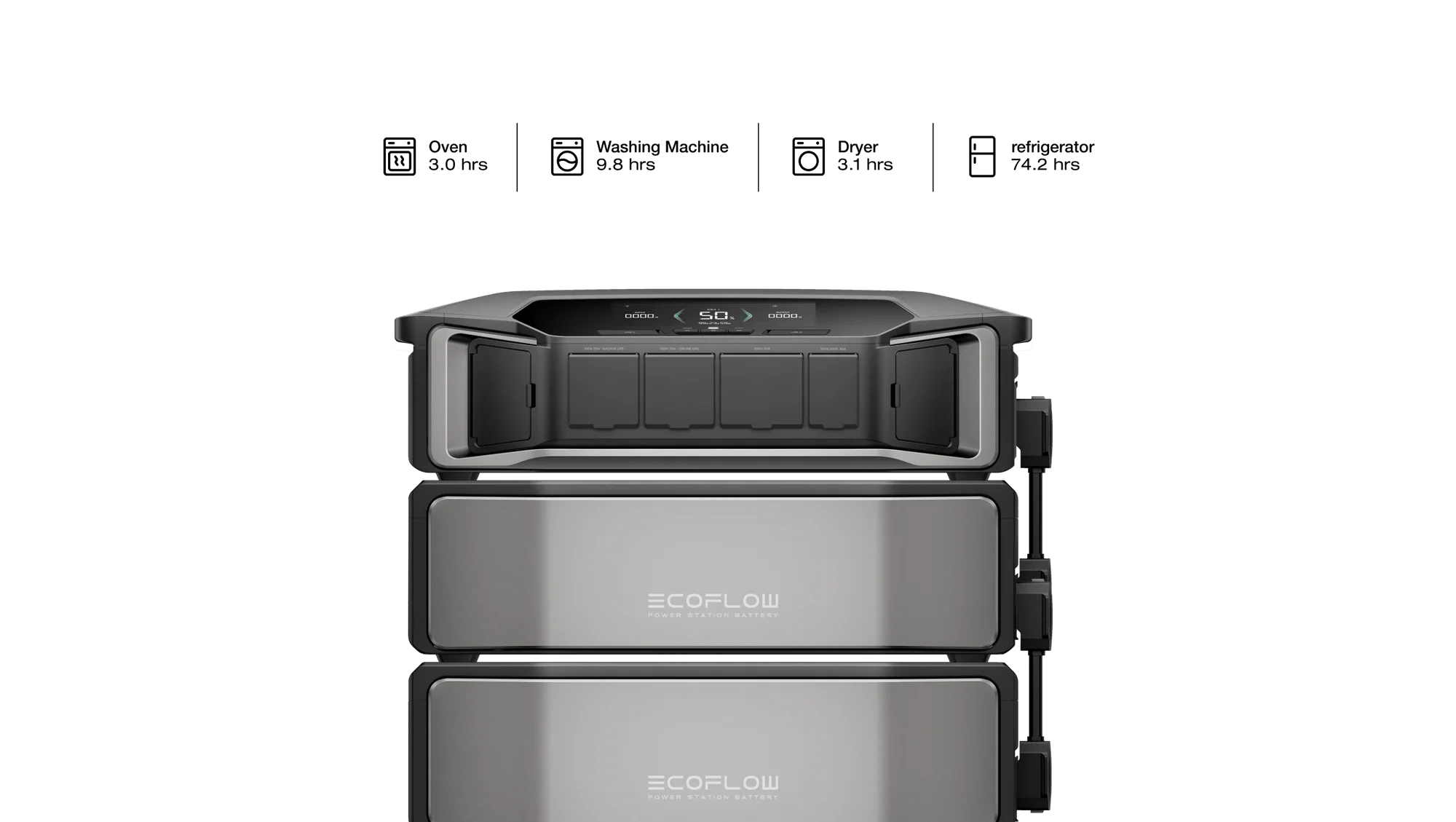
When upgrading your electrical system, it’s also worth considering long-term backup solutions. Systems like the EcoFlow DELTA Pro Ultra can integrate with your home’s electrical panel to provide seamless, full-home backup power during outages.
Signs Your Home May Need Rewiring
Warm Outlets or Burning Smell: This is a clear sign of overheating electrical components, which poses a fire hazard. Some homeowners describe the smell as fishy rather than like smoke.
Scorched Outlets: Discoloration can happen due to overheating or loose connections.
Unexplained Dimming or Flickering: This happens when connected appliances and electronics draw too much power, and the current electrical components cannot keep up.
Breaker Trips: Frequent breaker trips indicate a short circuit or overload in the electrical panel.
How the Home Rewiring Process Works
The first step is a careful and detailed evaluation of the home’s current electrical system. The home needs to be assessed for damage, wear, compatibility with modern electronics, and code compliance.
Then, a plan of the new electrical layout and upgrades is made.
Next, electricians begin the physical work, installing new wiring, outlets, switches, connections, replacing cables, and double-checking the mounting.
At the end, all the work should comply with safety standards and local codes.
How Much It Costs to Rewire a House
Costs vary depending on the size of your home and the scope of the project.
Older or larger homes may cost $20,000 or more, while smaller or new homes only cost $3,000–$12,000.
A licensed electrician charges an average of $50–$120 per hour. The quality of the wire, outlets, and panels can increase the price.
Check your local inspection codes to see the associated fees. A good estimation is $2–$4 per square foot of home.
Safety Risks of Outdated Electrical Wiring
Outdated wiring doesn’t always pose an immediate problem, but it can increase safety risks.
Today’s appliances and electronics require more power than outdated wiring can provide, leading to overheating, sparks, and a fire. Faulty connections and frayed wires can cause electrical shocks when you touch the outlet. Power surges are more common with older wiring, which can damage sensitive electronics.
DIY vs Hiring a Licensed Electrician
No matter the size of a project, rewiring a home is complex. You need the right tools, a solid plan, and knowledge of electrical codes. If you have experience with electrical wiring, DIY might be a suitable option, but mistakes can cause failed inspections, costly repairs or corrections later, and electrical fires.
Without experience or DIY know-how, you may want to think about hiring an electrician. A professional knows how to meet code requirements and install components correctly and safely.
Before hiring, though, get multiple quotes, check licensing, and ask about warranties.
Planning a Home Rewire Around Modern Energy Needs
Evaluate how much power your home needs. Current energy demands, such as electric vehicle chargers, induction cooktops, electric ovens, heat pumps, electric HVAC, and smart home systems, require modern wiring.
Start with a load calculation to determine current power usage and anticipated upgrades.
How Backup Power Systems Fit Into Modern Electrical Upgrades
If you’re already upgrading your electrical system, it’s also a good time to think beyond basic functionality and plan for long-term reliability.
Modern backup power solutions generally fall into two categories:
Portable power stations: Flexible, plug-and-play solutions ideal for temporary power during repairs or short outages.
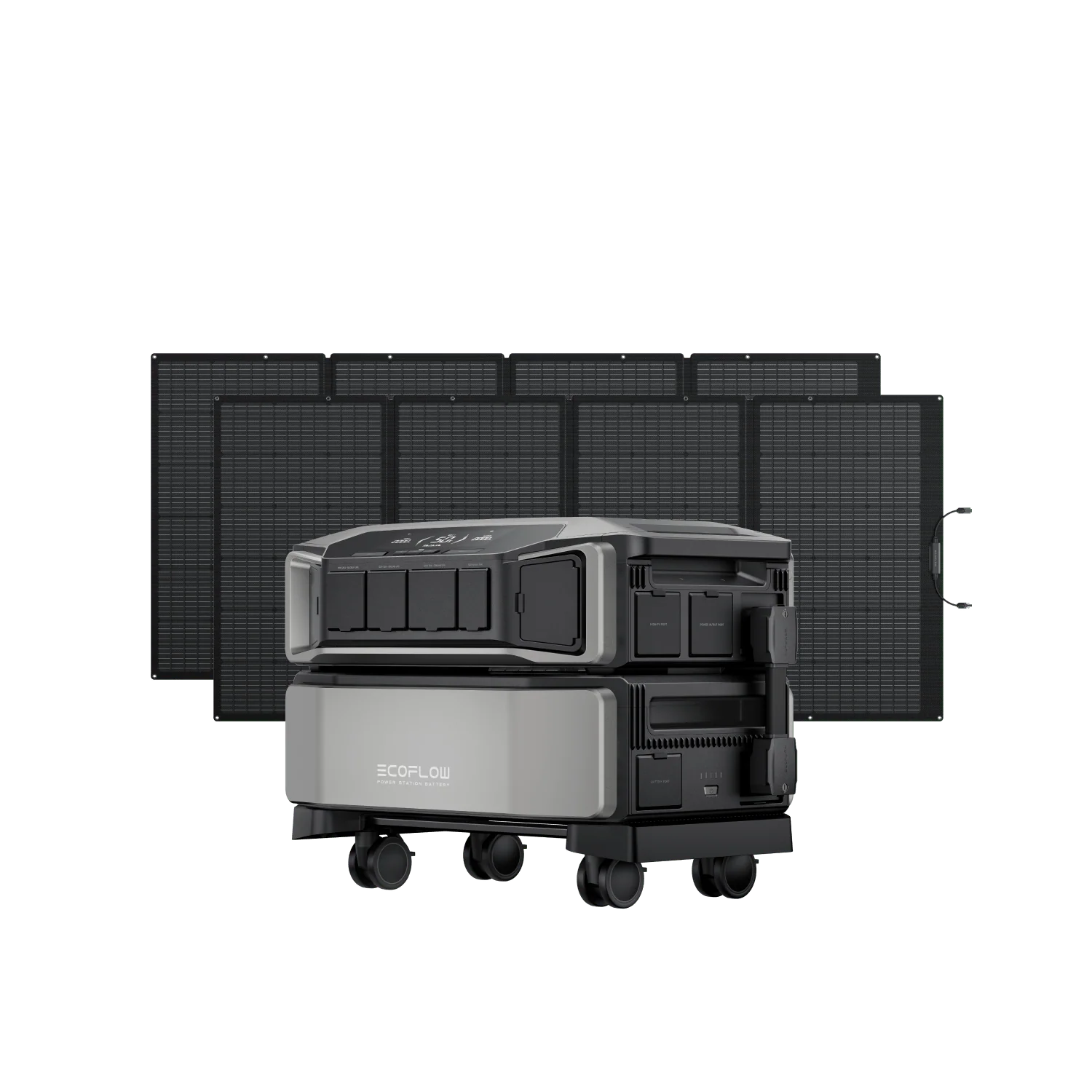
Whole-home backup systems: Permanently integrated systems that connect to your electrical panel and automatically supply power to selected circuits during an outage. When paired with solar panels, backup systems can store excess renewable energy for later use.
For example, a portable unit like the EcoFlow DELTA 3 Plus can keep essential appliances running while circuits are shut off during repairs.
For more comprehensive coverage, a system like the EcoFlow DELTA Pro Ultra can be integrated with your home’s electrical panel to provide seamless backup power during outages, helping maintain continuity and protect sensitive equipment after your upgrades are complete.
Frequently Asked Questions
What is the Alternative to Rewiring a House?
If you only want to rewire your home for modernization, there are non-invasive ways around a full electrical renovation. Instead of replacing wires behind walls, upgrade the circuit breakers and panels to smart ones. You can use a portable power station as a supplemental backup solution.
Can You Live In a House While It's Being Rewired?
Yes, you can, but it's a challenge. A full rewiring is completed by zones, so only certain parts of the house will have power at a time. You can work around this by living out of one room or using generators. Watch for tripping hazards at night and exposed wires during the workday.
Can You Upgrade an Electrical Panel Without Rewiring the House?
An electrical panel can be upgraded without rewiring the home. It’s called a panel change-out or a service upgrade. During the upgrade, the old panel is replaced with the new one, and the existing wire is left intact. Sometimes additional components are needed if the existing wires aren’t compatible.
Upgrading Your Home’s Electrical System for the Future
Rewiring your home’s electrical system is an investment in safety, reliability, and future home improvements.
Replacing outdated wiring, outlets, switches, and panels helps ensure your home can support modern appliances and new energy demands without risk.
When signs of electrical distress appear, delaying repairs can lead to serious safety hazards and costly repairs. Work with a licensed electrician for confidence that all upgrades meet current code and safety requirements.
For added resilience, a system like the EcoFlow DELTA Pro Ultra can help provide reliable backup power, keeping essential appliances running during outages and supporting your upgraded electrical setup.
For press requests or interview opportunities, reach out to our media team
media.na@ecoflow.com