Heat Index vs. Actual Temperature and How It Affects Your Life
- What Is Heat Index?
- Why Does the Heat Index Feel Higher Than the Forecast Temperature?
- How Can You Check the Heat Index Today With a Chart or Calculator?
- Why Does a High Heat Index Increase Cooling and Power Demand?
- What Should You Prepare for a Heat-Related Power Outage?
- Stay Safer by Planning Around the Heat Index
- FAQs
Summer heat is harder to judge when the humidity is high. The forecast may show one temperature, while your body feels something much hotter once you step outside. That difference is called the heat index, and it affects how safely you spend time outdoors, how much cooling your home needs, and how prepared you should be for heat-related power outages.
What Is Heat Index?
Heat index is the “feels like” temperature that combines actual air temperature with relative humidity. It shows how hot the weather feels to the human body, especially when humidity makes it harder for sweat to evaporate.
Actual temperature only tells you how warm the air is. The heat index goes one step further by showing how temperature and moisture work together. For example, 92°F may feel close to 92°F in dry air, but it can feel much hotter when the humidity is high.
How Is It Different From Actual Temperature?
The actual temperature is measured by a thermometer. The heat index is calculated from air temperature and relative humidity to estimate how hot conditions feel on the body.
The difference matters because humidity affects cooling. Sweat helps release body heat when it evaporates from the skin. In humid air, evaporation slows down, so the body holds heat longer and feels more strain.
In daily life, actual temperature tells you what the air measures. Heat index helps you understand how that air may affect comfort, outdoor safety, and cooling needs.
Why Does the Heat Index Feel Higher Than the Forecast Temperature?
Your body depends on evaporation to stay cool, and humidity slows that process. On a dry afternoon, sweat can leave your skin quickly and carry heat away. On a humid afternoon, sweat may stay on the surface, leaving you warm, damp, and tired.
That physical reaction is the reason Gulf Coast, Southeast, Midwest, and East Coast summers can feel especially intense. A 95°F day in a humid area may feel far harsher than the same reading in dry air. Pavement, direct sun, dark clothing, crowded outdoor spaces, and poor ventilation can make conditions feel worse.
Nighttime heat adds another layer. When the house stays warm after sunset, the body gets less recovery time. Sleep may become lighter, indoor rooms may stay stuffy, and cooling systems may run deep into the evening.
How Can You Check the Heat Index Today With a Chart or Calculator?
To check the heat index today, first find two numbers in your local forecast: air temperature and relative humidity. Many weather apps also show a “feels like” temperature, which is usually the quickest number to use for daily planning.
A heat index chart works by matching the air temperature with the humidity level. Find the temperature on one side of the chart, then find the relative humidity across the top or side. The point where the two meet gives the estimated heat index. For example, a 90°F day with high humidity may feel much hotter than 90°F because sweat cannot evaporate as easily.
A heat index calculator works in a similar way. Enter the current temperature and relative humidity, then the calculator gives you the estimated feels-like temperature. This can be useful when your weather app shows humidity but does not clearly display the heat index.
Use the result as a planning number:
| Heat Index Check | What It Means for Daily Plans |
| Close to the actual temperature | Conditions may feel manageable, especially with shade and airflow |
| Much higher than the actual temperature | Humidity is making the day feel hotter and more tiring |
| Highest in the afternoon | Move outdoor work, exercise, or errands to morning or evening |
| High during a storm risk period | Charge phones, backup batteries, and essential power devices early |
A chart or calculator gives a useful estimate, but your surroundings still matter. Direct sun, hot pavement, low airflow, heavy clothing, and physical effort can make conditions feel worse than the number suggests.
Why Does a High Heat Index Increase Cooling and Power Demand?
Comfort inside the home changes fast when humid heat settles in. Families turn on air conditioning earlier, fans run for longer periods, and dehumidifiers may work harder. Refrigerators and freezers can also cycle frequently as kitchens warm up.
Across a neighborhood, that pattern creates a sharp rise in electricity demand. Late afternoon and early evening can be especially demanding because cooling needs overlap with cooking, laundry, lighting, screens, and device charging. During long heat waves, many homes repeat that cycle for days.
Hot weather can also stress local power equipment. Lines, transformers, and other grid components operate under tougher conditions when outdoor temperatures stay high. If thunderstorms arrive during the same period, falling branches, wind, and lightning can create added risk.
For households, the practical concern is simple. Losing power during severe summer heat can affect cooling, communication, food storage, medical equipment, and sleep within hours. A safe summer plan should include both heat precautions and backup power planning.
What Should You Prepare for a Heat-Related Power Outage?
A power outage during extreme heat calls for calm priorities. Your first goal is to keep people safe, maintain contact with others, preserve food and medicine, and create one cooler room where the household can gather.
Keep these essentials ready before the hottest stretch of the season:
Charged phones, charging cables, and backup power
Flashlights, battery lights, and a radio for alerts
Fans for one selected cooling room
Drinking water and easy-to-eat food
A refrigerator and freezer thermometer
Ice packs, a cooler, and medicine storage supplies
Contact details for family, neighbors, medical support, and local cooling centers
Food safety becomes urgent once the power goes out. A closed refrigerator can usually keep food cold for up to 4 hours. A full freezer can often hold safe temperatures for up to 48 hours if the door stays closed, while a half-full freezer may last about 24 hours. Perishable food that stays above 40°F for 2 hours or longer should be discarded.
Fuel-powered generators require careful placement. Run them outdoors only, at least 20 feet from windows, doors, vents, garages, and enclosed areas. Carbon monoxide has no smell, and unsafe placement can become dangerous quickly.
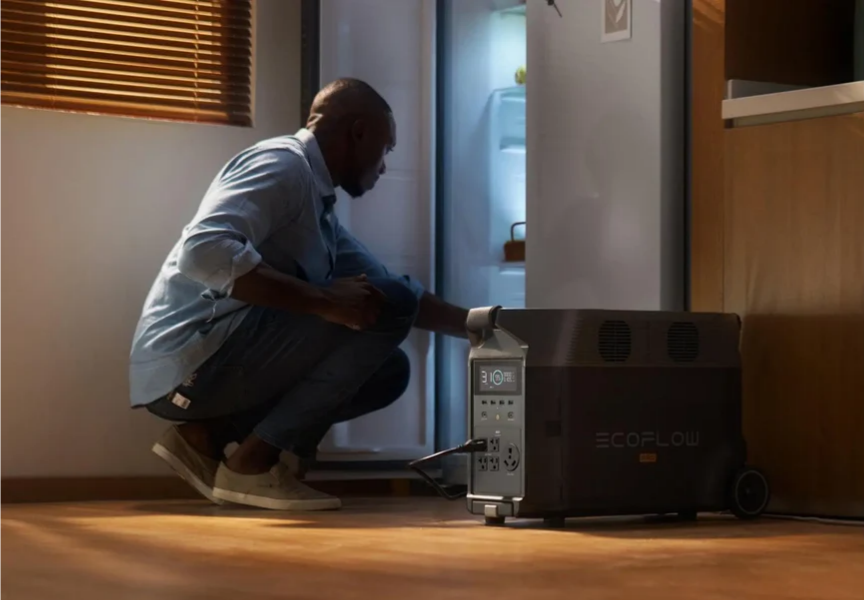
Home energy storage can make heat emergencies easier to manage indoors. For households preparing for summer outages, EcoFlow DELTA Pro is a practical backup power option: It starts with a 3.6kWh capacity and 3600W AC output, with expandable capacity available when paired with DELTA Pro Smart Extra Batteries. During a heat-related outage, it can help support essential loads such as phones, a router, fans, lights, a refrigerator, or a selected small cooling device.
Stay Safer by Planning Around the Heat Index
The feels-like number gives you a clearer picture of summer risk than actual temperature alone. Check it before outdoor plans, use a chart or calculator for quick decisions, and prepare your home for cooling demand before extreme weather peaks. Before the next heat wave, list your essential devices, estimate how long they need power, and choose a backup setup that fits those real needs.
FAQs
Q1. What Heat Index Level Is Considered Dangerous?
A heat index of 103°F to 124°F is generally considered dangerous, while 125°F or higher is an extreme danger range. At those levels, heat cramps, heat exhaustion, and heat stroke can develop faster, especially during outdoor work or exercise. People with limited cooling access, health conditions, or certain medications should take extra precautions.
Q2. Can the Heat Index Be Lower Than the Actual Temperature?
Yes, it can happen in very dry air. Low humidity allows sweat to evaporate more efficiently, so the body may release heat better than it would in humid conditions. Many forecasts highlight heat index during muggy weather because that is when the feels-like temperature usually rises above the actual temperature and creates greater heat stress.
Q3. Is Heat Index the Same as Wet-Bulb Temperature?
No. The heat index estimates how hot the weather feels to the body by using air temperature and relative humidity. Wet-bulb temperature measures how much cooling can happen through evaporation. Wet-bulb readings are often used in workplace safety, athletics, and climate discussions because they show limits on the body’s ability to cool itself.
Q4. Does Heat Index Apply to Indoor Spaces?
Yes, the concept can apply indoors when both temperature and humidity are high. Standard weather values come from outdoor conditions, so indoor risk depends on your home’s insulation, airflow, sun exposure, humidity, and cooling system. A room with poor ventilation or strong afternoon sun can feel uncomfortable even at a moderate thermostat setting.
Q5. Why Do Heat Alerts Sometimes Differ From My Weather App?
Heat alerts can differ because forecasts, update timing, regional thresholds, and local impacts vary. One app may show a current feels-like value, while an alert may account for afternoon peaks, overnight heat, duration, and community risk. For planning, check local conditions, the highest expected heat index, and how long the heat will last.
Disclaimer: This article is for informational purposes only and does not constitute medical, emergency management, electrical, or product selection advice. Heat risk, power outage conditions, and backup power needs vary by region, household, health status, and local infrastructure. Always follow local emergency alerts and safety instructions during extreme heat or an outage. For official safety information, please refer to Heat Forecast Tools, Heat Index Calculator, Extreme Heat Safety, Power Outage Preparedness, Power Outage Food and Generator Safety, and Heat Wave Electricity Demand Data.
For press requests or interview opportunities, reach out to our media team
media.na@ecoflow.com