PJM Grid Emergency 2026: What the DOE's May Curtailment Order Means for Mid-Atlantic Homeowners
- What Happened to the PJM Grid in May 2026?
- Why Did the PJM Grid Come Under Emergency Conditions?
- What Did the DOE's Emergency Order Actually Do?
- Which States and Regions Were Most at Risk?
- Why Is the Mid-Atlantic Grid Under Increasing Strain?
- What Does a PJM Energy Emergency Alert Mean for Homeowners?
- How Can Home Battery Backup Protect You During PJM Grid Stress Events?
- Frequently Asked Questions
- Resilience, Savings, Independence: Backup Power For Mid‑Atlantic Homes
May’s Mid-Atlantic heat wave and emergency government action put PJM Interconnection in the spotlight. Widespread blackouts were avoided, but the close call raised serious questions about grid stability across 13 states. Learn what happened, why the grid is so strained, and what you can do to stay safe during future outages.
What Happened to the PJM Grid in May 2026?
If you live in the Mid-Atlantic, you may not have noticed anything unusual in May 2026, but behind the scenes, grid operators were working hard to avoid blackouts.
On May 18, 2026, the U.S. Department of Energy (DOE) issued an emergency order for PJM Interconnection, the regional transmission organization that manages the electric grid across 13 states and Washington, D.C. The grid has been under strain for a while, but a mid-May heat wave drove demand beyond available capacity.
The emergency order authorized PJM to use backup generation resources that normally wouldn't be dispatched under standard operating conditions. This included backup generators located at some large data centers and industrial facilities. The good news is that it worked: it kept enough electricity flowing to guarantee reliability even during peak demand.
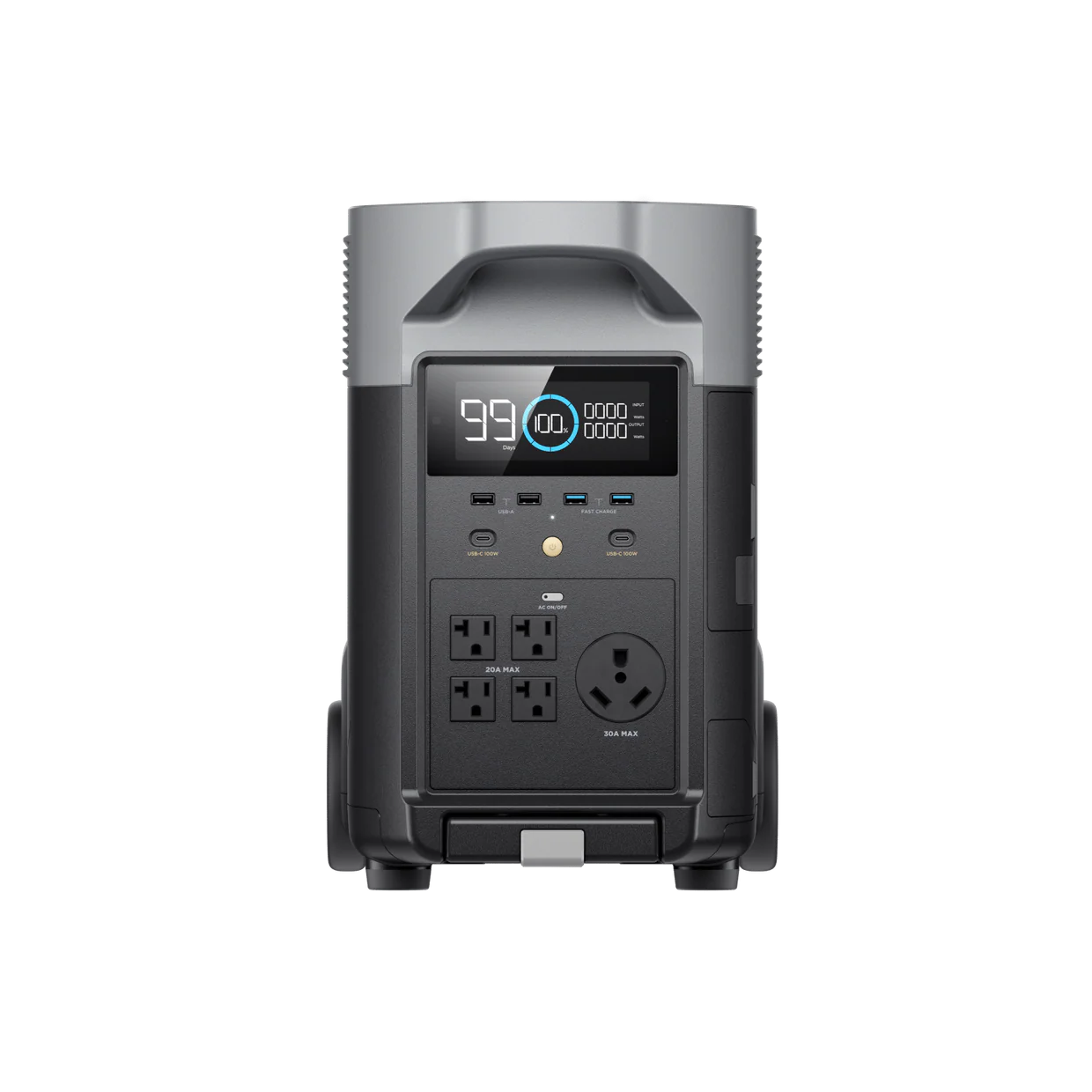
Events like this are a reminder that the grid isn't always as reliable as we assume. A portable power station like the EcoFlow DELTA Pro Portable Power Station gives you a ready source of backup energy so that even if the grid does go dark, your essential devices keep running.
Why Did the PJM Grid Come Under Emergency Conditions?
Put simply, it was too much stress at once.
In May 2026, the Mid-Atlantic experienced an early-season heat wave that sent electricity demand soaring as millions of homes and businesses turned up air conditioning. While winter blackouts are more dangerous, soaring summertime temperatures can also kill, so this was just as much about safety as it was about comfort.
At the same time, PJM was dealing with an unusually large number of planned power plant maintenance outages, leaving less generation available as demand climbed. An increase in data centers in the area also ate into PJM’s reserves.
What Did the DOE's Emergency Order Actually Do?
An emergency order sounds scary, but it authorized PJM to bypass standard operating procedures to stabilize the grid. The May 2026 order simply gave it more flexibility to take action and avoid outages. The order temporarily authorized PJM to use backup generation resources like generators at large industrial facilities and data centers that maintain on-site power systems.
The order also allowed PJM to require certain facilities with backup generation to reduce energy use. That means data centers were required to switch to their own generators instead of drawing electricity from the grid, freeing up power for other residences and businesses.
Which States and Regions Were Most at Risk?
PJM isn't a small regional utility. It's the largest power grid operator in North America, serving more than 67 million people across a huge portion of the Eastern United States. Not only does it operate in 13 states, but it also serves Washington, D.C.
With that said, Virginia was particularly at risk. It’s home to the largest data center market in the United States, placing enormous additional strain on the grid. So if PJM doesn’t have enough energy reserves, the state could become ground zero for power reliability.
But regardless of where you live, grid reliability is a concern everywhere. The challenges that prompted the DOE's emergency order—rising demand, aging infrastructure, and shrinking reserve margins—are affecting a large portion of the Mid-Atlantic and Midwest.
Why Is the Mid-Atlantic Grid Under Increasing Strain?
So why is the grid under more pressure than before? It comes down to a combination of problems like:
Increasing energy demand
Data center growth driving up energy consumption and prices
Power plants retiring faster than they're being replaced
Delays with new energy projects
Shrinking energy reserve margins
What Does a PJM Energy Emergency Alert Mean for Homeowners?
If you hear about an emergency power alert, don’t panic. For homeowners, a PJM energy emergency is essentially a warning that the grid is under stress. Demand is high, available reserves are lower than normal, and grid operators are taking steps to avoid outages.
Depending on the severity of the situation, you may see:
Requests to voluntarily reduce electricity use
Utility company notifications about grid conditions
Appeals to avoid running large appliances during peak hours
Activated demand-response programs
Potential rolling blackouts
Most alerts don’t progress to an outage, but what happens if the grid goes dark? You could be without power for hours or days, and that’s a safety issue in the winter or summer.
The grid just isn’t as reliable as it used to be, which is why you need an emergency electricity source. Treat PJM’s alerts as a reminder to get your solar panels or portable power station ready—just in case.
How Can Home Battery Backup Protect You During PJM Grid Stress Events?
You can’t control the grid, but you can control how ready you are for unpredictable conditions. A home battery backup system provides a layer of protection during outages, whether they’re caused by severe weather or equipment failures. Instead of searching for flashlights and extension cords when the power goes out, you already have stored energy ready to keep essential devices running.
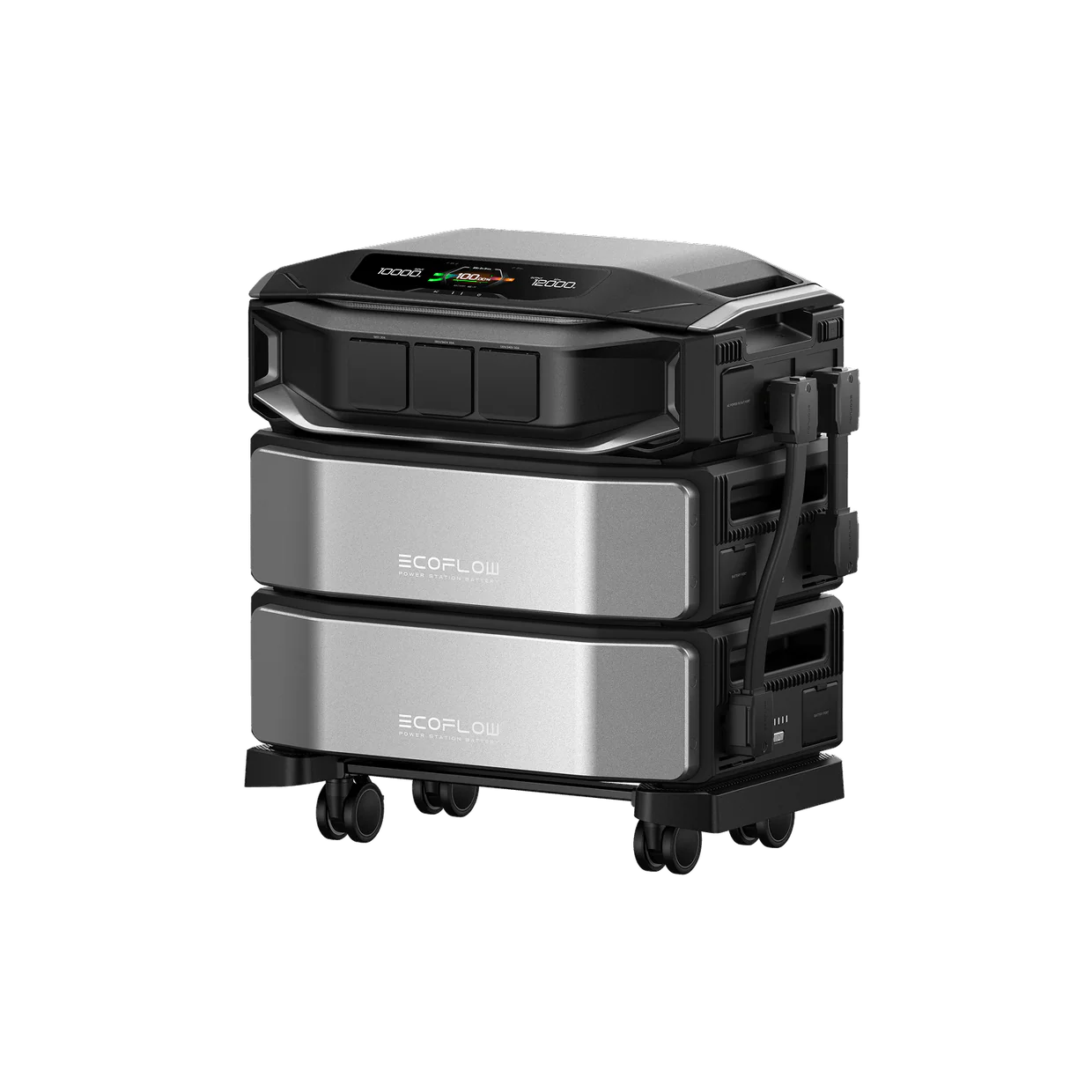
Portable power stations can keep the essentials online, but a whole-home generator is one of the most effective ways to live as normally as possible while you wait for the power to come back on. The EcoFlow DELTA Pro Ultra X Whole-Home Backup Power system is designed to provide substantial backup power that keeps your devices and appliances running normally.
With additional batteries, it can run HVAC systems, keeping your home's temperature within a safe range even when the grid goes dark.
Frequently Asked Questions
What Is PJM Interconnection?
PJM Interconnection is the organization responsible for coordinating the flow of electricity across all or parts of 13 states and Washington, D.C. It manages the largest power grid in North America, balancing electricity supply and demand in real time for more than 67 million people. PJM doesn't generate electricity itself, though. It’s responsible for coordinating between power plants, transmission systems, utilities, and energy markets.
How Can I Prepare for a Grid Emergency in the Mid-Atlantic?
Start with the basics: charge phones, maintain emergency supplies, and sign up for outage alerts from your utility provider. Decide which appliances are the most important to your household. For most people, that’s your refrigerator, medical equipment, internet router, and (if it’s winter or summer) HVAC. From there, choose a backup energy system that can accommodate all of these must-haves so you can stay safe during an outage.
Resilience, Savings, Independence: Backup Power For Mid‑Atlantic Homes
Rising electricity demand, shrinking reserve margins, aging infrastructure, and growing data center loads are putting pressure on the Mid-Atlantic power supply. While grid operators work on long-term solutions, you can take steps today to improve your own energy resilience.
You can better manage power during emergencies with backup power designed to keep your entire home going. Explore whole-home backup power solutions, or see how the EcoFlow DELTA Pro Ultra X Whole-Home Backup Power system keeps you comfortable no matter what the grid does.
For press requests or interview opportunities, reach out to our media team
media.na@ecoflow.com