Patio String Lights: Safe Ways to Power & Hang Them Outdoors
Setting up patio string lights safely means choosing weather-resistant bulbs, using proper hanging hardware, ensuring GFCI protection on outlets, and considering portable power stations for flexible placement.
What Makes the Right Patio String Lights for Your Outdoor Space?
Picking the right lights for your patio isn't just about looks; it's about safety, efficiency, and durability. The wrong choice means frequent replacements, higher electric bills, or worse, electrical fires.
LED vs. Incandescent Bulbs
LED patio string lights use about 85% less energy than incandescent bulbs. A 25-foot LED string pulls around 7-15 watts, while an incandescent burns through 175-250 watts. LEDs last 25,000-50,000 hours versus 1,000-2,000 for incandescent, meaning replacements once every 15-20 years instead of every season.
Heat matters too. Incandescent bulbs get hot enough to burn skin or ignite materials like fabric awnings. LEDs stay cool to the touch, making them safer around kids, pets, and patio furniture.
Understanding Color Temperature
Color temperature, measured in Kelvin (K), changes your outdoor space's mood. Warm white (2700K-3000K) gives that cozy, restaurant-patio vibe with a soft yellow glow. Cool white (4000K-5000K) is brighter and better for task lighting when grilling. Most people stick with warm white for general ambiance.
Selecting Light String Length and Spacing
Measure your space before buying. Most strings come in 15-foot, 25-foot, or 48-foot lengths. Bulb spacing ranges from 6 inches (dense coverage) to 24 inches (ambient glow). For dining areas, closer spacing (6-12 inches) provides better light. For general mood lighting, 18-24 inch spacing works fine.
You can usually connect 3-5 LED strings end-to-end, but always check the manufacturer's limit—exceeding it creates fire risk.
Weather-Resistant Rating Requirements
Look for an IP rating of at least IP65 for outdoor use. The "6" means dust-tight, and the "5" means protected against water jets. IP44 handles light rain but won't survive downpours. Check for UV resistance and UL or ETL certification—cheap, uncertified imports often use substandard wiring that fails dangerously.
How Should You Safely Hang Patio String Lights?
Proper installation keeps your lights looking good and prevents them from becoming hazards. Sagging strings collect water, loose connections spark fires, and improper anchoring leads to expensive damage when storms hit.
Permanent Mounting Hardware Options
For walls, use screw-in cup hooks or cable guide hooks rated for outdoor use—stainless steel or coated to prevent rust. Space them every 6-8 feet. On wooden posts or deck rails, wrap-around hooks work well without drilling.
For roof eaves, use vinyl-coated screw eyes or J-hooks into solid wood, not thin aluminum panels. For brick or stucco, use masonry anchors.
Temporary Suspension Methods
Trees make natural anchor points, but use wide fabric straps—don't wrap wire directly around bark. Shepherd's hooks work for low spans. Umbrella pole mounting brackets are great for renters. Freestanding light poles (8-10 feet tall) create anchor points anywhere.
Proper Cable Management and Support
For long spans (over 15 feet), use vinyl-coated steel aircraft cable stretched tight between anchor points. Hang your light string from this cable using S-hooks or zip ties every 2-3 feet. Never stretch your light string tight—leave 2-3 inches of slack. The support cable carries the weight, not the electrical wire.
Safe Height and Clearance Guidelines
Hang lights at least 7 feet above walking surfaces. Over dining areas, 7.5-8 feet works better. Keep at least 3 feet away from heat sources like grills or fire pits. In high-wind areas, secure lights more frequently and consider taking them down during severe weather.
How Can You Ensure a Safe Outdoor Power Supply?
Electricity and outdoor moisture don't mix well. Proper outlets, cords, and protective devices prevent shocks, fires, and equipment damage.
Installing GFCI-Protected Outlets
GFCI outlets detect tiny current leaks and shut off power in milliseconds. All outdoor outlets must have GFCI protection per the electrical code. Test monthly: plug in a lamp, press TEST, and the lamp should go off. Press RESET to restore power. If it doesn't trip, the GFCI needs replacement.
Weatherproof Outlet Cover Requirements
For lights running all evening, you need an "in-use" cover—a deep box that closes over your plugs, keeping rain out while cords are connected. Horizontal mounting sheds water better than vertical. Check the gasket seal annually—UV exposure degrades rubber.
Extension Cord Safety and Selection
Use only outdoor-rated extension cords marked SJTW or SJTOW. Indoor cords crack in sunlight and cold. Wire gauge matters: 16 AWG handles up to 13 amps for cords up to 50 feet. For longer runs, use 14 AWG or 12 AWG. Keep connections elevated off the ground.
Maximum Load Calculations
Add up the wattage of everything you'll plug in. Five 25-foot LED strings at 12 watts each = 60 watts total. A standard 15-amp circuit handles 1,800 watts. Never exceed 80% of circuit capacity for continuous loads—that's 1,440 watts on a 15-amp circuit.
Why Use Portable Power Stations?
Running extension cords across your yard creates trip hazards and limits where you can place lights. Portable power stations solve both problems while reducing stress on your home's electrical system.
Reducing Indoor Electrical Circuit Load
Most homes have outdoor outlets on the same circuit as indoor rooms. A portable power station isolates your outdoor lighting from house circuits entirely. Your indoor electronics stay protected from voltage fluctuations.
Flexible Placement Without Wiring Limitations
Want lights 60 feet from the nearest outlet? A portable power station goes anywhere. No cords strung across walkways. This flexibility is perfect for renters or homeowners who like rearranging their outdoor setup seasonally.
Calculating Power Station Capacity Needs
LED patio string lights are incredibly efficient. A typical 48-foot string draws 10-15 watts. Three strings total 45 watts. Run them 8 hours nightly, that's 360 watt-hours.
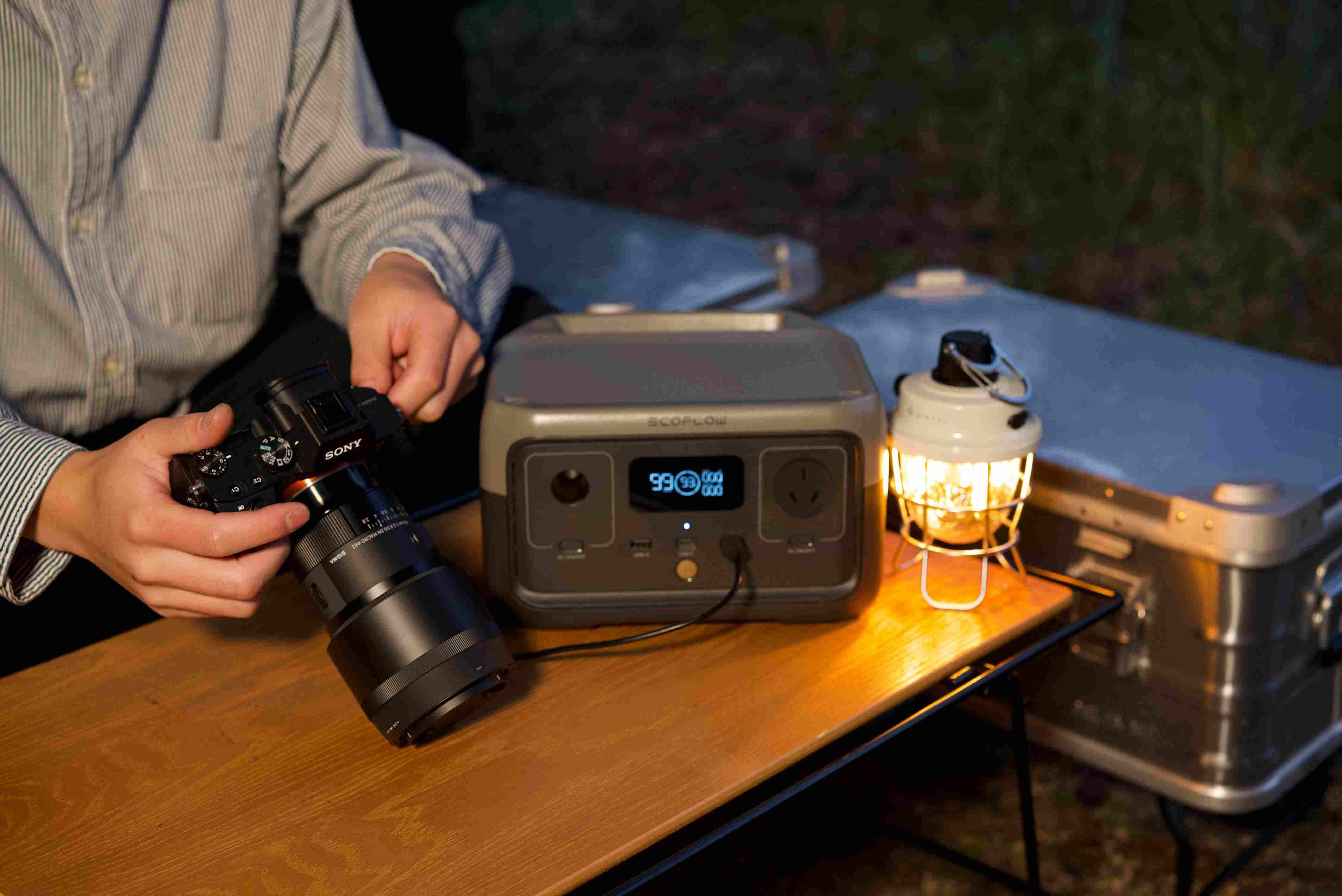
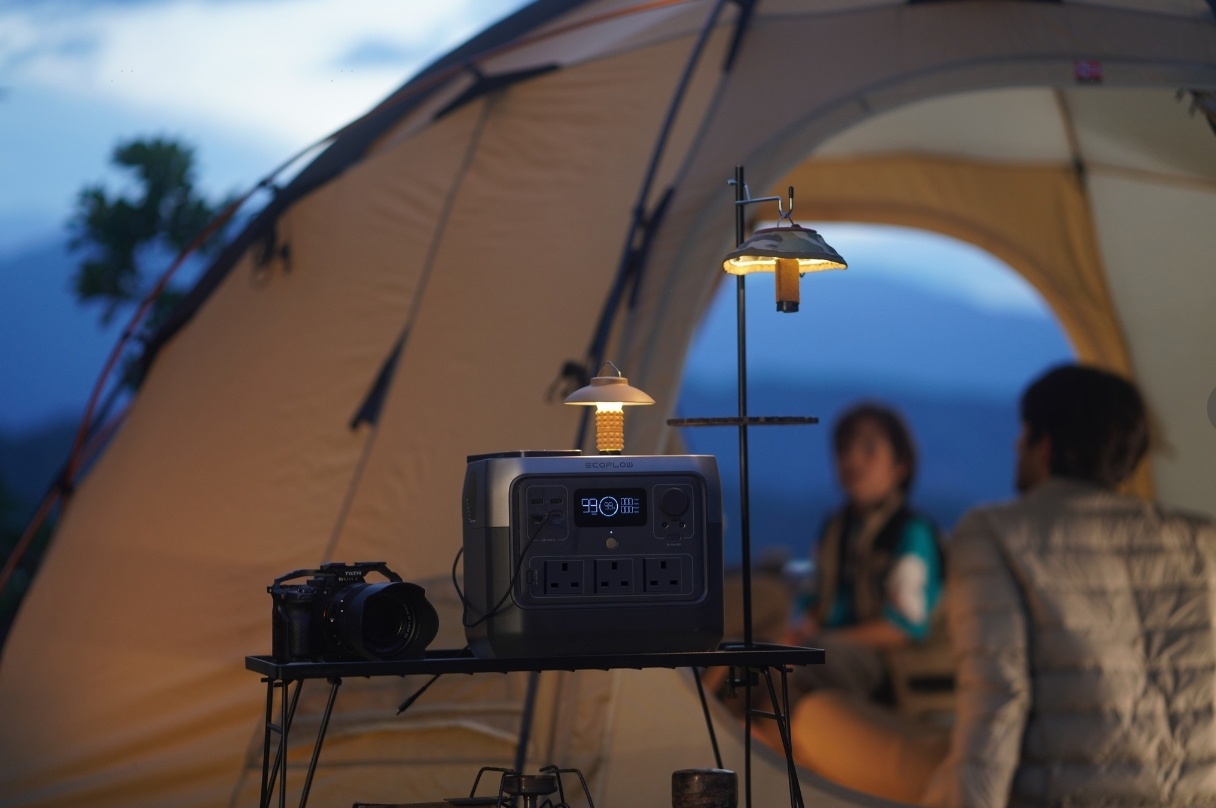
A 500Wh portable power station handles this load for 10+ hours. A 1,000Wh unit could run your lights for 20+ hours. The EcoFlow RIVER 2 series, starting at 256Wh, easily handles 2-3 light strings, while larger DELTA models can power extensive setups for multiple nights.
Runtime Comparison:
2 LED Strings (30W): 15 hours on 500Wh, 30 hours on 1000Wh
4 LED Strings (60W): 7.5 hours on 500Wh, 15 hours on 1000Wh
6 LED Strings + Speaker (100W): 4.5 hours on 500Wh, 9 hours on 1000Wh
Frequently Asked Questions
Q1. How Can I Store My String Lights Outside Properly for Winter?
Before tucking them away, remove excess moisture from bulbs and wiring with a dry cloth. Do not store them balled up tightly. Store them loosely around cardboard or original packaging. Balling up tightly will damage wiring. Store your lights, if possible, in an area with controlled temperatures. Extreme temperature fluctuations can damage plastic components and reduce seal life in sheds or garages. Store your lights in plastic containers with desiccant packets. You should identify your strings by length and check your lights before tucking them away. It will be easier than fixing problems next season. Proper winter storage will allow your LED strings to last 10-15+ years.
Q2. Is It Possible to Connect Different Brands on a Single Circuit?
Yes, but you have to calculate the total wattage. Different brands will draw different powers even if they appear similar. First, check the wattage on each package and make sure your total doesn’t exceed 80% capacity on the circuit. The big risk area is combining incandescent and LED lights. You can mix and match LEDs on a single circuit, but incandescent lighting may drive the total wattage too high—and thus generate fires because incandescent uses so much more wattage. Secondly, make sure that your brands allow end-to-end connections. Some brands will void warranties if you daisy-chain different brands on a single circuit due to varying connector types.
Q3. How Can I Prevent My Patio Lights From Getting Destroyed by Animals and Pests?
Squirrels and birds also like gnawing on wires, particularly in spring while they are nesting. Use a bitter-resistant spray that is available at pet stores on wires and repeat after every rain. Use PVC conduit tubes on wires at risk or wire loom. Also, do not position lights near bird feeders or nesting boxes. Regularly check for chewing; even tiny cuts on wires may be live. To protect low-lying or suspended articles, get motion-activated sprinklers. To eliminate rodents on a perennial basis, make all connections within weather-tight boxes beyond rodents' access.
Safe & Flexible Lighting
Safe patio lighting requires proper equipment and design. It is essential to choose water-resistant LED lights, securely install them, employ GFCI outlets, and consider portable power stations. Examine your current system today and have peace of mind with your patio lighting. However, if you want more flexibility, there are portable energy stations like EcoFlow RIVER 2 or DELTA that can power your lights for several hours without connecting them to an outside source.
For press requests or interview opportunities, reach out to our media team
media.na@ecoflow.com