Overnight Ice Camping Essentials: The Complete Gear Checklist to Stay Warm & Safe
- Ensure Your Safety Before Setting Up Your Ice Camp
- Create a Windproof Living Space on the Ice
- Upgrade Your Sleep System to Block the Cold
- Master Your Clothing Layers to Stay Dry
- Fuel Your Body to Generate Internal Heat
- Quick Checklist: The "Don't Leave Shore Without It" List
- Enjoy a Warm Night During Your Ice Camping Trip
- FAQs About Staying Overnight on Ice
Sleeping on a frozen lake is a peak winter experience. You get to see the stars reflected on a glass-like surface and wake up in a vast, white silent space. But the ice is a demanding host. Unlike land, ice is a giant heat sink that constantly tries to pull warmth out of your body. If you go out without the right plan, a fun night can turn into a cold emergency fast. This checklist covers the specific tools and methods needed to stay comfortable while sleeping on a frozen landscape.
Ensure Your Safety Before Setting Up Your Ice Camp
Since a frozen lake is a moving, changing surface, you must verify the ground strength before unpacking any ice camping gear.
Measure Ice Thickness and Color
Clear, blue-tinted ice is the gold standard for safety. It is much stronger than white "snow ice," which is brittle and filled with air. Follow these simple thickness rules for clear ice:
4 Inches: Minimum thickness for walking and a basic ice camp.
6–8 Inches: Necessary if you are pulling a heavy sled or using a snowmobile.
12+ Inches: Required if you plan to drive a medium-sized truck onto the lake.
Note: Always check local ice conditions as thickness can vary across the same body of water.
Use a spud bar, a heavy metal staff, to strike the ice ahead of you as you walk. If the bar punches through or the ice splintering looks deep, stop and head back to shore.
Carry Essential Self-Rescue Tools
f the ice fails, your survival depends on what you have attached to your body.
Use Safety Ice Picks: Keep these in a designated holster or protective sheath on your outer jacket. This keeps them easy to grab in a second, but prevents the sharp points from injuring you if you slip and fall.
Strap on Ice Cleats: Ice is often slicker than it looks. Traction cleats on your boots prevent head injuries and broken bones caused by falling on the hard, frozen surface.
Keep a Throw Rope: If you are with a group, have a 50-foot safety rope ready to toss to someone in trouble.
You can start making your home for the night once you know the ice is solid. To do this, you must first choose the right cover and figure out how to keep it warm.
Create a Windproof Living Space on the Ice
Your tent is your only shield against biting winds. On the ice, your shelter needs to do more than just block the breeze; it has to hold onto every bit of heat.
Insulated Hubs or Flip-Over Shelters
For ice camping, look for insulated "hubs" or "flip-over" shelters. These use a quilted fabric that traps air between layers. This insulation prevents the heater from working too hard and reduces the amount of frost that forms on the inside walls. Make sure your shelter has long "skirts" at the bottom. You can pile snow on these skirts to seal out the wind.
Propane and Electric Heating Options
Using a propane heater makes a night on the ice feel like a living room, but it comes with risks. Propane heaters produce moisture and, if they malfunction, carbon monoxide. Never sleep with a heater running unless you have a battery-powered carbon monoxide detector at your side. Also, keep the roof vents open. It sounds strange to let cold air in, but you need fresh oxygen to breathe and a way for wet air to escape so your gear stays dry.
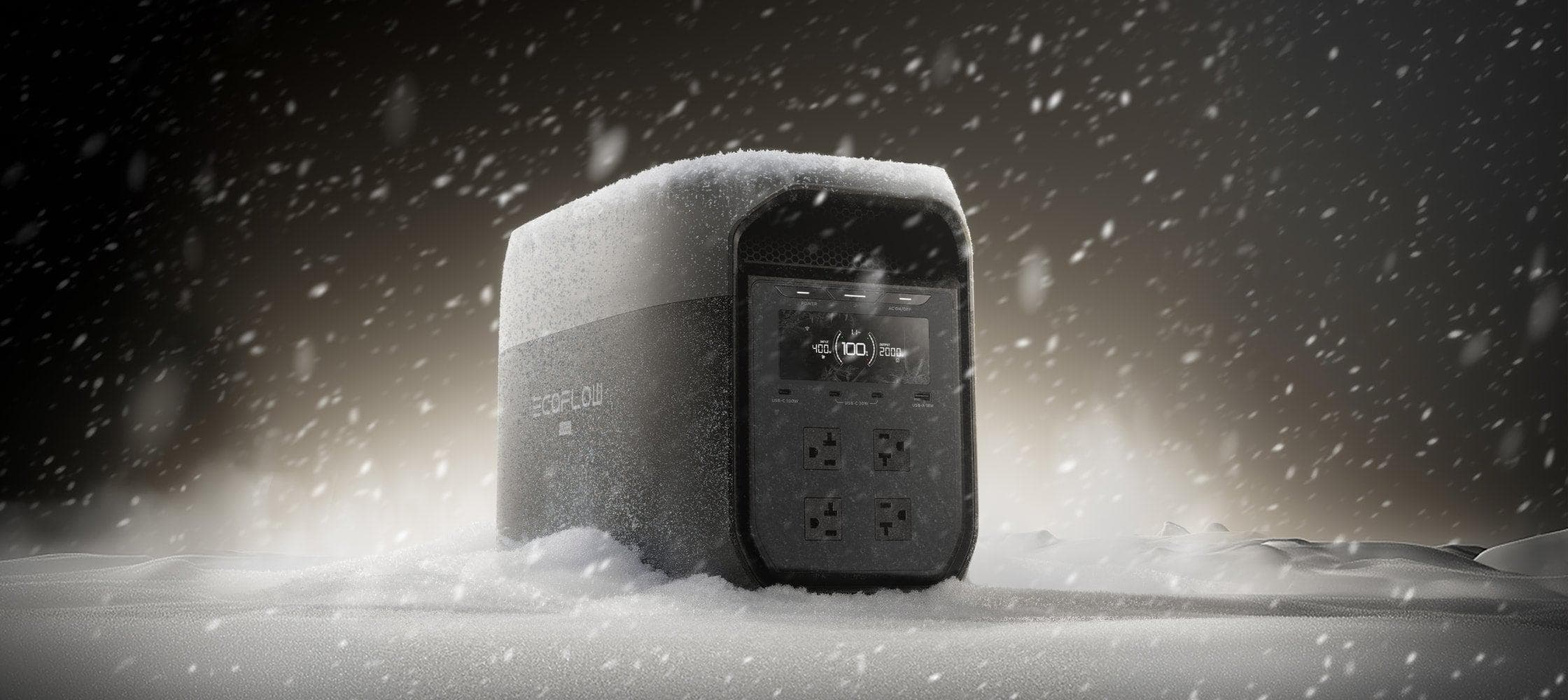
While propane is common, electric heating options, such as low-wattage heated blankets, provide a fume-free alternative. A high-capacity power station like the EcoFlow DELTA 3 Max Plus can power these for extended periods, reducing reliance on combustion heaters while you sleep. With its 2048Wh capacity and rated low-temperature performance, it is designed to operate in cold conditions, with manufacturer-specified discharge ratings down to -10°C / 14°F.
Flooring and Ice Anchors
The ice will melt if you put your warm boots directly on it, creating a puddle inside your tent. Bring interlocking foam floor tiles to cover the area where you sit and sleep. These tiles act as a thermal break. To keep your tent from blowing away, use threaded ice anchors. You can hand-turn these into the ice like a screw. Avoid using standard tent stakes, as they cannot penetrate or hold in solid ice.
Upgrade Your Sleep System to Block the Cold
A good night of sleep depends on how well you fight conduction. Since the frozen lake will constantly pull heat away from your body, you need a multi-layered barrier to stay warm.
High R-Value Sleeping Pads
The sleeping pad is more important than the sleeping bag when you are on ice. You need a pad, or a combination of pads, with an R-value of at least 5.0 to stop the ground cold from reaching your back.
For the best results, use two pads. Place a closed-cell foam pad on the bottom to block the initial chill, and put an insulated inflatable pad on top for comfort and extra heat retention. Ensure your pad is long enough so your feet and head aren't touching the bare floor, as any contact with the ice will drain your body heat.
Raised Camping Cots
If you have enough room in your sled, use a folding camping cot to get your body off the floor. This creates a gap of air between you and the frozen lake, which is much easier to keep warm than the solid ice.
You still must use your high R-value pads on top of the cot fabric. The cot simply keeps you away from floor-level slush and the coldest air.
Raising your bed also gives you a dry place to store your ice camping gear underneath, keeping your living space organized.
Cold-Rated Sleeping Bags and Liners
Your sleeping bag needs to be rated for temperatures much lower than the actual forecast. If the weather says 10°F, you should use a bag rated for -10°F or -20°F.
Choose Synthetic Insulation: While down is light, synthetic bags are often better for an ice camp because they still trap heat even if they get damp from tent condensation.
Add a Liner: A fleece or silk sleeping bag liner is a cheap way to add 10 degrees of warmth. It also helps keep the inside of your expensive bag clean from the sweat and oils of your skin.
Master Your Clothing Layers to Stay Dry
Even with a warm tent, your body's personal climate is controlled by what you wear. When you're on the ice, being wet means being cold.
Moisture-Wicking Base Layers
Your first layer of clothing must stay dry. Avoid cotton at all costs, as it soaks up sweat and turns into a cold, wet rag against your skin.
Choose Merino Wool or Synthetics: These materials pull sweat away from your skin and dry quickly.
Keep a Sleeping Set: Always pack a clean, dry set of thermal underwear that you only wear inside your sleeping bag. It’s best to change out of the base layers you wore during setup. Even if you don't feel sweaty, the layers you wore while setting up your ice camp have absorbed moisture from your skin.
Insulated Mid-Layers and Outer Shells
The air trapped between your clothes is what actually keeps you warm. You need layers that you can easily add or remove as your activity level changes. A thick fleece or a puffy down jacket works as a great mid-layer to hold in your core temperature.
Your outer jacket and pants (or bibs) should be completely windproof. On a frozen lake, the wind has no trees to stop it, so a solid outer shell is a must-have gear for camping in these conditions.
Specialized Winter Boots and Socks
Your feet are in constant contact with the coldest part of the environment. Standard hiking boots are usually not enough for standing on ice for hours.
Layer Your Socks: Wear a thin liner sock under a thick wool sock to prevent blisters and add warmth.
Removable Liners: Use boots with removable felt or foam liners. At night, pull the liners out and put them in your sleeping bag so they are warm and dry for the next morning.
Fuel Your Body to Generate Internal Heat
Besides the clothing and shelter, you need to provide your body with the energy it needs to produce warmth. Eating and drinking on the ice is a survival task, not just a comfort.
High-Calorie Foods and Fats
Your metabolism is your internal heater. Digesting heavy meals, especially those high in fat and protein, helps raise your body temperature during the night.
A high-calorie snack right before you get into your sleeping bag gives your body the fuel it needs to stay warm through the early morning hours. Use dehydrated meals or heavy stews that only require boiling water. This saves fuel and keeps your hands warm while you hold the bowl.
Insulated Water Bottles and Thermoses
Liquid water is hard to find on a frozen lake. You must prevent your supply from turning into solid ice.
Store Bottles Upside Down: Ice forms at the top of a container. By storing your water bottles upside down in your pack, the "bottom" will freeze first, keeping the cap clear so you can still drink.
Use Vacuum Insulation: A high-quality thermos keeps coffee or soup hot for hours and prevents your plain drinking water from freezing even in sub-zero winds.
Quick Checklist: The "Don't Leave Shore Without It" List
This list summarizes the most important items for your trip. Check these off before you drive to the lake to ensure you have a safe and successful night out on the ice.
Category | Item | Why You Need It |
Survival & Safety | Ice Picks | Keep in a protective holster; used to pull yourself out if you fall through. |
Ice Cleats | Strapped to boots to prevent slips and falls on slick blue ice. | |
Spud Bar | A heavy rod used to test ice thickness as you walk. | |
CO Detector | Mandatory if using a heater to prevent carbon monoxide poisoning. | |
Safety Rope | A 50-foot throw rope for rescuing others from a safe distance. | |
Shelter & Flooring | Insulated Tent | Quilted fabric walls that trap heat much better than summer tents. |
Ice Anchors | Threaded screws that secure your tent into solid ice. | |
Foam Floor Tiles | Interlocking mats that stop the ice from melting under your feet. | |
Propane Heater | Provides a warm living space; bring 20% more fuel than you think you need. | |
Sleep System | High R-Value Pad | Total R-value of 5.0+ to stop ground cold from reaching your back. |
Camping Cot | Elevates you off the ice and away from floor-level slush. | |
-20°F Sleeping Bag | Rated for much colder than the actual forecasted temperature. | |
Sleeping Liner | Adds 5-10 degrees of warmth and keeps your bag clean. | |
Clothing | Merino Base Layers | Wicks sweat away from skin; absolutely no cotton. |
Dry Sleeping Set | A fresh set of clothes used only for sleeping to ensure you stay dry. | |
Insulated Bibs | Better than pants because they protect your core and lower back. | |
Extra Wool Socks | Bring at least two spare pairs to keep your feet bone-dry. | |
Electronics | Headlamp | Essential for hands-free tasks; use lithium batteries in the cold. |
Power Center (EcoFlow DELTA 3 Max Plus) | Provides 2048Wh of safe, fume-free power for heated blankets and gear; reliable discharge down to 14°F (-10°C). | |
Power Bank | Keep this inside your sleeping bag to prevent the battery from dying. | |
Personal Care | Pee Bottle | Clearly marked bottle so you don't have to leave the tent at night. |
Hand Warmers | A quick way to reheat fingers after handling cold gear or ice anchors. |
Enjoy a Warm Night During Your Ice Camping Trip
Staying overnight on a frozen lake is a rare thrill. Success depends on respecting the cold and protecting your body heat. Keep your bed off the ice, switch into dry clothes before sleep, and always monitor your ice thickness. When you have the right gear and a solid plan, the sub-zero wind loses its power.
FAQs About Staying Overnight on Ice
Q1: Is it safe to leave a heater on while I sleep?
It is generally safer to turn the heater off before you go to bed. Even with a carbon monoxide detector, there is a risk of fire or oxygen depletion in a small tent. If you have a high-quality sleep system with the right pads and a cold-rated bag, you should stay warm without the heater. Most people use the heater to warm the tent up before bed and again first thing in the morning.
Q2: How do I keep my electronics from dying in the cold?
Cold temperatures cause batteries to drain much faster than usual. Keep your phone, headlamp batteries, and power banks inside your sleeping bag or in an inner pocket of your jacket. Using your body heat to keep them warm will ensure they have power when you need them. Using lithium batteries instead of alkaline ones also helps, as lithium performs much better in sub-zero temperatures.
Q3: What do I do if my tent freezes to the ice?
If snow melts under your tent and then refreezes, your tent skirts might get stuck. Avoid pulling forcefully on fabric that has frozen to the ice, as this can easily cause tears. Instead, use a small camping shovel or a hatchet to carefully chip away the ice around the edges. If you have extra water and a stove, pouring a little warm water on the frozen spots can help melt the bond so you can lift the tent safely.
For press requests or interview opportunities, reach out to our media team
media.na@ecoflow.com