"Passive Cooling" Techniques for Old Houses
Old houses were never designed with central air conditioning in mind, yet many stayed surprisingly livable through the hottest months. Long before modern cooling systems, builders relied on thoughtful design, natural ventilation, and simple materials to manage heat.
Those time-tested ideas are now gaining renewed attention as homeowners look for low-energy ways to stay comfortable.
“Passive cooling” taps into these principles: working with the building rather than against it. With the right combination of airflow, shading, insulation, and small upgrades, even an older home can feel cooler and more comfortable while using far less energy.
What Passive Cooling Is and Why It Still Works Today
Passive cooling is all about reducing heat gain and encouraging natural airflow without relying on mechanical systems. Instead of forcing a home to cool down with air conditioning, it uses strategic design elements to maintain a more comfortable indoor temperature, like:
Cross-ventilation
Shading
Insulation
Reflective materials
Many older homes were originally built with these principles in mind, including high ceilings, operable windows, and layouts that promote air movement.
What makes passive cooling especially relevant today is its efficiency.
As energy costs rise and extreme temperatures become more common, homeowners are looking for ways to stay comfortable without overloading their HVAC systems or becoming overly dependent on backup solutions like a whole home generator.
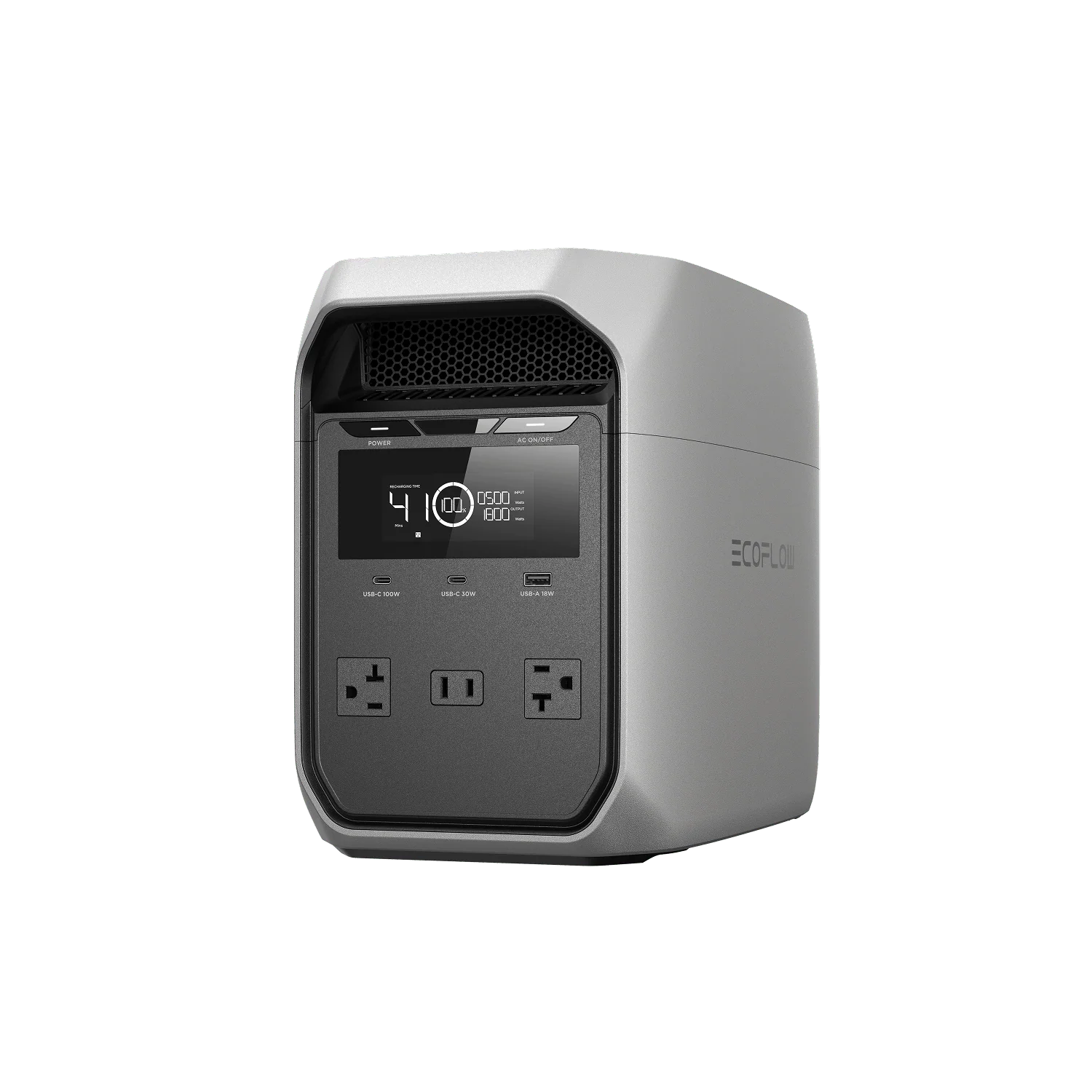
Lightweight portable power options, such as the EcoFlow DELTA 3 Classic, can also support fans and airflow devices during peak heat without increasing energy demand.
Passive methods reduce strain on electrical systems, lower utility bills, and continue working even during power outages.
Beyond cost savings, passive cooling also supports a more sustainable lifestyle. Minimizing reliance on energy-intensive cooling, it reduces environmental impact while preserving the original character of older homes.
Core Passive Cooling Techniques for Old Houses
Older homes often come with design features that naturally lend themselves to staying cool — if you know how to use them. Combining thoughtful airflow, shading, and materials that manage heat means these houses can stay comfortable even during the hottest months.
Natural Ventilation and Airflow
One of the most effective ways to cool an older home is by improving how air moves through it. Cross-ventilation that’s created by opening windows on opposite sides of the house allows cooler air to enter while pushing warm air out.
Features common in older homes, like transom windows, tall ceilings, and wide hallways, can improve this effect by helping hot air rise and escape.
Shading and Reducing Heat Gain
Keeping the sun’s heat out is just as important as letting fresh air in.
Exterior solutions like awnings, shutters, and trees provide the most effective protection by blocking sunlight before it reaches windows and walls. Inside, heavier curtains or reflective blinds can further reduce heat buildup.
Roof color and materials also play a role. Lighter, reflective surfaces absorb less heat. These simple strategies help you to stay safe during heat waves.
Thermal Mass and Night Cooling
Many older homes were built with materials like brick, stone, or plaster that naturally absorb heat during the day and release it slowly at night. This “thermal mass” can be used to your advantage.
Opening windows after sunset and letting cooler night air circulate helps flush out the stored heat and reset the home’s temperature for the next day.
Simple Ways to Improve Cooling in Older Homes
Small changes can make an older home feel noticeably cooler without major renovations:
Use fans: Circulate air to boost natural ventilation.
Seal gaps: Keep hot air out and cool air in.
Add window shading: Blinds, shades, or reflective films reduce heat gain.
Create outdoor shade: Trees, awnings, or shutters block sunlight.
Leverage thermal mass: Open windows at night to cool stone or brick surfaces, then close them in the morning.
Limit heat indoors: Run ovens or laundry during cooler hours.
Combining Passive Cooling With Portable Power Solutions
Even the best passive cooling strategies can benefit from occasional support, especially during extreme heat or power interruptions. Combining natural design techniques with reliable portable power solutions ensures comfort and safety without overloading home systems.
Supporting Airflow and Comfort During Heat Events
Fans and small cooling devices can enhance airflow and make passive cooling more effective. Using a portable air conditioner with a heater in key rooms allows homeowners to maintain a comfortable temperature without running central AC, particularly during peak heat periods.
Backup Power During Outages
Older homes are often more vulnerable during power outages, which can make heat waves dangerous. Portable power stations or generators can keep essential fans, pumps, or small AC units running, which provides reliable backup without relying solely on the grid.
Where EcoFlow Fits Into Home Cooling Strategies
EcoFlow portable power stations offer flexible support for passive cooling strategies.
Systems like the EcoFlow DELTA 2 Max can keep fans, ventilation devices, or small AC units running during high-demand periods or outages, helping maintain stable indoor conditions without overloading the grid.
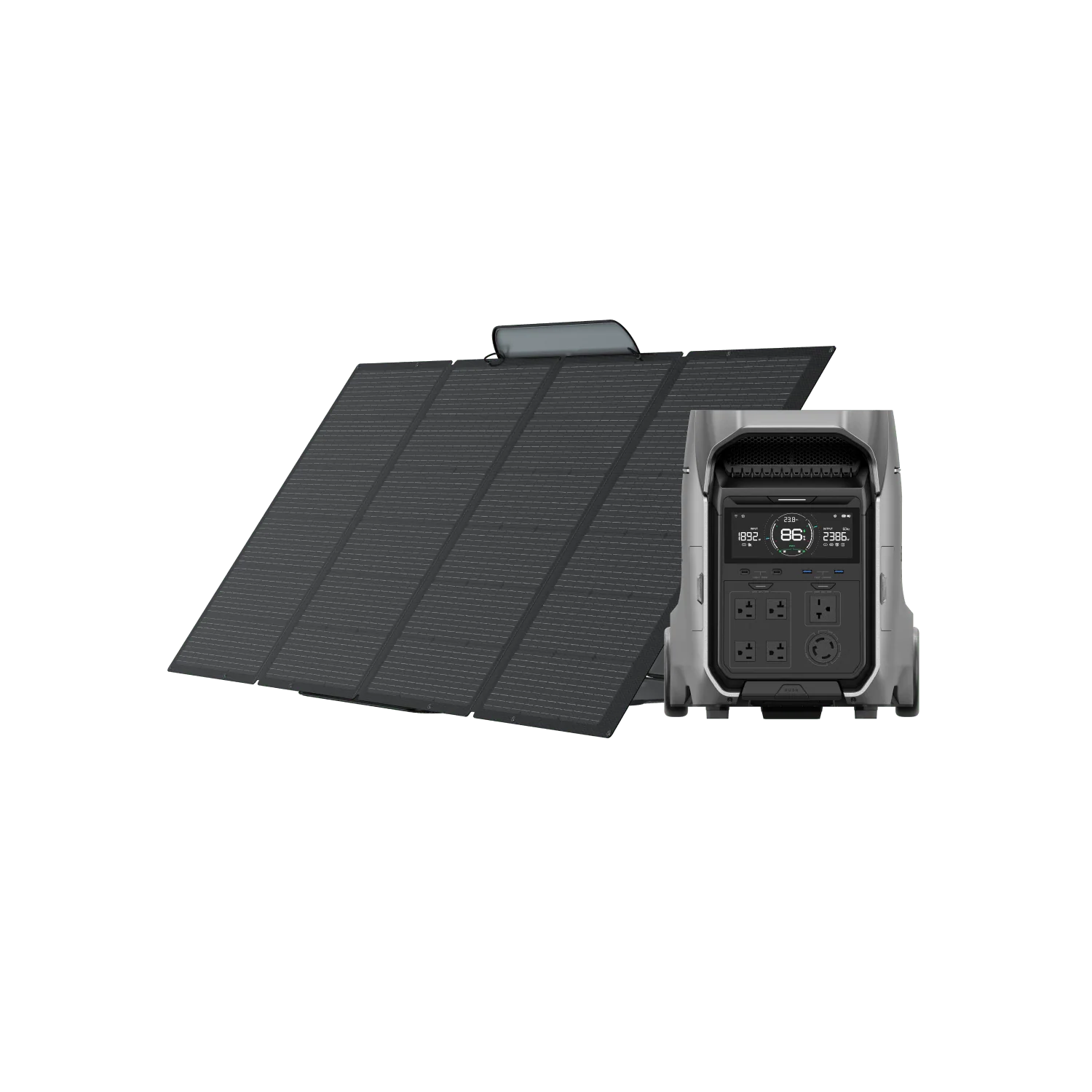
For whole-home resilience, systems like the EcoFlow DELTA Pro 3 + 400W Solar Panel bundle provide scalable backup, helping maintain safe indoor temperatures when grid power is unavailable.
Frequently Asked Questions
Does Passive Cooling Really Work in Hot Climates?
Yes, passive cooling can be effective even in hot climates. Techniques like natural ventilation, shading, and thermal mass help reduce indoor temperatures, often enough to make a home comfortable without heavy reliance on air conditioning. For extreme heat, combining passive cooling with fans or portable units can improve results.
How Can I Cool My House Without Air Conditioning?
You can cool your home naturally by promoting airflow through open windows, blocking direct sunlight with shades or outdoor shading, and using materials that absorb and release heat slowly. Fans and strategic nighttime ventilation can further lower indoor temperatures.
Passive Cooling Helps Older Homes Stay Comfortable in Modern Heat
Older homes have built-in advantages for staying cool, from high ceilings and natural airflow to materials that absorb and release heat. Combining these passive cooling strategies with modern support like fans, portable AC units, or reliable backup power allows you to maintain comfort even during extreme temperatures.
Adding reliable backup power further strengthens this approach, helping essential cooling devices stay operational during outages or peak demand periods.
Explore EcoFlow’s portable power bundles to find flexible, portable solutions that support efficient cooling and improve home resilience during heat events.
For press requests or interview opportunities, reach out to our media team
media.na@ecoflow.com