Camping in Oregon 2026: Portable Power for Coastal, Forest, and Desert Sites
- Why Is Oregon a Top Camping Destination in 2026?
- What Power Challenges Do Campers Face Across Oregon's Regions?
- What Devices Do You Need to Power at an Oregon Campsite?
- How Do Portable Power Stations Help Across Oregon's Different Terrains?
- How Can Solar Charging Improve Your Oregon Camping Setup?
- How Should You Plan Power for a Multi-Day Oregon Camping Trip?
- Frequently Asked Questions
- Portable Power Keeps Oregon Camping Trips Running Smoothly From Coast to Desert
If camping in Oregon is on your bucket list for 2026 or even 2027, you’re not alone. Campers, hikers, photographers, and everyone else are headed to this state, and for good reason. With an extremely diverse landscape and stellar views, there’s something for everyone.
Keep reading to learn why Oregon is trending in 2026, what electronics everyone is bringing, and how to power them effectively.
Why Is Oregon a Top Camping Destination in 2026?
Oregon has long been one of America’s premier camping destinations, and in 2026, it’s receiving even more attention from travelers. Late last year, the BBC announced the Oregon Coast as one of its 20 Best Places to Travel in 2026, increasing its popularity. Oregon is one of the only U.S. states where the entire coastline is publicly accessible.
But Oregon has much more to offer besides the Pacific Coast. You can find Oregon campsites in dense, lush forests, hike through volcanic peaks in the Cascade Range, see the colorful deserts of eastern Oregon, and paddle in alpine lakes.
What Power Challenges Do Campers Face Across Oregon's Regions?
Oregon Coast Camping
On the coast, marine layers and fog are common. Thick, overcast skies reduce solar irradiance, so solar panels will have a difficult time reaching max power output. The coastal air is full of salt and moisture, making electronics more susceptible to corrosion.
Oregon Forest and Cascade Camping
Towards the Cascade Range and in the old-growth forests of Western Oregon, the climate is less foggy, but the dense canopy shading has the same effect. Douglas firs, hemlocks, and western red cedars block much of the light from reaching the forest floor and solar panels. Even one tree branch can drastically reduce a panel's output.
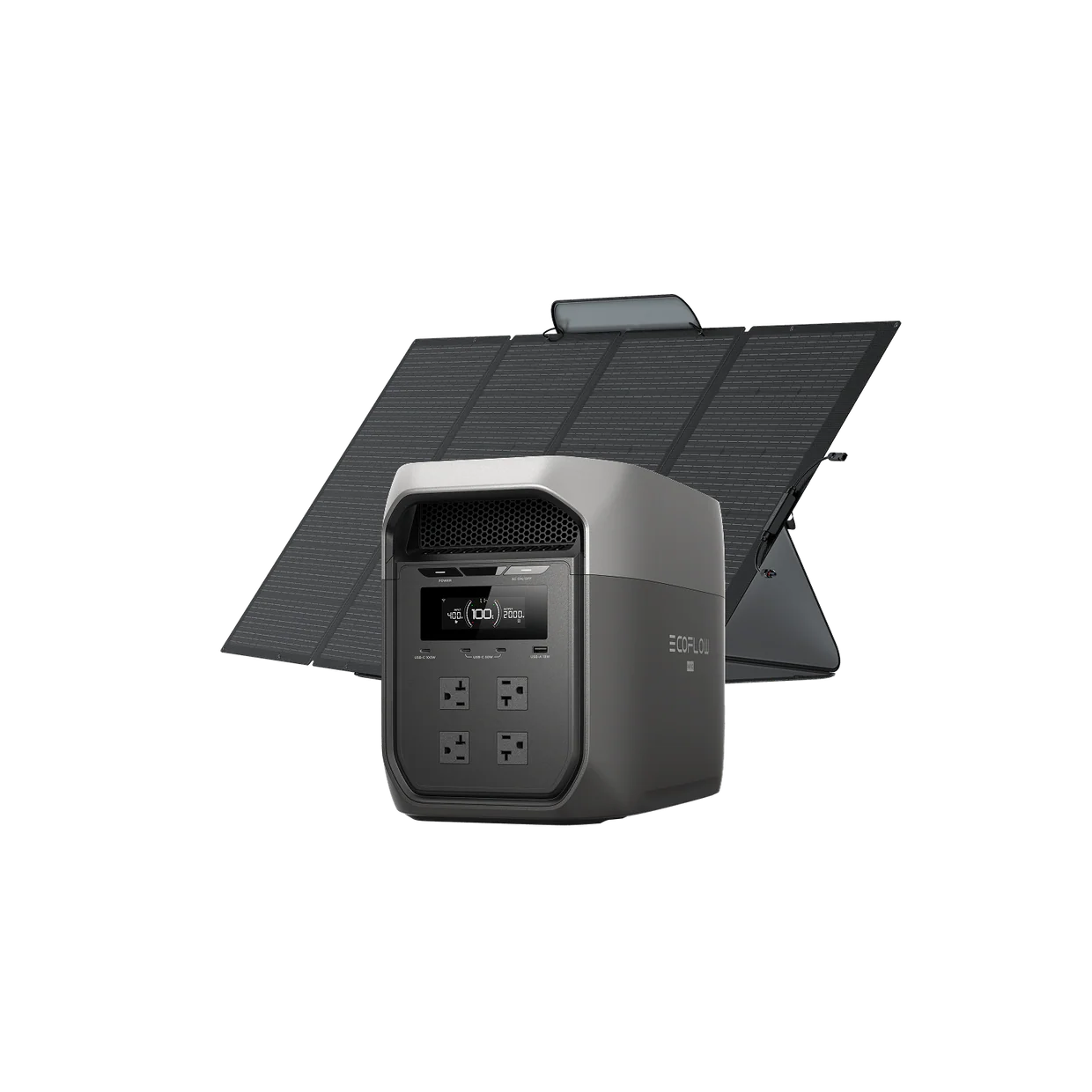
Whatever the terrain, a reliable power station is essential for keeping devices charged when solar conditions are inconsistent. The EcoFlow DELTA 3 Max + 400W Solar Panel stores power during the brief windows of strong sun, so you're not left without electricity when fog rolls in or the canopy blocks the light.
Oregon High Desert Camping
Eastern Oregon's high desert offers a different challenge entirely: intense, direct sun with little shade or humidity. Solar panels perform well here, but extreme heat and blowing dust can affect battery efficiency and clog vents or ports over time.
Temperatures also swing sharply after sunset, so campers need stored power ready for overnight use once the sun drops. The same heat and dust challenges show up in other high-desert destinations, like camping in Utah, where similar power setup applies.
What Devices Do You Need to Power at an Oregon Campsite?
In 2026, camping no longer means leaving the modern world at home. A portable power station keeps essential electronics and comfort appliances running while you're off-grid. Here's what campers are bringing with them to Oregon campsites:
Your phone
Electric cooler
Camera
Navigation tools
Earbuds
Coffee maker
E-reader
Fan
Electric stove
Lights
How Do Portable Power Stations Help Across Oregon's Different Terrains?
Traditional generators are loud and bulky, and some campsites restrict their use due to the noise. Portable power stations run much quieter and can bypass those regulations. They also adapt to whatever terrain you're camping in: storing solar energy for later use on foggy coastal days, low-light forest floors, or overnight in the desert once the sun drops.
How Can Solar Charging Improve Your Oregon Camping Setup?
Pairing portable foldable solar panels with a power station enables self-sustaining electricity generation.
In the deserts, solar generators can power electrical coolers, fans, and AC units, eliminating the need for ice storage. Keep your water supply cold to quickly cool down after a strenuous hike. The same setup holds up well for desert camping trips elsewhere, including camping in Arizona, where solar generators face comparably intense heat.
In coastal and forested terrains, a solar generator allows you to power electronics outside of peak sunlight hours.
And in the winter, these terrains become incredibly chilly overnight. Electric blankets and small boot dryers powered overnight make the campsite more enjoyable. Charge the power station during the day with panels and power electronics through the night.
How Should You Plan Power for a Multi-Day Oregon Camping Trip?
Before you even think about power, you'll need a confirmed site. Oregon State Parks open new reservation windows on a rolling basis six months in advance, released daily at 6:00 AM Pacific Time. Popular coastal and forest sites can sell out within minutes of going live.
For multi-day trips, calculate your daily watt-hour (Wh) needs from your appliances' wattage and expected run time, then budget across the length of the trip. Choose a battery with at least 20–30% more capacity than you expect to need, and charge everything fully before leaving home.
Top up your battery throughout the trip with solar panels. With solar charging, you won’t need to worry about running out of power completely. Plus, you could reduce the size of the battery you bring if it’s paired with solar charging, lowering weight and bulk when getting to the campsite.
Frequently Asked Questions
Is Oregon Coast Camping Open Year-Round?
Yes, many campgrounds along the Oregon Coast are open year-round. This includes state parks like Fort Stevens, Nehalem Bay, Cape Lookout, and South Beach. In the winter, many campgrounds close portions of the loop to lower maintenance needs and because the season is slower.
How Far in Advance Should You Book Oregon State Park Campsites?
Plan to book your campsite at least 6 months in advance, since reservations open on a rolling basis and popular sites can sell out quickly. Book as early in the day as possible for the best chance at availability, especially during peak season.
Is Dispersed Camping Allowed in Oregon's National Forests?
Yes, dispersed camping is permitted in Oregon’s National Forests like Mt. Hood, Willamette, and Deschutes. There are specific rules when setting up camp outside designated campgrounds. Keep 100 feet away from water sources, only stay for the permitted time, adhere to fire restrictions, and dispose of waste correctly.
How Much Water Should You Bring for Desert Camping in Oregon?
In Oregon’s desert terrains, water is the most critical resource since natural, potable water sources are scarce. Plan to bring 1 gallon of water per day per person. If visiting during the summer or with strenuous hiking plans, plan for 2 gallons a day. Always pack at least 2–3 days extra in case of an emergency.
Portable Power Keeps Oregon Camping Trips Running Smoothly From Coast to Desert
Camping in Oregon doesn't mean giving up the comforts of modern life. A portable power station paired with solar panels offers flexible, peace-of-mind power throughout your entire stay.
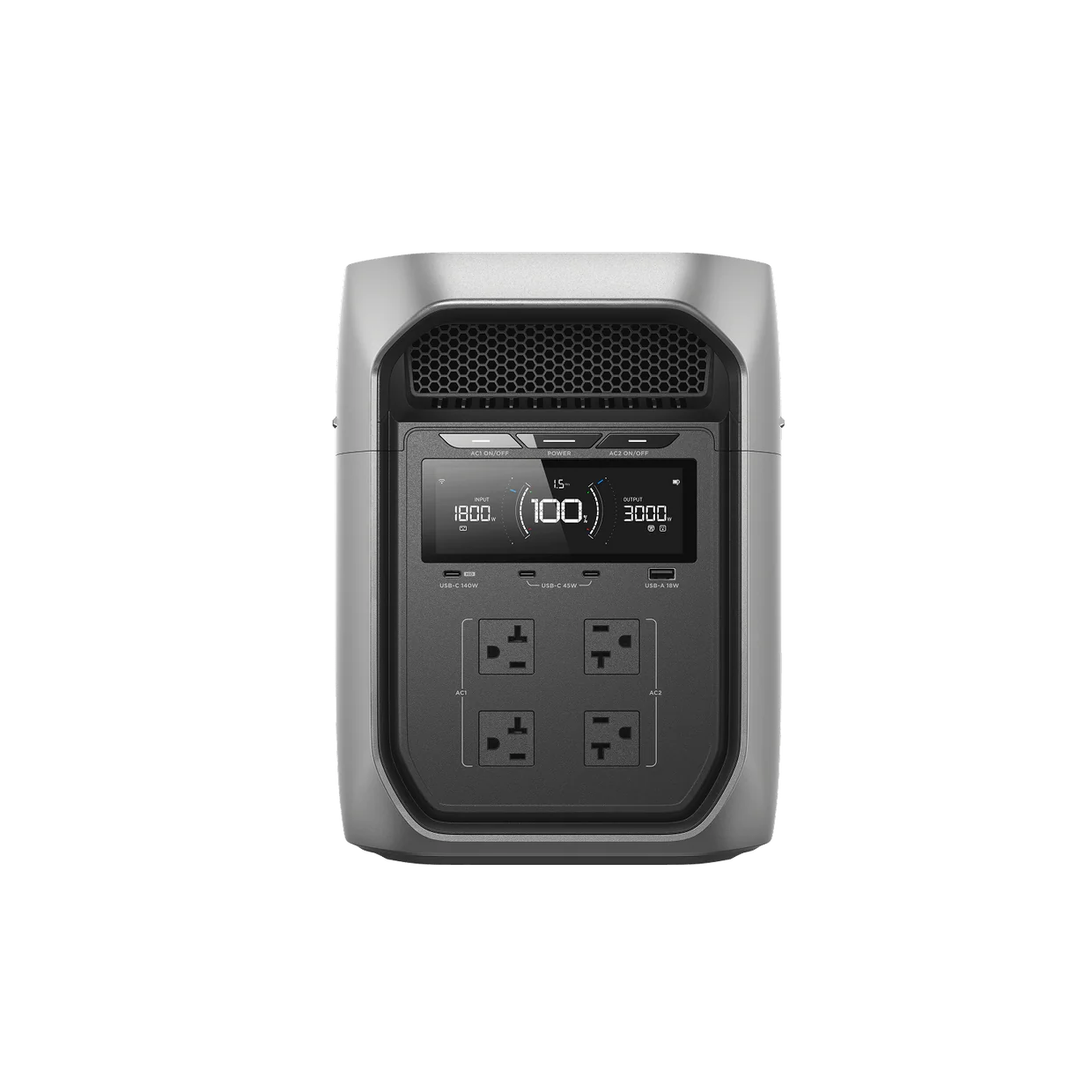
The EcoFlow DELTA 3 Max + 400W Solar Panel is a reliable way to access self-sustaining electricity at any Oregon campsite this year.
For press requests or interview opportunities, reach out to our media team
media.na@ecoflow.com