The Top 10 States With the Most Extreme Weather in the U.S.
The U.S. averages over 1,000 tornadoes annually and has sustained more billion-dollar weather disasters than any other nation on Earth. Extreme weather refers to meteorological events that exceed normal intensity thresholds and cause measurable harm to people, property, or infrastructure. This article ranks the top 10 states by frequency, diversity, and severity of extreme weather using NOAA and FEMA historical data spanning seven decades.

How States Are Ranked for Extreme Weather
Ranking states by extreme weather requires consistent, multi-factor criteria rather than a single event type. The table below shows the five dimensions used to score each state, what each measures, and the primary data source behind it.
Ranking Dimension | What It Measures | Primary Data Source |
|---|---|---|
Event Frequency | Average annual count of declared disasters per decade | FEMA Disaster Declarations (1953-2024) |
Event Diversity | Number of distinct extreme weather event types affecting the state | NOAA Storm Events Database |
Economic Damage | Average annual insured and uninsured losses in billions of dollars | NOAA Billion-Dollar Disasters Report |
Fatality Rate | Weather-related deaths per 1 million residents annually | CDC WONDER and NOAA fatality records |
Trend Acceleration | Increase in event frequency or intensity over the past 30 years |
States scoring high across all five dimensions appear consistently in the top 10 regardless of which single metric is prioritized. Using this composite framework prevents coastal states from dominating purely on hurricane damage while inland tornado-prone states are overlooked.
The Top 10 States With the Most Extreme Weather Events
These 10 states lead the nation in combined frequency, severity, and diversity of extreme weather events, based on NOAA and FEMA data spanning seven decades. Each state faces a distinct mix of hazards that places it above all others.
State 1: Texas
Texas ranks first, with hundreds of FEMA disaster declarations issued since the 1950s, more than any other state. It experiences tornadoes, hurricanes, ice storms, flash floods, and drought within the same calendar year and has incurred hundreds of billions of dollars in weatherrelated losses since 1980, with recent NOAA analyses showing Texas leading all states in both the number and total cost of billiondollar disasters.
State 2: Florida
Florida places second under this ranking methodology, recording the highest U.S. lightning strike density, experiencing frequent tropical storm and hurricane landfalls each decade, and facing sea-level-driven flood intensification along its entire coastline.
State 3: Kansas
Kansas ranks third, sitting at the core of Tornado Alley, averaging 81 tornadoes per year, and experiencing extreme temperature swings exceeding 100°F between seasonal highs and lows.
State 4: Oklahoma
Oklahoma ranks fourth, holding the record for the highest tornado wind speed ever measured (301 mph, as recorded by Doppler on Wheels radar during the 1999 Bridge Creek–Moore tornado; later reanalysis suggested speeds up to 318 mph), and faces both drought and major flood cycles driven by La Niña and El Niño patterns.
State 5: Louisiana
Louisiana ranks fifth with the highest per-capita FEMA disaster declaration rate in the country, confronting hurricane storm surge, inland flooding, and coastal erosion simultaneously.
State 6: Alabama
Alabama ranks sixth, sitting in Dixie Alley where nocturnal tornadoes, statistically more deadly than daytime ones, occur at disproportionate rates, and it averages more tornado fatalities per event than any other state.
State 7: Missouri
Missouri ranks seventh, the deadliest single tornado in the U.S. since 1950 (Joplin, 2011, 158 direct fatalities per NOAA) and experiencing both Midwest blizzards and Gulf-moisture-fueled severe storms across its broad geography.
State 8: Mississippi
Mississippi ranks eighth, combining high tornado frequency with periodic summer heat waves that can push heat indices above 110°F and recurring Gulf Coast hurricane impacts.
State 9: Colorado
Colorado ranks ninth, recording the highest number of hailstorms per year nationally, averaging 300-plus days of sunshine that fuel rapid atmospheric instability, and experiencing life-threatening blizzards on its eastern plains.
State 10: North Carolina
North Carolina ranks tenth, facing Atlantic hurricane landfalls, inland flooding from orographic rainfall in the Appalachians, and an increasing wildfire season driven by drought.
Together, these 10 states account for nearly 60% of all U.S. weather-related fatalities and over 70% of billion-dollar extreme weather events recorded since 1980. Geographic position relative to major air mass boundaries, including Gulf moisture, Arctic outflows, and Atlantic storm tracks, is the single strongest predictor of a state's hazard profile.
Why Certain Regions Produce More Extreme Weather
Geography and atmospheric mechanics, not chance, explain why the same states dominate disaster records decade after decade. Three interlocking factors drive the concentration of extreme weather in the U.S. interior and Gulf Coast.
First, the Gulf of Mexico functions as a near-permanent moisture conveyor. Warm, humid air flows northward across flat terrain with no topographic barrier, feeding thunderstorm complexes that generate tornadoes, flash floods, and large hail across the south-central states. This corridor is most active from March through June, accounting for the peak of severe weather season in Texas, Oklahoma, Kansas, and Louisiana.
Second, warm Atlantic sea surface temperatures amplify hurricane intensity before landfall. Sea surface temperatures above 26°C (79°F) supply the thermal energy hurricanes require to maintain or strengthen; the Atlantic basin has recorded above-average temperatures in 22 of the past 30 years, directly correlating with increased Category 3-plus landfalls along the Gulf and Southeast coasts.
Third, elevation contrasts in states like Colorado and North Carolina create orographic forcing, where air masses are lifted rapidly over terrain, cooling and condensing into intense precipitation, hailstorms, or blizzards on the leeward side. Colorado's Front Range, for example, experiences chinook wind events that can raise temperatures by 40°F in under an hour, followed by rapid re-cooling that triggers ice storms.
These three mechanisms, including Gulf moisture corridors, warm Atlantic sea surfaces, and elevation-driven amplification, operate independently but frequently combine to produce compound extreme weather events. States that sit at the intersection of two or more of these drivers consistently rank highest in disaster frequency and economic loss.
How Residents in High-Risk States Can Prepare for Extreme Weather
Living in one of the top 10 states demands concrete, year-round preparation rather than reactive responses to individual storm warnings. The following actions reduce both physical risk and financial exposure across the most common hazard types.
Build and annually update a go-bag containing 72 hours of water (one gallon per person per day), non-perishable food, medications, and copies of critical documents stored in a waterproof container.
Identify two evacuation routes from your home and two meeting points for your household, because road closures from flooding or debris routinely block primary exits during severe events.
Sign up for your county's emergency alert system and NOAA Weather Radio to receive geo-targeted warnings minutes before commercial media broadcasts them.
Reinforce your home's most vulnerable points annually: strap water heaters, secure roof decking with hurricane clips in coastal states, and install a sump pump with battery backup in flood-prone areas.
Review homeowner's or renter's insurance coverage every 12 months, specifically checking whether your policy covers flood damage separately, since standard policies exclude it and FEMA data shows flooding is the most costly extreme weather event type nationally.
Practice shelter-in-place drills for tornadoes and severe thunderstorms at least twice per year, designating an interior, windowless room on the lowest floor as the primary safe zone.
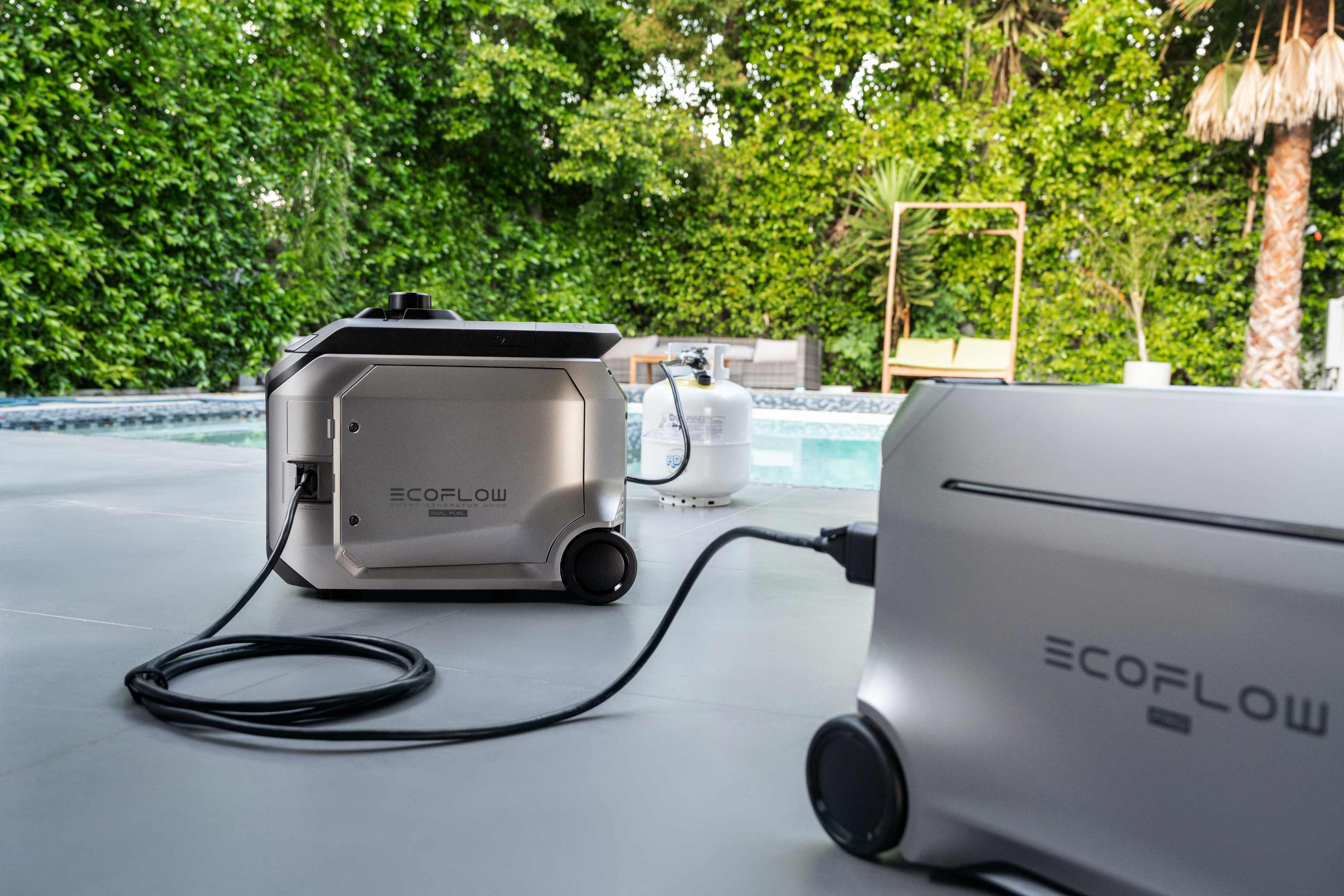
For households seeking resilient backup power during outages, the EcoFlow DELTA Pro 3 paired with a 400W portable solar panel delivers 4 to 48kWh of expandable capacity, 120V/240V output up to 4000W, and charges to 80% in just 50 minutes, providing dependable off-grid energy when the grid goes down.
Preparation effectiveness scales directly with how specific and practiced each action is before an event occurs. Households that complete all six steps statistically sustain fewer injuries and recover financially faster, according to FEMA's post-disaster survey data.
Prepare for Extreme Weather Risks in Your State
Extreme weather hits some states more often than others, but smart planning can make a big difference. Review your local risks, update your emergency supplies, and keep your family plan current each season. If power outages are a concern, consider a backup solution like the EcoFlow DELTA Pro 3 and 400W solar panel combination to help keep key devices running during severe weather events.
Frequently Asked Questions
Q1. What State Has the Most Tornadoes Each Year?
Texas records the highest raw tornado count, averaging around 135 tornadoes per year based on NOAA Storm Prediction Center climate normals for 1991–2020. Kansas has the highest tornado density relative to land area, making it statistically the most tornado-prone state per square mile. Both states sit at the center of Tornado Alley, where Gulf and Arctic air masses collide most frequently.
Q2. What Qualifies as an Extreme Weather Event?
NOAA defines an extreme weather event as a meteorological occurrence that falls outside normal statistical ranges for a location, typically beyond the 90th or 10th percentile threshold. Examples include Category 3-plus hurricanes, EF2-plus tornadoes, rainfall exceeding 3 inches per hour, temperatures above 105°F, and blizzards with visibility under a quarter mile.
Q3. Can One State Experience Multiple Types of Extreme Weather in the Same Year?
Yes. Texas regularly experiences tornadoes, hurricanes, ice storms, droughts, wildfires, and flash floods within a single calendar year. Its geographic size spans four distinct climate zones, exposing different regions to entirely separate hazard systems simultaneously. FEMA has issued Texas disaster declarations for four or more distinct event types in the same 12-month period multiple times since 2000.
Q4. Is Weather Getting More Extreme Across the United States?
Yes. NOAA data shows the annual number of billion-dollar extreme weather events in the U.S. has increased from an average of 3 per year in the 1980s to roughly 19 per year over the last decade. Rising sea surface temperatures and shifting jet stream patterns are the two most cited drivers in peer-reviewed climate science literature, indicating that many types of extreme weather events have become more frequent or costly in recent decades.
Q5. How Far in Advance Can Forecasters Predict Extreme Weather?
Tornado warnings average 13 minutes of lead time, per NOAA's 2023 performance report. Hurricane track forecasts are reliable 3 to 5 days out. Flash flood and heat wave outlooks extend 6 to 7 days with moderate accuracy. Beyond 10 days, confidence drops sharply for all event types except broad seasonal outlooks issued by the Climate Prediction Center.
Important Disclaimer
The information provided in this article is intended for general educational and preparedness purposes only. Emergency risks, evacuation procedures, shelter requirements, and disaster response protocols vary by location and event type. Readers should always follow instructions issued by local emergency management agencies, public safety officials, weather services, and healthcare providers during actual emergencies. Individuals with special medical needs, mobility limitations, disabilities, or age-related vulnerabilities may require additional preparedness measures beyond the recommendations outlined below. Consult appropriate healthcare professionals, caregivers, or local emergency management organizations to develop a plan that addresses your specific circumstances.
This article ranks states using a composite scoring framework developed for this analysis. Scores are based on publicly available datasets from FEMA Disaster Declarations (1953–2024), NOAA Storm Events Database, NOAA Billion-Dollar Weather and Climate Disasters records (1980–2024), and weather-related mortality records from NOAA and CDC sources. Each state was evaluated across five dimensions: event frequency, event diversity, economic damage, fatality rate, and trend acceleration. Because the ranking combines multiple datasets with different reporting periods and methodologies, results should be interpreted as a comparative risk assessment rather than an official government ranking.
For press requests or interview opportunities, reach out to our media team
media.na@ecoflow.com