March Weather Transition: How to Prepare Your Home for Late Winter and Early Spring Storms
- Why March Weather Is Especially Risky for Homes
- Essential Home Maintenance to Do Before Spring Storms Hit
- How to Prepare for Power Outages During Late Winter and Early Spring
- Water Systems to Check as Temperatures Begin to Rise
- Outdoor Areas That Need Storm Prep in Early Spring
- Building a More Resilient Home for Seasonal Weather Shifts
- How EcoFlow Supports Home Energy Resilience During Storm Season
- Frequently Asked Questions
- Powering Through Storms with EcoFlow DELTA Pro Ultra
March is the ultimate weather wild card. One day, it feels like winter is hanging on for dear life, the next it’s teasing spring with warmer temperatures, heavy rain, or gusty winds. This constant back-and-forth can take a toll on your home, especially when late-season snowstorms collide with early spring rain, ice melt, and sudden temperature swings.
Preparing your home for March’s transitional weather is about staying one step ahead of the unexpected. A little planning now can prevent costly repairs later.
Why March Weather Is Especially Risky for Homes
March is a month of extremes, and that unpredictability can put your home at risk in ways other seasons rarely do. Temperatures can swing dramatically within a single day, which can cause freeze-thaw cycles that stress foundations, driveways, and roofing materials. Melting snow combined with early spring rains can lead to flooding, water infiltration, and ice dams in gutters.
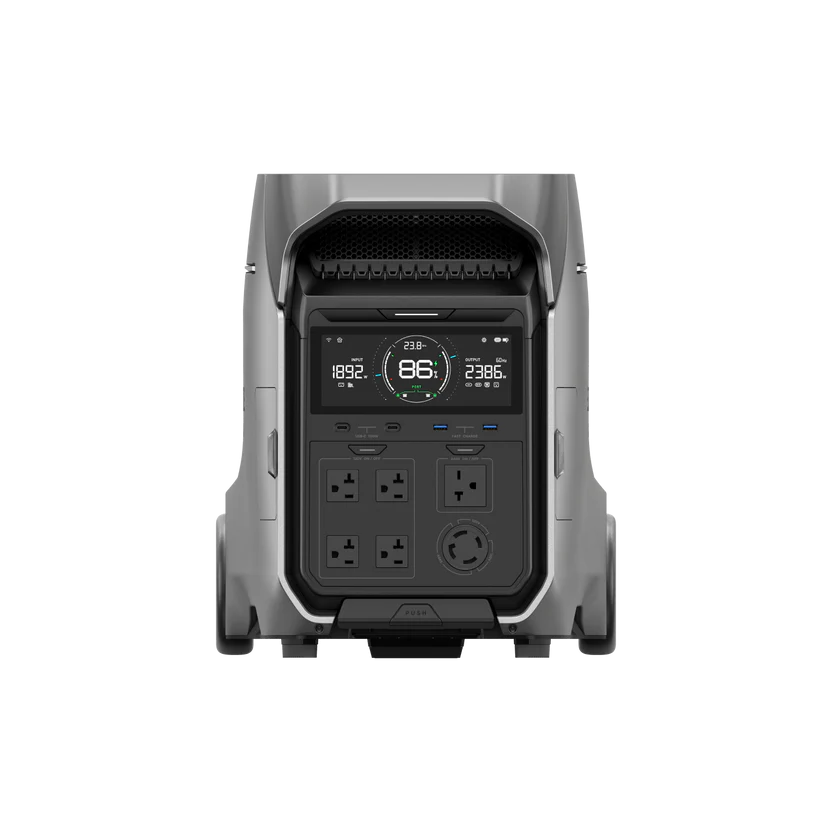
Power outages can happen, too. So, it’s important to have backup, such as the EcoFlow DELTA Pro 3, which is robust, easy to use, and offers a maximum output of 4000W—plenty to keep your essentials up and running.
Also, March storms often bring high winds, heavy sleet, and even late-season snow, which can damage trees, power lines, and roofs.
Essential Home Maintenance to Do Before Spring Storms Hit
March storms can be unpredictable. Taking a few proactive steps now can protect your home from costly damage and make the seasonal transition much easier. Here is a seasonal home maintenance checklist to follow.
Inspect and clean gutters and downspouts. Start by removing leaves, sticks, and debris from your gutters to ensure water can flow freely. Check that downspouts direct water several feet away from your foundation to prevent flooding.
Check the roof and flashing. Examine your roof for missing or damaged shingles, cracked tiles, or worn flashing around chimneys, vents, and skylights. Addressing these issues now reduces the risk of leaks during heavy rain or snow.
Seal windows and doors. Inspect all windows and doors for gaps or deteriorating weatherstripping. Apply fresh caulk where needed to keep drafts and moisture out.
Protect outdoor spaces. Secure patio furniture, grills, and garden tools that could be moved or damaged by strong winds. Trim overhanging tree branches to prevent them from breaking and damaging your roof, siding, or vehicles.
Inspect plumbing. Check exposed outdoor faucets, irrigation lines, and sprinkler systems for cracks or leaks. Inside your home, make sure pipes in unheated areas are insulated to prevent freezing and potential burst pipes.
Test sump pump and drainage systems. Ensure your sump pump is functioning properly, and confirm that drainage systems are clear and capable of handling heavy rainfall.
How to Prepare for Power Outages During Late Winter and Early Spring
Storms in late winter and early spring can cause sudden power outages. Prepare by keeping flashlights, batteries, and a 72-hour supply of food, water, and medications on hand. Charge devices and have power banks ready, and consider safe alternative heat sources like a fireplace or space heater.
Unplug sensitive electronics to prevent surges, and ensure any generators are working and properly ventilated. Ensure you’ve prepared a winter storm power outage survival plan to keep your home safe and comfortable during unexpected outages.
Water Systems to Check as Temperatures Begin to Rise
As winter ends and temperatures rise, it’s important to check your home’s water systems. Inspect indoor pipes for leaks or cracks and ensure insulation is intact. Check outdoor faucets, sprinkler systems, and irrigation lines for damage from freezing. Finally, clear gutters and drains, and test your sump pump to prevent flooding during spring rains.
These simple steps help protect your home from water damage as the seasons change. This is an important part of preparation for severe winter weather and radical temperature changes.
Outdoor Areas That Need Storm Prep in Early Spring
Early spring storms can damage outdoor spaces if they’re not prepared. Trim overhanging trees and remove dead branches to protect your home. Secure patio furniture, grills, and garden tools to prevent them from blowing away.
Check walkways, driveways, and decks for hazards, and ensure fences, gates, and sheds are stable and secure. These simple steps help keep your property safe during unpredictable spring weather.
Building a More Resilient Home for Seasonal Weather Shifts
Creating a resilient home helps protect against late-winter and early-spring storms. Keep your roof, gutters, windows, and doors well-maintained, and ensure insulation and sealing are in good condition.
Consider installing a whole-home backup generator to maintain power during outages. Review your emergency plans and know what to do before a winter storm to secure outdoor areas, check plumbing, and stock essential supplies.
How EcoFlow Supports Home Energy Resilience During Storm Season
EcoFlow helps homeowners stay powered during late winter and early spring storms with reliable backup solutions. You can even get a whole-home generator from EcoFlow to keep your entire house running during outages, supporting appliances, lighting, and essential systems.
Frequently Asked Questions
Why Does March Always Have Bad Weather?
March is a transitional month, where winter clashes with spring. Cold air, warm fronts, and melting snow create unpredictable storms, icy patches, and gusty winds. The mix of lingering winter and early spring conditions makes the weather feel especially volatile.
Which Season Has the Most Unpredictable Weather?
Spring is generally the most unpredictable season. As winter fades and warmer air moves in, temperature swings, sudden storms, and rapid thaw-and-freeze cycles make the weather highly variable from day to day.
What State in America Has the Most Unpredictable Weather?
Kansas is known for the most unpredictable weather, with rapid temperature swings, sudden storms, and frequent tornadoes. Other states in Tornado Alley, like Oklahoma and Nebraska, also experience highly variable conditions.
Powering Through Storms with EcoFlow DELTA Pro Ultra
Late winter and early spring storms can bring unpredictable weather, power outages, and water or structural risks for your home. By preparing your home, you can reduce damage and stay safe.
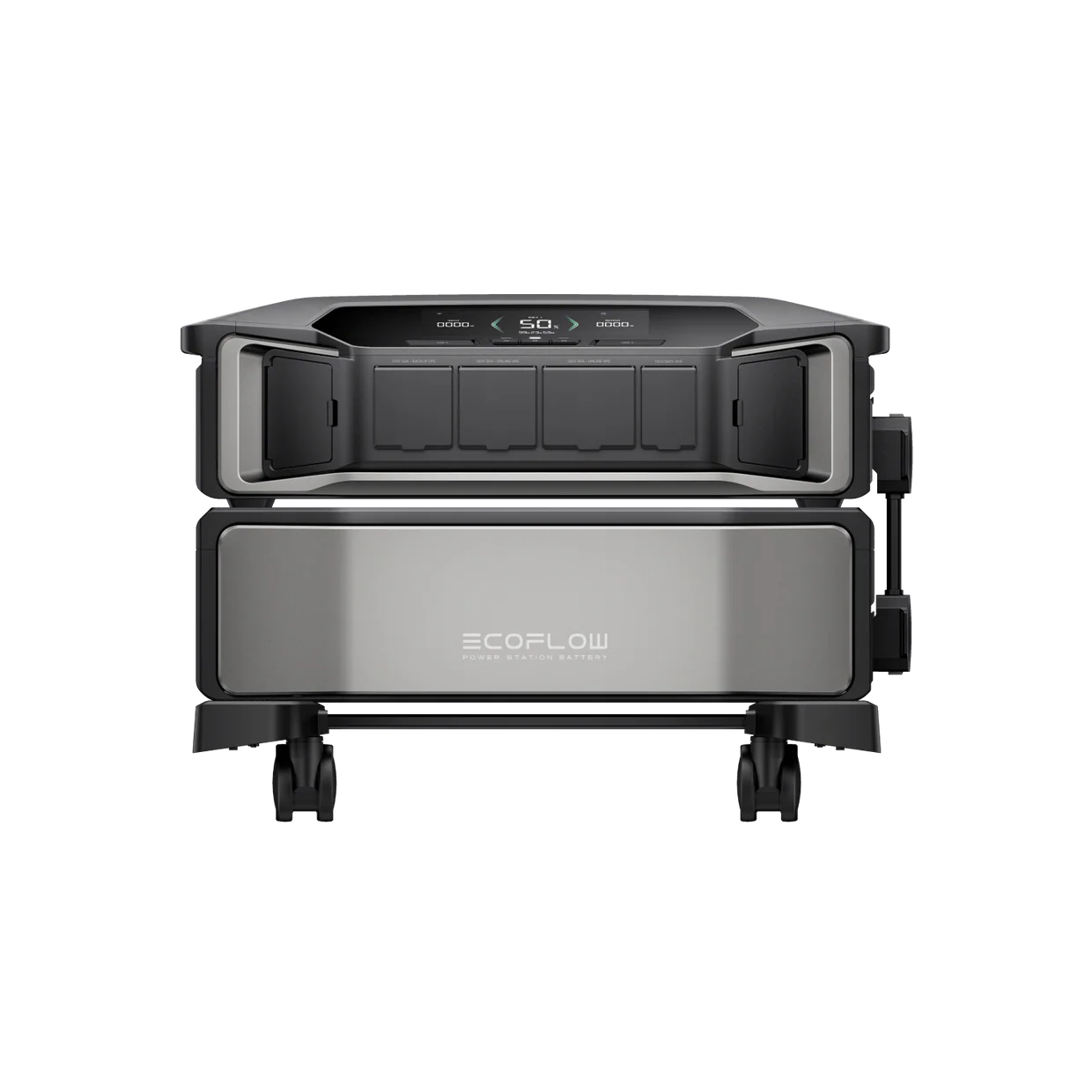
EcoFlow makes this easier with the EcoFlow DELTA Pro 3 and the full EcoFlow DELTA Pro Series. With these solutions, you can power essential appliances, maintain comfort, and keep your home resilient no matter the storm. Take action today and secure your home’s energy reliability.
For press requests or interview opportunities, reach out to our media team
media.na@ecoflow.com