Stop Fearing Texas Blackouts: Take Power Into Your Own Hands
Texas weather is unpredictable, and so is the power grid. If you live in Texas, you know the drill: the temperature spikes or drops, ERCOT issues an alert, and suddenly you’re wondering if your lights will stay on. The 2021 freeze highlighted the fragility of the Texas grid.
Unfortunately, the grid is under more strain than ever, and extreme weather isn’t slowing down, either. Don’t wait for the next blackout: now’s the time to take control. Learn why the Texas grid is struggling and why a backup solar system can make all the difference.
Why Is the Texas Power Grid So Unreliable?
Texans became very aware of the grid’s failings during Winter Storm Uri. While some cities have attempted to improve the grid’s resilience in the years since, the situation remains uncertain.
The Texas electrical grid works differently from other states. When extreme weather hits, several factors combine to make the perfect storm of blackouts and sky-high energy bills:
Isolated grid: Texas doesn’t connect to the US transmission system. This setup frees Texas from federal control in some ways, but it also means the state has no way to borrow electricity from other states when demand spikes.
Supply versus infrastructure issues: The Texas population is booming, and with that comes increased demand for electricity. Unfortunately, the grid’s power plants and substations are aging, and the state lacks the resources to repair them, let alone install new ones. Skyrocketing demand and aging infrastructure put enormous stress on the grid.
Fuel supply: Texas relies on natural gas to generate electricity. Unfortunately, natural gas freezes during storms, taking swaths of the state offline for days.
Extreme weather: Summer heatwaves, hurricanes, and freezing winters are becoming increasingly common. Although the state tried to make its grid more resilient, it’s nearly impossible to plan for repeated extreme events.
How a Solar and Battery System Puts You in Control
Texans can’t rely on the grid alone, especially during extreme weather. Adding a solar and battery system to your home or emergency kit can make all the difference when the grid goes dark. With the right setup, you don’t have to worry about storms or other common causes of outages; you’re in charge of your own energy.
With a solar and battery setup, you collect and store energy while the sun shines. You can then draw from the battery whenever you need power. That means your home runs on your terms and you’re no longer vulnerable to external power disruptions.
There are a lot of ways to embrace solar at home, too. When shopping for a solar system, consider the differences between on-grid and off-grid solar. On-grid systems stay connected to your utility and supplement it with solar when there’s an energy surplus, which is a great way to reduce your energy bill. Off-grid systems, on the other hand, store energy locally in a battery. With this setup, you have complete energy independence from the grid.
Can It Handle Texas Weather? What to Look For
Not all solar systems are robust enough to handle brutal Texas weather. Make sure your system ticks these boxes so it performs reliably, even when under stress:
Temperature resilience: Texas summers regularly push temperatures well into the triple digits, while winter storms (though rare) can hammer the grid. A quality solar setup should be rated to operate safely across a wide temperature range.
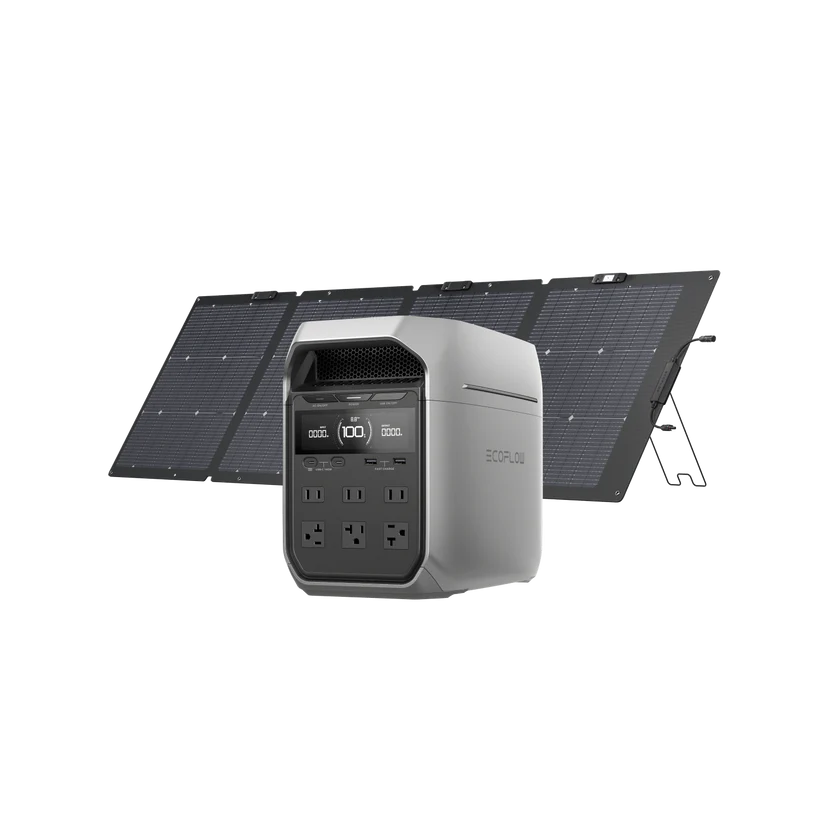
Scalability: You need a system that can handle surges or expand storage capacity over time. The EcoFlow DELTA 3 Plus Solar Generator (PV220W) is a great example of a system that can scale with your needs.
Weather-resistant components: Given how outages can stem from equipment failure, old infrastructure, or weather damage, investing in a modern, rugged system reduces risks. Quality solar panels, a properly rated inverter or battery, and weather-sealed enclosures are must-haves.
Is It Affordable? A Look at Incentives and ROI
Thanks to generous incentives and rising electricity prices, the cost of going solar is often far lower than you might expect. While mobile solar generators are always a great option, a whole-home backup solution comes with tax credits that reduce upfront costs, pay for themselves over time, and allow you to comfortably shelter in place.
The Residential Clean Energy Credit is a federal incentive that covers 30% of the system’s total cost. If your solar installation costs $20,000, the credit could reduce your actual cost to about $14,000. Texas also offers property tax exemptions for installing solar panels on your home. That means you won’t pay more in taxes for adding panels to your roof. Your local utility program might also offer rebates to sweeten the deal.
Solar installations cost around $20,000 before incentives and pay for themselves within seven to 12 years. Over a 25-year lifespan, you can expect to see an ROI of up to 20%.
What About Expansion and Smart Energy Use?
One of the biggest benefits of a solar battery system is its flexibility. If you need more energy, the right system will expand with you. And, with a scalable setup, you don’t need to get everything perfect on day one; you might start with a modest battery pack and a solar panel array, then expand it over time.
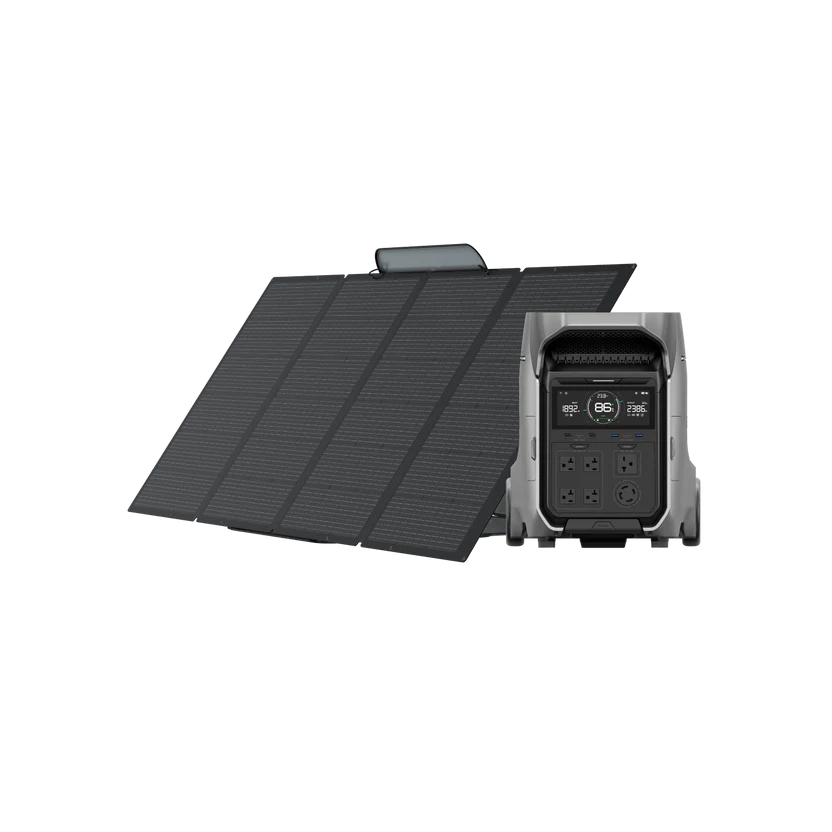
Solar and battery installations also help you use energy better. For example, the EcoFlow app helps you monitor energy generation and usage in real-time. You can even prioritize critical loads (such as HVAC, refrigerator, and lighting) in case of limited storage or unpredictable solar input. Connect it to a robust option like the EcoFlow DELTA Pro 3 Solar Generator (PV400W) to keep your home running, no matter what Texas weather throws at you.
Frequently Asked Questions
Do I Need Solar Panels to Use a Battery System?
No. You can set up a home battery system that charges from the grid, rather than from solar energy. That means you can only use it as a backup during power outages. Still, adding solar panels can make your home battery system more flexible, especially if you’re in an area with frequent storms.
Can I Start With a Small Solar Setup and Expand Later?
Absolutely. Opt for modular systems that can grow with your needs. Start small with a solar generator that runs major appliances, such as your refrigerator or Wi-Fi. As your budget or needs change, you can add more solar panels or increase storage capacity without a brand-new setup.
Home Backup Power Reduces Dependence on the Texas Grid
Texas weather isn’t getting any gentler, and the grid isn’t getting any more predictable. Fortunately, homeowners have more control than ever before. Add a solar and battery system to your home to enjoy reliable power while reducing your dependence on the grid.
Take the first step toward energy independence with a portable solar generator. With this setup, you can expand as needed while making the most of your budget. Check out the EcoFlow DELTA Pro 3 Solar Generator (PV400W) to generate and store your own clean energy.
For press requests or interview opportunities, reach out to our media team
media.na@ecoflow.com