LifePO4 BMS: The Expert Guide
Investing in a LifePO4 battery management system (BMS) is a great way to ensure a safe, efficient, and long-lasting operation of your lithium iron phosphate batteries. While LifePO4 chemistry is inherently stable, the BMS acts as the brain supervising proper charging, discharging, monitoring and protection. Learning the fundamentals of LifePO4 BMS technology and functionality will help you get the most from your batteries. This guide covers everything a beginner needs to confidently install, use and care for a LifePO4 BMS.
Introduction to LifePO4 Battery Management Systems
A BMS is essential for lithium batteries to prevent abuse conditions, balance cells, and prolong service life. LifePO4 BMS units are tailored specifically for the unique attributes of lithium iron phosphate chemistry.
What is a LifePO4 BMS?
A LifePO4 battery management system is a specialized electronic device that manages lithium iron phosphate battery packs. It monitors individual cell voltages, temperatures, and the overall pack status. The BMS protects the batteries by preventing overcharge, over-discharge and short circuits. It also balances the cells and controls charging and discharging.
Key Components and Functionality
The main components of a LifePO4 BMS include cell monitoring boards, a master control board, contractors or MOSFETs for charge/discharge control, and a current shunt for measuring power flow. It connects to the charger and inverter/load. Advanced systems add Bluetooth or WiFi connectivity for monitoring.
The BMS monitors cell conditions and triggers protection when any cells are outside safe ranges for voltage, current, or temperature. It balances cells by managing charge and discharges through passive or active methods. Higher-end BMS units also offer state-of-charge calculations, programming options, and data logs.
Benefits Over Other Lithium BMS
LifePO4 BMS units are designed specifically for the lower nominal voltage, flat discharge curve and thermal stability of lithium iron phosphate cells. This allows simpler charge/discharge management and avoids issues like lithium plating.
LifePO4 BMS can use passive balancing since the cells stay balanced naturally. They don’t need to actively heat or cool the batteries. The components also don’t need to be rated for the higher voltages of cobalt lithium batteries. Overall, they are simpler, more affordable and longer-lasting.
Understanding LifePO4 BMS Configurations
LifePO4 BMS units come in various configurations suited to different battery bank sizes, voltages and capacities.
Cell Arrangements
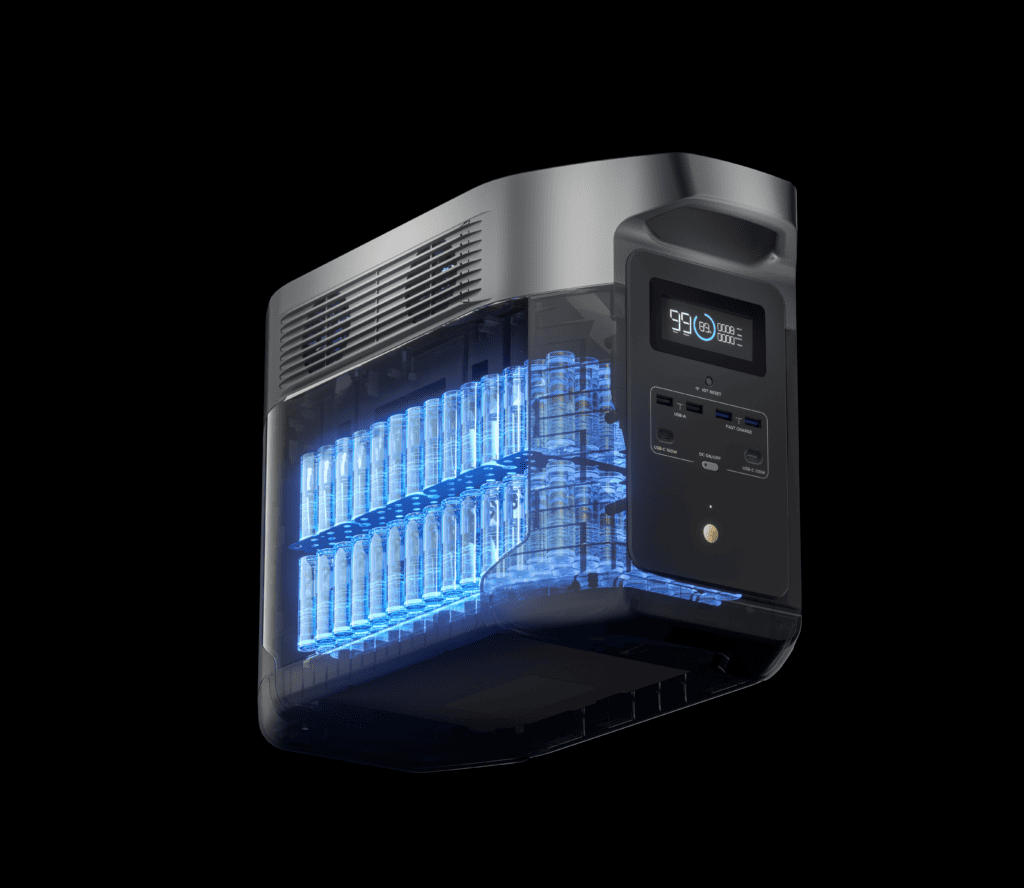
LifePO4 cells are combined in series strings to achieve the desired system voltage. Parallel strings can be added to increase capacity. Common arrangements are 12V, 24V and 48V banks. The BMS must have enough monitoring channels for the number of cells.
Voltage and Capacity Options
LifePO4 BMS units support peak charge voltages around 14.4-14.6V for 12V batteries, 28.8-29.2V for 24V, and so on. Maximum capacities range from 50-200Ah for smaller units suitable for RV, marine, and solar uses, up to 5000Ah for large storage banks.
Wiring and Connections
The BMS interconnects the entire battery bank, with a master unit connecting cell boards in series and parallel arrays as needed. CAN bus or RS485 communication protocols link the boards. High gauge wire handles heavy discharge currents. Installation requires careful planning and tidy wiring.
Installing and Setting Up a LifePO4 BMS
You’ll want to install and set up your LifePO4 BMS properly so it can monitor and protect your battery bank over its lifetime.
Location and Environment
Mount the BMS in a clean, dry area away from vibration, heat and moisture. Make sure it has decent ventilation and access. Never install it right inside the battery box. And be sure to follow the recommended safety stuff when dealing with lithium batteries. I mean, those things can be dangerous if you don’t handle them carefully. But if you set it up properly in the first place, your BMS can watch over your batteries and keep them safe for a long time. Just find it a good spot and get it connected right. You know, take your time and do it by the book. That way your BMS and batteries will work together nicely for years to come.
Connecting Cells and Wiring
Hook up the cell tap wires based on the diagrams from the manufacturer. Keep the wiring tidy and secure. Separate the high current power cables from the communication wires. Pay attention to polarity, tighten the connections and check the insulation. Messed up wiring can damage the BMS, so take your time with it.
Programming and Configuration
Use the software or app from the manufacturer to set the protection thresholds, charge and discharge limits, cell balances and other settings. Save the default settings before you start tweaking things. Monitor that it’s working right before deploying it.
Integration with Other Systems
If you need to, connect the BMS status outputs to other stuff like solar controllers, inverters, and monitoring systems. This lets them react to BMS warnings and faults. Carefully follow all the specs for this. I mean, you don’t want to overload or damage anything by hooking it up wrong. But integrating the systems the right way lets them work together nicely.
Key LifePO4 BMS Safety Features
LifePO4 BMS units use different methods to actively protect the batteries from damage and make them last longer.

Overcharge Protection
If any cell goes above the safe charge voltage limit, around 3.65V, the BMS will stop charging to avoid plating lithium on the anode. That can permanently mess up the cells.
Over-discharge Protection
When a cell drops down to the low voltage cutoff, around 2.5V, the BMS disconnects the load so the cell doesn’t get drained too much. Deep discharging can cause internal shorts.
Short Circuit Protection
If the current gets too high, the BMS will quickly open the contractors to prevent catastrophic battery damage. The current limits help avoid thermal runaway, which is no good.
Cell Balancing and Temperature Monitoring
Passive or active cell balancing maximizes the capacity and life by keeping the cells in the same state of charge. The temperature sensors help avoid overheating and thermal runaway.
Getting the Most from Your LifePO4 BMS
Optimizing how you use and maintain the BMS will maximize the battery’s performance and longevity. I mean, keeping that BMS in good shape is crucial for the batteries. Take care of it, and it’ll take care of your batteries.
Maximizing Efficiency and Battery Life
Be sure to operate within the ratings. Monitor the data logs and alerts to catch any problem cells. Keep the BMS firmware updated when new versions come out. How long it lasts depends on using it right.
Responding to Alerts and Faults
Don’t ignore warning alerts or fault codes. Figure out what’s causing it based on the manual before resetting anything. If you get frequent alerts, that means there’s an issue that needs fixing to prevent permanent damage.
Regular Maintenance and Inspections
Periodically check the wiring connections, clear off any dust buildup around the cooling fans or vents, and make sure the BMS is mounted securely. Verify the contacts close cleanly. Keep logs of any issues and maintenance.
When to Upgrade Your LifePO4 BMS
If you’re expanding your battery bank, install a suitable higher capacity BMS. Watch for any cell boards getting near the end of their usable life based on accumulated faults. Be proactive and replace aging parts before they fail.
Conclusion and Next Steps with LifePO4 BMS
Installing and managing a LifePO4 BMS properly lets you get the most life and performance from your lithium batteries. Since it’s the brain supervising the battery, keeping the BMS in tip-top shape is crucial. Using the tips in this article, you can install and use your LifePO4 BMS confidently. Just remember to follow the recommended safety stuff when dealing with lithium batteries. With an optimized BMS, your LifePO4 batteries will give you many years of reliable energy storage and power.
For press requests or interview opportunities, reach out to our media team
media.na@ecoflow.com