Lemonade Stand Ideas: A Fun Summer Setup Guide for Kids and Families
Summer offers the perfect opportunity for children to run their own lemonade stand. It naturally introduces money handling, customer interaction, and basic business thinking while providing refreshing drinks to thirsty neighbors. With the right approach, your kids can turn a simple table and pitcher into a thriving summer business.
Getting Your Kids Lemonade Stand Ready
Before opening day arrives, gather the right materials. A successful stand starts with proper preparation.
The basic setup requires a sturdy table, chairs, a large cooler or pitcher, cups, ice, and a cash box. Add a colorful tablecloth to make the stand more inviting. Bring extra pitchers so you can refill quickly during busy periods. A small umbrella or canopy provides shade and keeps drinks cool longer.
Essential Setup Items:
Display: Table, tablecloth, chairs, optional canopy
Serving: Pitcher, cups, ice, ladle, insulated cooler
Signage: Poster board, markers, chalkboard
Money: Cash box, calculator, change
Comfort: Sunscreen, water bottles
Don't forget cleaning supplies. Wet wipes and trash bags keep the area tidy and professional. A small first-aid kit handles minor accidents.
Creating an Eye-Catching Display
How your stand looks often decides whether people stop or keep walking. Location matters as much as appearance. Choose a spot with high foot traffic. The end of your driveway works well if you live on a busy street. Parks, community events, and yard sales offer excellent opportunities. Make sure you have permission and check local regulations about selling on public property.
Transform a basic table into something special. Bright colors catch attention from a distance. Use balloons, streamers, or bunting to create a festive atmosphere. Paint or decorate a large sign with your stand name and prices. Add personality with themed decorations. Let kids express their creativity while keeping the display organized and uncluttered.
Modern Setup Extras
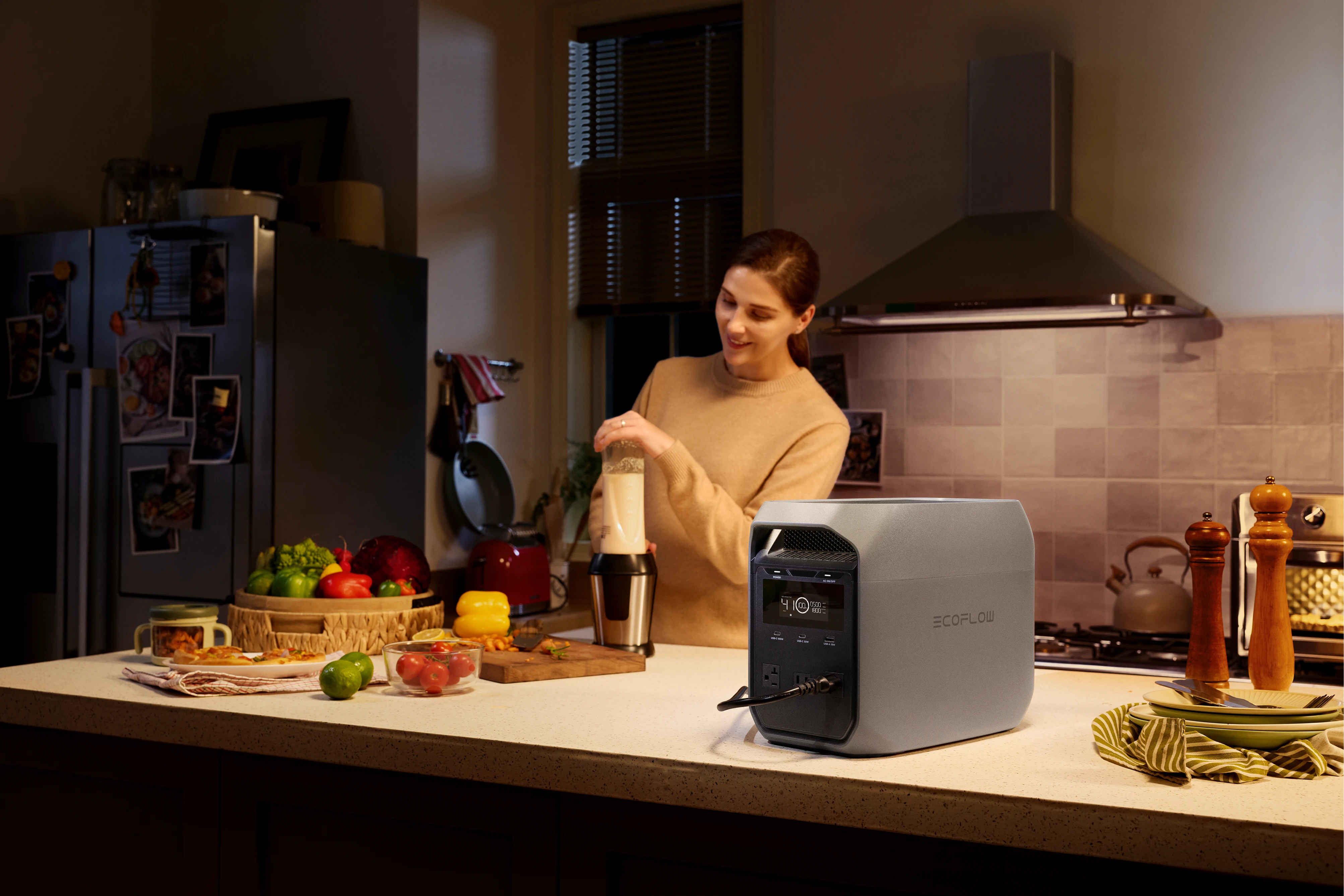
If you choose to add modern touches like a small portable fan for comfort, a Bluetooth speaker for background music, LED string lights for evening visibility, or a phone for digital payments, a portable power station can make outdoor setups more flexible. A portable power source like EcoFlow Delta 3 Classic can support these small electronics when no outlet is available.
Smart Lemonade Stand Setup and Pricing
Setting the right price balances affordability with profit. Most neighborhood stands charge between 50 cents and two dollars per cup.
Consider your costs first. Calculate how much lemons, sugar, cups, and ice cost per serving. Add a reasonable markup that feels fair to customers. In hot weather or at special events, you can charge slightly more. Offer different sizes at different price points.
Sample Cost Breakdown (per pitcher serving 8 cups):
Lemons: $2.00
Sugar: $0.50
Cups and ice: $1.50
Total cost: $4.00
Cost per cup: $0.50
Suggested selling price: $1.00-$1.50 per cup
Variety increases sales. Offer both regular and sugar-free options. Add flavored versions using strawberries, raspberries, or mint. Snacks complement drinks perfectly. Cookies, brownies, or popcorn give customers more reasons to stop. Keep items individually wrapped for hygiene.
A simple menu board with clear prices and options makes decisions easier for customers. Use pictures or drawings to make it easy to read from a distance.
Marketing Your Stand to Neighbors
Even the best lemonade needs customers. Start with homemade signs placed at nearby intersections. Use large letters and arrows pointing toward your stand. Include your location and hours.
Ask parents to share on neighborhood social media groups. Post photos of your setup and mention your hours. Create a simple flyer to distribute to neighbors a day before opening. Encourage repeat customers with a loyalty program. Offer every fifth cup free or give stamps on a punch card.
Host themed days to generate excitement. "Tropical Tuesday" features pineapple lemonade. "Flashback Friday" uses vintage decorations and classic recipes. Announce themes in advance so customers know when to visit.
Practical Skills Kids Learn
Running a stand offers valuable lessons beyond making money. Children develop real-world skills they'll use throughout life.
Money math becomes practical and engaging. Kids count change, calculate profits, and track expenses. They learn that revenue differs from profit after subtracting costs. Customer service skills develop naturally. Children practice greeting people, making eye contact, and saying thank you.
Managing a stand teaches time management. Kids must arrive on schedule, maintain supplies, and clean up afterward. Problems arise that require creative solutions. What happens when ice melts too quickly? How do you handle a customer who doesn't have exact change? These challenges build confidence and adaptability.
Daily Operations Checklist:
30 min before: Set up table, decorations, signage
15 min before: Prepare first batch of lemonade, fill ice
Opening: Count starting cash, check pricing display
Every hour: Check ice levels, refill lemonade
Closing: Count money, calculate profit, clean up
Safety and Responsibility
Responsible operation keeps everyone safe and avoids problems with authorities. Adult supervision remains essential, especially for younger children. Stay nearby to monitor interactions and help with difficult situations. Never leave kids alone at a stand near a busy road.
Food safety matters even for simple beverages. Wash hands frequently and use hand sanitizer between customers. Keep lemonade cold to prevent bacterial growth. Cover pitchers when not pouring to keep out insects. Use disposable cups rather than washing and reusing. Store ingredients in clean, covered containers. Throw away any lemonade that's been sitting out for more than two hours in hot weather.
Most communities allow children's lemonade stands without permits, but rules vary. Check with your local health department or city hall. Respect neighbors by keeping noise levels reasonable and cleaning up completely when finished. Avoid blocking driveways or sidewalks. Good relationships with the community lead to more customers and fewer complaints.
Managing Money and Tracking Earnings
Smart financial management turns a fun activity into a genuine learning experience. Create a simple ledger recording all expenses before opening. During operation, note every sale. At the end of each day, count total revenue and subtract expenses to find profit.
Sample Daily Earnings Tracker:
Regular Lemonade (small) - $1.00 × 15 sold = $15.00
Regular Lemonade (large) - $1.50 × 22 sold = $33.00
Strawberry Lemonade - $2.00 × 8 sold = $16.00
Cookies - $0.50 × 12 sold = $6.00
Total Revenue: $70.00
Total Costs: $25.00
Net Profit: $45.00
Divide earnings fairly if multiple children work together. Discuss whether to reinvest profits in better supplies or save the money. Set goals that motivate continued effort. Concrete objectives make the work more meaningful.
Not every day brings crowds. Use quiet times productively by improving signs, testing new recipes, or planning promotions. Consider adjusting hours based on traffic patterns. Early afternoon might be slower than late afternoon when people return from work. Weekend mornings attract walkers and joggers.
Start Your Summer Business Today
A lemonade stand creates memories while teaching valuable skills. With proper planning, creative marketing, and quality products, your kids can run a successful summer business. The lessons learned extend far beyond making money. Start gathering supplies, choose your location, and let your children experience the rewards of entrepreneurship.
Frequently Asked Questions
Q1: Do Kids Need a Permit to Run a Lemonade Stand in Most Neighborhoods?
Usually no, most communities exempt children's temporary lemonade stands from permit requirements. However, regulations vary by city and county, so check with your local government office before setting up.
Q2: What Is the Best Time of Day to Operate a Lemonade Stand for Maximum Sales?
Typically late afternoon between 3 PM and 6 PM works best. People return home from work, kids finish activities, and the heat peaks, making cold drinks most appealing. Weekends see good traffic during mid-morning when families take walks.
Q3: How Much Money Can Kids Realistically Earn From a Lemonade Stand in One Day?
Earnings vary widely. A small neighborhood stand may make a few dozen dollars, while a busy, well-located stand can earn more than $100 in profit. Actual results depend on pricing, traffic, sales volume, and setup expenses.
Q4: Should Parents Help Kids Make Lemonade or Let Them Do Everything Independently?
It depends on the child's age and kitchen skills. Children under 10 need supervision with cutting lemons and handling hot water. Older kids can manage preparation independently while parents oversee safety and hygiene.
Q5: What Temperature Is Too Hot or Too Cold to Run an Outdoor Lemonade Stand?
Temperatures above 95°F become unsafe for kids to sit outside for extended periods, even with shade and water. Below 70°F, demand for cold drinks drops significantly. The ideal range sits between 75°F and 90°F.
For press requests or interview opportunities, reach out to our media team
media.na@ecoflow.com