Is a Home Battery Backup Worth It? Breaking Down the Savings for 2026
- What Is a Home Battery Backup System?
- How Much Can a Home Battery Backup Save in 2026?
- What Factors Affect Home Battery Savings?
- How Do Home Batteries Reduce Electricity Costs?
- How Do Backup Batteries Compare to Gas Generators?
- Are Home Battery Systems Worth It for Power Outages?
- Frequently Asked Questions
- Home Battery Backup Systems Can Lower Costs and Improve Energy Security
As home battery backup systems can cost several thousands of dollars, you’re probably wondering whether the returns justify the investment.
When it really comes down to it, how much you can save depends on factors including your location and energy habits. However, as we’ll examine with evidence in this guide, most households in the USA could slash their utility bills with a solar-battery system.
While we’re at it, we’ll share the latest figures that demonstrate precisely how much you stand to save with a home backup battery. We’ll also see how batteries compare to alternatives like gas generators when it comes to energy savings and emergencies.
What Is a Home Battery Backup System?
A home battery backup system stores electricity that you can use to power your home or essential appliances in the event of a power outage or during peak pricing times.
Some backup batteries simply plug into a grid-connected power outlet or generator to charge. These systems hold a certain amount of charge for potential power failures, and they can supplement your energy needs when demand and prices are at their highest to help reduce your energy bills.
Many backup battery systems also integrate with solar panels to capture and store energy. Solar-battery systems can reduce your energy bills significantly, as we’ll explain below.
How Much Can a Home Battery Backup Save in 2026?
According to a recent Stanford University study, typical US households can slash their utility bills by 15% by investing in a basic solar-battery backup power system.
However, with a more robust backup power solution, you can slash your bills by as much as 50%, as we discuss in our battery systems cost benefits guide.
The average monthly electricity bill in the United States is around $163, though that figure varies wildly by state. For example, Utah’s average bill is just under $100, while Hawaii’s is over $203. If you live in a region impacted by particularly high energy costs or run a large and energy-intensive home, a battery-solar backup power system could easily translate to hundreds of dollars in savings per month.
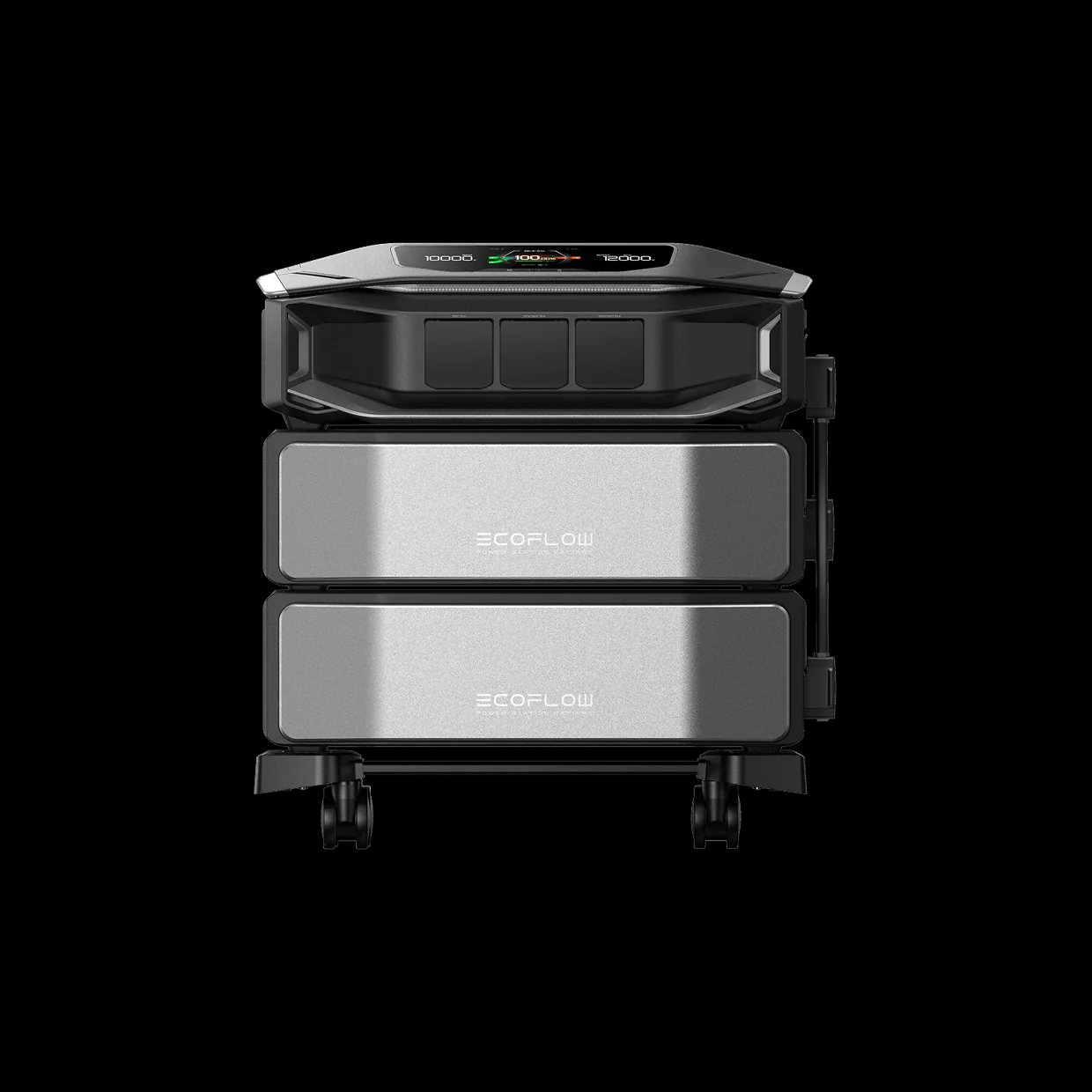
The best battery storage systems come with high-efficiency solar panels and integrated Smart technology that optimizes energy usage. For example, the EcoFlow DELTA Pro Ultra X is a next-gen, whole-home backup generator system that’s designed to help you achieve energy independence.
With expandable battery storage up to 180kWh, this system can power your home for several weeks. Chargeable by solar panels, generator, and grid-connected power outlets in as little as an hour, the EcoFlow DELTA Pro Ultra X features EcoFlow Smart Home Panel 3 integration that intelligently optimizes energy management for up to 32 circuits.
What Factors Affect Home Battery Savings?
Round-trip efficiency: Batteries are not 100% efficient, meaning they don’t return as much electricity as they take to charge. However, modern lithium iron phosphate batteries are up to 92% efficient.
Climate and temperature: Batteries typically operate in an ideal temperature range of around 68–77°F (20–25°C). Hotter temperatures can accelerate the rate of degradation. You need to consider storage, positioning, and type when choosing a battery.
Economic factors: How much money you can save depends on factors that include the cost of electricity and your usage habits. If you live in a region with fluctuating energy rates based on demand, you can slash your bills significantly with a solar-battery system.
System quality: As mentioned, lithium iron phosphate batteries can be highly efficient, but you also need to take build quality and design into consideration as all batteries lose efficiency with time and use.
How Do Home Batteries Reduce Electricity Costs?
Home backup batteries without solar integration can recharge using a standard power outlet when grid demand and prices are lowest, then use that stored electricity to power your home when grid demand and prices are highest.
If your battery integrates with solar, you can capture free energy during sunlight hours for your battery to store and use during evening hours. You also won’t need to buy fuel for a generator to recharge your battery in the event of a power outage.
In some regions, energy providers will pay you to support the grid when demand surges with the energy stored in your backup batteries. Also, as more households adopt home battery systems, the energy grid faces fewer demand surges, which can reduce overall monthly bills.
How Do Backup Batteries Compare to Gas Generators?
Backup batteries boast many advantages over gas generators. Because you can charge many batteries with solar panels, they produce energy more cleanly. This also saves you from having to pay for generator fuel.
Backup batteries also come with simpler maintenance requirements than gas generators. They’re also far less hazardous given they don’t require combustible fuel, which can be a major safety boost during emergencies.
Depending on the system, backup battery systems with solar integration can be slightly more expensive to purchase and install than gas generators, but they usually translate to higher energy bill savings.
On top of all that, backup battery systems run quietly, while gas generators can be very noisy. With a robust solar-battery system, you can power your home for several days, weeks, or even months without relying on the grid.
Are Home Battery Systems Worth It for Power Outages?
In the event of a power outage, home battery systems can be essential. They ensure you have enough stored energy to keep your household and its critical appliances running if the grid fails.
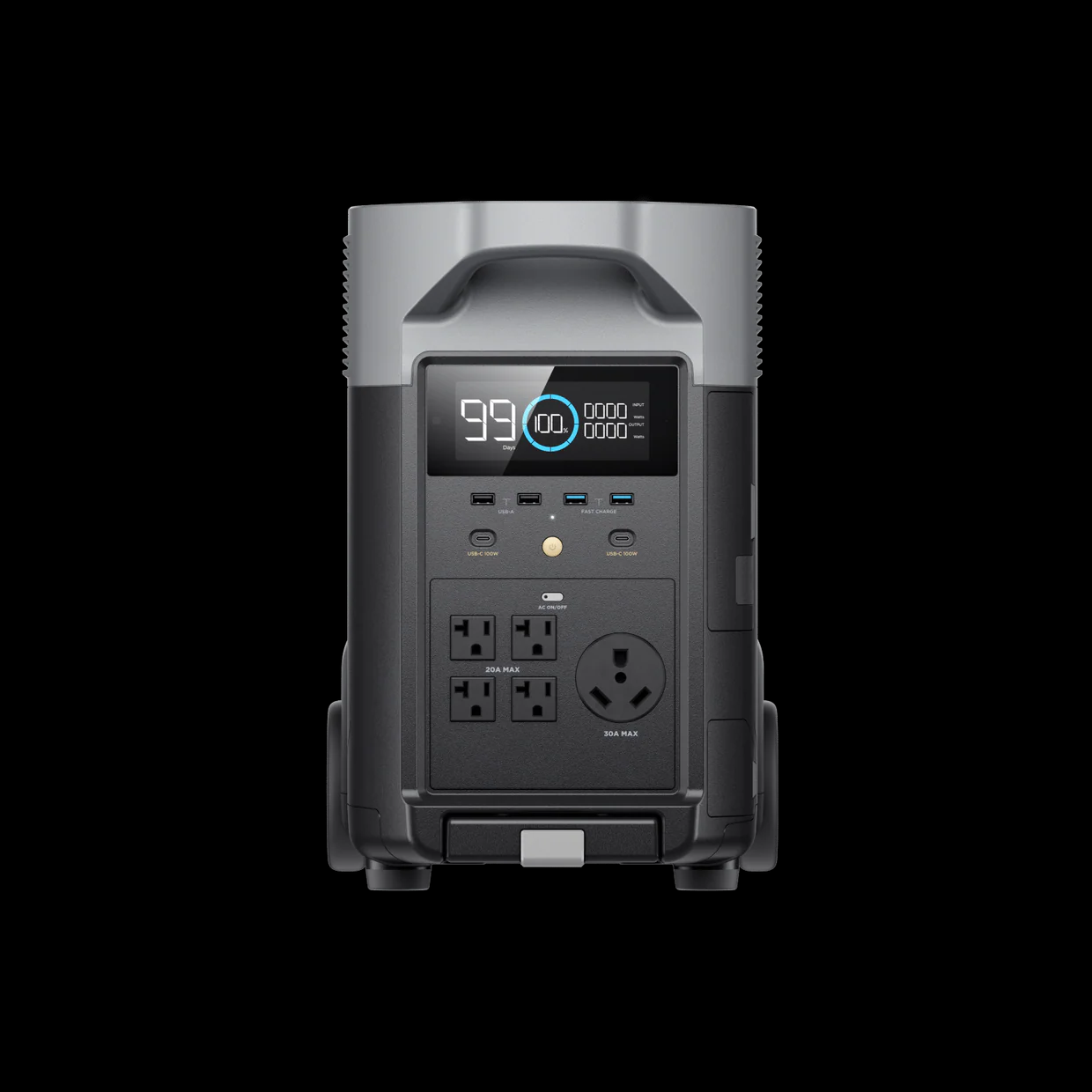
Moreover, backup power systems such as the EcoFlow DELTA Pro feature uninterruptible power supply (UPS), which means they’ll keep critical items like medical equipment and routers running in the event of a sudden outage.
Plus, as discussed above, battery systems are quieter, cleaner, and more cost-effective than alternatives such as gas generators, whether it’s for staying afloat during an extended blackout or just reducing your monthly utility bills.
Frequently Asked Questions
How Long Does a Home Battery Backup Last?
Standard home batteries typically come with a baseline runtime of 8 to 48 hours, depending on your usage and household’s size. However, systems with large or expandable batteries can store enough electricity to power your entire home and all its heavy appliances, including a central AC unit, for several weeks in many cases. Integrated solar-battery systems can help you achieve full energy independence.
Can a Home Battery Power an Entire House?
Some home backup batteries can power entire households in the event of a power outage. Smaller units are also available to just keep critical appliances running, which could include medical equipment, routers, and backup heating systems. Investing in a solar-battery system can boost the battery’s overall output and functionality,
Home Battery Backup Systems Can Lower Costs and Improve Energy Security
If you want to reduce your utility bills, carbon footprint, and reliance on the grid, investing in a home battery backup system represents a smart investment. Batteries can capture and store energy when it’s cheap to offset your reliance on the grid when demand and prices surge. Plus, solar-battery systems can help you capture free energy.
Choose a high-quality whole home generator and battery system from EcoFlow, and you’ll be one step closer to energy independence.
For press requests or interview opportunities, reach out to our media team
media.na@ecoflow.com