How Much Is 400 Watts of Energy?
If you’ve ever checked the label on an appliance or looked into solar power, you’ve probably seen 400 watts pop up more than once. It’s a number that shows up a lot because it sits right in the middle, enough power to be useful without getting overly complicated. People run into it when setting up a home backup, packing for a camping trip, or just trying to understand what their gear actually needs. In this article, we’ll break down what 400 watts really means, what it can handle day to day, and why it works just as well in a suburban home as it does out at a campsite in the Rockies.
What Does 400 Watts Mean?
To understand what 400 watts can actually do, it helps to get comfortable with a few basic power terms. You don’t need an engineering background, just a simple way to think about how electricity is used in everyday life.
What a Watt Measures
A watt tells you how fast electricity is being used at a given moment. One easy way to picture it is like water moving through a hose. The wattage is the flow rate. The higher the number, the more power is being pulled right then. A phone charger barely sips power, while something like a space heater pulls a lot more all at once.
How Many Watts Are in a Kilowatt Hour
When utilities talk about energy use, they measure it over time using kilowatt hours, or kWh. One kilowatt equals 1,000 watts. So if you run a 400-watt device for about two and a half hours, you’ve used one kilowatt-hour of electricity. That’s the same unit you see on your electric bill each month.
What 400 Watts Tells You About Power Use
When you see “400W” on a device or power source, it’s telling you the maximum amount of power it can draw or deliver at one time. For someone keeping an eye on utility costs, or planning battery or solar use, that number helps estimate how long things will run before power runs out. It’s the starting point for figuring out what’s realistic and what isn’t.
What Can You Run with 400 Watts?
Four hundred watts won’t run big-ticket items like central air or an electric stove, but it goes a lot further than most people expect. It’s enough to cover many of the things you rely on every day, especially electronics, work gear, and basic comfort items.
Small Electronics and Personal Devices
Most personal tech uses very little power, which is why 400 watts can handle multiple devices at once without any trouble.
| Device | Power (W) |
|---|---|
| Smartphone | 5–20 |
| Tablet | 30 |
| Laptop | 60-300 |
| Gaming Laptop | 150–300 |
| E-Reader | 5–10 |
Basic Home Appliances Under 400 Watts
A lot of smaller household appliances also fall comfortably below this range.
| Device | Power (W) |
|---|---|
| Slow Cooker | 200–300 |
| Hand Mixer | 150–250 |
| High-Efficiency Fan | 30–100 |
| LED Light | 10–20 |
| Small Food Processor | 100–200 |
Office and Work Essentials
For a home office or remote setup, 400 watts is usually more than enough. A desktop computer, monitor, printer, and Wi-Fi router together typically draw between 150 and 300 watts. That leaves a little extra headroom and makes it possible to keep working even if the power goes out for a few hours.
Outdoor and Emergency Devices
In emergencies, 400 watts can cover critical needs. It’s enough to run CPAP machines, electric blankets, and rechargeable lights, helping maintain comfort and safety when the grid isn’t available. For many people, that alone makes 400 watts a very practical number.
400-Watt Practical Application Scenarios
The numbers are helpful, but 400 watts makes more sense when you picture how it’s actually used. In everyday situations around the U.S., it lines up well with how people power their homes, RVs, and weekend trips.
Typical Home Usage Combinations
In a normal household, 400 watts can handle a basic setup during a short outage. It’s enough for a Wi-Fi router, an LED floor lamp, a laptop, and a small 32-inch TV, with some room left to charge phones or other small devices without stressing the system.
RV, Camping, and Off-Grid Scenarios
For RV owners, van setups, or weekend camping in national parks, 400 watts is a comfortable target. It covers vent fans, water pumps, and interior LED lights while keeping battery use in check, which makes off-grid living easier to manage.
Entry-Level Solar Panel Integration
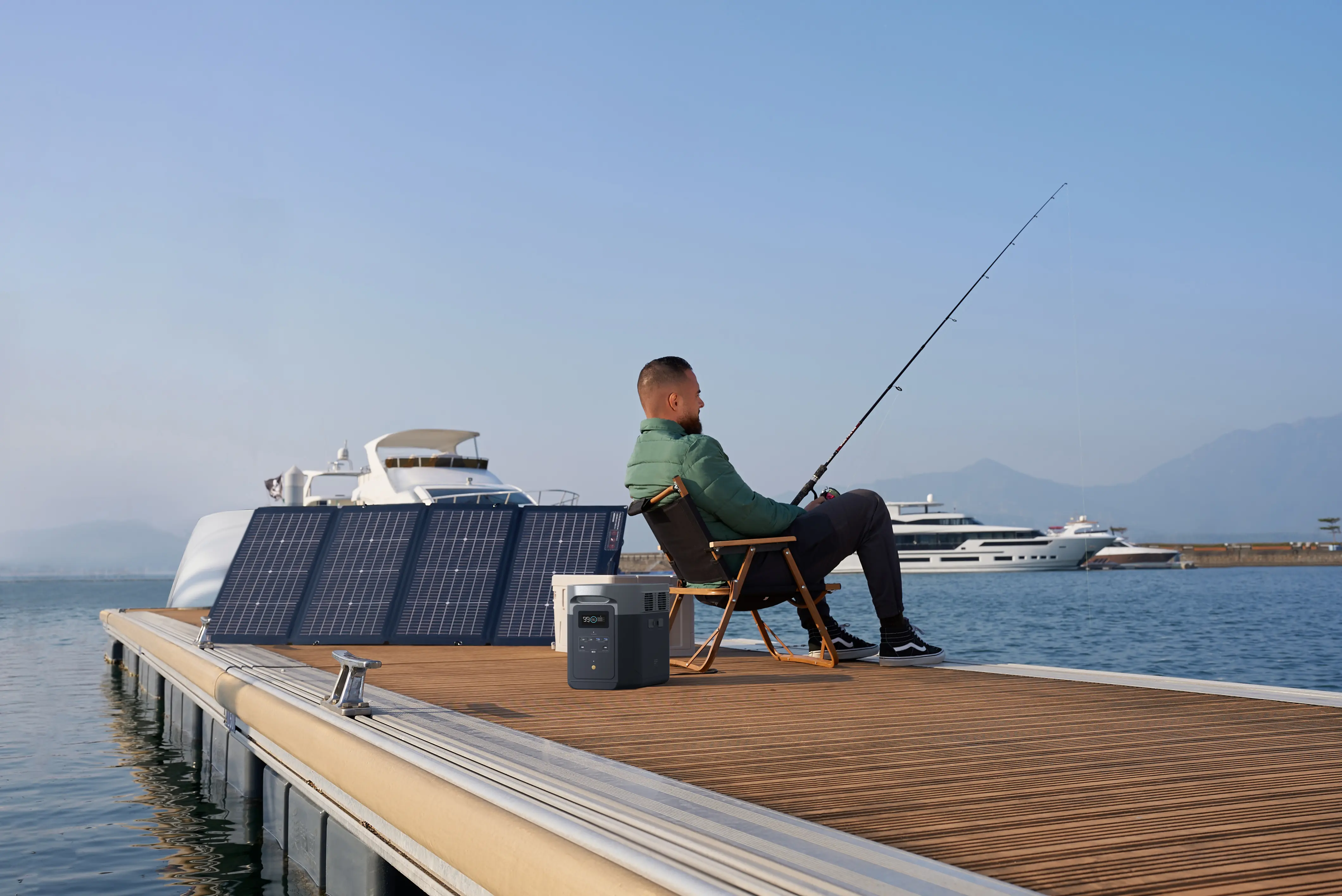
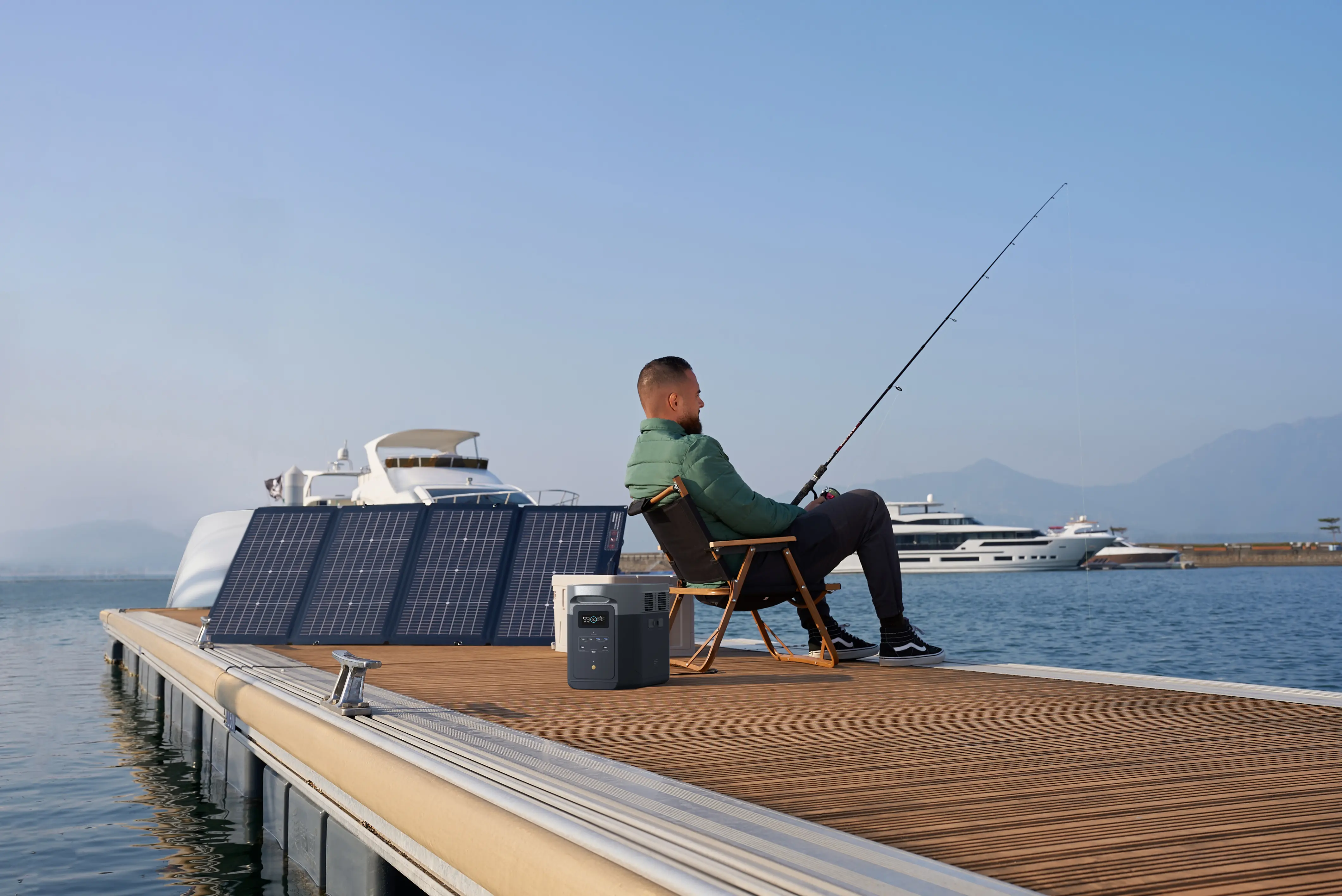
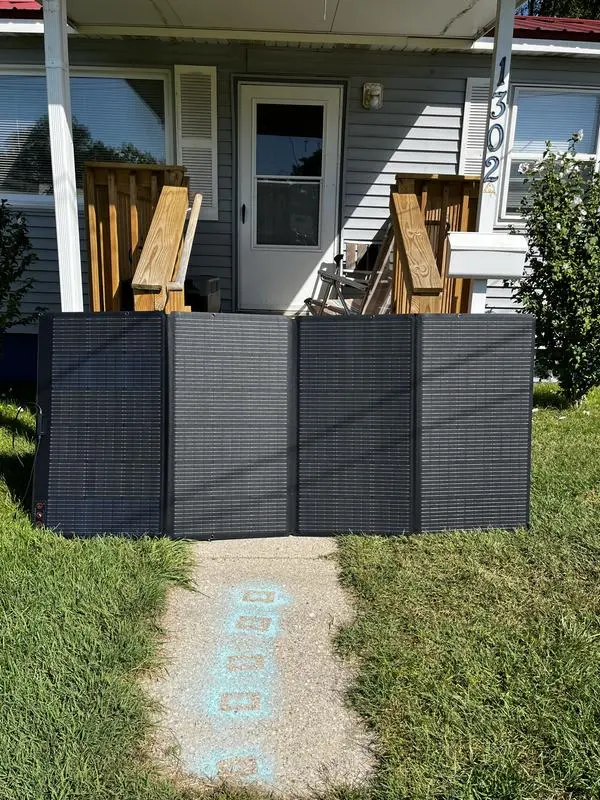
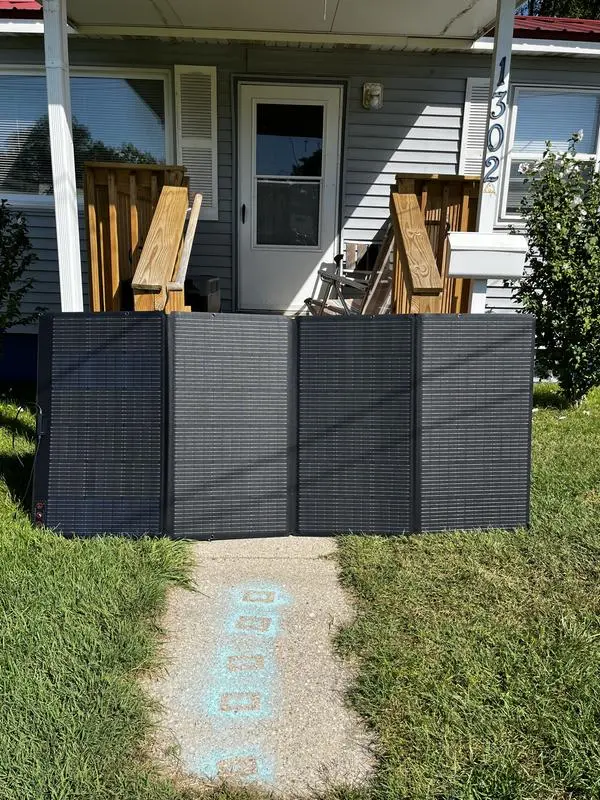
A lot of starter solar panels come in around 400 watts because it’s a sweet spot. You get enough power for everyday gear without dealing with oversized panels or a complicated setup. If you’re running a basic off-grid system, a solid 400-watt panel makes life easier. The EcoFlow 400W Portable Solar Panel folds up, sets up quickly, and works just as well in a backyard as it does at a campsite when paired with a portable power station.
Maximizing 400-Watt Power Efficiency
When you’re working with a 400-watt limit, how you use power matters just as much as how much you have. A little planning goes a long way in making sure you don’t run out of juice when you actually need it.
Prioritizing Devices and Load Management
Start by deciding what really matters. Medical devices, phones, and anything tied to communication should come first. Entertainment can wait. By spacing out when you run certain appliances instead of turning everything on at once, it’s surprisingly easy to stay under 400 watts and keep things running steadily.
This kind of planning often leads people to ask, what size battery do I need for a 400w solar panel, since battery capacity ultimately determines how long those essential devices can stay powered.
Energy-Saving Tips for Home and RV Use
Small choices add up. LED bulbs use far less power than older lights, and DC-powered devices are more efficient than AC when you have the option. In an RV, running the fridge on propane instead of electricity can free up a big chunk of your 400 watts for other gear.
Avoiding Overload and Power Surges
Some appliances draw more power when they first start than when they’re running. Fans, pumps, and anything with a motor can briefly spike above their rated wattage. Keeping that in mind helps avoid tripped circuits or stressing your inverter.
Pairing a Solar Panel with a Solar Generator
Pairing solar panels with a portable power station makes a big difference. You can collect energy during the day and use it later, even after the sun goes down. A higher capacity option like the EcoFlow DELTA 2 Max Portable Power Station gives you enough stored energy to run multiple devices overnight or through cloudy weather, which makes it a practical setup for home backup, camping, or RV use.
Common Misconceptions About Watts and Energy
Electricity sounds simple until you start planning around it. A lot of confusion comes from mixing up terms or assuming numbers mean more than they actually do. Clearing these up makes it much easier to plan power use without surprises.
Watts vs. Energy Aren’t the Same Thing
Watts and energy often get lumped together, but they’re not interchangeable. Watts describe how fast power is being used at a moment. Watt-hours describe how much power is used over time. Using 400 watts tells you the speed. Using 400 watt-hours tells you how much you used in one hour.
Higher Wattage Doesn’t Always Mean Higher Bills
A higher-watt appliance doesn’t automatically cost more. A hair dryer might pull a lot of power, but if it runs for five minutes, it usually costs less than a lower-watt heater running all night. Time matters just as much as wattage.
400 Watts Won’t Run Everything
It’s easy to assume 400 watts can handle any small appliance, but that’s not true. Heat-based kitchen gear like coffee makers, air fryers, and toasters usually need well over 1,000 watts. Those simply won’t work on a 400-watt setup.
Solar Panel Ratings Are Peak Numbers
A 400-watt solar panel can hit that number only under ideal conditions. Real life isn’t perfect, sun all day. Haze in California, humidity in Florida, or a low winter sun in Maine all reduce output. Most of the time, you’ll see slightly less than the rated number, and that’s normal.
Conclusion
Four hundred watts sit in a really practical place. It’s enough power to cover everyday needs without getting into oversized systems or complicated setups. Once you understand what it can handle and how to plan around it, 400 watts becomes easy to work with at home or on the road. Whether you’re getting ready for a storm, spending a few days off grid, or just want a reliable backup for essentials, pairing the right gear, like efficient solar panels and a solid portable power station, makes that power go further. In a lot of real-world situations, 400 watts is exactly what you need to stay comfortable, connected, and prepared.
FAQ
1. How Do I Figure out Wattage?
Check the label on the back or bottom of the device. Most of the time, it lists the wattage. If it only shows amps and volts, multiply them together (amps × volts), and that gives you the wattage.
2. Can 400W power a TV?
Yes. Four hundred watts is more than enough for most modern TVs. Many LED TVs in the 32 to 65 inch range use somewhere between 50 and 200 watts, so you’ll still have power left for things like a soundbar or a game console.
3. Will 400W run a Fridge?
Usually not a full-size kitchen fridge. Most of those need a higher startup surge than 400 watts can handle. Smaller camping fridges or efficient 12V travel coolers, though, will typically run just fine on 400 watts.
4. How Many Amps Is 400 Watts?
At standard U.S. household voltage (120 volts), 400 watts comes out to about 3.3 amps. In a 12-volt system, like a car or RV setup, it’s roughly 33 amps.
5. How Much Energy Can a 400w Solar Panel Generate?
In a sunny area, a 400-watt solar panel usually makes about 1.6 to 2 kilowatt-hours of energy per day. That assumes around four to five hours of strong, direct sunlight, which is common in places like the Southwest.
For press requests or interview opportunities, reach out to our media team
media.na@ecoflow.com