Average Electric Bill in Illinois 2026: ComEd and Ameren Rates Explained
- What the Average Illinois Electric Bill Looks Like in 2026
- ComEd vs Ameren in 2026: Service Areas, Price-to-Compare, and Seasonal Swings
- How Your Illinois Electric Bill Is Built
- Why Rates Are Rising in 2026
- How to Lower Your Illinois Electric Bill Without Guesswork
- Frequently Asked Questions
- Cut Costs and Add Peace of Mind With a Smarter Home Energy Plan
Energy costs are on the rise across the U.S. in 2026. While Illinois residents pay just below the national average, rising electric bills can still make it difficult for families to cover their expenses. Now more than ever, it’s important to understand your electric bill and shop for better rates if they’re available in your area. You'll also find tips to help reduce your monthly bills.
What the Average Illinois Electric Bill Looks Like in 2026
Illinois residents are currently seeing average electricity bills of approximately 18.86 cents/kWh for residential properties (or homes) and 13.07 cents/kWh for businesses, according to the latest EIA data. Actual bills vary depending on home size, electricity use, provider, and seasonal demand. On average, though, Illinois residents tend to fare better than those in higher-cost states, like Texas.
However, costs continue to rise because of higher wholesale costs, growing demand, and ongoing volatility in fossil fuel markets.
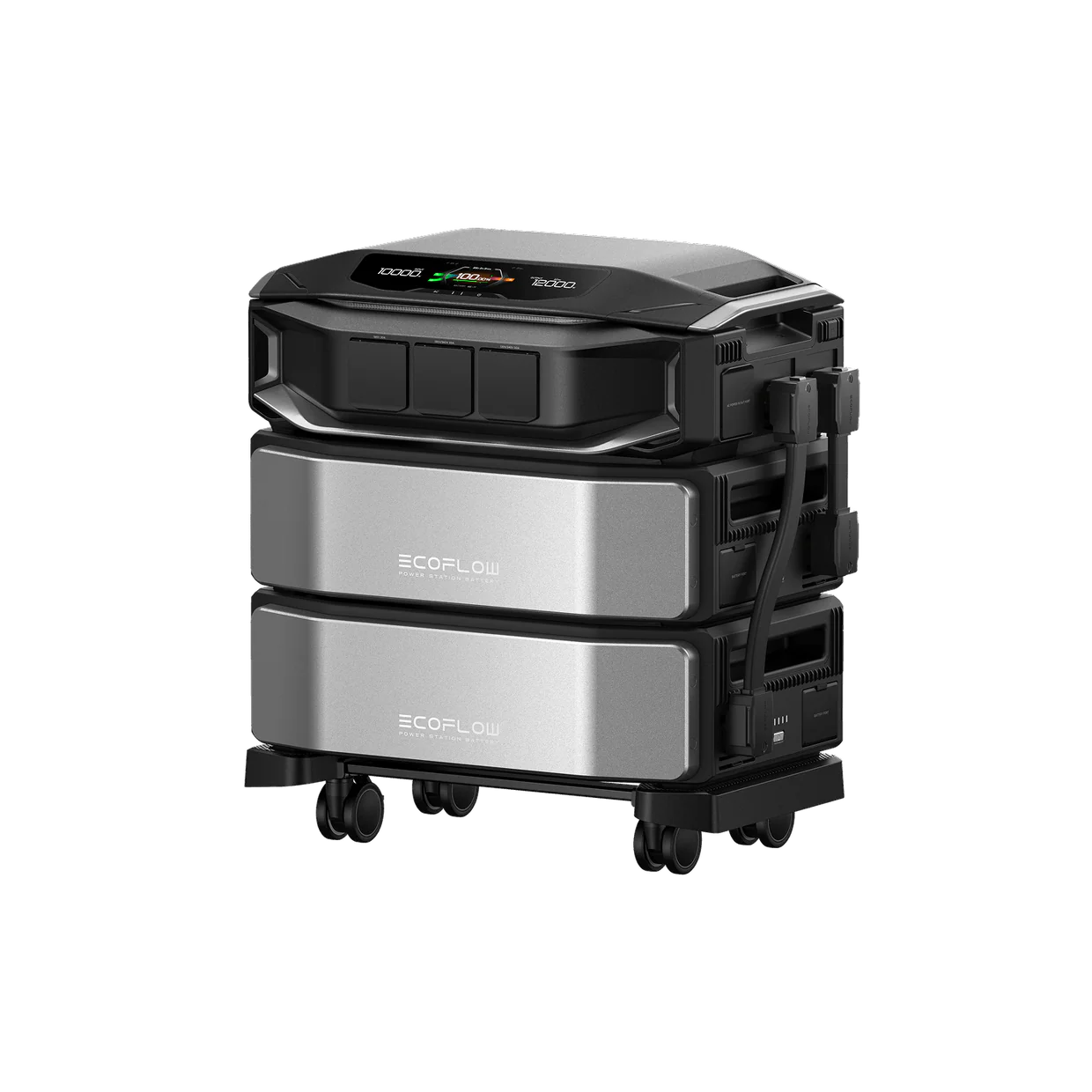
If you want to protect your home from rate hikes, a home battery system like the EcoFlow DELTA Pro Ultra X coupled with a time-of-use (TOU) rate offers a smart way to store cheaper off-peak energy and use it to run essential appliances during peak rates.
ComEd vs Ameren in 2026: Service Areas, Price-to-Compare, and Seasonal Swings
While Illinois’ deregulated electricity market allows you to choose providers, what’s available depends on your ZIP code.
The two biggest providers are Commonwealth Edison (ComEd), servicing Chicago and northern Illinois, and Ameren, covering central and southern Illinois.
Understanding your utility’s Price-To-Compare (PTC) helps when choosing providers. It compares the utility’s supply rate (what you pay per kWh) and transmission fees, but it’s not the final rate you actually pay, as it doesn’t include all fees.
In the summer of 2026, ComEd’s PTC is ~10.399 cents/kWh, while Ameren is slightly higher at 11.326 cents/kWh. These are baseline charges that fluctuate seasonally, typically peaking from June to September when demand is high.
How Your Illinois Electric Bill Is Built
Electricity bills can be confusing, so here’s a breakdown:
Supply charges are the cost per kWh of power you consume. You can shop around for fixed-rate, 100% renewable energy plans or TOU discounted rates.
Delivery charges are fees charged for the cost of transmitting and distributing electricity to your home. Even if you switch suppliers, you still pay delivery charges, which are regulated by the Illinois Commerce Commission.
Taxes and fees also apply, including local taxes, administrative surcharges, and environmental mandates.
Since extreme weather and local outages often disrupt electrical grids, many homeowners install a battery-operated whole-home generator to keep their lights on.
Why Rates Are Rising in 2026
Energy rates across the United States are rising in 2026 due to aging infrastructure and the need to keep up with modern electrical demands or to handle more severe weather. Utilities pass these costs on to consumers through delivery charges. Fossil fuel markets, often disrupted by global instability, also strongly impact rates.
Then add persistent inflation and impacts of the One Big Beautiful Bill, like policy changes that eliminated federal residential solar incentives and prioritized volatile fossil fuels, and homeowners are getting concerned about paying their monthly bills.
How to Lower Your Illinois Electric Bill Without Guesswork
There are a few effective ways to lower your power bill.
Switching to a TOU plan can reduce your bill by 6.5–9.7% each summer, with more than 98% of ComEd pilot participants seeing bill savings — as long as you can shift heavy-duty appliance usage to cheaper off-peak hours.
Invest in a whole-home backup power solution and use it with TOU pricing to store energy when rates are cheap and power appliances with it when rates are high.
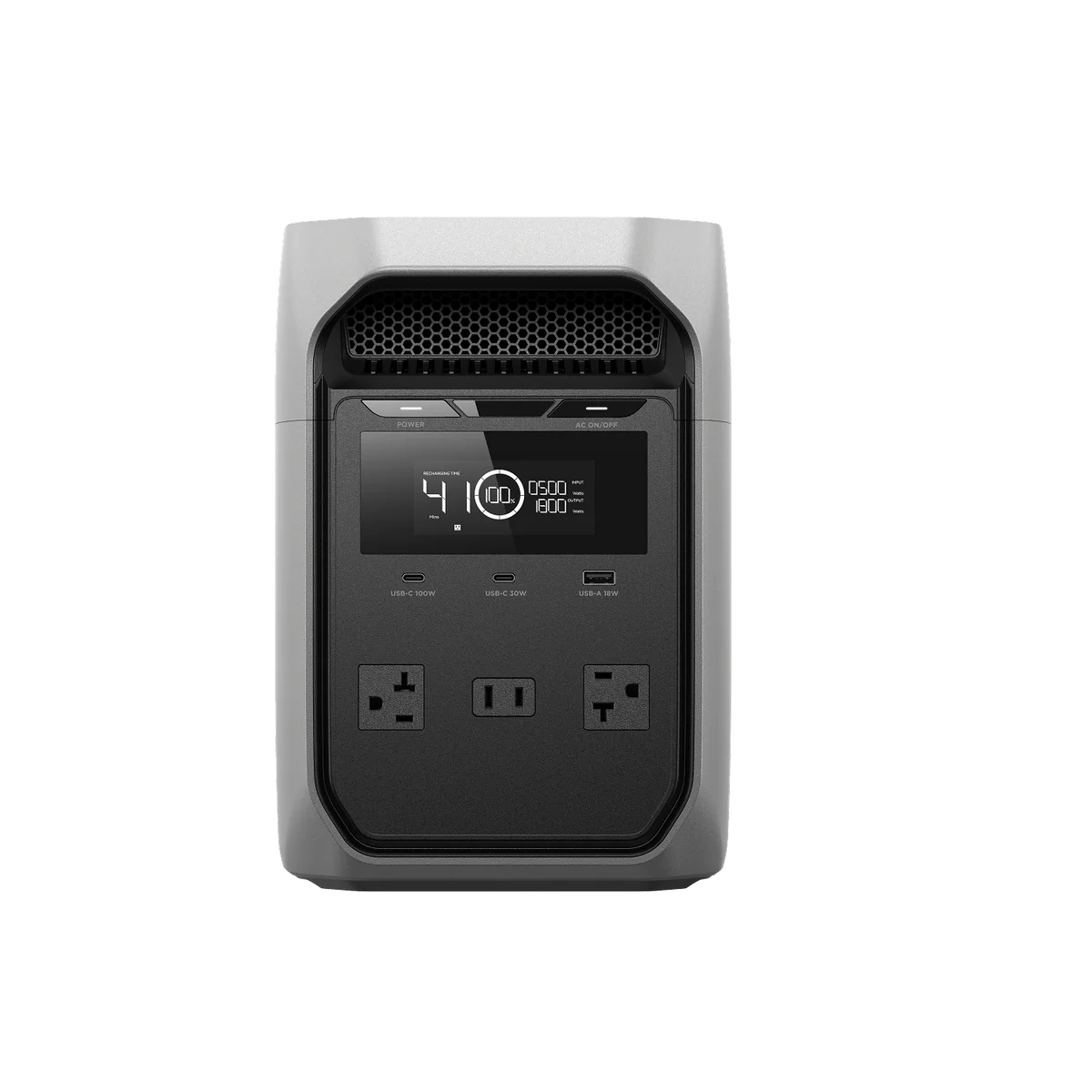
Alternatively, a portable power station like the EcoFlow DELTA 3 Classic can be used for individual appliances that must run during peak rates.
Recharge your batteries using solar panels to reduce grid purchases.
Use a smart thermostat to automatically adjust your HVAC system according to the time, day, and more.
Frequently Asked Questions
What Is the Average Electric Bill in Illinois in 2026?
The average residential electricity bill in Illinois currently ranges between $115 and $135 per month. But your actual costs depend on your home's size, the number of people in it, your HVAC's efficiency, and your rates.
Why Did My Bill Jump Even If My Usage Stayed About the Same?
A sudden jump in an electrical bill without a change in usage is usually due to higher seasonal supply rates in summer, which reflect higher demand for air conditioning. The other cause is an annual adjustment in delivery and transmission fees, which also don’t depend on usage.
Should I Choose a Fixed-rate or Variable-rate Electricity Supply Plan in Illinois?
Fixed rates can offer longer-term stability since they lock in prices for 12+ months at a time. Variable rates rise and fall with market conditions, so they could save you money if the market is favorable. However, under the current energy market, they also carry a higher risk.
Can a Home Battery Help With High Electric Rates If I Don’t Have Solar?
Yes, even without solar, a home battery can help lower power bills if you have a time-of-use rate with discounted late-night electricity. Simply charge your battery during cheaper rates and use it to run appliances during peak rates. Keep in mind that the larger your battery capacity, the more appliances you can power during peak hours — and the greater your potential savings.
Cut Costs and Add Peace of Mind With a Smarter Home Energy Plan
While rising electrical costs are out of our control, dependent on global markets, shifting government priorities, and aging infrastructure, you can still take control of our home energy.
Start by understanding your bill and shopping around for better rates. Then, consider signing up for a time-of-use rate and running heavy-duty appliances only during cheaper rates.
For whole-home coverage, the EcoFlow DELTA Pro Ultra X lets you store off-peak energy and power your home through peak rate hours. If you're looking to offset costs on individual appliances, the EcoFlow DELTA 3 Classic is a portable option that does the same job on a smaller scale. Pair either with solar panels to reduce grid purchases further.
Note: Figures cited in this article were accurate at the time of writing in June 2026. Energy rates and program details are subject to change; always verify current rates with your utility provider.
For press requests or interview opportunities, reach out to our media team
media.na@ecoflow.com