Cheap Electricity in the US in 2026: States, Types, and How to Choose
Affordable electricity in 2026 is not just the lowest cents per kilowatt hour. A good deal matches your usage pattern, contract terms, local delivery charges, outage risk, and comfort needs. The lowest advertised rate can become expensive if the plan shifts risk back to the household.

What Makes Electricity Affordable?
Affordable electricity starts with the full bill, not the rate line. In many U.S. markets, the price you see in an offer covers only energy supply. Delivery, riders, taxes, minimum usage rules, and seasonal demand can change the actual monthly cost.
Rate Versus Bill
A 12-cent plan can cost more than a 14-cent plan if it includes a high base fee, a usage credit that disappears below a threshold, or a variable rate after the first month. Compare plans using your last 12 months of usage, not a single summer bill.
Supply Versus Delivery
In deregulated states, you may choose a supplier, but the local utility usually still delivers power and maintains wires. That means cheap electricity plans do not remove delivery charges, storm restoration costs, or utility fees.
Affordable electricity is a household decision as much as a market decision. The cheapest electricity is usually the plan that stays cheap under your normal usage, not the one with the best headline rate.
Which States Are Usually Cheaper?
Cheap electricity tends to appear where fuel supply, generation mix, transmission capacity, and regulation keep average revenue per kilowatt hour low. EIA data for March 2026 showed national residential average revenue at 18.83 cents per kilowatt hour, while some central and western states remained well below that level.
State Pattern | Why Costs Can Be Lower | What to Check |
|---|---|---|
Plains states | Local fuel supply and lower congestion | Winter heating load and co-op charges |
Hydropower states | Low fuel cost from water resources | Drought exposure and seasonal limits |
Regulated low-cost states | Utility scale planning and fuel diversity | Approved rate cases |
Deregulated states | Retail competition can lower supply rates | Delivery charges and plan terms |
The lowest states change by month and customer class. In March 2026, EIA highlighted North Dakota, New Mexico, and Oklahoma among the lowest contiguous U.S. states for average revenue per kilowatt hour across all sectors. Your actual price still depends on zip code, utility territory, meter type, and usage timing.
What Plan Types Matter Most?
Choosing between plan types is where many households lose money. The correct plan is the one whose rules match your daily load shape, not the one with the most aggressive teaser price.
Fixed rate plans: Best when you want stable pricing through summer and winter. Confirm contract length, early exit fees, and whether the rate includes all usage levels.
Variable rate plans: Best only when you can tolerate price changes and monitor bills. Avoid them if a sudden spike would strain your budget.
Time of use plans: Best when you can move laundry, EV charging, dishwashing, and battery charging into off-peak hours.
Green energy plans: Best when renewable content matters to you. Review whether the plan uses renewable energy certificates, direct supply, or a utility program.
Prepaid plans: Best for close budget tracking. Review disconnection rules, account alerts, and recharge minimums.
Cheap electricity is rarely one universal plan. It is a match between your usage flexibility and the risk you are willing to accept.
How Do You Compare Offers?
Start with your annual kilowatt hours, then model each offer at several usage levels. Many offers are built around 500, 1,000, or 2,000 kilowatt-hour examples, but your home may sit outside those bands.
Pull 12 months of usage from your utility portal.
Separate the supply price from the delivery charges.
Check whether the rate changes after a promotional period.
Look for minimum use credits, base fees, and early termination fees.
Review renewable content, contract end date, and renewal notice rules.
Search complaint data where your state public utility commission provides it.
If a plan is unclear, treat that as a cost signal. Good cheap electricity plans should make the math easy enough to reproduce on a calculator.
When Can Backup Power Help?
Backup power does not make grid electricity cheaper by itself. It can reduce outage losses, protect refrigerated food, and help households use stored energy more deliberately when paired with solar or time-based pricing.
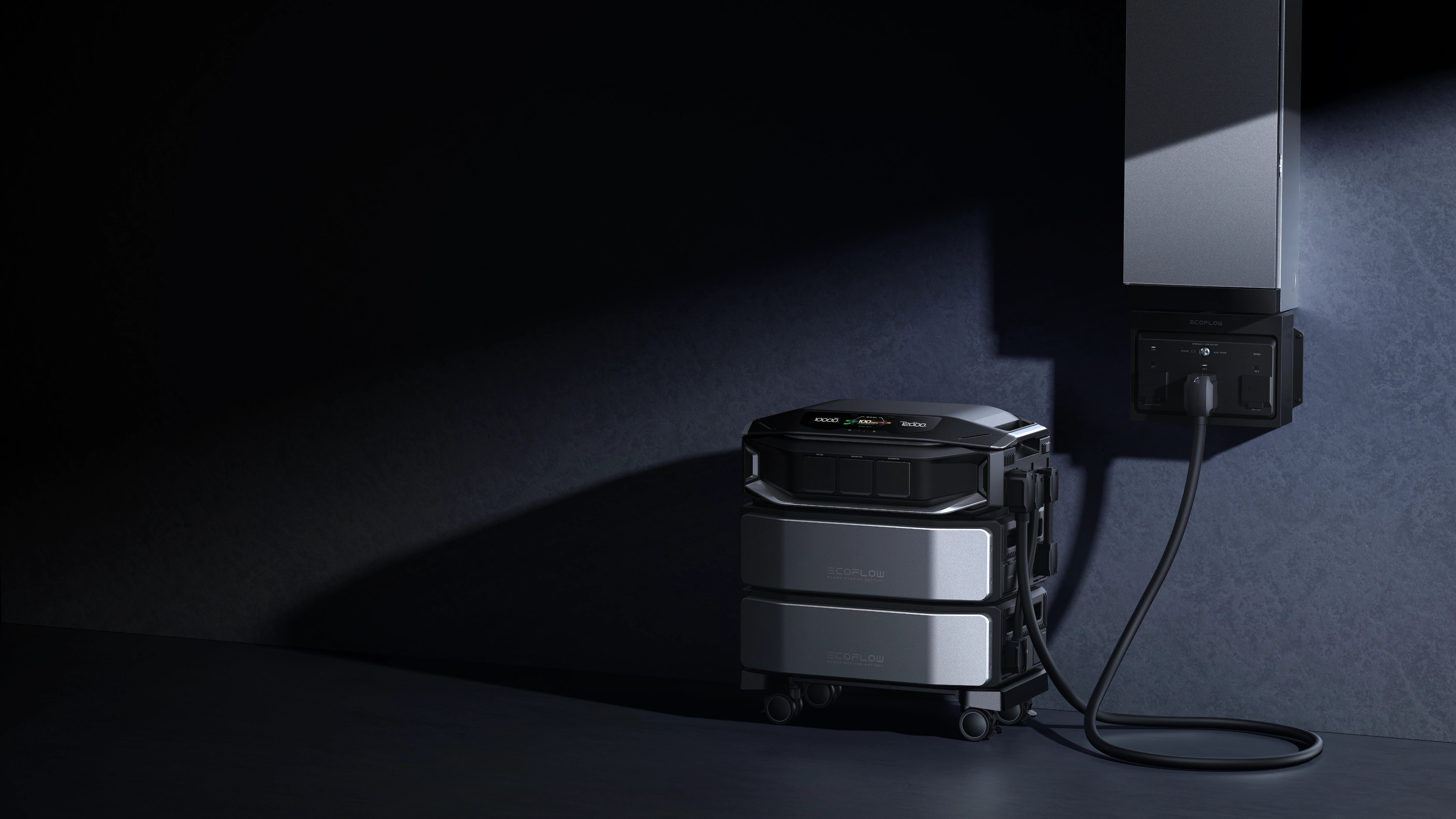
For homes comparing affordable electricity with outage resilience, EcoFlow DELTA Pro Ultra X is a whole-home backup system with 12kW output, 12kWh capacity in the 1 inverter plus 2 battery configuration, and a 200A smart panel designed to power every circuit.
A backup system belongs in the cost discussion only after basic rate shopping and efficiency work. It is most relevant where outages, medical devices, sump pumps, or refrigerated storage make continuity valuable.
What Mistakes Raise Costs?
The costliest mistake is focusing on supply price while ignoring usage behavior. Air conditioning, electric heat, pool pumps, EV charging, and old appliances can overwhelm a small rate difference.
Ignoring Peak Loads
Peak demand drives system costs and can shape time-based bills. If your plan rewards off-peak usage, shift flexible loads away from late afternoon and early evening.
Missing Renewal Dates
Many low rates expire. Put the contract end date on your calendar 45 days early so you can shop before a default renewal rate takes effect.
Treating Averages as Quotes
State averages are useful context, not a quote. A rural co-op customer and an urban apartment renter in the same state can face different delivery charges and usage patterns.
Affordable electricity improves when you combine plan selection with load control. The household that understands its own usage usually beats the household that only chases a rate table.
Choose the Best Cheap Electricity Plan
Affordable electricity in 2026 means a low all-in bill, stable terms, and a plan that fits your usage. Use EIA context for state comparisons, then compare offers with your own 12-month load history. The best cheap electricity plans are transparent, predictable, and aligned with how your home actually uses power.
FAQs
Q1. What Is Affordable Electricity?
Affordable electricity is electricity that keeps the total bill manageable after supply, delivery, taxes, fees, and usage patterns are included. It is not always the lowest advertised rate. A plan is affordable when it remains cost-effective across normal seasonal usage and does not rely on confusing credits, high base charges, or risky variable pricing.
Q2. Which States Have Cheap Electricity?
States in the Plains, Mountain West, and some hydropower regions often report lower average electricity costs, but rankings change by month and customer class. EIA data showed North Dakota, New Mexico, and Oklahoma among the lowest contiguous states for average revenue per kilowatt hour across all sectors in March 2026.
Q3. Are Cheap Electricity Plans Worth It?
Cheap electricity plans can be worth it when the contract is transparent, and the rate works at your actual usage level. They are risky when savings depend on minimum use credits, short promotional windows, or variable rates. Always compare the plan to your own monthly kilowatt-hour levels before switching.
Q4. What Is the Cheapest Electricity Plan Type?
The cheapest electricity plan type depends on your household. Fixed-rate plans can be the cheapest for people who value stability. Time-of-use plans can be cheapest for homes that can shift usage off-peak. Variable plans may start low but can become expensive quickly when wholesale or supplier pricing changes.
Q5. How Can I Lower My Electric Bill?
Lower your electric bill by reducing high-load usage, improving insulation, using smart thermostats, cleaning HVAC filters, shifting flexible loads off-peak, and comparing supply offers before renewal. If you have an EV, pool pump, or electric water heater, scheduling those loads can matter as much as finding a lower cents per kilowatt hour rate.
Q6. Does Deregulation Guarantee Cheaper Power?
Deregulation does not guarantee cheaper power. It gives eligible customers supplier choice, but local utility delivery charges usually remain. Some households save money through competition, while others overpay because they accept confusing rates or miss renewal dates. Deregulated markets reward careful comparison and penalize passive renewals in your service area.
Disclaimer
This article is for general energy education, not financial, legal, or utility advice. Electricity prices, supplier rules, and state programs change frequently, so verify current figures with EIA data and your state utility regulator before choosing a plan.
Outage planning, electrical installation, and whole-home backup work should be reviewed by qualified professionals and local authorities. Follow applicable codes, permits, and manufacturer instructions before connecting any backup power system.
For press requests or interview opportunities, reach out to our media team
media.na@ecoflow.com