When Should You Replace Your Generator or Repair It?
- Why Do You Need to Replace a Generator?
- How Much Does It Cost to Replace Generator Parts?
- When Is Replacing a Generator Better Than Repairing It?
- How to Choose a Replacement RV Generator or Backup Power Solution
- A Modern Alternative to Traditional Generator Replacement
- How to Replace a Generator With a Portable Power Station
- Conclusion
- Frequently Asked Questions About Generator Replacement
If you own a generator, you already know how much it does for you — powering your home, your RV, or your off-grid setup. But like anything with an engine and a battery, generators wear out, and parts like fuses, batteries, and fuel tanks eventually need replacing.
At some point, you have to ask yourself: am I fixing this generator, or is it time for generator replacement? Many people are turning to portable power stations like the EcoFlow DELTA Pro 3 and the EcoFlow DELTA Pro Ultra instead of sinking more money into an aging generator.
This guide walks you through that decision. We'll help you figure out when a repair still makes sense, and when it's time to look at something new.
Why Do You Need to Replace a Generator?
Generator replacement can mean two different things. Sometimes it means swapping out one broken part. Other times, it means replacing the whole machine.
A quick repair can fix a temporary problem, but frequent maintenance issues are often the clearest sign that a generator is reaching the end of its life.
Replacing Generator Parts vs Replacing the Entire Generator
When the generator is fairly new and the problem is confined to one part, repairing that part is usually reasonable. This is the case for issues like:
Generator Battery Replacement
Generator Fuse Replacement
Generator Fuel Tank Replacement
Other routine maintenance repairs
When multiple parts are failing, or the unit no longer fits your needs, whole-generator replacement may be worth considering. This is worth looking at if you're upgrading to a newer fuel generator, want a quieter, lower-maintenance power solution, or want a system that better fits your current power needs, including:
Upgrading to a newer fuel generator
Switching to a quieter operation and lower-maintenance power solution
Choosing a system that actually matches how much power you need today
Signs You May Need a Full Generator Replacement
Not sure which path you're on? Watch for these warning signs:
Frequent breakdowns and repairs
Repair costs that keep climbing
Reduced power output or shorter runtime
Trouble finding replacement parts for an older model
The generator burns through fuel faster than it used to
Outdated features compared to newer backup power solutions
If you're nodding along to two or three of these, it's time to think seriously about replacing your generator.
How Much Does It Cost to Replace Generator Parts?
.JPEG)
.JPEG)
Before you commit to a repair, it helps to know what the repair will actually cost — and whether the repair is worth paying for.
Generator Battery Replacement Cost
Batteries don't last forever. Charge cycles, weather, and normal wear all take a toll over time.
You'll usually notice generator battery replacement is needed when the unit is slow to start, loses power quickly, or won't hold a charge at all.
Cost depends on the battery type, its capacity, and whether it's a common or special size. In most cases, a new battery is all it takes to get your generator running like normal again.
One thing to watch for: if you're replacing the battery over and over, that's not a battery problem anymore. That's usually a sign of a bigger reliability issue with the generator itself.
Generator Fuse Replacement Cost
A fuse's whole job is to protect your generator's electrical system. When there's a power surge or an overload, the fuse blows on purpose, before something worse happens.
Common causes include overloading the generator or a wiring issue somewhere in the system.
The good news: generator fuse replacement is usually cheap, and it often solves the problem for good. The bad news: if fuses keep blowing after you replace them, something deeper is wrong, and it's worth having it checked out.
Generator Fuel Tank Replacement Cost
Fuel tanks have taken a beating over the years. Corrosion, cracks, and slow leaks are the usual culprits.
In many cases, generator fuel tank replacement is possible and can add real life to your unit. But keep in mind that older fuel systems tend to need more attention overall, so a new tank might just be the first of several upcoming repairs.
When Is Replacing a Generator Better Than Repairing It?
Here's a simple way to decide between generator repair and generator replacement.
Consider Repairing Your Generator If:
Repair usually makes sense when your generator is still fairly new, only one part has failed, replacement parts are affordable and easy to find, and the unit still meets your power needs.
Consider Replacing Your Generator If:
Replacement is usually the better call when more than one part needs fixing, repair costs keep going up, the unit can't keep up with your power needs anymore, you want quiet operation and less maintenance, or you need backup power you can actually count on.
How to Choose a Replacement RV Generator or Backup Power Solution
RV owners run into their own set of headaches with traditional generators, —the noise that annoys campsite neighbors, hauling and storing fuel, regular oil changes, and limited flexibility in how or where you can use them. If any of that sounds familiar, it may be time to consider an RV generator replacement.
What to Consider When Replacing an RV Generator
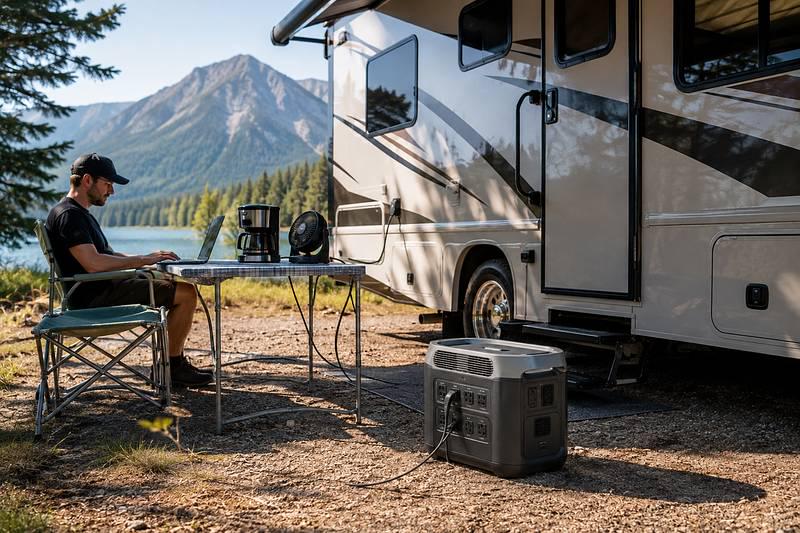
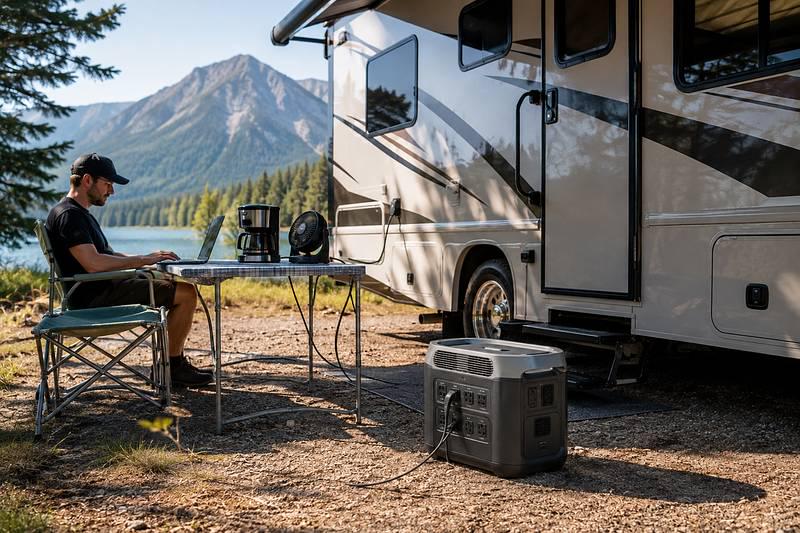
Determine Your Power Requirements
Start with the basics: figure out which appliances and devices you actually need to run, their starting wattage, and how much power you typically use in a day.
Compare Fuel Generators and Battery-Powered Solutions
Once you know your numbers, compare your options on noise level, maintenance needs, charging methods, portability, and long-term costs.
If noise is a dealbreaker for you, this guide to quiet generator options is worth a look. And if you're still deciding between fuel and battery power, this breakdown of an inverter generator for home backup can help you compare.
Consider Runtime and Expandability
Last but not least, think about the long game — how much battery capacity you actually need, whether solar charging could extend your trips, whether the system can grow with expandable energy storage later, and how long it needs to last during an outage.
A Modern Alternative to Traditional Generator Replacement
If the idea of fuel, oil changes, and engine noise wears you down, you're not alone. That's exactly why portable power stations have become such a popular alternative.
Here's what you get instead: quiet operation, no fuel to store or haul, far less maintenance, flexible charging (including solar charging through a solar generator for home), and safe indoor use since there's no exhaust.
EcoFlow DELTA Pro 3 Portable Power Station
If you're weighing whether a portable power station can actually replace your fuel generator, the EcoFlow DELTA Pro 3 Portable Power Station is the answer for most everyday situations. It's sized for an RV trip or a home outage, not an entire house at once, so it stays lighter and easier to move. Charge it, however, it fits your routine: the wall outlet, vehicle, or solar — and it's ready when the power isn't. For most RV owners, campers, and homeowners who want reliable backup without an engine to maintain, this is the generator replacement that makes sense.
If you’re ready to move on from a portable fuel generator, the DELTA Pro 3 offers the same reliability minus the hassle.
EcoFlow DELTA Pro Ultra
The EcoFlow DELTA Pro Ultra is the one to consider when a portable unit isn't enough — when you need to keep an entire home running through a multi-day outage. It's built to sit in that role permanently, like a standby generator, but without fuel deliveries, servicing, or noise. If your household depends on a well pump, sump pump, or central air staying on no matter what, this tier is built for that. This one is really made for whole-home backup. If you're weighing it against a traditional setup, take a look at the whole house generator cost to see how the numbers compare.
How to Replace a Generator With a Portable Power Station
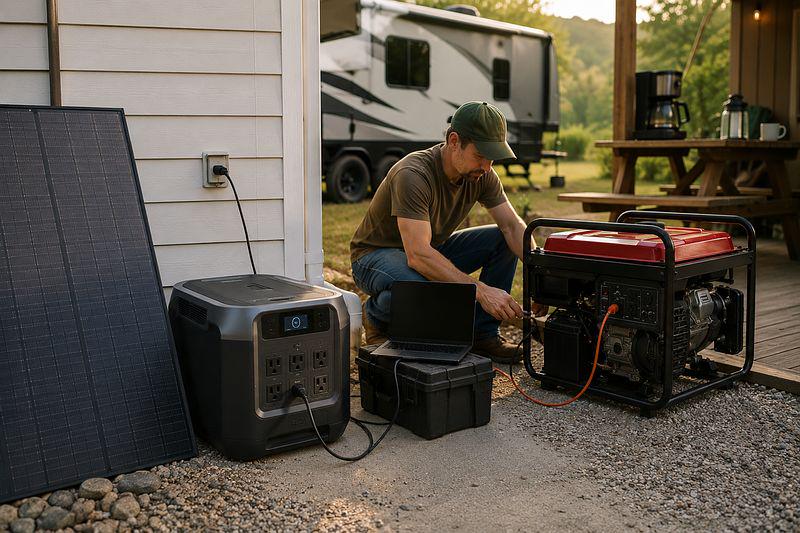
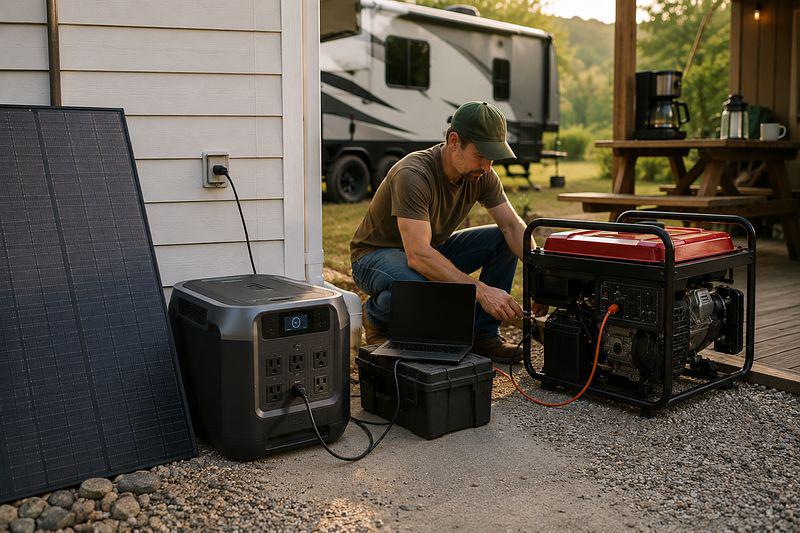
Ready to make the switch? Here's how to do it right.
Step 1: Calculate Your Energy Needs
Start by listing the appliances you really want to power, checking their wattage, and figuring out how long you'll need backup for. For example, if you're running a fridge (150W), a few lights (60W), and a laptop (65W), you're looking at roughly 275W of continuous power — plus extra for startup surges.
Step 2: Select the Right Battery Capacity
Once you know your wattage needs, pick a battery size to match. Smaller systems work well for short-term backup, while bigger, expandable systems are better suited for longer outages.
Step 3: Plan Your Charging Options
Finally, decide how you'll recharge — wall charging for everyday use, solar charging for off-grid or long trips, or vehicle charging, which is especially convenient for RV life.
Conclusion
Replacing a battery, a fuse, or a fuel tank can absolutely fix your generator and buy you more time. But when the repairs keep coming, that's usually your sign. It might be time for something new. A modern portable power station gives you quieter, cleaner, lower-maintenance backup power, whether you're at home or on the road, and it's often the most practical generator replacement you can make.
Ready to make the switch? Explore the EcoFlow DELTA Pro 3 and find the right backup power solution for your home or RV.
Frequently Asked Questions About Generator Replacement
How often should a generator be replaced?
There's no single number. It really depends on how much you use it, what fuel it runs on, and how well it's been maintained. If breakdowns are becoming a habit, that matters more than the calendar.
Is it cheaper to repair or replace a generator?
The cheaper option is usually a single fix, such as a battery or a fuse. But once you're facing multiple repairs or rising costs, replacement often saves you money in the long run.
Can I replace a generator battery myself?
For the most part, yes. Often, generator battery replacement is simple enough to do yourself. If your unit is still under warranty, check your warranty and manufacturer instructions first.
What is the best replacement for an RV generator?
It comes down to your travel style and power needs. That said, more RV owners are switching to portable power stations for quiet operation, lack of fuel, and flexible charging.
Can a portable power station replace a gas generator?
Yes, for most everyday needs. A portable power station is a great alternative to a traditional generator for RV trips, outdoor adventures, and home backup power, delivering power to your essential appliances without the noise, fuel, or engine maintenance.
For press requests or interview opportunities, reach out to our media team
media.na@ecoflow.com