How Long Does a Sump Pump Last? Average Lifespan and Complete Replacement Guide
- What Is a Sump Pump and Why It Matters in U.S. Homes
- How Long Does a Sump Pump Last on Average?
- Sump Pump Lifespan by Type (Pedestal vs. Submersible)
- Warning Signs Your Sump Pump Needs Replacement
- Key Factors That Affect Sump Pump Lifespan
- The Ultimate Storm Defense: Preparing for Power Outages
- Sump Pump Repair vs. Replacement: Which One Makes More Sense?
- How to Make Your Sump Pump Last Longer (Maintenance Tips)
- Conclusion
- FAQ
Many homeowners have experienced the panic of waking up during a severe overnight storm and wondering whether their basement is about to flood. With all the rain, they’re wondering if the basement is about to flood. The sump pump is the primary defense against getting water damage, but few realize that it will not last forever.
This guide describes just how long a standard sump pump should last, how to spot the warning signs of failure, and how to choose between different pump types. We’ll also cover the critical vulnerability of these systems during power outages and how a smart backup power strategy can save your home.
What Is a Sump Pump and Why It Matters in U.S. Homes
Keeping your basement dry is a primary objective if you live where there’s heavy rainfall and storms, especially in any storm-prone coastal regions. The pump is usually tucked away at the lowest point of your crawl space or basement, and serves as the primary defense against rising groundwater.
When water fills the sump basin, the system automatically activates and redirects water away from the foundation. This simple system protects you during spring thaws, flash floods, and severe storms. Without a working pump, the water could cause tens of thousands of dollars in structural damage, drywall repairs, and mold remediation for U.S. homeowners. Because severe storms often trigger power outages at the same time groundwater levels rise, many homeowners now rely on backup solutions such as a solar generator system to keep sump pumps operating during emergencies.
How Long Does a Sump Pump Last on Average?
Nothing lasts forever, and that applies to your sump pump, too. On average, a standard residential sump pump lasts between 7 to 10 years.
That may seem like a reasonable lifespan, but keep in mind that the pump operates in a harsh, damp operating environment. The sump pump’s job is to cycle on and off thousands of times, and handle dirt, debris, and fluctuating groundwater levels. If your pump is more than 7 years old, it may be approaching the end of its expected service life. Relying on an aging pump carries significant risk, especially during the peak storm season.
Sump Pump Lifespan by Type (Pedestal vs. Submersible)
When you look into the sump pit, you’ll generally see one of two sump pump setups. The specific type of pump you have can make a big difference in how many years of service you’ll get out of it.
| Feature | Pedestal Sump Pumps | Submersible Sump Pumps |
|---|---|---|
| Average Lifespan | 10 to 15 years | 5 to 10 years |
| Motor Placement | Elevated on a column well above the pit; stays completely dry. | Sits entirely underwater at the bottom of the basin. |
| Pros | Longer lifespan; easier to access for minor repairs. | Much quieter; handles larger water volumes and solids. |
| Cons | Loud motor; sticks out, preventing a flat basement floor lid. | Faster wear and tear on seals and bearings due to constant submersion and water pressure. |
Which Type of Pump Lasts Longer and Why?
Pedestal pumps are the best for longevity simply because their motor is isolated from the harsh, wet environment which helps prevent premature corrosion. However, most homeowners still prefer submersible pumps. They run much quieter and handle heavy water loads better. Also, they allow you to seal the pit with a flat lid so you don’t see it and can actually use your basement floor space. In regions prone to severe storms or power outages, some homeowners also use a portable power station as a backup power source to help ensure continuous pump operation during grid interruptions.
Warning Signs Your Sump Pump Needs Replacement
Waiting until a basement flood occurs to discover sump pump failure can lead to significant damage. The following warning signs often indicate that replacement is necessary.
Strange Noises or Constant Running
If your pump sounds like it produces loud grinding or rattling noises or rattles excessively, the impeller or bearings are likely failing. If the pump runs continuously, the float switch may be stuck or the pump can no longer handle the water volume.
Pump Fails to Turn On or Off Properly
A pump that ignores rising water is an immediate emergency. This usually means the float switch is not working properly. The float switch is the mechanical arm that tells the pump to start when the water is high. It could also mean a problem with the motor or power connection.
Visible Rust or Physical Damage
Take a flashlight and look into your pit. Look for significant rust, or corroded metal on the pump. Also check for white mineral buildup of minerals on the pump housing. These are signs that the integrity of the pump may be compromised, and an electrical short may soon lead to electrical failure.
Excessive Vibration or Weak Water Discharge
A pump that vibrates violently against the walls of the pit can dislodge its own plumbing or jam the float switch. If the motor is humming but water is barely trickling out of the discharge pipe, the internal parts may be worn out.
Frequent Basement Moisture or Flooding
Some basements feel unusually humid, smell musty, or show damp spots on the concrete even though the pump runs. These are signs that the unit may be losing its efficiency and can no longer keep up with the water table.
Key Factors That Affect Sump Pump Lifespan
Several variables determine whether your pump survives a decade or dies after just a few seasons.
Frequency of Use and Water Load: Pumps wear out faster in regions with consistently high water tables. Systems that cycle every few minutes throughout the year experience substantially more mechanical wear. A pump in an arid climate that only turns on during an occasional summer storm lasts much longer.
Pump Quality and Brand: Low cost, plastic-housed pumps from the discount bin will rarely make it past 5 years. Choosing a pump with heavy-duty cast iron housing from a reputable brand gives you better heat dissipation and structural longevity.
Installation Quality: A pump that isn’t perfectly level, lacks a check valve, or is connected to poorly sized discharge piping will experience massive backpressure. This forces the motor to work twice as hard and burn out early. These problems can also occur when installing a battery backup sump pump without properly configuring the discharge line or check valve system.
Maintenance and Cleaning Habits: Sump pits accumulate dirt, gravel, and laundry lint. If you never clean out the debris, the intake screen clogs, and causes the motor to overheat which can result in premature failure.
Power Surges and Electrical Issues: Lightning strikes and grid fluctuations during severe summer storms can fry the electronics inside your pump’s motor. If this happens, the pump will not run.
The Ultimate Storm Defense: Preparing for Power Outages
Your sump pump is only as reliable as the electricity powering it. Many homeowners find this out after it’s too late.
Why a Brand New Sump Pump Fails When It Storms
The absolute worst rainstorms that bring strong winds and lightning often blow trees down that cause power outages. The heavy rain means your sump pump needs to work at 100% capacity to keep up with the deluge. In this case, if the grid loses power, even a brand-new, top-of-the-line pump is completely useless if there’s no electricity running to the outlet.
Traditional Battery Backups vs. Modern Portable Power Stations
Traditional backup systems often relied on dedicated 12V backup batteries But these systems come with major headaches. They require complex plumbing modifications, use acid-filled batteries that can degrade quickly, and often provide limited runtime during prolonged outages.
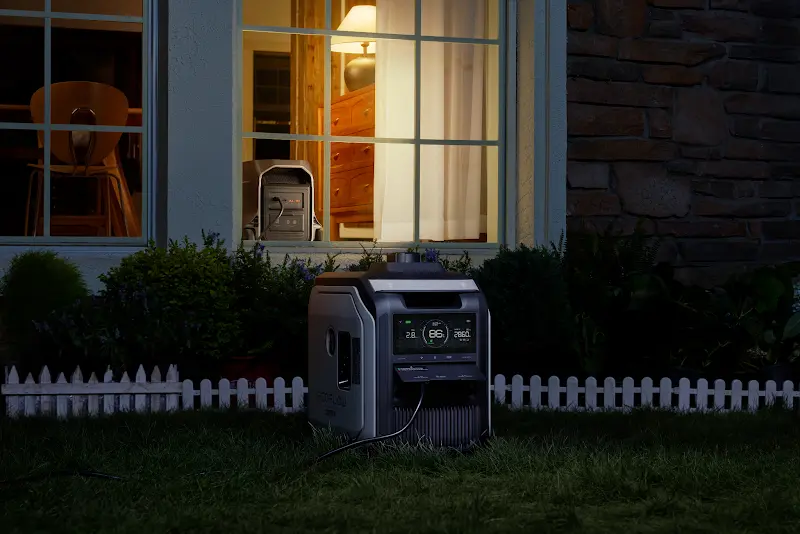
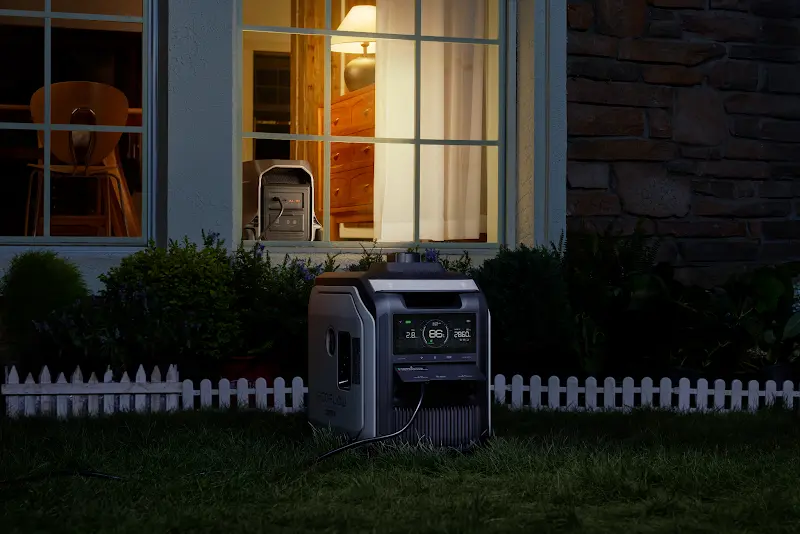
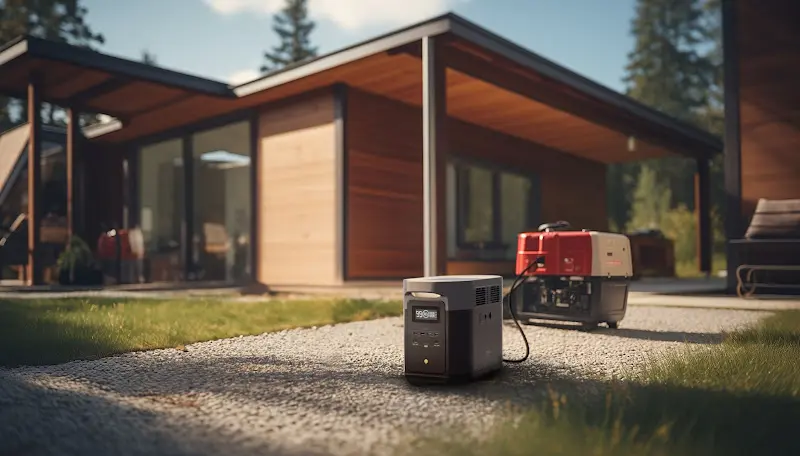
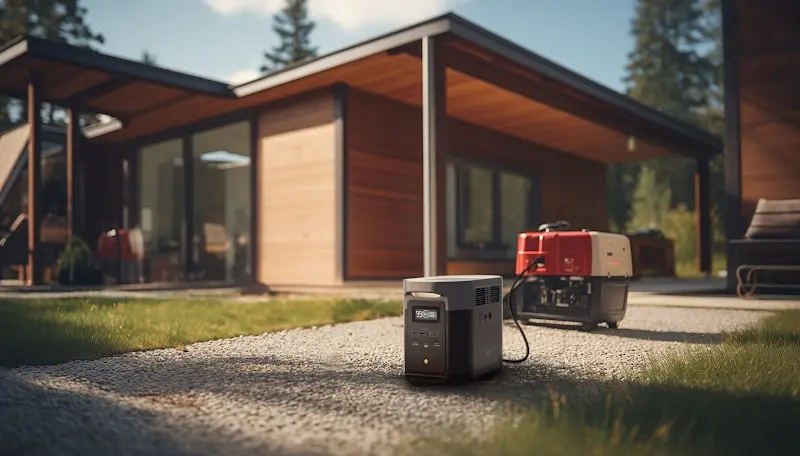
Modern homeowners are shifting towards more flexible and lower-maintenance backup solutions, namely, portable power stations. A portable power station acts as a plug-and-play emergency backup. You don’t need to modify any piping. You simply plug your sump pump directly into the power station. They offer massive energy capacities and can be charged via solar panels. They commonly use long-cycle LiFePO4 battery chemistry designed for extended service life, and can power your refrigerator and Wi-Fi router at the same time.
Top Rated Portable Power Solutions for Continuous Operation
Maintaining reliable backup power is essential for protecting basements during severe weather and extended outages.
Heavy-Duty Emergency Backup: EcoFlow DELTA 3 Ultra Plus + 500W Solar Panel
Homes in the Midwest, Gulf Coast, or East Coast can face prolonged grid failures during hurricane or tornado seasons. For these areas you need a high-capacity backup system. The EcoFlow DELTA 3 Ultra Plus Portable Power Station (3072Wh) provides sufficient surge capacity to handle the startup demands of heavy-duty sump pumps. When this is combined with a 500W solar panel, it creates a reliable off-grid power system. This system is capable of keeping both your pump and major appliances, like a deep freezer, running through multi-day blackouts.
Flexible, Plug-and-Play Option: EcoFlow DELTA 2 Max + 200W Solar Panel
If you typically experience shorter storm outages, a massive whole-house system might be more than you need. Consider a compact option like the EcoFlow DELTA 2 Max Portable Power Station that requires no complex electrical or plumbing integration. The system can be deployed quickly during an outage without permanent installation. When combined with a 200W solar panel for daylight recharging, this setup delivers sufficient energy to bridge typical 12-to-24-hour blackouts. This way you avoid risking a flooded basement.
Sump Pump Repair vs. Replacement: Which One Makes More Sense?
When a sump pump develops problems, deciding between repair and replacement depends on factors such as age, repair costs, and long-term reliability.
Cost, Age, and Decision Guide
| Factor | Repair | Replacement | Recommendation |
|---|---|---|---|
| Cost (U.S. average) | $150–$350 (e.g., switch replacement, impeller fix) | $400–$800 (new pump + professional installation) | Repair is cheaper short-term; replacement is better long-term |
| Pump age under 5 years | Highly recommended | Not necessary | Repair is usually the best choice |
| Pump age 5–7 years | Case-by-case depending on issue | Consider if repair cost is high | Evaluate condition and frequency of issues |
| Pump age 7–10+ years | Often not cost-effective | Strongly recommended | Replacement is usually the smarter investment |
| Repeated failures (2+ times/year) | Temporary fix only | Recommended | Replace, system degradation likely ongoing |
| Performance issues (weak discharge, noise, vibration) | May temporarily resolve symptom | Recommended if recurring | Replacement prevents future failure risk |
When factoring in long-term storm preparedness, factoring in the overall sump pump battery backup cost along with these baseline hardware charges helps homeowners build a more accurate home defense budget.
How to Make Your Sump Pump Last Longer (Maintenance Tips)
A little preventative maintenance goes a long way towards stretching that 7-year average lifespan closer to a decade.
Do a Seasonal Bucket Test: Every spring before the heavy rains hit, pour a bucket of water into the pit to ensure the switch activates promptly.
Clear Out the Pit Debris: At least once a year, scoop out any silt, gravel, or debris from the bottom of the basin to prevent clogging the intake.
Clean the Intake Screen: Unplug the unit, pull it out, and clear away any lint or slime stuck to the bottom screen.
Verify the Check Valve: Ensure the arrow on your check valve points upward. This valve prevents water from crashing back down into the pit when the pump cycles off, saving the motor from extra wear.
Conclusion
The sump pump is the primary defense against costly water damage in your home. Maintaining reliable performance requires proactive monitoring and a dependable backup power strategy. Pay attention to early warning signs of failure, monitor the system’s age, and test the pump regularly. Pairing the system with a reliable backup solution, such as an EcoFlow portable power station, can provide additional protection during severe weather and unexpected outages, helping keep your basement dry when the grid goes down.
FAQ
How Often Should a Sump Pump Be Replaced?
A sump pump should generally be replaced every 7 to 10 years even if the pump appears to be running smoothly. Mechanical wear and constant exposure to moisture mean the internal components become highly prone to sudden failure after a decade of service.
What Are the Signs That a Sump Pump Is Failing?
The most common signs of a failing sump pump include strange rattling noises, continuous running, rust on the housing, and a float switch that constantly jams. If your basement feels unusually musty or humid despite the pump cycling, the unit is likely losing its pumping efficiency.
Can a Sump Pump Last 15 Years or More?
Pedestal-style sump pumps can occasionally last 15 years because their motors sit safely above the wet pit. However, for standard submersible pumps that sit entirely underwater, reaching 15 years is extremely rare and highly risky for your home’s flood protection.
How Do I Know if My Sump Pump Needs Repair or Replacement?
You should replace your sump pump if it is over 7 years old or experiencing repeated mechanical failures. If the unit is relatively new and only suffering from a minor issue like a stuck float switch or some loose piping, a quick repair is usually the most cost-effective route.
For press requests or interview opportunities, reach out to our media team
media.na@ecoflow.com