How to Know If Your Home Is EV Ready
- Core Components of a Home EV Charger Readiness Assessment
- Electrical Service Capacity for an EV Home Charger
- Panel Space and Dedicated Circuit Requirements
- Physical Placement and Location for a Home EV Charger
- Smart Energy Solutions for a Robust EV Home Charger Setup
- Modernize Your Home Energy Ecosystem
- FAQs
Electric cars are becoming more popular, but not all homes are ready to charge one. Before you buy an EV charger for your home, you should make sure that your power system can handle it. There are homes that just need new outlets. Some people need bigger changes. If you skip this step, it could cause charges to be slow, breakers to trip, or bigger problems in the future. It doesn't have to be hard to see if your home EV charger is ready. Here is exactly what to look for, so you can charge your car safely and efficiently every day.
Core Components of a Home EV Charger Readiness Assessment
Performing a home EV charger readiness assessment determines if your current electrical system can manage the high-power needs of an electric car. This evaluation looks at your home’s existing energy footprint to see how much extra capacity is available for a new device. Most people assume they can simply plug in and go, but an electric car draws more power than almost any other appliance in a standard residence.
Following the 3 simple steps provides a clear roadmap for this evaluation:
Audit your electrical panel: Locate your service box to identify its age and the total amperage it can handle.
Assess your home's capacity: Review the major appliances you currently run, such as air-conditioners or electric dryers, to see how much power is already spoken for.
Consult an expert: Reach out to a licensed electrician to verify your findings and ensure your home meets local safety codes.
Skipping this audit can lead to tripped breakers or damage to your home’s internal wiring. Taking the time to look at your panel now avoids the frustration of a car that refuses to charge when you are in a hurry. Experts recommend verifying your planned circuit before buying an EV home charger.
Electrical Service Capacity for an EV Home Charger
Every house has a limit on how much electricity it can draw from the local utility grid at once. When you install an EV home charger, you add a high-power appliance that runs for hours at a time. It is vital to know if your home’s electrical panel is strong enough to support this new demand.
Amperage: This term describes the volume of electrical current flowing through a circuit.
Service Size: Most modern homes have 200-amp service, while older ones might only have 100-amp or 150-amp service.
Panel Capacity: Checking your electrical panel is the first thing you should do to see what size service you have.
Load Constraints: If you run an electric stove and central air-conditioning, a 100-amp panel might not have enough room left for a car.
Knowing your total amperage helps you decide if you need a panel-upgrade before buying your charger. An upgrade involves replacing your entire breaker-box and the wires coming from the street. This project ensures your home stays up to code and can handle the continuous load of an EV home charger.
Professional Load Analysis and Calculations
A load analysis is a technical calculation performed by an electrician to see how your current power usage stacks up against your panel’s limit. This process looks at every light, outlet, and major appliance in your house. The goal is to ensure that even on a hot summer day when the air-conditioning is at full blast, your EV home charger can pull electricity safely.
Professional calculations take the guesswork out of the installation. If math shows you are close to your limit, an expert might suggest a smart load-management device. This technology can pause your car’s charging if your home's total power use gets too high, preventing a total blackout.
Panel Space and Dedicated Circuit Requirements
Even if your house has enough total power, you still need physical room in your electrical box to connect the charger. A service panel is full of switches that control different parts of your home, and an electric car needs a spot all to its own.
Circuit Breaker: This is a safety-switch that automatically stops the flow of electricity if a circuit becomes overloaded.
Double-Pole Breaker: To install a high-speed home EV charger, you need a larger switch that takes up two vertical slots in your panel.
Tandem Breakers: If your panel is full, these thinner switches can fit two circuits into one slot.
Sub-Panel: This is a smaller electrical box that connects to your main panel to provide more room.
Checking your circuit involves seeing if you have a 240V circuit available or space for a new one. A dedicated circuit is an electrical path intended for use by only one appliance. Your home EV charger must have a dedicated 240V circuit to ensure it does not share power with anything else. Sharing a circuit could lead to overheating and is a violation of most local building codes.
Voltage Requirements for Rapid EV Charging
Voltage is the pressure that pushes electricity through wires. Standard outlets in a kitchen or bedroom are 120V, which provides a slow "Level 1" charge. Most homeowners prefer "Level 2" charging, which uses 240V power—the same type used by heavy appliances like electric dryers.
Level 2 charging significantly reduces the time your car needs to sit at the plug. Ensuring your home EV charger readiness assessment accounts for a 240V connection is the best way to guarantee a full battery every morning.
Physical Placement and Location for a Home EV Charger
The physical layout of your property determines how much you will pay for installation. A home EV charger should be placed in a spot that makes daily use effortless while keeping construction costs low.
Proximity: Placing your EV home charger as close to the main electrical panel as possible reduces the amount of wire needed.
Voltage-Drop: This is a decrease in electrical pressure that occurs when electricity travels through a very long wire.
Conduit: This is a specialized protective pipe used to house and protect electrical wires.
Signal Strength: Many smart chargers require a stable Wi-Fi connection to track your energy use or update software.
If your panel is on the opposite side of the house from your garage, you might need a long run of conduit. Drilling through walls or digging trenches in the yard to install this pipe adds significant labor time to the project. If you do not have a garage, look for a home EV charger with a high NEMA rating. NEMA is a standard used to define the levels of protection an electrical enclosure provides against environmental conditions like rain or snow.
Smart Energy Solutions for a Robust EV Home Charger Setup
Modern technology allows you to do more than just plug into the grid. Integrating smart storage and renewable energy can make your home EV charger more efficient and cheaper to operate over the long-term.
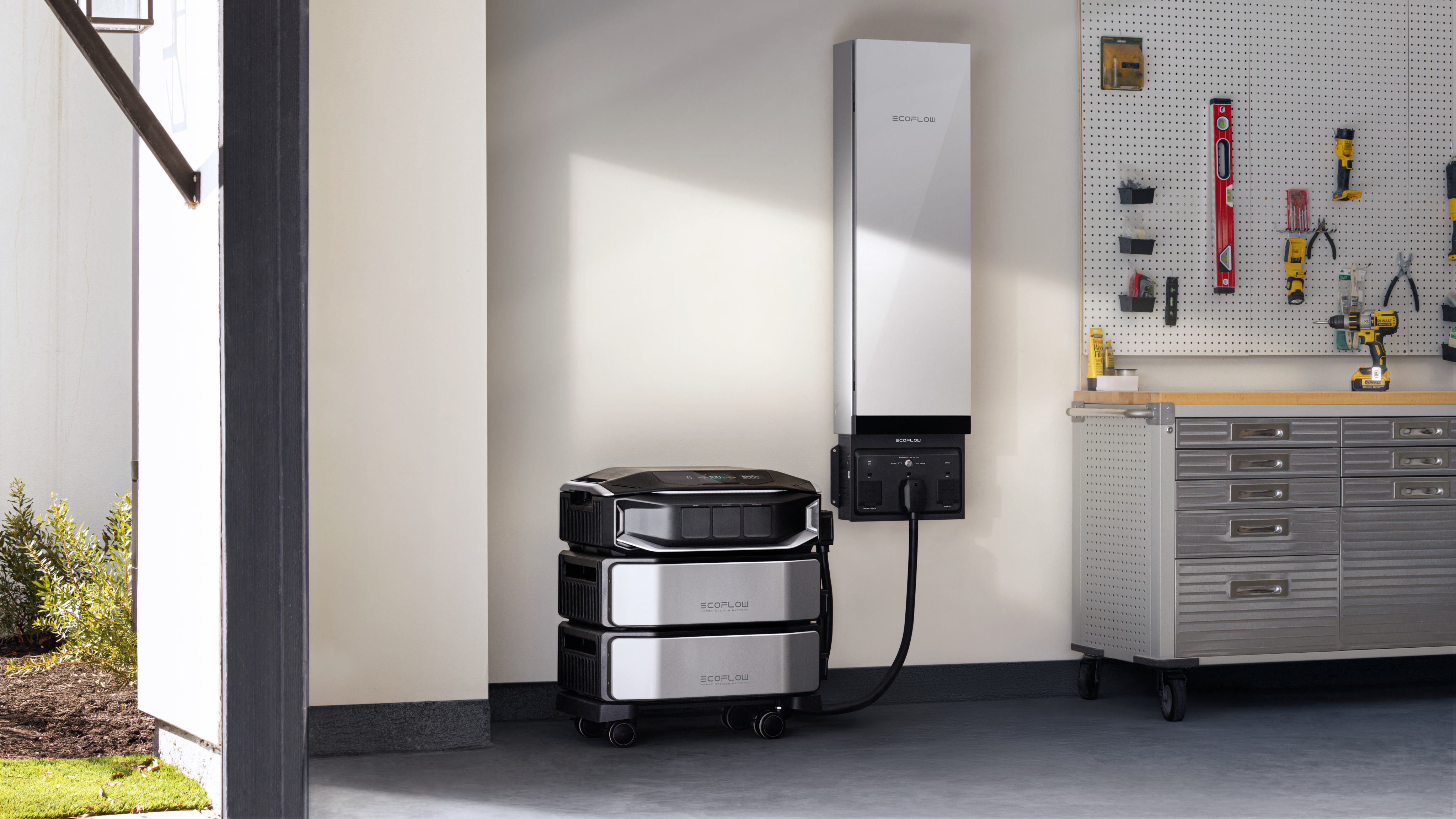
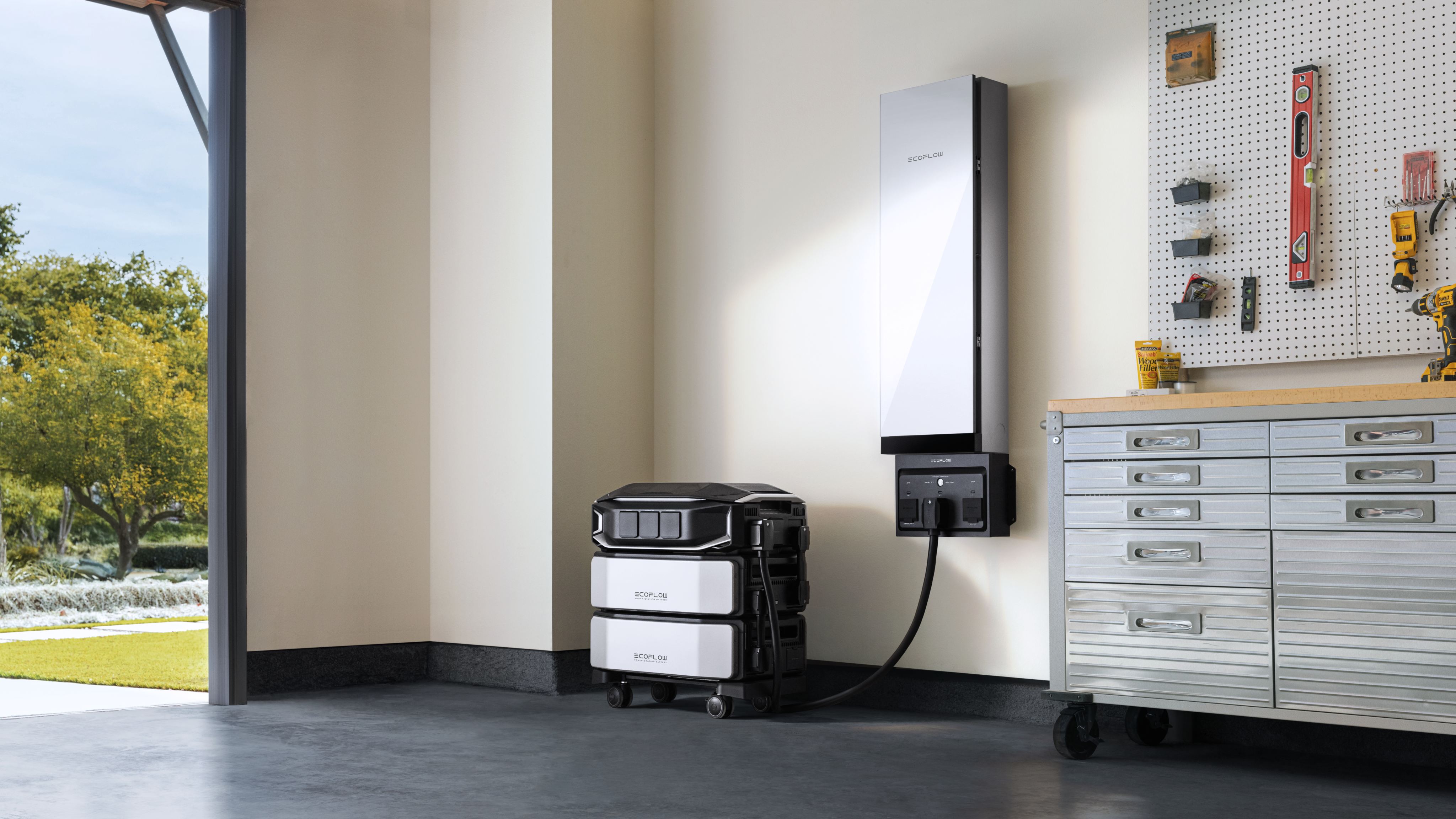
One way to truly modernize your setup is by adding a high-capacity system like the EcoFlow DELTA Pro Ultra X. This unit delivers 12kW of 120V/240V output, scalable up to 36kW, which means it can handle the high-power needs of a home EV charger while serving as a complete whole-home power system. With an expandable capacity ranging from 12kWh to 180kWh, it ensures that your house stays powered even during a blackout. This system acts as a smart energy buffer to help you avoid expensive peak-hour rates from the utility company.
Backup Battery Storage and EV Integration
A home battery system acts as a buffer between the power grid and your car. By storing electricity when utility rates are low—usually in the middle of the night—you can use that stored energy to power your home EV charger during the day when rates are high. This strategy is known as peak-shaving.
Battery storage also provides a safety net:
Emergency Charging: You can still add miles to your vehicle during a grid failure.
Grid Independence: Reduce your reliance on the local utility company.
Cost Savings: Lower your monthly bills by avoiding peak-hour pricing.
Surge Protection: Protect your sensitive EV home charger from sudden power-surges.
Solar Energy for Sustainable EV Charging
Rooftop solar panels are the ultimate partner for an EV home charger. An inverter is a device that changes the direct-current (DC) electricity produced by solar panels into the alternating-current (AC) electricity used by your home and car. When your solar system produces more energy than your house needs, that extra power can go straight into your vehicle.
Using solar power means your daily commute is truly carbon-neutral. To prepare for this, ensure your electrical panel has space for a solar breaker and an internet connection for the monitoring software. This setup turns your home into a self-sustaining power plant.
| Charging Level | Voltage Requirement | Amperage Needed | Installation Difficulty |
| Level 1 | 120V (Standard Outlet) | 12–16 Amps | Low (Plug and Play) |
| Level 2 | 240V (Heavy Duty) | 32–50 Amps | Medium (Requires Electrician) |
| DC Fast | 480V+ (Commercial) | 100+ Amps | High (Not for Residential) |
Comparing these levels helps you determine the best fit for your driving habits. Most residential users find that Level 2 is the perfect balance between speed and cost.
Modernize Your Home Energy Ecosystem
Upgrading your electrical system is the best way to ensure your transition to electric travel is smooth and safe. Investing in a professional home EV charger readiness assessment identifies potential issues before they become expensive problems. Taking action now allows you to enjoy the convenience of fast, reliable charging in the comfort of your own garage. Explore advanced energy storage and solar options to maximize your savings and achieve true energy independence. Start your journey toward a smarter, cleaner home.
FAQs
Q1. What Is the Difference Between a Level 1 and Level 2 Home EV Charger?
Like the outlet you use for a phone or a lamp, a Level 1 charger plugs into a standard 120V outlet. Although it is quite sluggish and may only increase range by 3 to 5 miles per hour, it does work. Like your dryer or oven, a Level 2 home EV charger requires a 240V outlet. Your car will be ready to go every morning thanks to its far faster charging, which usually adds 20 to 30 miles per hour.
Q2. How Long Does It Take to Fully Charge an EV at Home?
The type of charger you use will determine this. With a Level 1 charger, it can take more than 24 hours to fully charge your car. For most individuals, an overnight charge is sufficient because a Level 2 home EV charger reduces it to about 4 to 10 hours. Level 2 is nearly always the superior option for daily home charging if you drive a lot during the day.
Q3. Can I Charge My EV During a Power Outage?
If you only use the grid, no. Because it has no electricity to draw from, a typical home EV charger shuts off when the power goes out. However, you can still use stored energy to charge your automobile if your house has a battery backup system. This is one of the biggest reasons homeowners pair their EV setup with a solar storage or home battery installation.
Q4. Will Charging an EV at Home Raise My Electricity Bill?
Yes, but it is still much cheaper than paying for gas every week. EV charging at home is still far less expensive than weekly gas fill-ups. Charging at night, when electricity rates are frequently lower, is a simple approach to keep expenses down. You can use free solar energy to charge your automobile and further reduce your expenses if you have solar panels and a home battery system.
For press requests or interview opportunities, reach out to our media team
media.na@ecoflow.com