Hiking in Orlando: How to Stay Powered on the Trail
Walking along cypress swamps, boardwalks, and tall pine forests can feel peaceful…until your phone dies a few hours into the hike. Suddenly, navigation, communication, and photos are no longer an option.
The Florida heat and humidity notoriously drain batteries quickly, so you need to properly plan your hike with backup power to recharge your electronics.
Keep reading to learn why staying powered on Orlando trails matters, the core essentials for your power pack, and how to manage your power without running out.
Why Staying Powered on the Trail Matters
Staying connected on the trail is essential for navigation, communication, and safety. In areas like Orlando, heat and humidity can quickly drain batteries, making backup power especially important.
What It Means to Stay Powered While Hiking in Orlando
Staying powered while hiking means having enough battery life to rely on your device for the entire hike without risk of it dying.
You can use a smartphone as your primary navigation tool, utilizing GPS-based apps to track your route. GPS navigation is ideal for areas where thick tree hammocks and cypress swamps crowd the trail and landmarks needed for map navigation.
With a phone, you can also share your location and communicate when an emergency arises.
With Florida’s tropical climate, pop-up thunderstorms and rises in humidity can alter hiking plans. Mobile weather apps can send live notifications when conditions change so you can safely adjust your plans.
Core Power Essentials for Hiking Trips
Every hiking trip requires a reliable power setup. Understanding the combination of sources, smart energy use, and basic safety practices keeps your devices charged for when you need them most.
Power Sources, Energy Management, and Safety Basics
Power sources include your phone, a power bank, charging cables, and spare batteries.
Energy management is how you use those resources. Use airplane mode when you don’t need a signal, lower screen brightness, and close background apps to conserve battery.
Never rely on a single device. Bring a backup flashlight and a paper map, and protect electronics from heat and moisture.
Planning and Managing Power on the Trail
Effective power management begins before leaving home and continues throughout the hike. Planning ahead and adjusting device usage prevents unexpected battery loss.
Calculate how much power is needed based on the duration of the trip and expected device usage. Then match your portable bank size to your energy needs. Small portable banks that fit in your pocket are perfect for day hikes.
For longer trips or overnight stays, most hikers still rely on lightweight power banks while on the trail.
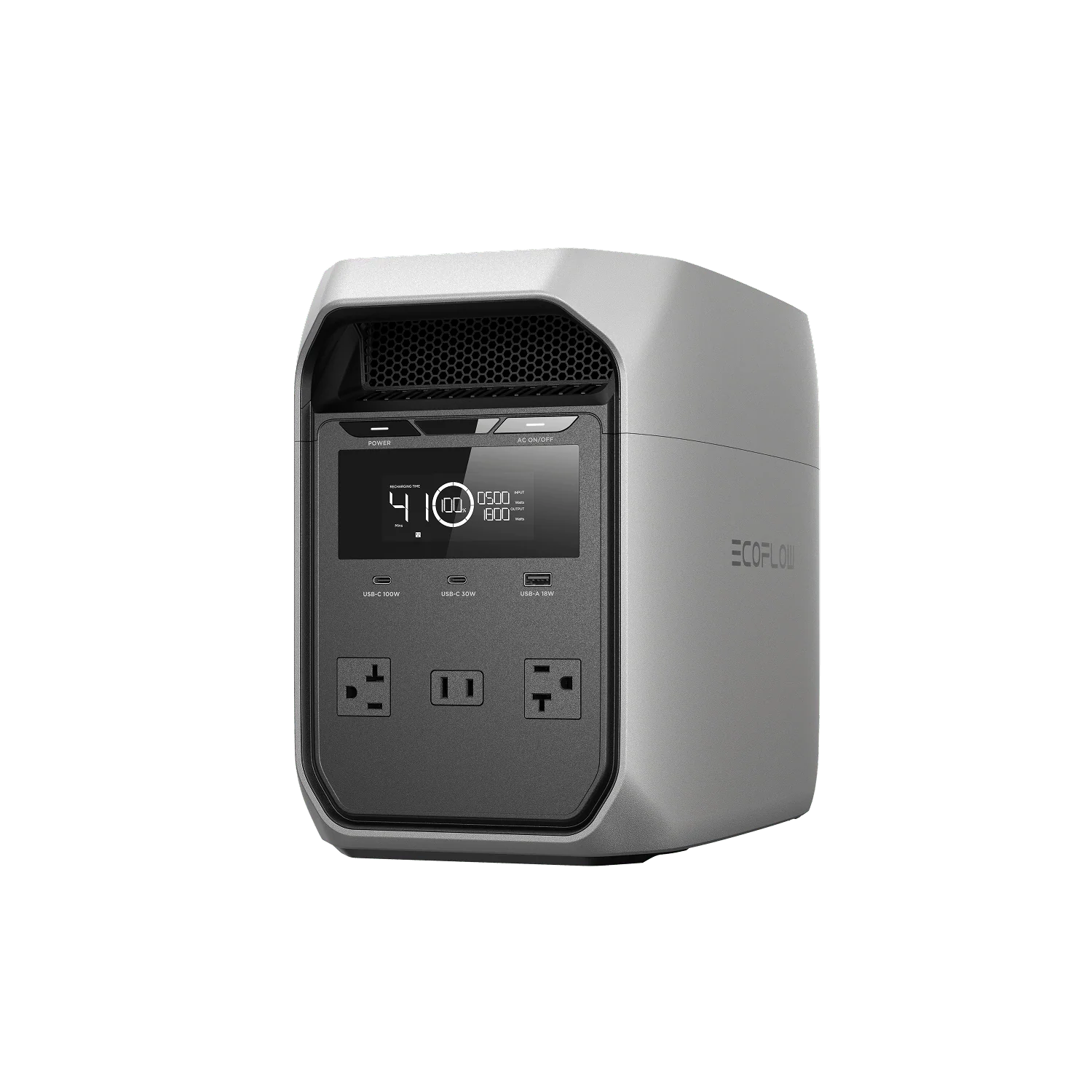
For basecamp setups or car-accessible hikes, higher-capacity systems like the EcoFlow DELTA 3 Classic can provide extended power for recharging devices and smaller batteries between outings.
While on the trail, adjust device usage if needed. Schedule check-ins with your phone instead of constant monitoring, keep all devices in a shaded pocket to reduce heat from the sun, and prioritize what gets charged and when.
The Benefits of Staying Powered While Hiking
Reliable power improves safety, builds confidence, and creates flexibility on the trail. With the right setup, you can navigate easily, pivot when needed, and enjoy a stress-free hike.
Safety, Independence, and a Better Trail Experience
Having reliable electricity on the trail allows you to respond to emergencies faster and with more options.
You can check weather updates in real-time and communicate with others if something goes wrong.
A charged device also means accessing GPS navigation if you get lost. Staying powered enables you to confidently explore new routes or extend your hike without worrying about losing navigation and relying on other hikers for assistance.
Plus, with backup power, you can capture photos and videos without worrying as much about conserving battery throughout your hike.
Staying connected throughout the trail provides peace of mind that all your devices will work when you need them, which leads to a more relaxed and enjoyable hike.
Modern Portable Power Solutions for Hiking
Modern portable power solutions for hiking focus on durability, efficiency, and minimal weight.
Lightweight, high-capacity portable banks provide charging without adding bulk to your hiking pack. Many types today include fast-charging and multi-device outputs, so a GPS, phone, and headlamps can be recharged at the same time.
For longer trips, the total available power is limited by battery capacity. But adding additional capacity can increase the bulk and weight of the portable station.
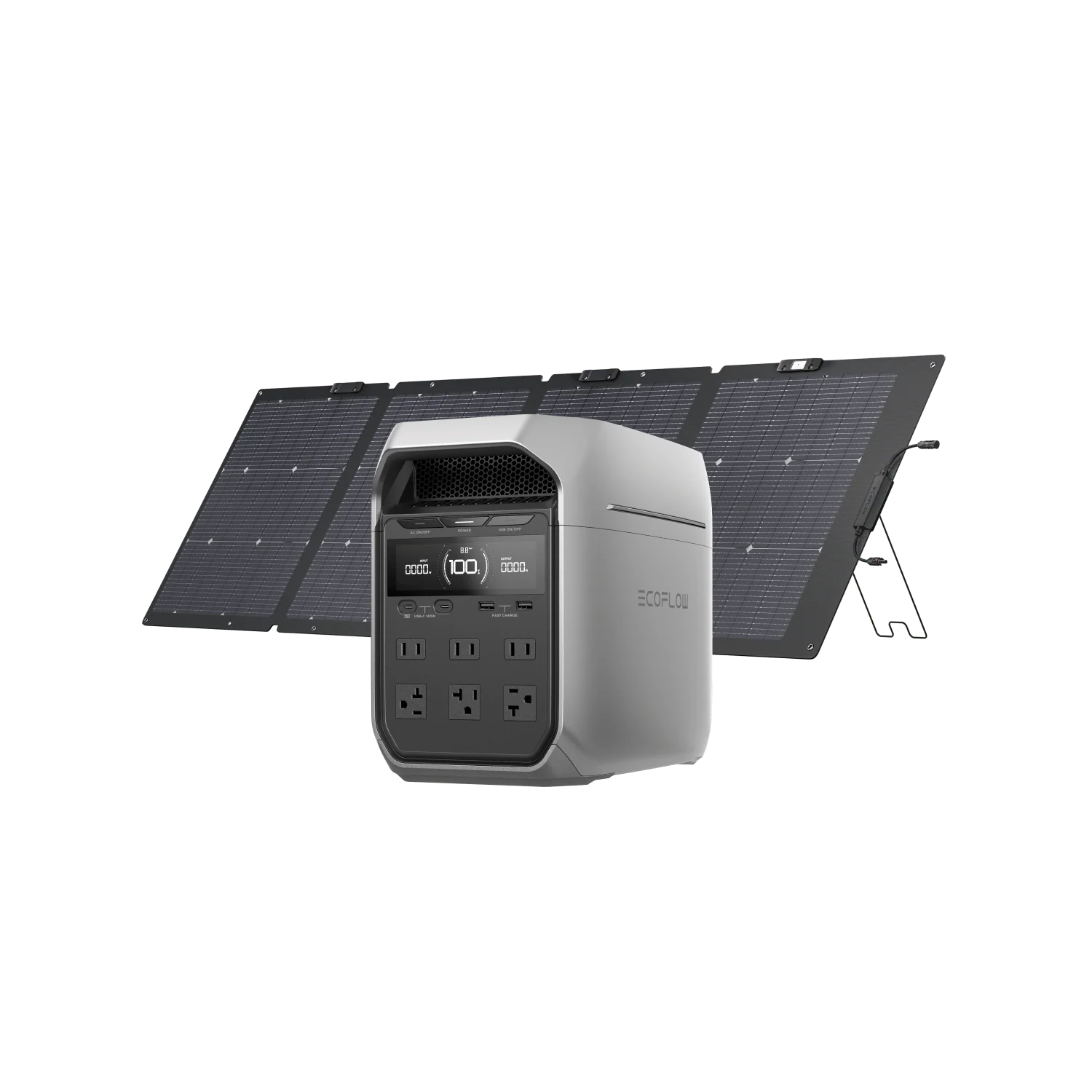
Portable solar panels can provide supplemental charging in sunny conditions, especially during breaks or at basecamp. While not always reliable in shaded or forested areas, they can help extend available power on longer trips.
Frequently Asked Questions
How Much Power Do I Need for a Day Hike Vs a Multi-day Hike?
For a day hike, a fully charged smartphone can be sufficient with proper use management. For high use, a small portable power bank provides enough juice for a full smartphone recharge. Multi-day hikes require more power with a portable power station. It can last many days, especially when paired with solar panels.
Are Solar Chargers Reliable for Hiking Trips?
Solar chargers can be useful for hiking trips, especially during longer outings with consistent sun exposure. They typically work best as a supplemental power source rather than a primary one.
Stay Powered on Orlando’s Trails with Confidence
With the Florida heat and humidity, your device batteries will run out faster than normal. It’s important to bring backup power with you for safety and navigation. You need to bring a power source like a power bank and manage energy consumption. If you notice power running low, prioritize which devices to charge first, switch phones to airplane mode, and reduce device usage.
For longer or multi-day trips, basecamp-ready solutions like the EcoFlow DELTA 3 Classic can provide reliable, high-capacity power for recharging your essential devices between hikes.
For press requests or interview opportunities, reach out to our media team
media.na@ecoflow.com