How to Prepare for a Hiking Trip: Essential Gear & Safety Tips
From alpine switchbacks in the Rockies to breezy shoreline paths along the California coast, hiking has become a defining part of the American outdoor routine. It’s no longer just a weekend hobby; it’s how many people reset, explore, and stay active. Whether you’re mapping out a few days in Zion National Park or squeezing in a short trail loop close to home, knowing how to prepare for a hiking trip can make or break the experience. This guide walks through the essentials, helping you step onto the trail prepared, comfortable, and ready to enjoy every mile instead of just surviving it.
Why Hiking Is Gaining Popularity Across the U.S.
Hiking has exploded in popularity nationwide, with millions of Americans heading to trails each year. Step into an REI or a local outfitter in places like Colorado, Utah, or Washington, and you’ll see beginners and seasoned hikers gearing up side by side. The appeal goes far beyond fresh air. Hiking checks multiple boxes at once, which helps explain why so many people are trading screens and sidewalks for dirt paths and switchbacks.
Health Benefits and Physical Fitness
Hiking delivers a full body workout without the joint strain of many high-impact sports. Uneven terrain naturally activates stabilizing muscles in the legs, core, and ankles while improving balance and coordination. Elevation changes boost cardiovascular health, and consistent trail time helps strengthen bones. Unlike a treadmill, the varied scenery and terrain keep the experience engaging, making it easier to stay active without it feeling like forced exercise.
A Break from Screens and City Noise
Daily life is dominated by notifications, emails, and constant connectivity. Hiking offers a rare chance to step away from that noise. Trading phone alerts for birdsong and traffic for flowing creeks creates a mental reset that’s hard to replicate indoors. For many people, time on the trail is the most effective way to disconnect from technology and slow the pace of the day.
Mental Clarity and Stress Relief
Spending time outdoors has measurable mental health benefits. Research consistently links time in natural environments to lower stress levels and improved focus. A quiet trail provides space to think, reflect, and reset, which is why many hikers describe it as therapy without the appointment. Even a short hike can help restore perspective after a demanding week.
Affordable and Easy to Access
Hiking remains one of the most accessible outdoor activities in the country. Unlike sports that require expensive gear, lift tickets, or certifications, hiking can start with minimal investment. With vast networks of public land, state parks, and National Forests, often accessible for a small parking fee or an annual America the Beautiful Pass, it’s one of the most cost-effective ways to explore the country’s landscapes, from deserts to mountains to coastal trails.
How to Plan a Hiking Trip
When it comes to preparing for a hiking trip, good planning matters just as much as good gear. A safe, enjoyable hike usually starts at home, not at the trailhead. Spending time on research upfront helps you avoid common mistakes and sets realistic expectations for the day.
Choose the Right Hiking Trail
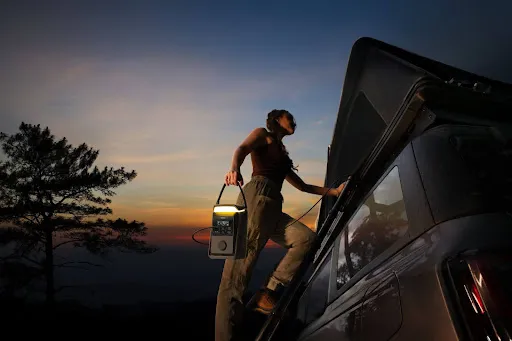
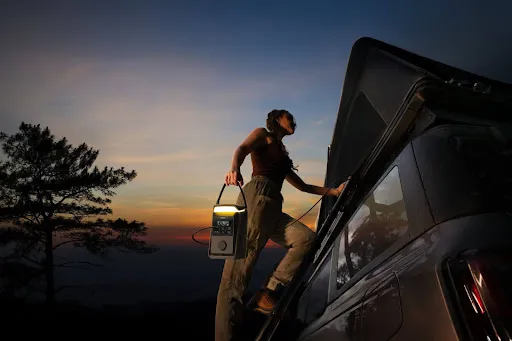
Start by being honest about your current fitness level and hiking experience. Trail apps like AllTrails or Gaia GPS are useful for checking distance, elevation gain, and recent user reviews. If you’re newer to hiking, stick to trails rated “Easy” or “Moderate.” Steep climbs and long mileage can look great on social media, but tackling a trail beyond your ability often turns an enjoyable outing into a frustrating or unsafe situation.
Pick the Best Time to Go
Timing can make or break a hike. In desert regions such as Arizona, Utah, or Southern California, early morning starts are essential to avoid extreme midday heat. In places like the Pacific Northwest or New England, snowpack, muddy conditions, or late-season ice can linger well into spring. Always check the NOAA forecast for the trail’s elevation, not just the nearby town, since mountain weather can change quickly. This is especially important for those transitioning between summer treks and winter activities, where snowpack, muddy conditions, or late-season ice can linger well into spring.
Set a Realistic Budget
Even though hiking is often low-cost, there are expenses to consider. Fuel, park entry fees, and permit costs for popular destinations like Havasupai Falls or the Enchantments can add up. Quality gear may cost more upfront, but it usually lasts longer and reduces the risk of injuries or discomfort that could cut trips short.
Creating a Packing List
Don’t rely on memory... A written checklist helps ensure you bring the essentials, including navigation tools, sun protection, extra layers, a power bank for your phone, lighting, first-aid supplies, food, water, and an emergency shelter. Forgetting a headlamp or extra water can turn a minor inconvenience into a serious problem.
Plan Your Hiking Schedule
Estimate your pace realistically. A common guideline is about two miles per hour on flat terrain, plus an extra 30 minutes for every 1,000 feet of elevation gain. Build in time for breaks, meals, photos, and unexpected delays. Planning a buffer ensures you’re not racing the sunset or hiking back to the car in the dark, which is when most accidents happen.
What to Bring Hiking
Choosing the right gear is one of the most important parts of preparing for a hiking trip. The goal is simple: bring what you truly need, leave what you don’t. Being prepared keeps you safe and comfortable, while keeping pack weight reasonable helps you enjoy the miles instead of fighting fatigue.
1. Essential Hiking Gear
Your footwear matters more than almost anything else. A solid pair of broken-in hiking boots or trail runners provides traction, ankle support, and protection on uneven terrain. Pair them with a well-fitted backpack that includes a padded hip belt to shift weight off your shoulders. Even with smartphones and GPS apps, a paper map and a basic compass are still essential backups if technology fails.
2. Clothing for Changing Weather
One of the oldest hiking rules still holds true: cotton is a bad choice. It absorbs moisture and dries slowly, which can lead to chills or even hypothermia. Instead, dress in layers using moisture-wicking synthetic fabrics or merino wool. Always carry a lightweight waterproof shell. The weather can change fast in the mountains, even on days that start clear and warm.
3. Hydration and Nutrition
Running out of water is one of the most common hiking mistakes. Plan to carry at least half a liter of water per hour of moderate hiking, more in hot or high altitude conditions. For food, focus on calorie-dense options that don’t take up much space, such as trail mix, jerky, protein bars, or energy gels. On longer hikes, a compact water filter like the Sawyer Squeeze can make the difference between turning back early and finishing strong.
4. Safety and First Aid
Every pack should include a basic first aid kit. Blister care items like moleskin, antiseptic wipes, bandages, and pain relievers cover the most common trail issues. Just as important as packing these items is knowing how to use them, especially when you’re miles from the nearest trailhead.
5. Essential Electronic Devices & Power Sources
In today’s backcountry, your phone often doubles as a GPS, camera, and emergency lifeline. The downside is that navigation apps and weak signal areas drain batteries quickly.
For single-day hikes: The EcoFlow RAPID Power Bank is ideal for light and fast trips. Its built-in retractable cable eliminates extra cords, and its compact size makes it easy to stash in a side pocket while keeping your phone topped up throughout the day.
For multi-day trips: Longer adventures require more capacity. The EcoFlow TRAIL Series DC Portable Power Station is designed for outdoor use, offering a strong balance of lightweight design, durability, and fast USB-C charging. Its IP54 rating helps protect against dust and splashes, making it reliable for extended time on the trail.
6. Small Items That Matter
A few lightweight extras can greatly improve your experience. A multi-tool helps with quick gear fixes, a loud whistle can be used for emergency signaling, and a thin sit pad lets you take breaks without sitting on wet ground or cold rock. These small comforts often make long days on the trail far more enjoyable.
How to Stay Safe During a Hiking Trip
Staying safe on the trail isn’t just about what’s in your pack. It’s about awareness, pacing, and making smart decisions as conditions change. Most hiking mishaps happen because of rushed choices, fatigue, or small details being ignored.
1. Pace Yourself and Take Regular Breaks
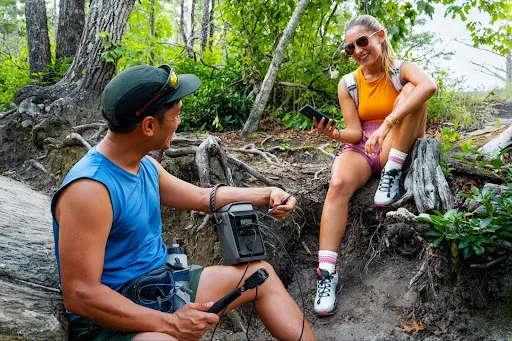
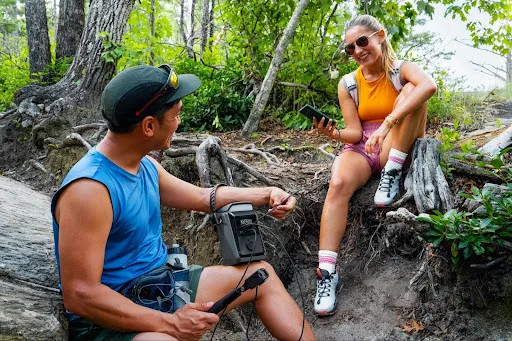
Hiking rewards consistency, not speed. Start at a comfortable pace to warm up your legs and lungs, especially in the first mile. Plan for short breaks every hour to drink water, eat a quick snack, and check your feet for hot spots before blisters form. Slowing down early often means finishing strong.
2. Avoid Getting Lost
Stick to established trails and watch for blazes on trees, trail signs, or rock cairns. If the path suddenly becomes unclear, stop right away. Pushing forward “just a little farther” is how people get turned around. Backtrack to the last obvious marker instead of cutting through brush or guessing your way forward.
3. Make Sure Someone Knows Your Plan
Before you leave, tell a trusted person exactly where you’re hiking and when you expect to be back. Set a clear check-in time so they know when to call for help if they don’t hear from you. This simple step has helped rescue teams locate hikers countless times.
4. Watch Your Footing, Especially on the Way Down
Downhill sections are when most injuries occur. Loose gravel, exposed roots, and wet rocks demand your attention, even when you’re tired. Take your time, shorten your stride, and avoid rushing descents. A steady pace is far safer than trying to save a few minutes.
5. Protect Yourself from Weather and Sun
Sun exposure is more intense at elevation, even on cool or overcast days. Apply high SPF sunscreen, wear sunglasses, and use a hat to reduce heat stress. In exposed areas, dehydration and sunburn can sneak up faster than expected.
6. Know Who to Call in an Emergency
Before losing cell service, save or screenshot the contact information for the local ranger station or Search and Rescue team. In an emergency, having the right number ready can save valuable time when every minute matters.
Other Tips for a Better Hiking Trip
If you want your hike to feel smooth, confident, and well-paced rather than rushed or uncomfortable, a few small habits can make a big difference. These are the kinds of details experienced hikers swear by.
1. Download Maps Before You Leave
Cell service drops fast once you leave town. Before heading out, download offline maps on apps like AllTrails or Google Maps while you still have Wi-Fi. That way, you’re never dependent on a signal to confirm your route or location.
2. Dress for Weather That Changes
Conditions can shift quickly, especially in the mountains. Stick to the classic three-layer system: a moisture-wicking base layer, an insulating mid-layer like a fleece or lightweight puffy, and an outer shell for wind or rain. This setup lets you adjust easily as temperatures rise or fall.
3. Take Care of Your Feet Before the Trail
It sounds simple, but trimming your toenails before a hike can save you real pain. On long descents, untrimmed nails repeatedly hitting the front of your boots can lead to bruising and soreness that ruins the rest of the trip.
4. Use Trekking Poles When Terrain Gets Tough
Hiking poles aren’t just for steep climbs or older hikers. They reduce strain on your knees, improve balance on uneven ground, and add stability during stream crossings or loose gravel sections. Many hikers notice less fatigue by the end of the day.
5. Follow Leave No Trace Principles
America’s trails stay beautiful only if everyone does their part. Pack out everything you bring in, including food scraps and tissues. Keep a respectful distance from wildlife, stay on established trails, and leave rocks, plants, and natural features exactly where you found them.
Conclusion
Hiking offers a rare chance to slow down and experience the outdoors on its own terms, whether that’s a quiet forest trail or a wide-open mountain ridge. With solid planning, smart safety habits, and gear you trust, the trail becomes a place to recharge rather than worry. Having dependable essentials, including a portable power option like the EcoFlow Trail 200 to keep maps, GPS, and emergency contacts available, adds another layer of confidence. When preparation meets the right equipment, you’re free to focus on the views, the movement, and the simple satisfaction of being out there.
FAQ
1. Where Can I Go Hiking?
The United States offers an incredible range of hiking terrain. You can start with well-known destinations in the National Park System, such as Yosemite or the Great Smoky Mountains, but State Parks and local favorites like Great Falls Hiking are often a great alternative with fewer crowds. But State Parks are often a great alternative with fewer crowds. For those looking for a more rugged or remote experience, National Forests and Bureau of Land Management (BLM) lands provide millions of acres of open-access trails and dispersed hiking opportunities. Apps like Hiking Project and the official NPS App make it easy to find nearby trails and trailheads wherever you are.
2. What Is the Golden Rule of Hiking?
While Leave No Trace is the ethical foundation of hiking, the practical “golden rule” on the trail is that uphill hikers have the right of way. Climbing requires more effort, and stopping mid-ascent makes it harder to regain momentum. If you’re hiking downhill and encounter someone working their way up, step aside when it’s safe and let them pass. More broadly, always hike prepared and self-sufficient, never depend on other hikers for essentials like water, navigation, or emergency gear.
3. How Many Miles Is Considered a Good Hike?
There’s no universal answer, since a “good” hike depends on fitness level, terrain, and elevation gain. For beginners or families, a 3 to 5-mile round trip is a solid and rewarding outing. Intermediate hikers often aim for 8 to 12 miles in a day. For those embarking on multi-day thru-hikes or base-camp adventures, carrying a lightweight portable power station ensures that your essential electronics and high-powered GPS units remain functional regardless of the distance from the nearest outlet.
4. What Is Hiking Etiquette?
Good trail etiquette comes down to respect for others and the environment.
Sound: Keep conversations low and avoid Bluetooth speakers; most hikers come for the quiet.
Passing: When overtaking someone, wait for a safe, wide section and clearly say, “On your left.”
Animals: Hikers yield to horses and pack animals. While cyclists are technically required to yield to hikers, stepping aside is often the safer option.
Wildlife: Never feed wild animals. It disrupts natural behavior and can create dangerous situations for both animals and people.
5. What Kind of Pants Should I Wear for Hiking?
Denim jeans are widely considered a poor choice for hiking. When wet from sweat or rain, they become heavy, abrasive, and slow to dry, increasing the risk of chafing or hypothermia. Instead, choose technical hiking pants made from nylon or polyester blends. Look for features like four-way stretch for mobility, reinforced knees for rough terrain, and a DWR (durable water repellent) finish. Zip-off convertible pants are also popular in the U.S., especially for hikes that start cool and warm up quickly by midday.
For press requests or interview opportunities, reach out to our media team
media.na@ecoflow.com