Glacier National Park Camping 2026: Off-Grid Power Guide
- Why Is Off-Grid Power Essential for Camping in Glacier National Park?
- What Are the Camping and Power Rules in Glacier National Park for 2026?
- What Power Challenges Do Glacier Campers Face?
- What Devices and Gear Need Power at Your Campsite?
- How Do Portable Power Stations Solve Glacier's No-Hookup Camping?
- How Can Solar Panels Extend Your Power Supply in the Backcountry?
- How Do You Plan Power for a Multi-Day Glacier Camping Trip?
- Frequently Asked Questions
- Off-Grid Power Keeps Your Glacier National Park Camping Trip Reliable and Uninterrupted
Glacier National Park's campgrounds sit deep in Montana's backcountry, far from any outlet. If you're planning a trip here in 2026, you'll need a plan for keeping your devices charged from the moment you arrive until the moment you leave. Here's what to know before you go.
Why Is Off-Grid Power Essential for Camping in Glacier National Park?
Glacier's campgrounds are intentionally undeveloped. There's no cell coverage across most of the park's interior, so your phone becomes your flashlight, your camera, and your emergency contact all at once, and each of those uses drains the battery faster than a weekend charge can handle. Add a cooler, a headlamp, and maybe a camera for the wildlife you came to see, and a single power bank won't get you through more than a day or two.
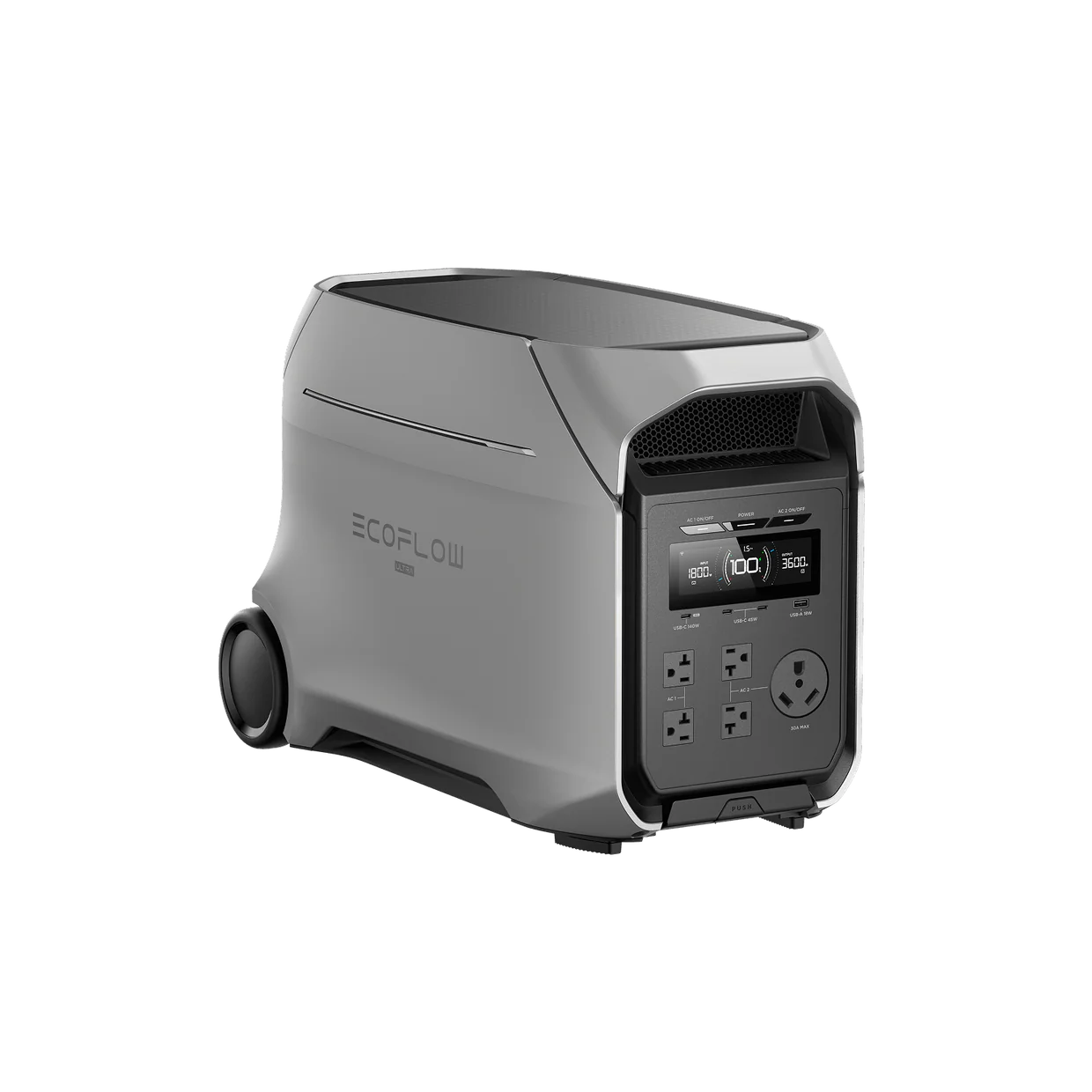
The EcoFlow DELTA 3 Ultra Plus (3072Wh) gives you enough reserve capacity to run that whole lineup for several days without needing to find an outlet, which doesn't exist at any developed site in the park anyway.
What Are the Camping and Power Rules in Glacier National Park for 2026?
For the 2026 season, most of Glacier's front-country campgrounds, including Many Glacier, Fish Creek, and St. Mary, have moved to a fully reservation-only system, with sites released on a rolling six-month window. Backcountry campers need a wilderness permit through Recreation.gov, and permits are tied to specific dates, sites, and group sizes, so there's little room for improvising a longer stay if your gear runs out of power early.
Generators are also restricted or banned outright in most campgrounds and all backcountry zones, which rules out the option many RV campers rely on elsewhere.
What Power Challenges Do Glacier Campers Face?
Every device you bring needs its own power plan, and the trip length you can manage depends entirely on how much capacity you're carrying in. Cold nights in the shoulder season also pull more from batteries than mild summer weather does, so a power station that felt like plenty in July can come up short in a September cold snap.
What Devices and Gear Need Power at Your Campsite?
Phones, GPS, and Navigation Devices
Your phone or a dedicated GPS unit becomes essential for staying on trail and checking in with your group. These devices sip power individually, but heavy trail use over several days adds up.
Camp Lighting and Lanterns
Rechargeable lanterns and headlamps beat disposable batteries for a multi-day trip, especially once you factor in how much trash spent batteries create in a place with no trash service at backcountry sites.
Coolers and Portable Refrigeration
A powered cooler keeps food safe longer than ice alone, which matters in bear country where you're already storing food carefully. Refrigeration is also one of the steadier power draws at a campsite, running continuously rather than in short bursts.
Cameras and Recording Gear
Glacier draws photographers chasing mountain light and wildlife, and camera batteries drain fast in cold, high-altitude air. Carrying spares helps, but a way to recharge them mid-trip means you're not rationing shots on your last full day.
How Do Portable Power Stations Solve Glacier's No-Hookup Camping?
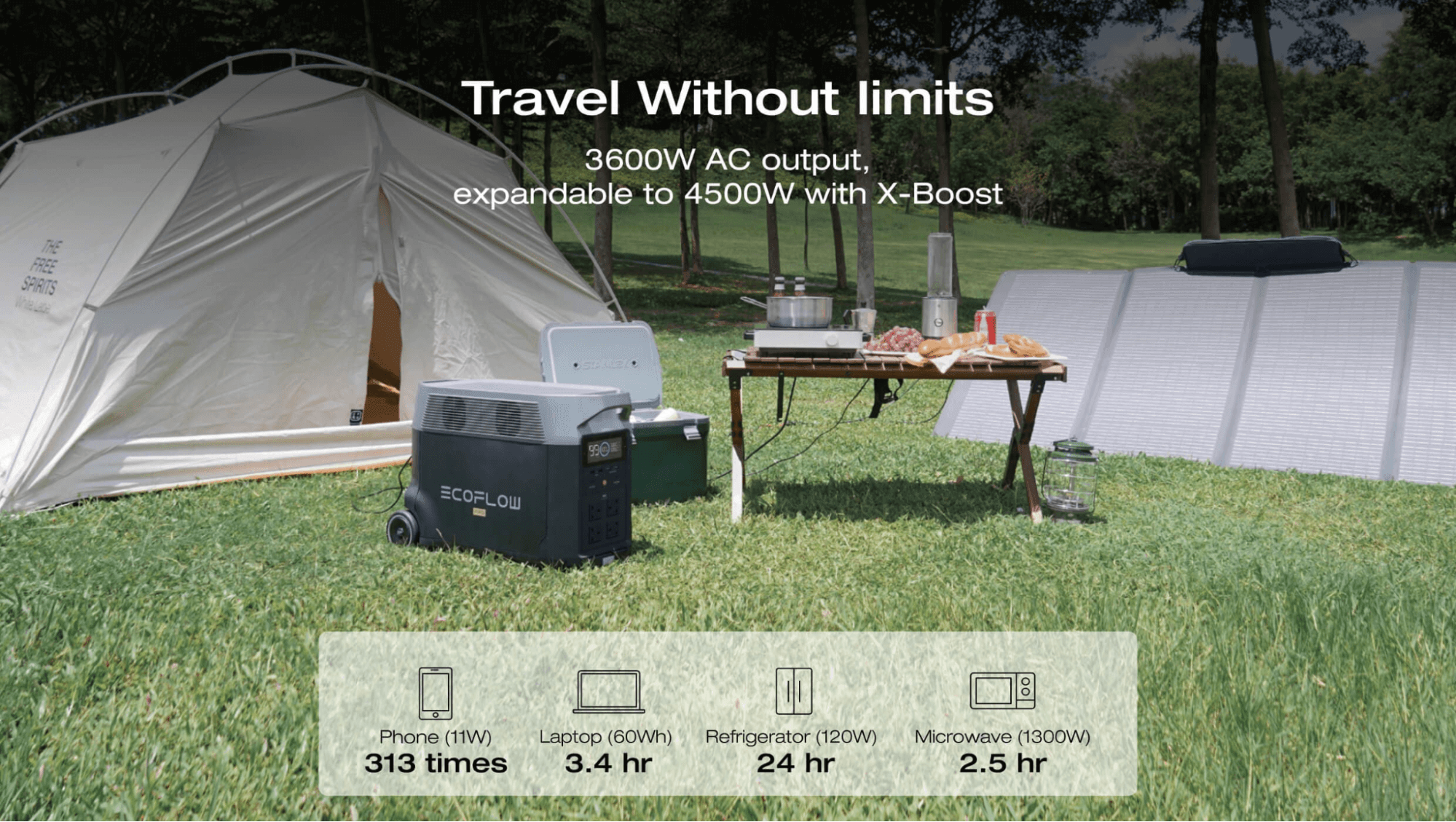
A portable power station sidesteps the hookup problem by carrying your electricity in with you instead of drawing it from the site. For car camping or a base camp near the trailhead, something like the EcoFlow DELTA Pro Portable Power Station + 400W solar panel covers a cooler, lighting, and charging for a group across several days, without the noise or fuel logistics of a generator.
It's a similar setup to what works well for Rocky Mountain National Park camping, where hookups are equally absent and weather swings just as fast.
How Can Solar Panels Extend Your Power Supply in the Backcountry?
Pairing a power station with a solar panel means you're not relying on a single charge to last the whole trip. Glacier's long summer daylight hours, especially at higher elevations, give panels plenty of time to top off a battery between hikes. This matters most on trips longer than three or four days, when even a large power station's stored capacity starts to run down and a few hours of afternoon sun can mean the difference between finishing charged or running dark.
How Do You Plan Power for a Multi-Day Glacier Camping Trip?
Start by listing every device you'll bring and roughly how many watt-hours each one uses per day, then add a buffer for cold weather, which reduces battery efficiency. Car campers and those near a trailhead have more flexibility to bring a larger station, while backpackers headed into the wilderness need to weigh capacity against pack weight.
The same planning approach applies whether you're headed to Glacier or working through the power needs for Zion National Park camping, which faces similar constraints. If you're still nailing down your itinerary, a broader look at Glacier camping logistics can help you match your route to your power setup before you head out.
Frequently Asked Questions
Are There Electrical Hookups at Glacier National Park Campgrounds?
No. None of Glacier's developed campgrounds offer water, sewer, or electrical hookups, and running your own connection to any of these services is prohibited throughout the park. Every camper, whether in a tent or an RV, needs to bring self-contained power, water, and waste solutions for the length of their stay.
What Size Portable Power Station Do You Need for Glacier Camping?
It depends on your devices and trip length. A weekend car camping trip with phones, lights, and a cooler typically needs 1,000 to 1,500Wh of capacity. Longer stays, larger groups, or trips that include a powered cooler running continuously call for something closer to 3,000Wh, plus a solar panel to recharge between days.
Off-Grid Power Keeps Your Glacier National Park Camping Trip Reliable and Uninterrupted
Glacier's no-hookup, no-generator rules mean your power supply rides in with you or not at all. The trip that goes smoothly is the one where you've already sized your gear to your itinerary well before you reach the trailhead.
If you're weighing options for a multi-day stay, the EcoFlow DELTA 3 Ultra Plus (3072Wh) is worth a look for keeping a full device lineup running from your first night at Many Glacier to your last morning coffee at Two Medicine.
For press requests or interview opportunities, reach out to our media team
media.na@ecoflow.com