Food Truck Festival: What Vendors Should Prepare for Hot Outdoor Events
- What Is a Food Truck Festival?
- What Should Vendors Check Before Joining a Food Truck Festival Near Me?
- How Can Vendors Build Faster Customer Flow at a Hot Food Truck Event?
- How Should Vendors Manage Food Safety, Cooling, and Staff Heat?
- How Can Vendors Prepare POS, Small Devices, and Backup Power?
- What Should Vendors Pack for a Final Food Truck Festival Checklist?
- Keep Your Food Truck Festival Setup Powered and Ready
- FAQs
A busy food truck festival can turn a strong menu into a stressful shift when heat, long lines, limited outlets, and changing weather arrive together. Vendors need a setup that protects food, keeps payments moving, supports staff safety, and helps customers order quickly. Smart planning before a hot outdoor food truck event can protect sales, service speed, and team confidence.
What Is a Food Truck Festival?
A food truck festival is an outdoor or semi-outdoor event where multiple food trucks, drink vendors, dessert stands, and pop-up food booths serve customers in one shared venue. For vendors, the setting brings strong sales potential, shared site rules, and tight operating pressure.
Customers often arrive in waves, compare several menus at once, and expect fast ordering. Site conditions can also vary by location, including grass, asphalt, gravel, limited shade, shared power, strict load-in rules, and changing weather. Those details affect how a booth handles orders, food safety, payment, staff comfort, and small-device power.
A successful food truck festival setup connects food quality with speed, safety, and site readiness. The goal is simple: serve well, stay safe, and keep the line moving.
What Should Vendors Check Before Joining a Food Truck Festival Near Me?
When searching for a food truck festival near me, look past booth fees and expected attendance. A high-traffic event can still create problems if the site rules, power access, and permit requirements do not fit your operation.
Check the vendor packet first. Review booth size, load-in route, parking rules, service hours, teardown time, trash disposal, water access, and any limits on signage or tents.
Confirm food category overlap. Ask how many vendors will sell similar food. Heavy overlap can affect prep volume, pricing, and menu strategy.
Review power access. Confirm outlet distance, allowed wattage, plug type, shared access, cord-cover rules, and policies for portable power stations or solar panels.
Verify food permit requirements. Temporary food rules often include handwashing setup, sanitizing supplies, temperature control, food protection, and inspection timing.
Plan for site conditions. Grass, gravel, asphalt, parking lots, and sloped spaces can affect leveling, cord placement, signage, staff comfort, and customer flow.
Good event selection saves money and prevents last-minute stress. A vendor who checks rules early can build the right setup before the event day.
How Can Vendors Build Faster Customer Flow at a Hot Food Truck Event?
A hot food truck event rewards speed and clarity. Customers are often hungry, warm, and comparing several menus, so each part of the booth should reduce hesitation.
Keep Menu and Signage Easy to Read
A short menu helps customers decide before they reach the window. For a hot food truck festival, 3 to 6 core items often work well because the kitchen can move faster and staff can answer fewer repeated questions.
Use large lettering, clear prices, and simple names. Mark best sellers, cold drinks, vegetarian items, spicy items, and common allergen cues where appropriate. QR codes can help, but crowded venues may have weak service. A printed menu board protects the line when phones load slowly.
Separate Ordering, Payment, and Pickup
Use clear “Order Here” and “Pick Up Here” signs with high-contrast lettering. If space is tight, place the pickup area at the side of the truck or the edge of the booth.
Order numbers, names, or short ticket codes help customers step away from the window after paying. During peak hours, keep one person on payment when possible and another person calls orders or handing off food.
Move Condiments and Trash Away From the Window
Sauce, napkins, utensils, straws, and trash should sit near the exit side of the customer path. This keeps people from stopping in front of the service window after pickup.
A faster line does not always require extra staff. Often, better sign placement and cleaner customer flow create the biggest improvement.
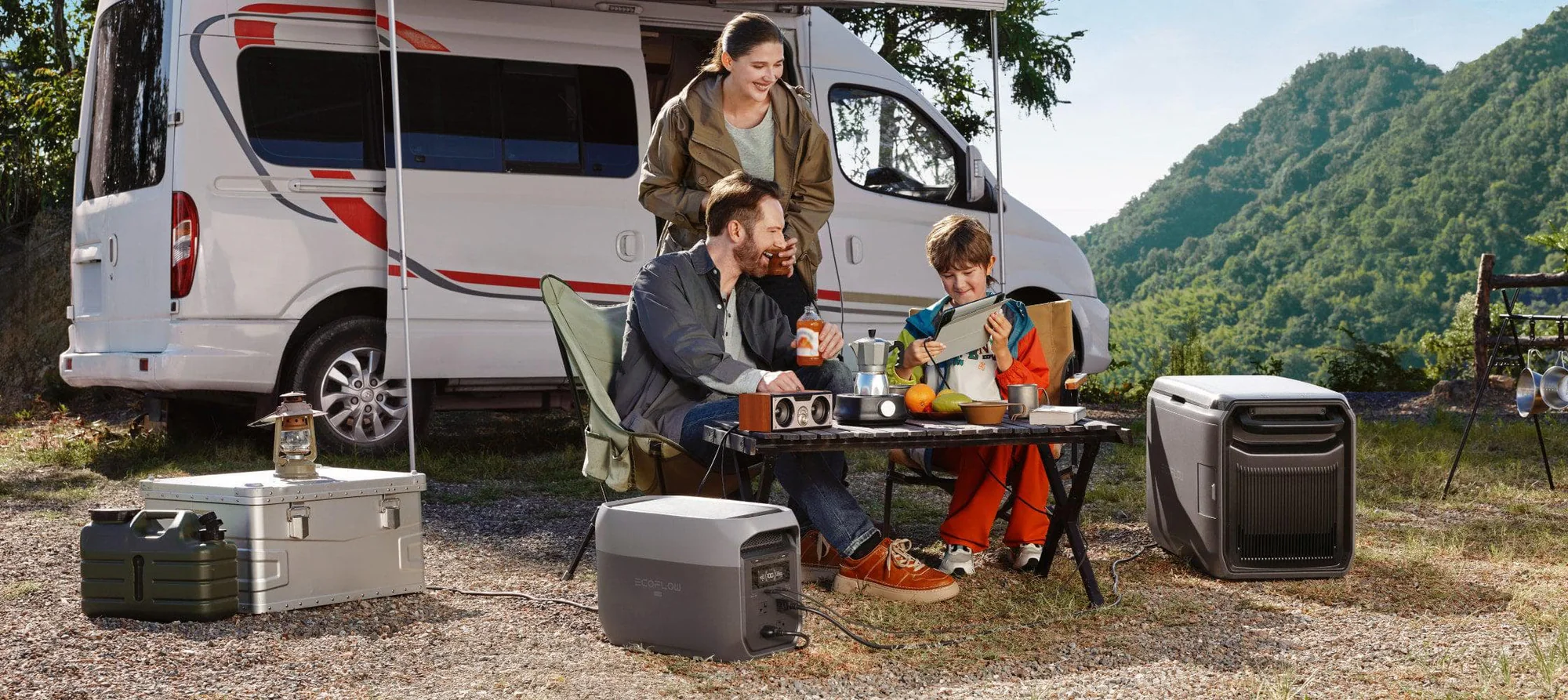
How Should Vendors Manage Food Safety, Cooling, and Staff Heat?
Hot outdoor events create two connected risks: food can warm too quickly, and staff can overheat during long service periods. Both need planning before the first customer arrives.
Keep Food Temperatures in the Safe Range
Temperature control is the backbone of hot-weather vending. Cold foods generally need to stay at or below 40°F, and hot foods at or above 140°F under general food-safety guidance. Food left in the temperature danger zone can become unsafe faster during outdoor heat.
Use probe thermometers, temperature logs, and separate storage for ingredients and drinks when possible. Frequent cooler openings can raise temperatures, so drinks should sit in a separate cooler when the booth has room.
Protect Food, Packaging, and Utensils
Keep ready-to-eat items, toppings, utensils, containers, straws, and napkins covered from dust, insects, rain, and customer contact. Store paper goods in lidded bins or sealed totes.
Follow the exact limits in the event packet and local food rules. Many temporary food programs use 41°F or below for cold potentially hazardous foods and 135°F or above for hot potentially hazardous cooked foods.
Plan Shade, Cooling, and Hydration for Staff
Heat can quietly slow service. Workers may keep going through thirst, dizziness, cramps, nausea, or headache because the line is long.
Place cool drinking water where staff can reach it quickly. For long shifts with heavy sweating, add electrolyte drinks or salty snacks to the staff station. Build in shade breaks, rotate roles, and use rest and water breaks before symptoms appear.
A small fan near the POS area or staff rest zone can improve comfort when air movement is safe and practical. Shade over the order point also helps customers stay patient while waiting.
How Can Vendors Prepare POS, Small Devices, and Backup Power?
Small devices can decide the pace of a food truck festival. A dead card reader, a weak phone battery, a dim menu screen, or a powerless label printer can slow the line and frustrate customers.
Pack these power-dependent essentials:
POS tablet and card reader
Phone and charging cable
Mobile hotspot
Receipt printer or label printer
LED task light or menu light
Small fan for the POS area or staff station
Compact menu display or small screen
Spare cords, adapters, and cable labels
Cash bank for backup payment
Dry storage bag for electronics and cables
When outdoor outlets are limited, a portable power station can support business-critical small devices. EcoFlow DELTA 3 Max + 400W Portable Solar Panel fits this food truck setup well for POS systems, phones, hotspots, LED lights, small fans, label printers, and compact displays. DELTA 3 Max has a 2048Wh capacity, 2400W AC rated output, and 4800W surge output, while the 400W solar option can help recharge during sunny daytime events.
Large commercial cooking equipment, full-truck loads, and major refrigeration need separate load calculations. Check wattage, startup surge, runtime, ventilation, and event rules before connecting any high-demand device.
What Should Vendors Pack for a Final Food Truck Festival Checklist?
A final checklist should cover the full booth, not only food and cookware. Packing by category helps vendors avoid small missing items that can slow service.
Documents and permits: vendor packet, permit copies, insurance proof, tax or payment documents if required
Menu and signage: menu board, price signs, pickup signs, labels, tape, clips, markers
Payment and backup payment: POS tools, backup payment method, charged communication devices
Food safety and cold storage: thermometers, sanitizing supplies, handwashing supplies, ice, coolers, temperature log
Staff heat support: drinking water, electrolytes, shade plan, towels, sunscreen, first-aid basics
Weather kit: weighted signs, dry storage, cord protection, towels, rain protection
Backup power kit: portable power station, solar panel if allowed, spare cables, labeled cords, lighting
A checklist turns planning into action. Review it before shopping, before loading, and again before leaving for the event.
Keep Your Food Truck Festival Setup Powered and Ready
A strong food truck festival setup helps vendors serve faster, protect food quality, support staff, and keep small devices running during hot outdoor events. Before your next food truck event, review the devices that directly support sales and service, then prepare a reliable backup power plan for limited outlet access, long service hours, and sudden site changes.
FAQs
Q1. What Should I Charge First Before a Food Truck Festival?
Charge payment tools first because sales depend on them. Prioritize POS tablets, card readers, phones, hotspots, receipt printers, and backup batteries. After that, charge lighting, label printers, small fans, and menu displays. Keep one cable kit in a sealed bag so rain, grease, or packing clutter does not leave you searching during service.
Q2. Can Energy Storage Help a Vendor Pass an Outdoor Event Day Smoothly?
Yes. Energy storage can help by keeping small devices available when outlet access is limited or shared. The best use is auxiliary power for POS, phones, hotspots, LED lights, fans, and small displays. It should be sized by total wattage and expected runtime. Cooking equipment and large refrigeration need separate power planning.
Q3. How Early Should Vendors Arrive for a Food Truck Event?
Arrive early enough to complete parking, leveling, signage, handwashing setup, temperature checks, POS testing, menu placement, and staff briefing before guests arrive. Many events assign strict load-in windows. A rushed setup often creates preventable problems, such as blocked pickup areas, missing cables, warm coolers, or unreadable signs.
Q4. Should Vendors Use a Digital Menu at Outdoor Events?
Yes, if the screen stays readable, shaded, powered, and protected from weather. A digital menu can help with sold-out items or price changes. Still, keep a printed backup. Bright sun, weak power, rain, or device failure can make a screen difficult to use during peak service.
Q5. How Can Vendors Estimate Ice Needs for a Hot Event?
Estimate ice by menu type, cooler size, event length, outside temperature, and how often the cooler opens. Pack extra for drinks and separate food storage. Use thermometers inside cold holding areas because ice volume alone does not confirm safe temperature. Replenish before temperatures rise, not after food warms.
For press requests or interview opportunities, reach out to our media team
media.na@ecoflow.com