College Apartment Essentials You Actually Need
The day you get your apartment keys, it hits you fast. The mattress, the desk, the pots and pans- none of it just shows up anymore the way it did in a dorm. A dorm room came half-furnished and mostly foolproof; this one does not.
College apartment essentials cover more ground than a typical move-in checklist lets on. It is not just decor and floor lamps; it is the less glamorous stuff- cookware, bedding, a backup plan for the power flickering mid-paper- that quietly decides whether the semester runs smoothly or falls apart by week six.
Somewhere between the third all-nighter of the semester and a random power blip during a Zoom call, you start noticing the gaps nobody mentioned on move-in day. That is usually around when something like EcoFlow's DELTA 3 Classic or DELTA 3 Plus comes up, alongside everything else worth having on hand.
This guide walks through it room by room: kitchen, bedroom, bathroom, study space, and the safety basics people forget until the exact moment they need them.
Kitchen Essentials for a College Apartment
You don't need a full registry to eat well here. A few pieces that pull double duty beat a cabinet full of single-use gadgets every time.
Cookware and Small Appliances
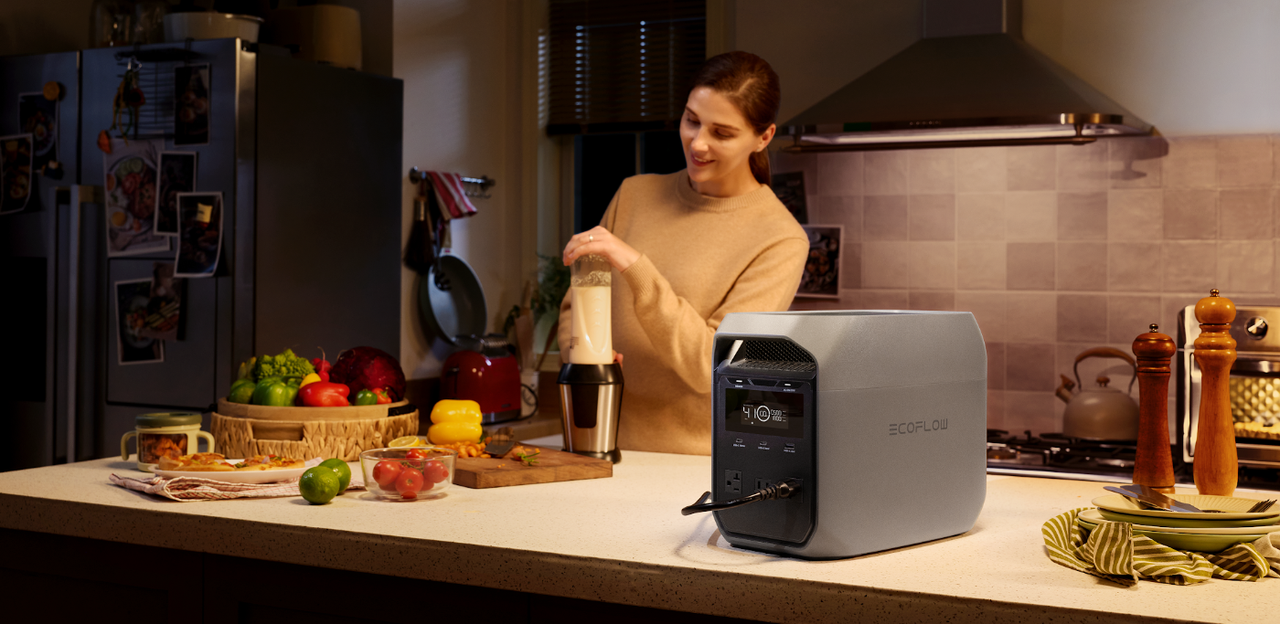
A pot, a pan, and a microwave will carry most of your week. Throw in a rice cooker or a slow cooker if you want variety without babysitting the stove.
Skip the matching cookware set. Nobody's kitchen at 22 needs to look like a bridal registry; it just needs to survive Tuesday dinner.
A toaster oven earns its counter space too, mostly because it does the job of a stove and an oven without heating up the whole apartment. Between that, a microwave, and one solid pan, you can cover breakfast, lunch, and dinner without ever touching a stovetop if your building does not have one.
Basic Utensils and Storage
Plates, bowls, and cups for two to four people are plenty, even with roommates cycling through. Reusable containers are the real MVP here; they stop grocery spoilage and cut down on the guilt-inducing pile of takeout boxes.
Quick list, in case you're standing in a store aisle right now:
Plates, bowls, and cups for two to four people
A stack of reusable containers for leftovers and meal prep
A drying rack that fits your counter; measure first
One decent chef's knife instead of a full block set
A cutting board that isn't also a decorative charcuterie board
Small kitchens punish clutter fast. Every extra gadget on the counter is workspace you don't get back, and grocery budgets stretch further when you can actually see what's in the fridge.
Bedroom and Living Space Basics
This is the room where cheap corner-cutting costs you later, mostly in sleep.
Bedding and Storage Solutions
Decent sheets and a mattress topper do more for sleep quality than almost anything else on this list, especially given how thin some apartment mattresses are. Under-bed storage bins pick up the slack in bedrooms that are smaller than they looked in the listing photos.
Neither item is expensive. Both earn their keep every night instead of gathering dust in a closet.
A blackout curtain is worth adding if your window faces a streetlight or a parking lot, which describes an unreasonable number of first apartments. Sleep quality has a way of showing up in grades, so this isn't just a comfort upgrade.
Making a Shared Living Room Work
Hash out the shared furniture with roommates before move-in day, not after someone's already bought a couch nobody likes. Split shared purchases evenly and write it down somewhere; a shared notes app works fine.
Skipping this conversation is how you end up with three coffee tables and zero couches. It also helps to agree early on who's keeping what after the lease ends, since that conversation is a lot easier in August than in May.
Bathroom Essentials
The stuff nobody thinks about until move-in week, and then everybody's asking who forgot to buy it.
Toiletry and Cleaning Basics
Basic shower supplies and a stocked first aid kit cover the everyday stuff. Cleaning products for a shared bathroom head off the low-grade friction that builds fast when nobody wants to be the one restocking toilet paper.
Set a cleaning rotation in week one. It's a five-minute conversation now versus a real argument in month three.
A shower caddy that's actually portable helps too, especially in apartments where the bathroom doubles as storage for three people's stuff. Nobody wants to hunt for shampoo at 7 am before an 8 am class.
Towels and Bath Storage
Color-coded or labeled towels solve more roommate drama than you'd expect for something this small. A shelving unit or a caddy adds storage where the apartment's built-in space runs out, which is basically every apartment bathroom ever built.
A bath mat and a small trash can round things out; both cheap, both easy to forget until the first week without them makes the case on their own.
Study and Tech Essentials
Nail this part, and everything else on the list gets easier, since a bad study setup drags down everything from grades to sleep.
Setting Up a Study Space at Home
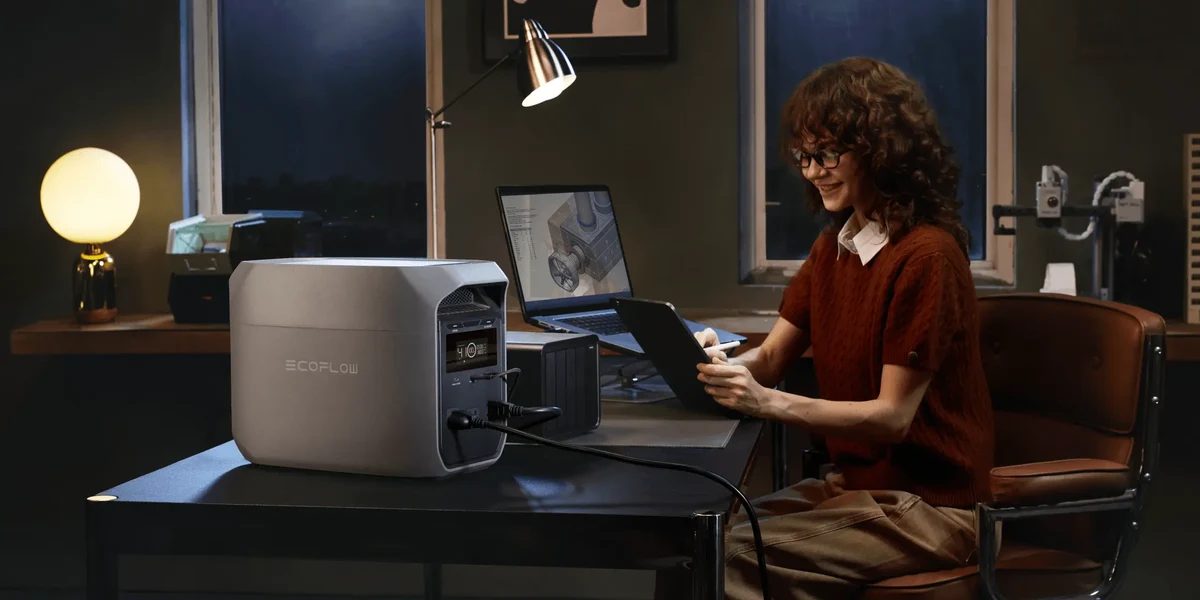
A real desk and a chair that doesn't wreck your back make late-night studying sustainable in a way your bed never will. Add a desk lamp, since overhead lighting alone is rough on the eyes after hour three.
A second monitor or a laptop stand is worth considering if your workload leans heavy on research or spreadsheets. It sounds like a luxury until you're toggling between six tabs on a 13-inch screen at midnight.
Tech That Makes Studying Easier
A reliable laptop charger and a spare cable save you from the classic scramble an hour before a deadline. Noise-cancelling headphones earn their price in a shared apartment, and EcoFlow's dorm room energy-saving hacks guide has more tricks that carry straight over from dorm life.
A surge protector with enough outlets matters more than people think, mostly because apartment bedrooms rarely have enough wall outlets for a desk setup, a phone, and a lamp all at once.
Why Does a Portable Power Station Make Sense in an Apartment?
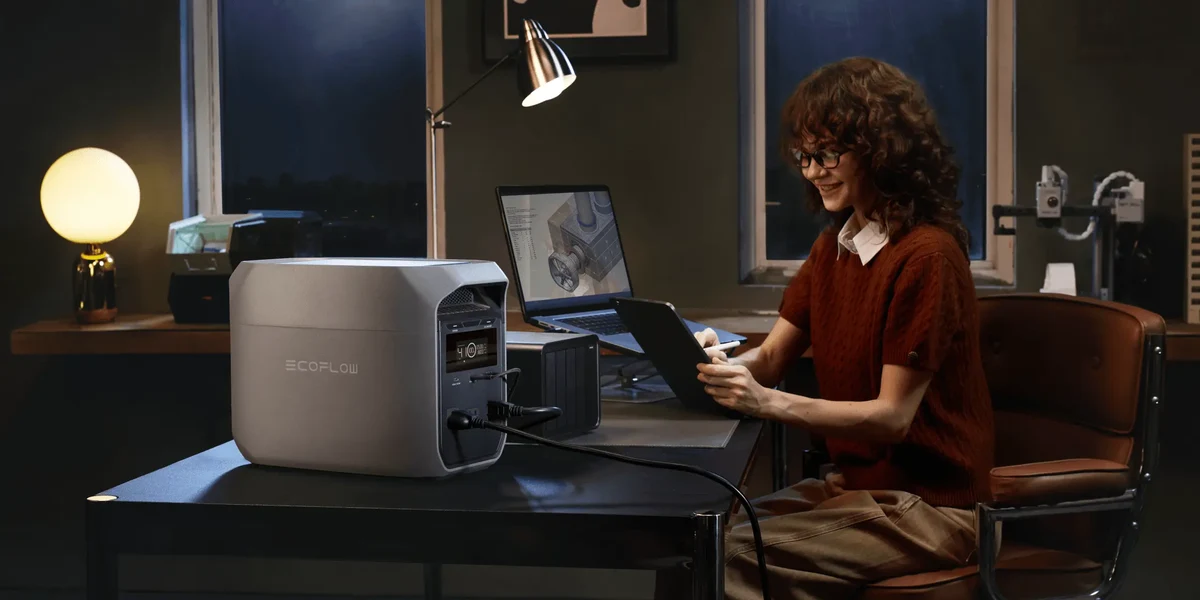
Yes, mostly because older apartment buildings flicker and drop power more often than people expect. A portable power station keeps your laptop and phone charged through those moments instead of costing you hours of unsaved work.
It's also the thing you're glad you bought during finals week, right when a dead laptop battery turns into an actual crisis. Laptops, routers, a lamp, and a small fan run fine off a compact unit, so this is less about weathering a storm and more about a quiet backup for an ordinary Tuesday.
Roommates tend to appreciate it too, since a shared unit means nobody's sprinting to a coffee shop with a dying laptop during a group project deadline. It's one of those purchases that seems unnecessary right up until the first outage, then it's the thing everyone asks to borrow.
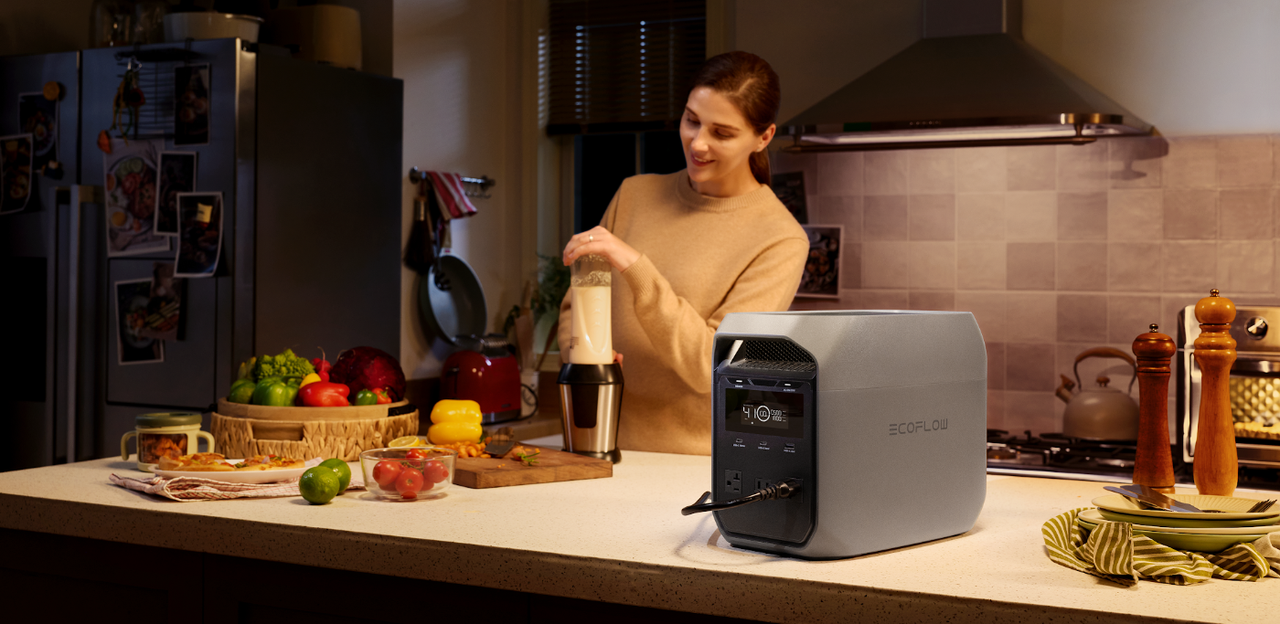
For students who just need the basics running, EcoFlow's DELTA 3 Classic (1024Wh) tucks into a closet corner without much fuss. It puts out 1,800W with a 3,600W surge and hits 80 percent charge in about 45 minutes on a wall outlet, enough to carry a laptop, router, and lamp through a multi-hour outage.
If you're running more gear or want more runtime between charges, the DELTA 3 Plus is the better fit. Same 1,800W output and 1024Wh capacity as the Classic, but it supports expansion batteries down the line, rates for around 4,000 charge cycles, and takes up to 1,000W of solar if you ever want to charge it without a wall outlet at all.
Match it to what you need: DELTA 3 Classic for basic backup, DELTA 3 Plus if you want room to grow. If budget's tight, EcoFlow's budget-friendly backup power guide is worth a read too.
Safety and Practical Extras
Small, unglamorous, and the stuff you reach for when something already went wrong.
Basic Safety Items
A fire extinguisher and a first aid kit belong in every first apartment, no exceptions. Keep a flashlight somewhere you can find it in the dark, because that's exactly when you'll need it.
A carbon monoxide detector is worth double-checking too, since not every older building has one built in despite what the lease implies. It's a twenty-dollar problem to solve now versus a much bigger one to discover later.
Tools and Repair Basics
A simple tool kit handles hanging shelves, art, and curtain rods without borrowing from a neighbor. It's also faster to fix a loose hinge yourself than to wait three days for a landlord who may or may not show up.
Command strips and a small level round out the kit for anyone who doesn't want nail holes to explain at move-out inspection.
Conclusion
College apartment essentials aren't really about filling space; they're about making daily life work without a hitch. Get the basics right and studying, cooking, and living with roommates all get a lot easier, without move-in day wrecking your budget.
Explore EcoFlow's portable power lineup for more options built for apartment living.
Frequently asked questions
A few quick answers before you start the shopping list.
What kitchen items do I need for my first apartment?
A pot, a pan, a microwave, and a small set of dishes cover most meals. Add a rice cooker or slow cooker for variety, and reusable containers to keep groceries from going to waste, especially if your fridge is smaller than the one you grew up with.
What should I buy for a college apartment on a budget?
Start with a few multi-use kitchen pieces, decent bedding, and basic cleaning supplies. Furniture and decor can wait; sleep and food prep can't, and secondhand marketplaces often cover the rest for less.
Do I need a backup power source for a college apartment?
It's worth having if your building has older wiring or the occasional outage, which is common in off-campus housing. A compact station like the DELTA 3 Classic keeps a laptop and router running through short outages without a big investment.
What are the most forgotten college apartment essentials?
A first aid kit, a flashlight, and a basic tool kit rank high on the forgotten list. Nobody thinks about them until move-in week is already over, usually right when the first minor emergency shows up.
Should college roommates split the cost of apartment essentials?
Splitting shared items, like a couch, cleaning supplies, and living room furniture, evenly is standard. Personal stuff, bedding, and desk setups usually stay individual, and writing the split down avoids disputes later.
What tech do I need for a college apartment?
A laptop charger with a spare cable, noise-cancelling headphones, and a desk lamp cover the daily needs. Add a portable power station if outages or unreliable power are a real factor in your building, and a surge protector regardless.
For press requests or interview opportunities, reach out to our media team
media.na@ecoflow.com