How to Make a DIY Humidifier (4 Quick Home Solutions)
Colder temperatures often come with drier air, especially as heating systems suck moisture from inside the home. Low humidity can cause all sorts of discomfort, especially for those with allergies or skin conditions.
Introducing water vapor back into the air is crucial for creating a more comfortable home.
Humidifiers help address dry air, but they can be expensive and are often limited to one room. Luckily, there are many ways to increase the humidity in your home without breaking the bank.
5 Signs Your Home Needs More Humidity
Dry Skin: If you’re constantly moisturizing but still struggle with dry skin or chapped lips.
Irritated Eyes: Dry air pulls moisture from your eyes, causing redness, itchiness, and discomfort.
Scratchy Throat: Waking up with a sore or dry throat.
Increased Static Electricity: If you’re frequently getting shocked by doorknobs, light switches, or other people.
Structural Damage: Splitting wood, gaps in hardwood floors, cracked paint, and peeling wallpaper.
If you’re noticing these signs, there are several simple and cost-effective ways to increase indoor humidity.
Why Portable Power Makes DIY Humidifiers More Flexible
DIY humidifiers are often tied to a wall outlet. This limitation is an issue as moisture levels can be increased in one half of the room but neglected in the other. Wall outlets also tend to be low to the ground, which means small children and pets can easily reach your DIY setup.
Portable power provides more flexibility by allowing you to set up your DIY humidifier where it’s most effective.
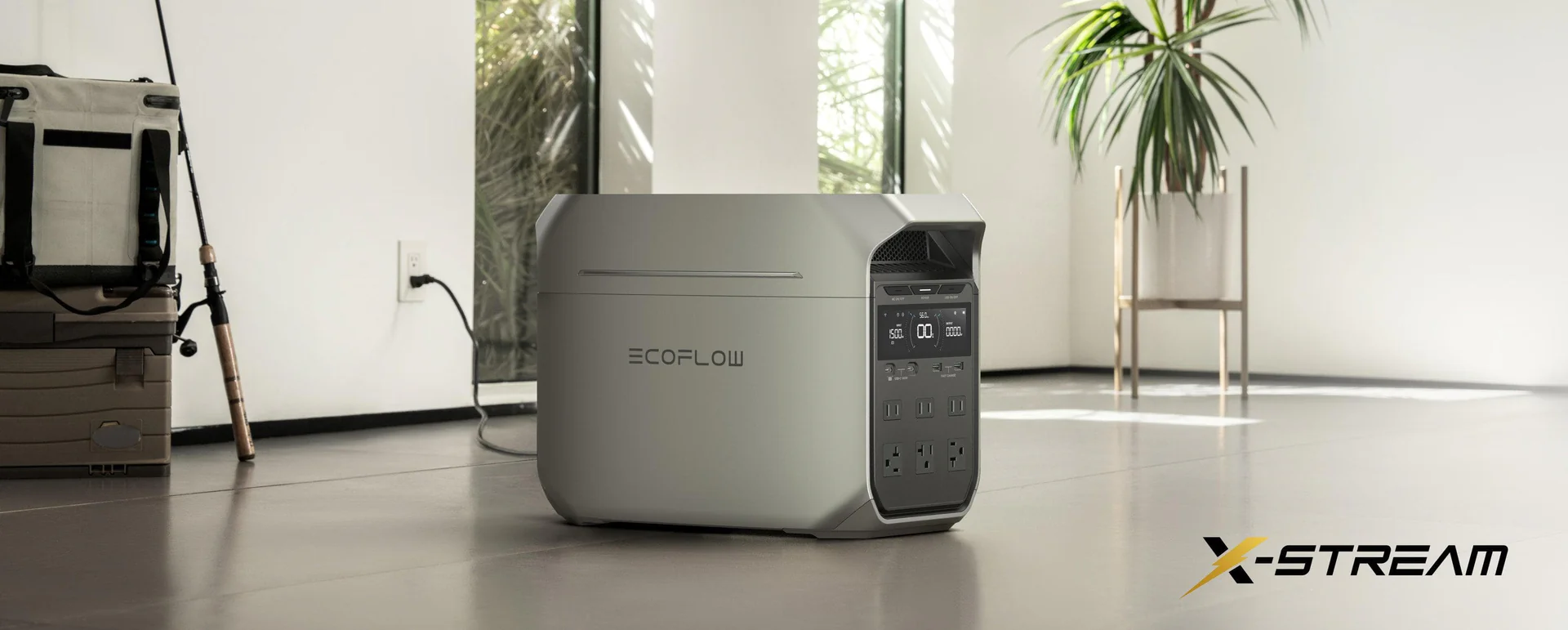
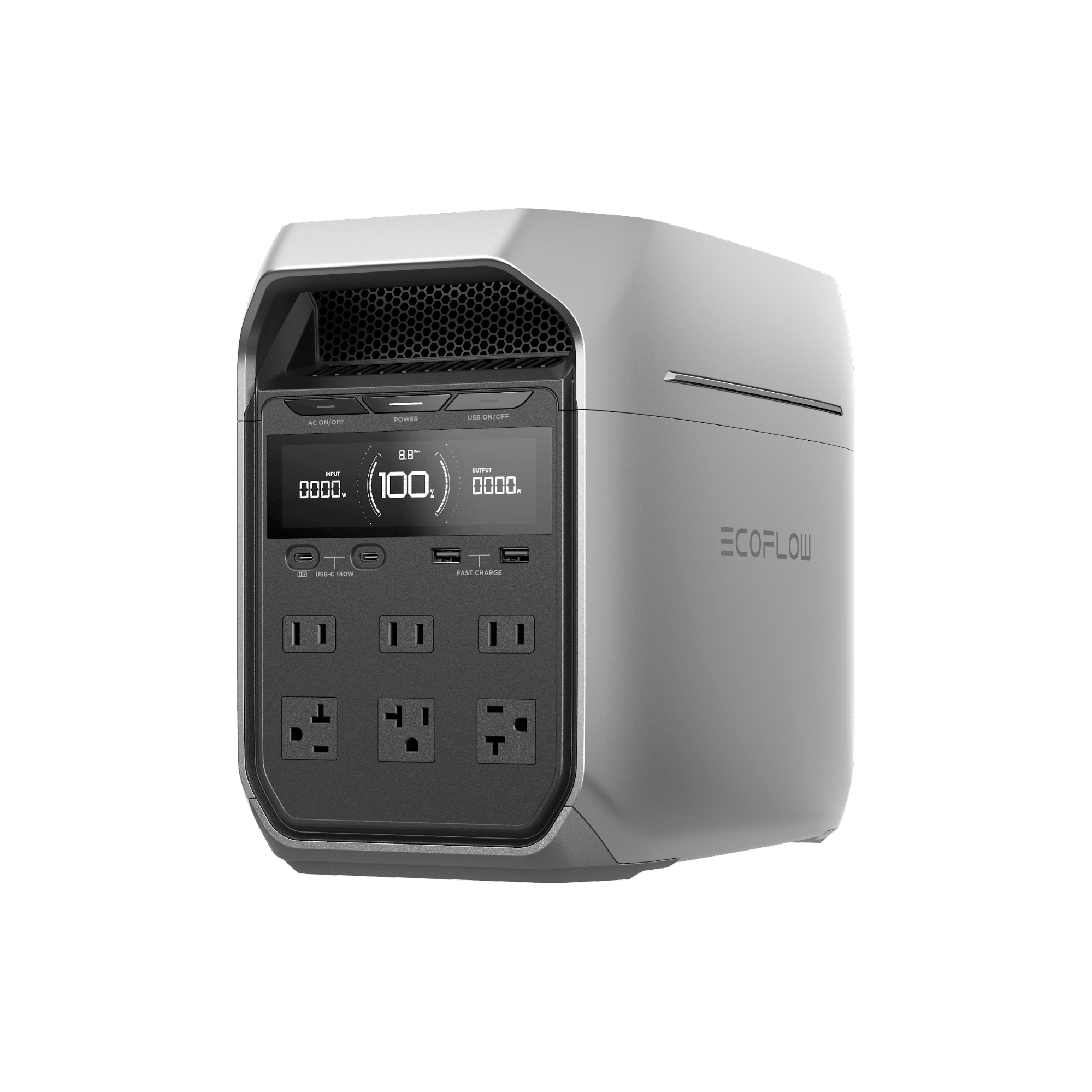
For example, a portable power station like the EcoFlow DELTA 3 Plus can power small fans or humidifier setups without being restricted to a fixed outlet, which makes it easier to manage humidity across different areas inside your home.
For broader home coverage, especially during power outages that impact heating systems and indoor air conditions, a whole-home backup solution can help maintain consistent power to essential systems throughout the house.
4 Quick DIY Humidifier Solutions
Low air moisture doesn’t always require you to buy a humidifier, especially if you’re only looking for a short-term solution. Here are 4 alternative methods to address dry air:
Containers of Water Near a Heat Source
One way to effectively add moisture to your home is to heat water on the stove. However, the stove should not be left unattended, and you must keep an eye on the water level to avoid heating an empty pot.
Alternatively, you can place pots or bowls of water on or near a heat source, such as the radiator or a sun-facing window. The heat will cause the water to evaporate, adding moisture to the air.
Air Dry Laundry Indoors
Instead of throwing your wet laundry into the dryer and releasing more dry heat, hang it up on a drying rack. The damp clothes release water back into the air, increasing the humidity.
Use a small fan to circulate air and prevent musty odors.
Shower With the Door Open
As you probably know, a hot shower often leaves your bathroom in a very humid state. Instead of switching on the exhaust fan and sending that humidity outdoors, leave your bathroom doors open and allow the moist air to spread throughout the house, giving it a boost of humidity.
Mini Humidifier Powered by Portable Power
For a quick solution, you can make a homemade humidifier with the following supplies:
A container that can hold water
A cloth
A rod long enough to sit across the container
A small fan
Balance the rod across the container. Drape the cloth over the rod so it hangs into the container.
Fill the container with water until the lower portion of the cloth is submerged.
Place the fan behind the container, pointing toward the center of the room. Turn it to low so moisture circulates back into the home.
As water wicks up the cloth, the fan blows across the damp surface, increasing the moisture in the air. While this setup is often restricted to areas with a wall outlet, using portable power allows you to position it where increased humidity is needed the most.
6 Tips for Safe DIY Humidifier Use
Use distilled water. Tap water can deposit “white dust” on surfaces and is more likely to facilitate bacterial growth.
Change water daily. Empty the container, wipe it dry, and refill it with fresh water every day. Stagnant water becomes a breeding ground for bacteria.
Clean frequently. Clean the container at least every three days to prevent mold from growing.
Keep water away from electrical components. Keep the fan a safe distance from the water container to prevent water from splashing onto it.
Keep out of reach. Prevent small children or pets from reaching the DIY humidifier.
Monitor humidity. Use a hygrometer or watch for condensation to ensure humidity levels aren’t too high.
It’s important to note that these methods are really best suited for small spaces or short-term use and should be monitored regularly to prevent excess moisture or mold growth.
Frequently Asked Questions
How Can I Humidify My Room Without a Humidifier?
Increase moisture in the room by placing bowls of water near a heat source, introducing houseplants, or misting window curtains with water. You can also build a DIY humidifier using a container of water, a damp cloth, and a small fan.
Can a Portable Power Station Run a Humidifier?
Yes, a portable power station can run a humidifier, but the runtime depends on the humidifier’s wattage and the battery unit’s capacity. A power station with at least 1000Wh of capacity may be sufficient for running a humidifier overnight, depending on the device’s wattage and usage time.
Final Thoughts
Low humidity levels can be harmful, especially for people with respiratory issues. Humidifiers offer many benefits for your personal well-being, but they can be too expensive to buy for every room. DIY methods help keep money in your pocket while improving the moisture in your home.
You can further improve and optimize the flexibility of your DIY humidifier setup with a portable power station. The EcoFlow DELTA 3 Plus can support devices like fans, small appliances, and humidifiers. Plus, its portability means you’re not restricted to a wall outlet, so you can place your setup where it’s most effective.
For press requests or interview opportunities, reach out to our media team
media.na@ecoflow.com