How Much Does It Cost to Run a Generator Per Day? The Real Numbers
- Daily Generator Cost Basics: What You’re Really Paying For
- How to Calculate Your Per-Day Cost With Simple, Real-World Inputs
- What Drives Generator Running Costs the Most
- Real Cost Ranges for Common Outage Scenarios
- How to Lower Your Daily Cost and Choose the Right Backup Setup
- Frequently Asked Questions
- Reliable Backup Power Without Guesswork
Power outages are stressful enough, but they’re even more nerve-wracking when you have to wonder about the gas bill. Traditional generators cost you by the hour or day, but the exact amount depends on a lot of factors.
Fuel type, runtime, and what you’re powering have a big impact on how much it costs to run a generator per day. Here’s how to estimate what you’ll pay to stay online during an outage, plus tips to spend less than you need to.
Daily Generator Cost Basics: What You’re Really Paying For
Running a generator requires more than buying equipment and turning it on. You also have to plan for operating costs. Daily costs come down to a few factors:
Fuel type: Traditional gas, propane, and natural gas generators all come with different price tags. Generally, you can expect a gas-powered generator to cost $2 to $6 per hour, or $48 to $144 per day if you run it continuously. Natural gas is slightly more efficient at $1 to $5 per hour.
Generator size: A whole-home generator designed to power everything from your HVAC to your dryer will consume more power than a smaller setup running just the essentials.
Runtime and load: The heavier the load, the harder the generator works and the more fuel it needs. A generator powering your entire home 24/7 will obviously cost more than one that runs only during peak evening hours.
The daily cost depends on your setup and how you use the energy. For example, a 12-hour outage could cost as little as $20 with an efficient natural gas setup. But a multi-day outage running around the clock could easily set you back $300 or more in fuel costs alone.
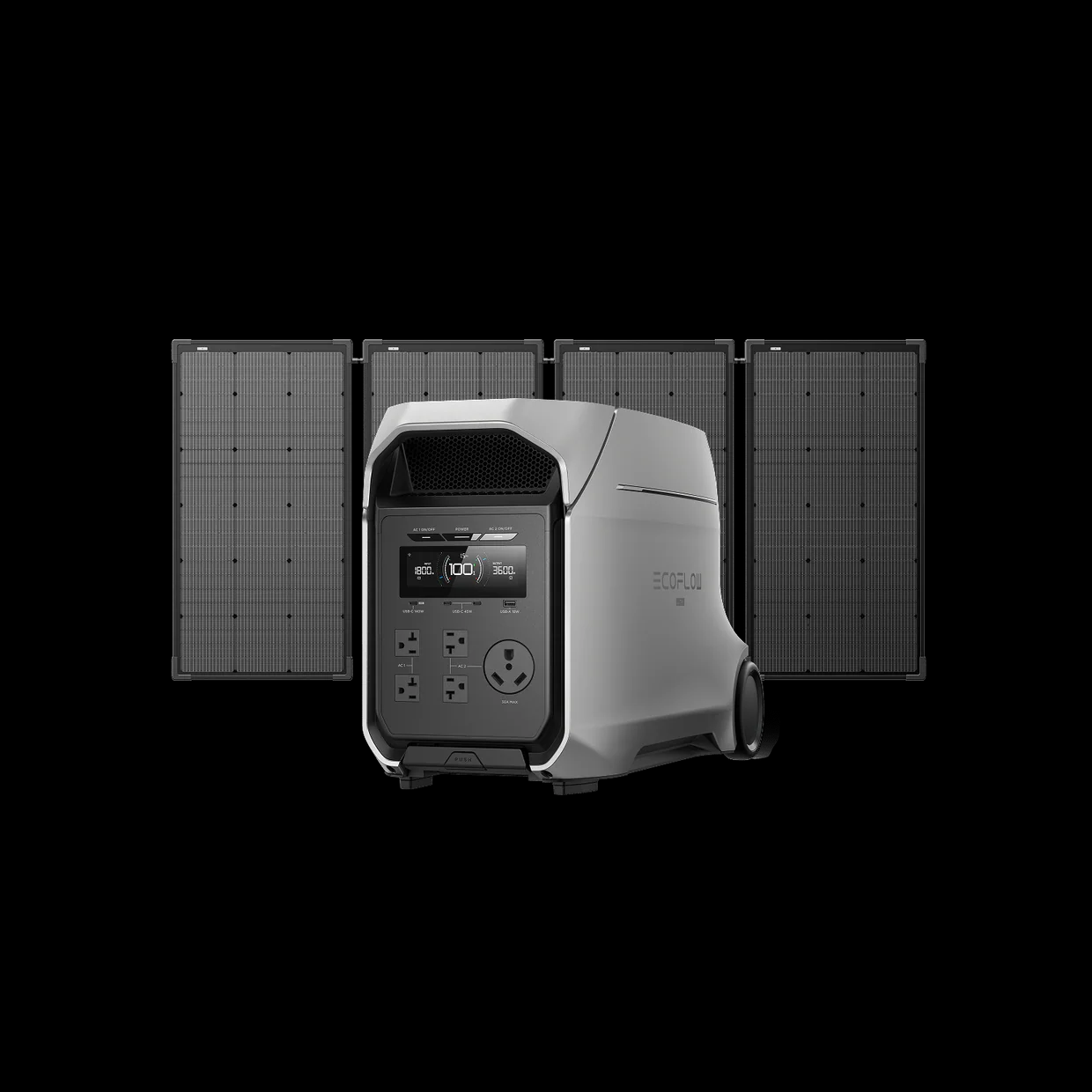
Of course, solar falls into a different category here. Instead of worrying about topping off propane before yet another “historic” storm or paying whatever gas prices happen to be that week, you’re relying on stored battery power and solar recharging. A setup like the EcoFlow DELTA 3 Ultra Plus Solar Generator (3072Wh) can help cover essentials without ongoing fuel costs.
How to Calculate Your Per-Day Cost With Simple, Real-World Inputs
You don’t need an electrician to estimate your daily generator costs. Here’s the basic math:
Fuel Price X Consumption Per Hour X Hours of Use = Total Daily Cost
For example, let’s say propane costs $3 per gallon, and your generator uses 2 gallons per hour:
$3 × 2 = $6 per hour
If an outage lasts 12 hours, your daily cost would be:
$6 × 12 = $72
If you aren’t sure how many gallons per hour your generator uses, your owner’s manual will usually provide an estimate.
Also, keep in mind that this figure will change based on load, or how much stuff you need to power. Powering only essentials for 12 hours might cost $20 to $40, while running all of your systems can push costs into the $100+ per day range.
What About Solar?
If you’re using battery backup or stored electricity, use this formula to calculate your energy needs:
Electricity Rate X kWh Used = Daily Cost
For example, if electricity costs $0.15 per kWh and you use 10 kWh to recharge your backup battery:
$0.15 × 10 = $1.50 to recharge
That predictability is one reason more homeowners love battery systems for outages. There are no emergency gas runs or scrambling before a big storm hits.
What Drives Generator Running Costs the Most
Not all generators cost the same to run, and it’s not just about fuel prices. Your daily operating cost depends on a mix of factors:
Fuel type: The generator you select for a 1,500-square-foot house will have a tremendous impact on your daily costs. Gasoline generators are easy to find, but they’re expensive during extended outages. Propane and natural gas generators are a little better, but you need infrastructure to run these. Solar generators avoid fuel costs entirely, but you might pay more upfront for installation.
Load percentage: Your generator doesn’t burn fuel at the same rate all the time. The more power you need, the harder it works and the more expensive it is to run.
Maintenance: All generators need upkeep, but fuel-powered ones need a lot of ongoing maintenance. That includes oil changes, air filter changes, and new spark plugs. Skipping maintenance isn’t an option, either. If you skip it, your efficiency will go down, and costs will go up.
Real Cost Ranges for Common Outage Scenarios
Your exact costs will vary, but here are some ballpark ranges for common types of outages:
12-hour outage: $20 to $50. If you’re strategic about energy use, short outages aren’t that expensive. A smaller generator or battery backup setup focused on the essentials can keep you comfortable without burning through fuel.
24-hour outage: $50 to over $150. A moderate setup running all day will set you back around $100, especially with higher fuel prices.
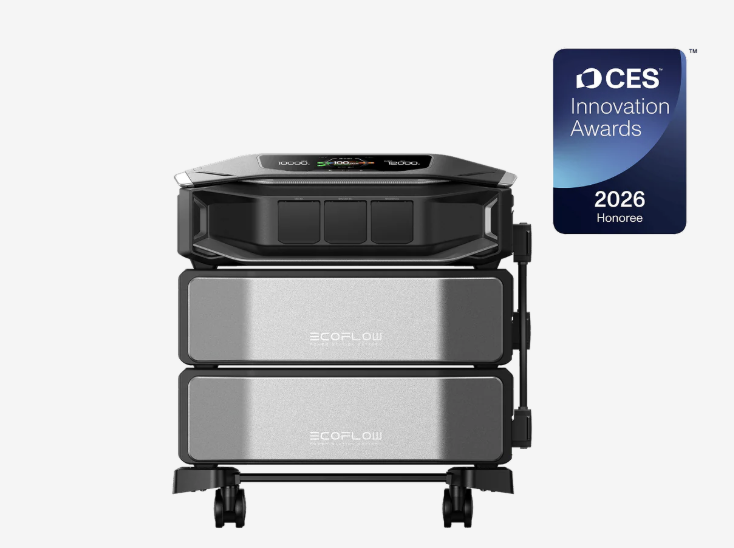
3-day outage: $150 to over $400. Extended outages are where whole-home generators make more sense. A larger standby generator running around the clock can burn through fuel quickly, especially with heavy loads. Expandable battery systems are great for extended outages, especially if you’re worried about fuel costs. The EcoFlow DELTA Pro Ultra X can help power critical appliances without worrying about fuel. Adding a solar backup battery solution can provide even more peace of mind.
How to Lower Your Daily Cost and Choose the Right Backup Setup
You can’t control fuel prices or power outages, but a few small changes can help reduce your daily generator costs, including:
Right-sized systems: Don’t buy too big of a generator for the job. It makes sense to get a little extra, but oversized systems cost way more to run. When in doubt, get what you need plus 20% extra capacity, just in case.
Careful load management: It’s not practical to run your household like there isn’t a power outage going on, especially during a multi-day outage. Be intentional about what you power and when. That might mean limiting HVAC use or drying your clothes outside.
Consider battery backups: Traditional generators make sense in some situations, especially for heavy loads. But if fuel costs stress you out, battery-powered systems are worth a look.
Frequently Asked Questions
How much does it cost to run a generator per hour and per day?
Most generators cost between $2 and $6 per hour to run, but highly efficient natural gas systems may fall closer to $1 to $5 per hour. Over a full day, that typically works out to $25 to $150+, depending on fuel type, generator size, and how much electricity you’re using.
Which generator fuel is cheapest for daily running costs?
Natural gas is usually the cheapest, but only if you already have it connected to a gas line. Propane, gasoline, and diesel vary widely depending on local prices. Although it usually requires a larger upfront investment, solar is technically the cheapest option because it doesn’t require fuel at all.
How do load and efficiency change what you’ll pay each day?
Your daily cost depends heavily on how hard your generator is working. Higher electrical loads mean higher fuel consumption. Running essentials like a refrigerator, internet, and lights costs far less than powering central AC and big appliances like washing machines. Efficiency matters too. Well-maintained generators generally burn less fuel and perform better.
How much will it cost to run backup power during a 12-hour or 3-day outage?
During a 12-hour outage, you might only pay $20–$50 to power the essentials. A 24-hour outage with moderate loads often falls in the $50–$150+ range. For a 3-day outage running near whole-home power, costs can easily reach $150–$400 or more, especially with high fuel prices.
Reliable Backup Power Without Guesswork
Buying a generator is one thing, but shelling out money for fuel can cost more than you expect. Fuel type, runtime, load, and generator size all affect your daily total. A short outage might only cost you a few bucks, while a multi-day one could set you back over $400.
The key is choosing a setup that fits your real needs, not your worst-case nightmare. Right-sizing your backup system, managing loads, and thinking beyond fuel costs can help you stay comfortable without overspending every time the lights go out.
With that said, you can enjoy greater energy independence and slash generator costs by going with a battery-powered system and solar panels. See how the EcoFlow DELTA Pro Ultra X offers flexible, low-cost energy when you need it most.
For press requests or interview opportunities, reach out to our media team
media.na@ecoflow.com