Coffee Rust and Climate: The Future of Your Morning Brew
Your morning coffee depends on a delicate balance of climate, temperature, rainfall, and tree health, and that balance is breaking down. Rising temperatures, changing rainfall patterns, and the spread of plant diseases like coffee rust are making it harder to grow and more expensive to buy. Declining supplies coupled with ever-growing demand for our beloved brew may soon turn our daily pick-me-up into a high-priced luxury that few can afford.
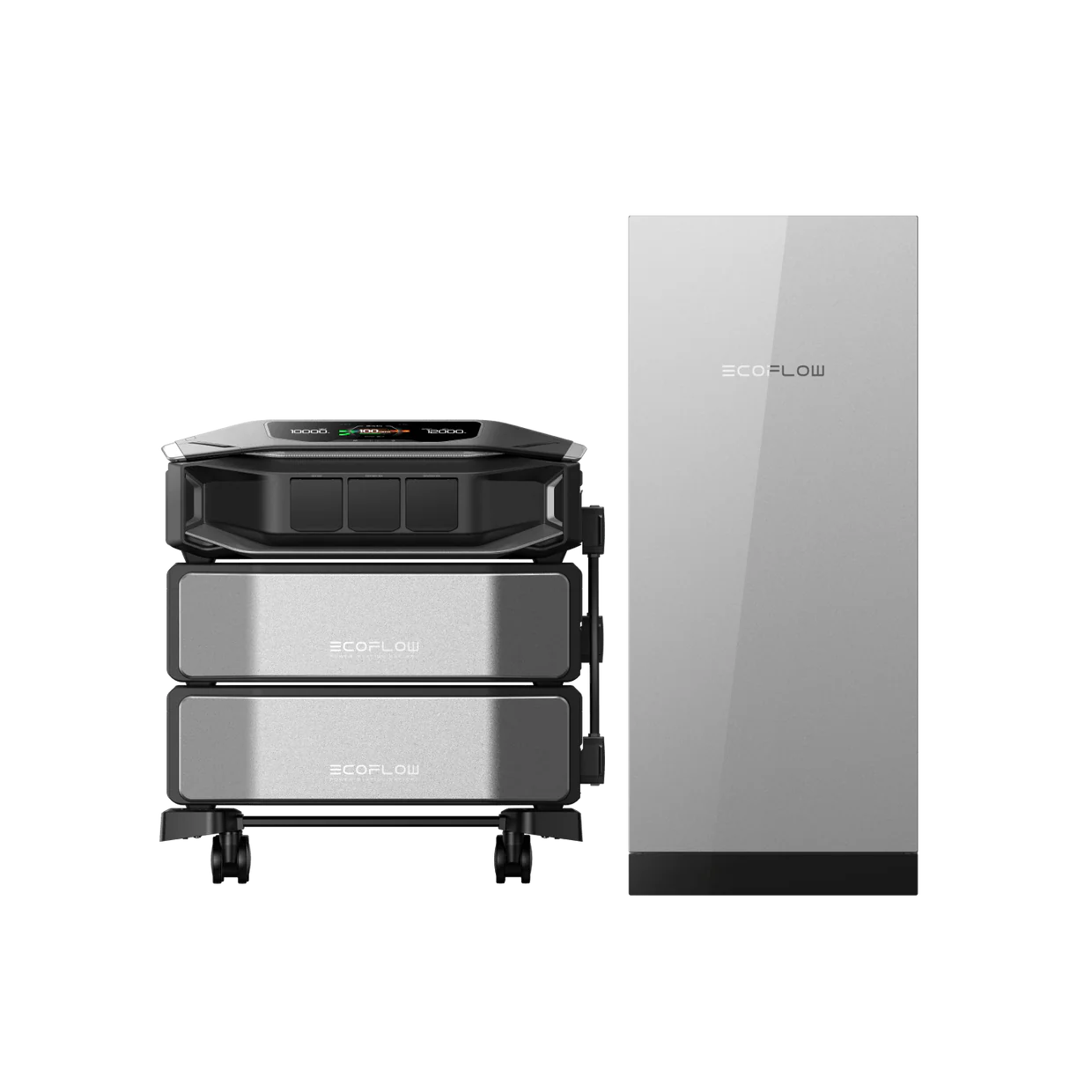
This article examines the cause of declining production, its link to climate change, and what we can do to help ensure our cup of Joe is here to stay—including harnessing sustainable energy, with EcoFlow DELTA Pro Ultra X leading the charge.
Why Coffee Is Becoming Harder to Grow
Coffee trees require temperatures between about 60°F and 70°F to grow well. When the weather warms too quickly, and the trees bloom early, or they experience extreme heat during the growing season, quality and yields suffer, and entire harvests are sometimes lost. Shifting rainfall patterns create additional stress and reduced yields. Finally, increased temperatures create a breeding ground for diseases, further harming production.
Already, the average number of bags of coffee produced on farms in Costa Rica has declined from 14.5 bags per acre 15 years ago to less than 10 bags per acre today.
Studies show that by 2050, about half of the land currently used for high-quality coffee may become unproductive. In regions like India, Brazil, and Central America, as much as 80% of the farms could be lost. As temperatures continue to rise, some growers will be able to move to higher elevations, but for some, there’s nowhere else to go.
While we may not be able to protect those farms ourselves, we can do our part to lessen the effect of climate change and build our own resilience with indoor-safe battery backups like the EcoFlow DELTA 3 Series that can be recharged with clean solar energy.
What Is Coffee Rust?
Coffee rust, also called La Roya, is a devastating disease caused by the fungus Hemileia vastatrix. Rust infects the leaves, causing them to eventually turn brown and fall off, hindering the plant’s ability to photosynthesize. This reduces the quality of the coffee beans and can reduce yields by between 30% and 50%.
The Link Between Climate Change and Coffee Rust
The spread of rust is strongly linked to climate change because it thrives in high temperatures and high humidity. As temperatures continue to climb and rainfall patterns shift, rust continues spreading via rain, wind, animals, and people. Today, it’s found in nearly all coffee-producing countries in Latin America, Africa, and Asia, with particularly devastating outbreaks in Guatemala, Honduras, El Salvador, Nicaragua, Costa Rica, Mexico, and parts of South America.
Climate change is not showing any signs of lessening. But we can help lessen its impacts at home using a battery-operated whole-home generator for energy independence and climate change resilience.
How the Coffee Industry Is Responding
The java industry is taking a proactive and unusually collaborative approach to addressing the threats of climate change on production. Since big coffee companies typically just buy from a different grower if a particular crop fails, they could just keep doing that and not worry about the future.
Instead, companies have started working with small farms, developing and sharing resistant strains more tolerant of rust, drought, or high temperatures. They are teaching them to better monitor conditions and suggesting new agricultural practices to help improve resilience and production, even if the farmers don’t ultimately sell to them.
Industry leaders feel a collaborative approach is needed, not just to protect the environment but also to ensure high-quality coffee with good yields at the best possible price for the consumer. They don’t see the value of hoarding trade secrets to gain a competitive advantage. They are helping all growers adapt to change, knowing that if they don't, the coffee industry will face huge pressure and loss in the years to come.
To create your own climate change resilience at home, a whole-home backup power system will reduce your carbon footprint if you recharge it with solar panels.
What Coffee Drinkers Can Do
Support sustainable growers who prioritize regenerative farming practices.
Be open to new types and brands if our favorites become unavailable.
Understand why prices rise dramatically in some years due to losses and market forces.
Switch to solar-powered roasters and cafes to reduce your carbon footprint.
Stop using disposable paper or Styrofoam cups and switch to reusable mugs.
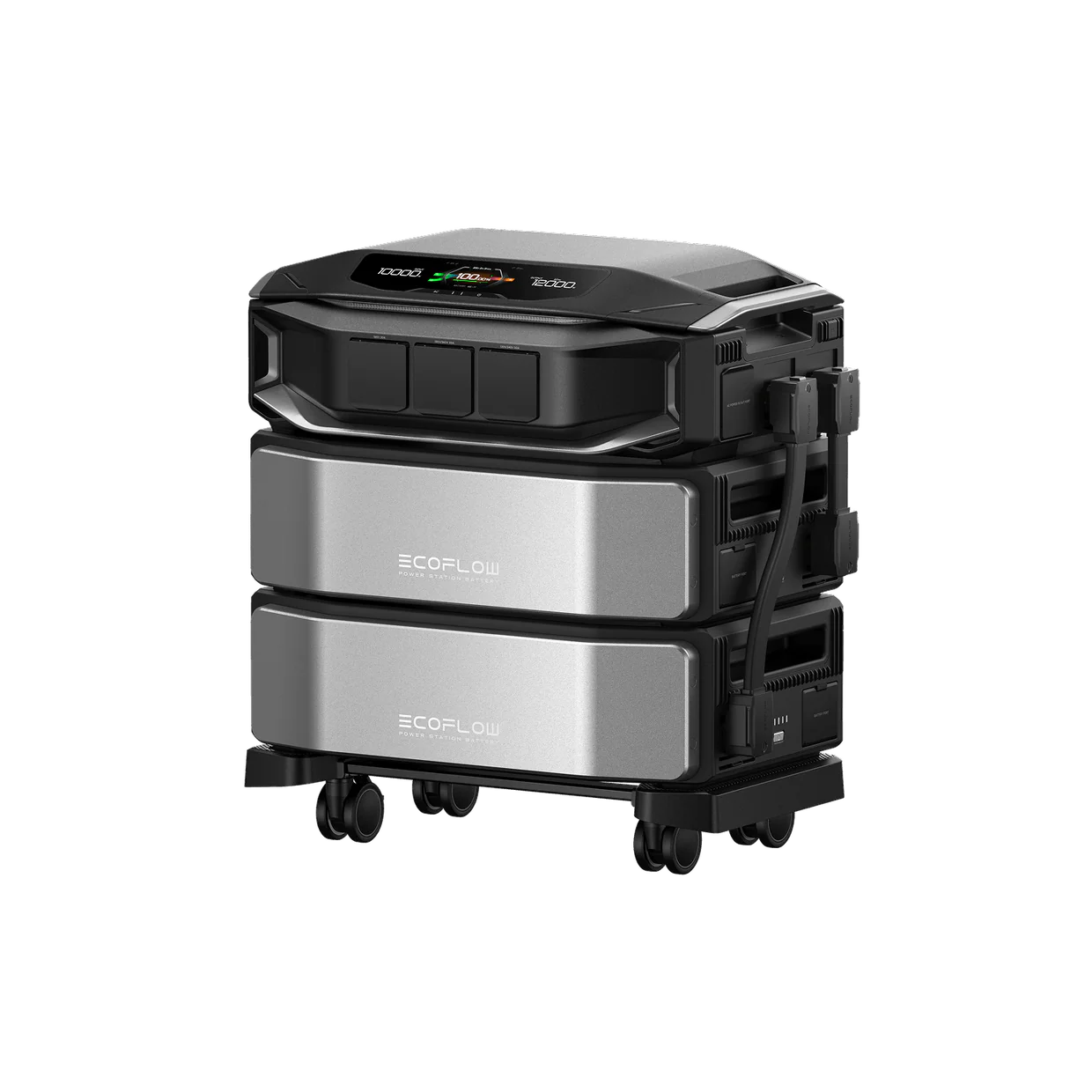
Use energy more efficiently in your home, including investing in a reliable battery-powered backup like the EcoFlow DELTA Pro Ultra X.
Frequently Asked Questions
What Causes Coffee Rust?
Coffee rust is caused by the fungus Hemileia vastatrix, which thrives in hot and humid conditions and is spread via rain, wind, people, and animals. It infects the leaves of the trees and causes them to fall off.
Is Coffee Rust Still a Threat?
Coffee rust is a growing threat because it thrives in high temperatures in areas with erratic rainfall patterns. As climate change continues, the conditions that favor rust are spreading, and so is the rust.
What Countries Are Affected by Coffee Rust?
Nearly all of the coffee-producing countries in Latin America, Africa, and Asia are affected by rust, with Guatemala, Honduras, El Salvador, Nicaragua, Costa Rica, Mexico, and South America being the hardest hit.
Climate Change and Coffee Rust Threaten Long-Term Global Coffee Production
The future of your favorite morning pick-me-up is being shaped by two powerful forces: climate change and the spread of coffee rust. Hotter temperatures and shifting rainfall are harming production and favoring the spread of diseases, devastating farms worldwide. But the industry is taking a proactive and collaborative approach, sharing resistant seeds and information to help support sustainable farms to carry the industry into the future.
Consumers play a role too; by supporting sustainable growers, understanding what’s happening, and doing our own part to encourage sustainability, like using an EcoFlow DELTA Pro Ultra X for energy independence, we can help ensure our daily cup of Joe remains accessible to all.
For press requests or interview opportunities, reach out to our media team
media.na@ecoflow.com